Skip to content
WAnimals
  • Map
  • Species
  • Parks
  • Diving
Log inCreate account
WAnimals

The guide for travellers and animal lovers: discover, plan and share your wild adventures around the world.

Discover wildlife

  • Species
  • Ecosystems
  • Glossary
  • Tags

Explore places

  • Map
  • Countries
  • Parks
  • Diving

Plan experiences

  • Guides

Learn

  • Blog

Resources

  • Help centre
  • Contact
  • Install the app

Follow us

Account

  • Log in
  • Create account

© 2026 WAnimals. All rights reserved.

About usHow we build our profilesTerms of servicePrivacyLegal notice
MapSpeciesParksDiving
  1. Home
  2. countries
  3. India

India

Asia

Capital: New DelhiNovember to March

373

Documented species

34

Parks and reserves

4

Dive sites

India is one of the seventeen megadiverse countries in the world and contains four biodiversity hotspots: the Himalaya, the Western Ghats, the Indo-Burma region and the Nicobar Islands. From the ice of the Himalayan summits to the reefs of the Indian Ocean, it strings together conifer forests, Terai grasslands, the Thar desert, monsoon forests, laterite plateaux and the largest mangrove forest in the world, the Sundarbans, where tigers swim between channels and drink brackish water. The country holds most of the planet's wild tigers, two thirds of Indian rhinoceroses and almost all of the wild Asian elephants. The Western Ghats, a range running parallel to the southwest coast, catch the monsoon and concentrate a very high number of amphibians and plants found nowhere else.

Nature in India

National animal: The Bengal tiger is the national animal, the peafowl the national bird, the Asian elephant the national heritage animal and the Ganges river dolphin the national aquatic animal

Did you know?

The Asiatic lion once ranged from Greece to India, but by the start of the twentieth century barely a few dozen were left, all of them in the Gir forest in Gujarat, where the local nawab banned hunting and protected them on his own land. From that handful of survivors descends the only wild population in the world, which today exceeds six hundred animals and is still confined to that same region.

Biodiversity profile

Conservation

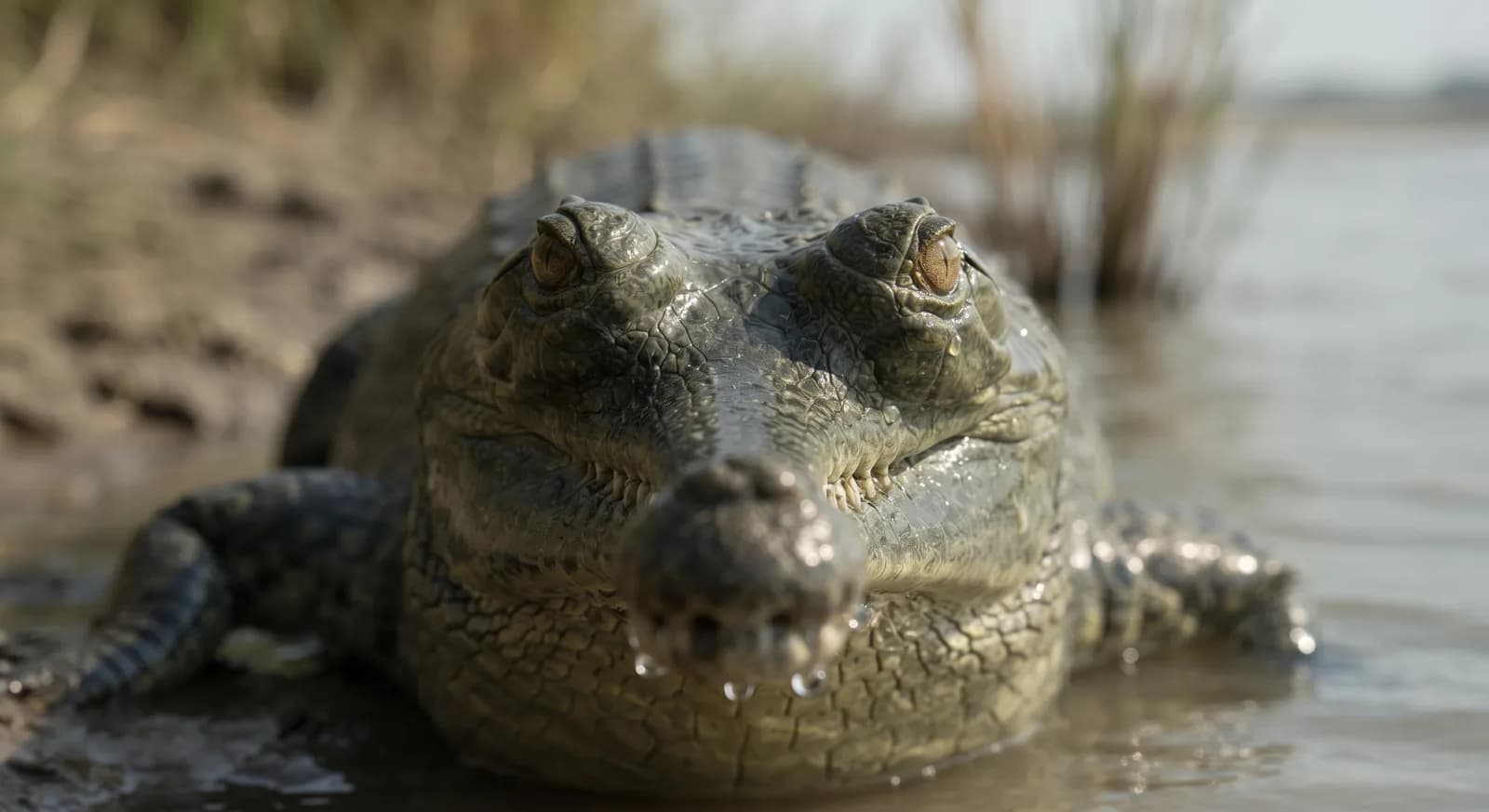
Project Tiger, launched in 1973, created a network of reserves that has allowed the tiger population to grow to some three thousand six hundred animals, the largest in the world. The gharial, a crocodile with a very fine snout specialised in fish, remains critically endangered despite the breeding programmes.

Where and when to watch wildlife

Kaziranga between November and April for rhinoceroses. Ranthambore and Bandhavgarh between March and May for tigers at the waterholes. The Western Ghats during the monsoon for amphibians.

Natural phenomena in India

  • Olive ridley arribada at Rushikulya — February to March (in some years a second phase in late March or April)
  • Snow leopard mating season — January to March

Parks and reserves

National Park / Tiger Reserve

Sundarbans

The largest mangrove forest in the world, shared with Bangladesh; the only place where tigers swim between islands

See park
World Heritage Site (Mixed)

Khangchendzonga

India's first mixed property, around the third-highest mountain in the world, with a vertical range of more than seven thousand metres.

See park
National Park

Nanda Devi

Closed to tourism since 1983; a 1960s CIA surveillance device was lost on its peaks and never recovered

See park
National Park

Kaziranga

The highest density of tigers in the world and 70% of the planet's Indian one-horned rhinos

See park
National Park

Keoladeo (Bharatpur)

Once the royal duck-shooting ground of the maharajas of Bharatpur, today one of the finest bird sanctuaries in Asia

See park
National Park

Eravikulam

A refuge for more than a third of the world population of the Nilgiri tahr, a wild goat endemic to the Western Ghats

See park
World Heritage Site (Natural)

Western Ghats

A mountain range older than the Himalaya and one of the eight most important biodiversity hotspots in the world.

See park
National Park

Great Himalayan National Park

A UNESCO World Heritage Site since 2014; it protects four major river basins of the western Himalaya with barely any permanent settlement

See park
National Park / Tiger Reserve

Manas

It was on the List of World Heritage in Danger between 1992 and 2011 because of a separatist armed conflict that devastated its wildlife

See park
National Park

Valley of Flowers

An alpine valley that bursts into hundreds of species of flower during the monsoon, made known to the West by a British climber in 1931

See park
National Park

Mudumalai

A key corridor between the Western and Eastern Ghats, within India's first biosphere reserve.

See park
National Park

Satpura

The core zone of the Pachmarhi Biosphere Reserve, in the heart of the Satpura range.

See park
Tiger Reserve

Simlipal

It holds the world's greatest concentration of melanistic (black) tigers, a rare genetic variation documented at this scale nowhere else

See park
National Park / Tiger Reserve

Bandhavgarh

One of the highest Bengal tiger densities in the world, around a fort more than 2,000 years old

See park
Tiger Reserve

Bandipur

The former royal hunting ground of the Maharaja of Mysore, today part of the largest unbroken stretch of protected forest in southern India

See park
National Park

Bhitarkanika

India's second-largest mangrove, with the country's largest saltwater crocodile population and the Gahirmatha olive ridley arribada.

See park
National Park

Dachigam

The last refuge in the world of the hangul, or Kashmir stag, with a total wild population below 250 animals

See park
National Park

Thar Desert

The largest protected area of the Thar Desert and the last stronghold of the critically endangered great Indian bustard.

See park
National Park

Dudhwa

One of the last fragments of terai grassland and forest left in India, with the largest barasingha population.

See park
National Park

Gir

The only place in the world outside Africa where lions survive in the wild

See park
National Park

Hemis

The highest snow leopard density of any protected area in the world

See park
National Park / Tiger Reserve

Jim Corbett

India's oldest national park and the first under Project Tiger in 1973

See park
National Park / Tiger Reserve

Kanha

It inspired the setting of Rudyard Kipling's The Jungle Book; it saved the barasingha, a deer endemic to the area, from extinction

See park
National Park

Gulf of Kutch Marine

India's first marine national park, with coral reefs and mangroves across an archipelago of forty-two islands.

See park
National Park / Tiger Reserve

Nagarhole

With neighbouring Bandipur it forms one of the largest contiguous refuges for tiger and Asian elephant in southern India

See park
National Park / Tiger Reserve

Namdapha

The only place in the world where four big cats live side by side: tiger, leopard, clouded leopard and snow leopard

See park
National Park / Tiger Reserve

Panna

It lost its entire tiger population to poaching in 2009, but recovered through one of the most successful reintroduction programmes in India

See park
National Park

Pench

The forest that inspired Kipling's The Jungle Book, straddling Madhya Pradesh and Maharashtra.

See park
National Park / Tiger Reserve

Periyar

A pioneering model of community ecotourism led by former poachers turned rangers

See park
National Park

Rajaji

The western limit of Asian elephant habitat in the Himalaya, where the Ganges emerges onto the plain.

See park
National Park / Tiger Reserve

Ranthambore

Once the hunting ground of the maharajas of Jaipur, today one of the best places in the world to photograph wild tigers

See park
Tiger Reserve

Sariska

The reserve where the tiger died out in 2004 and where the world's first tiger reintroduction was carried out.

See park
Tiger Reserve

Tadoba-Andhari

The oldest tiger reserve in Maharashtra; its name comes from a Gond tribal deity worshipped as protector of the forest

See park
National Park

Silent Valley

Saved from being flooded by a hydroelectric project in the 1970s through one of the first great environmental campaigns of independent India

See park

Diving and snorkelling

Reef/Wall

Andaman Islands (Havelock)

A remote archipelago in the Bay of Bengal with pristine reefs and good visibility.

See dive site
Rocky reef/Wreck

Grande Island (Goa)

Goa's principal diving destination, with limited visibility but easy access for cheap certifications.

See dive site
Coral atoll

Lakshadweep (Bangaram)

A remote coral archipelago in the Arabian Sea, with permit-restricted access and very well preserved reefs.

See dive site
Rocky islet

Netrani Island

A heart-shaped island off the coast of Karnataka, one of the finest spots in mainland India.

See dive site

Similar countries

Where else might I want to travel?

Sri Lanka

Same region: South Asia

Pakistan

Same region: South Asia

Bangladesh

Same region: South Asia

Nepal

Same region: South Asia

Species documented in India

Filter
Class
Family
Habitat
Diet
Conservation

373 species found

Related guides

  • Where to see Deer in India16 species
  • Where to see Langurs in India12 species
  • Reptiles in India10 species
  • Rodents in India8 species
  • Birds of prey in India7 species
  • Fish in India4 species

Keep exploring

Based on what we already know about India.

ParkSundarbansDivingAndaman Islands (Havelock)

Explore on the map

Interactive map

This page in other languages: Español · Deutsch · Français · Português · Italiano
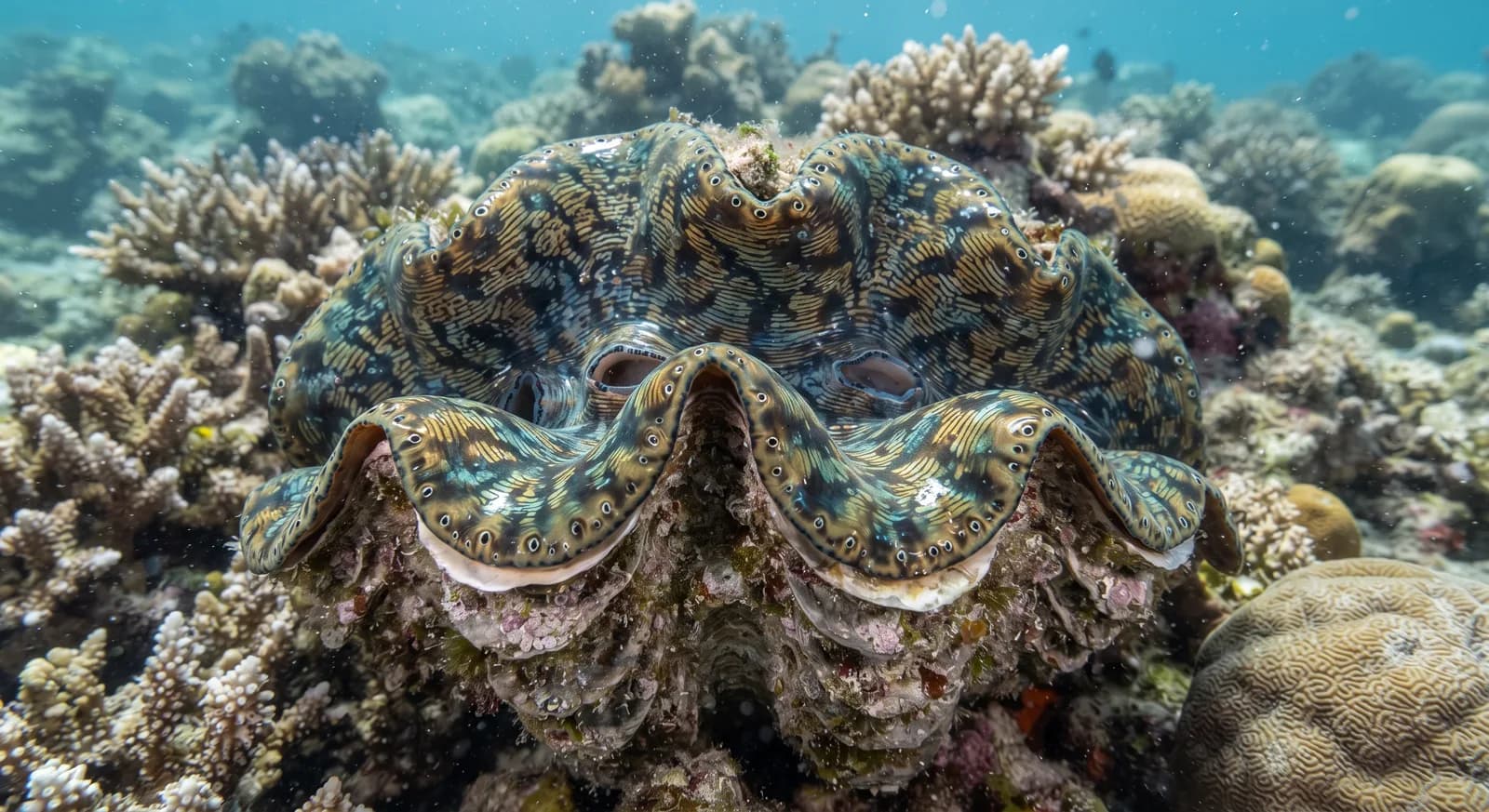
Giant ClamCritically Endangered

Giant Clam

Tridacna gigas

Indian VultureCritically Endangered

Indian Vulture

Gyps indicus

Staghorn CoralCritically Endangered

Staghorn Coral

Acropora cervicornis

GharialCritically Endangered

Gharial

Gavialis gangeticus

Siberian CraneCritically Endangered

Siberian Crane

Leucogeranus leucogeranus

White-winged DuckCritically Endangered

White-winged Duck

Asarcornis scutulata

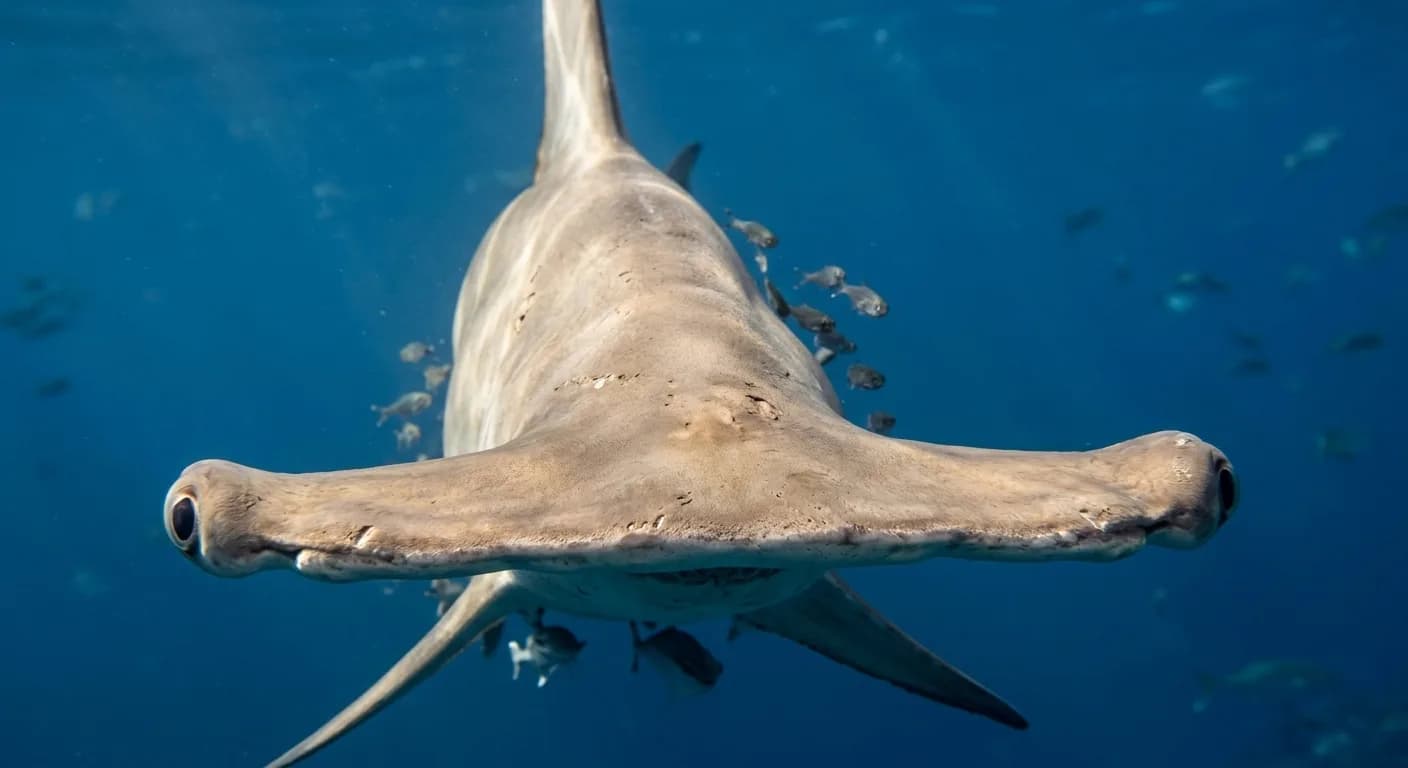
Scalloped HammerheadCritically Endangered

Scalloped Hammerhead

Sphyrna lewini

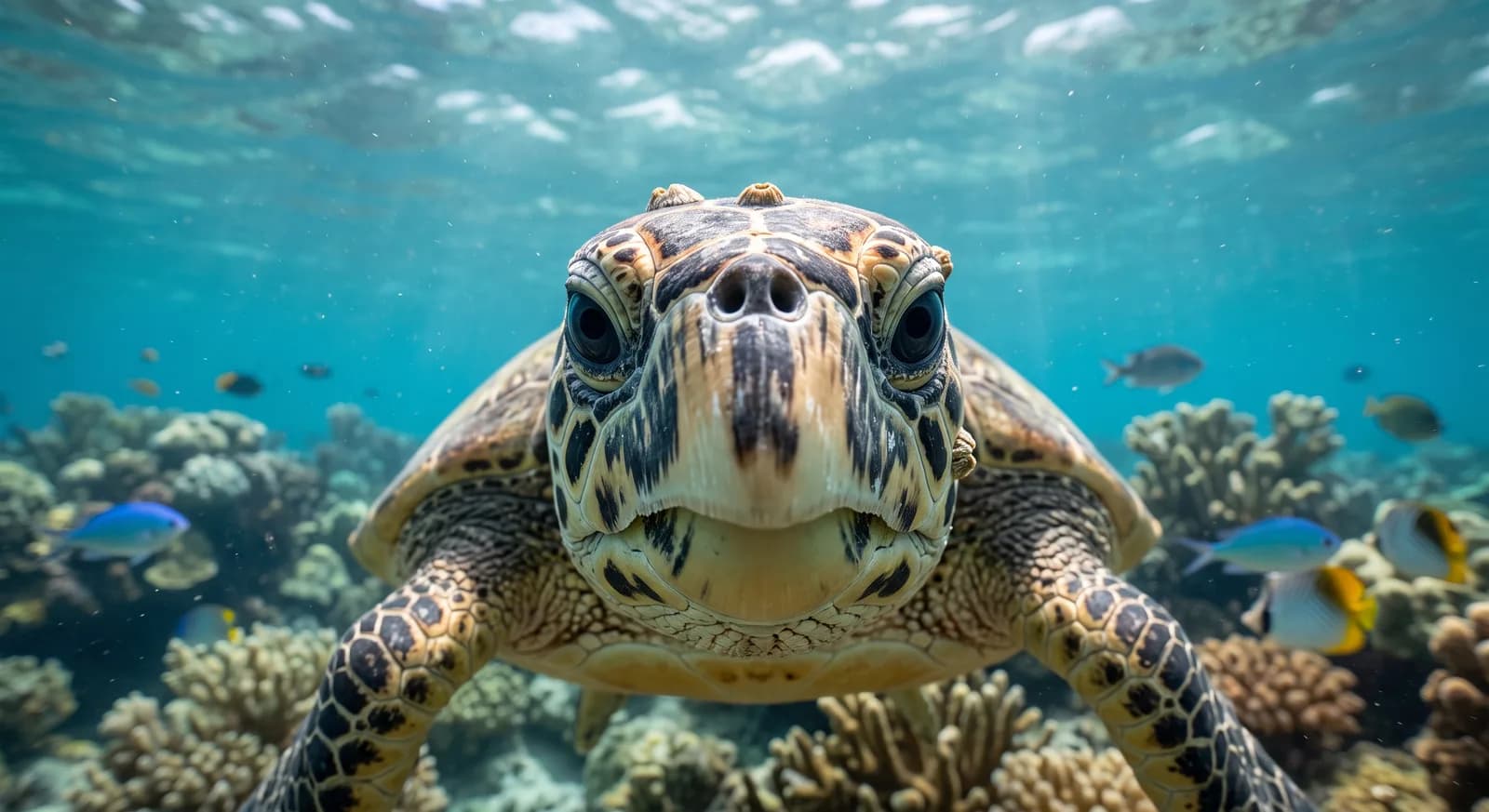
Hawksbill TurtleCritically Endangered

Hawksbill Turtle

Eretmochelys imbricata

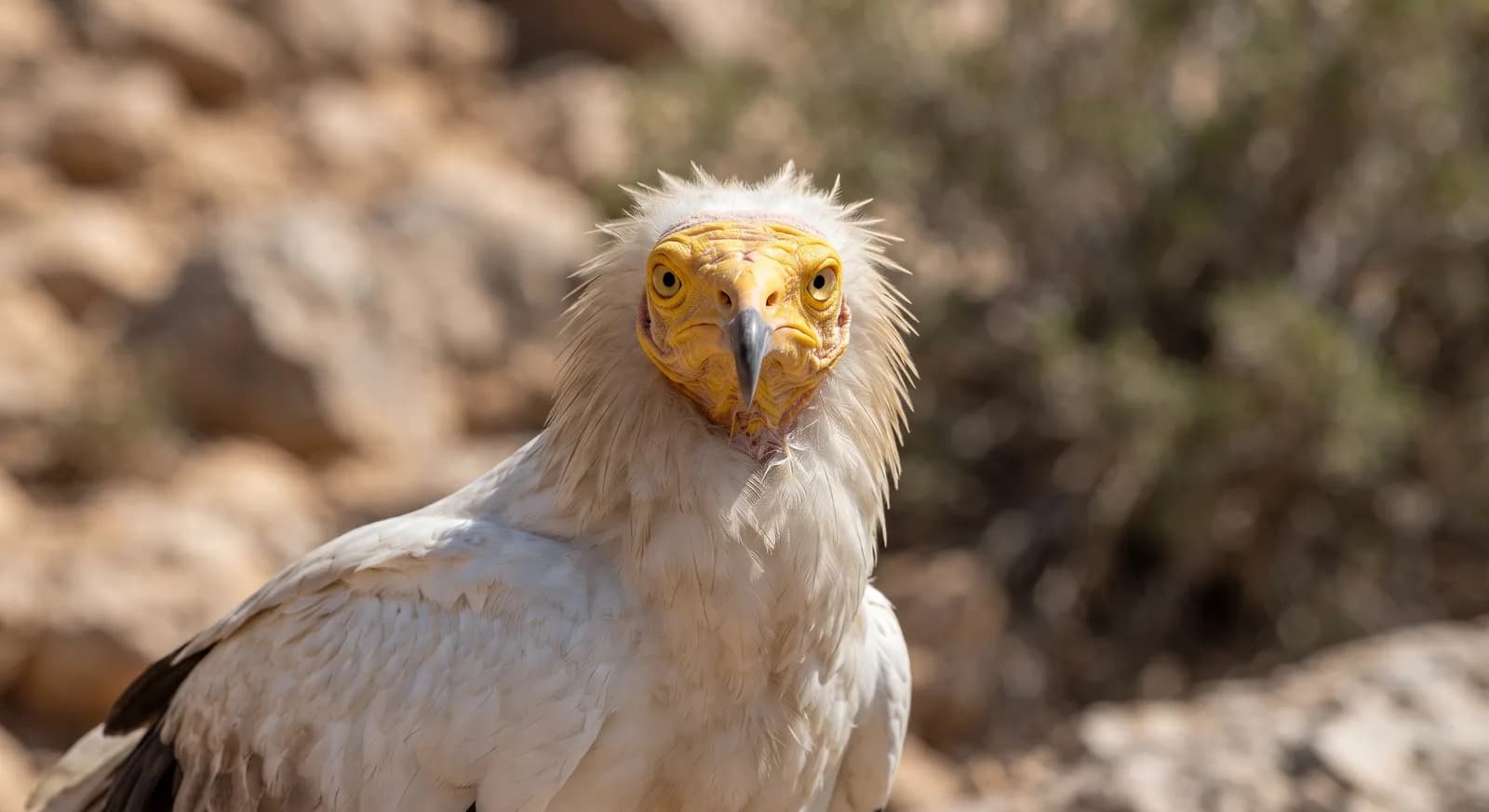
Egyptian VultureEndangered

Egyptian Vulture

Neophron percnopterus

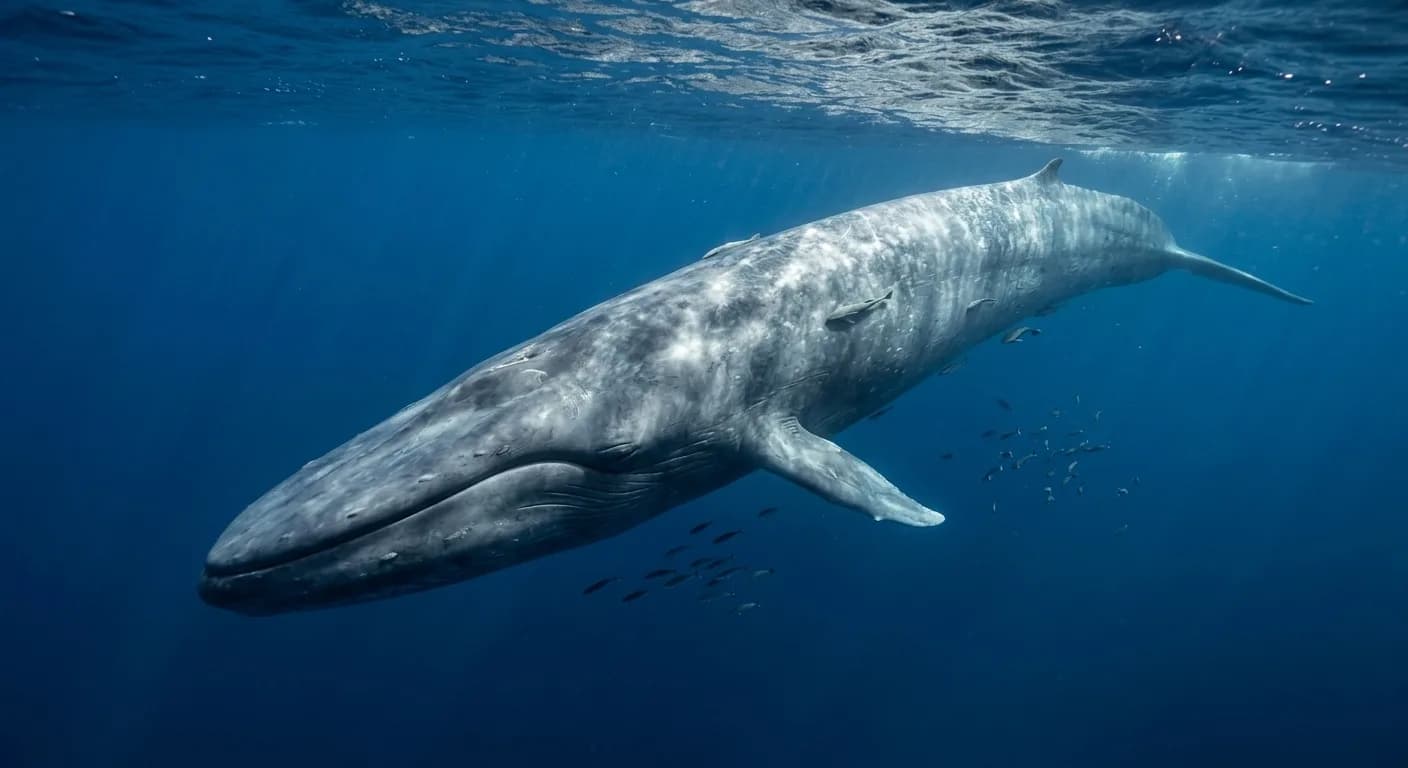
Blue WhaleEndangered

Blue Whale

Balaenoptera musculus

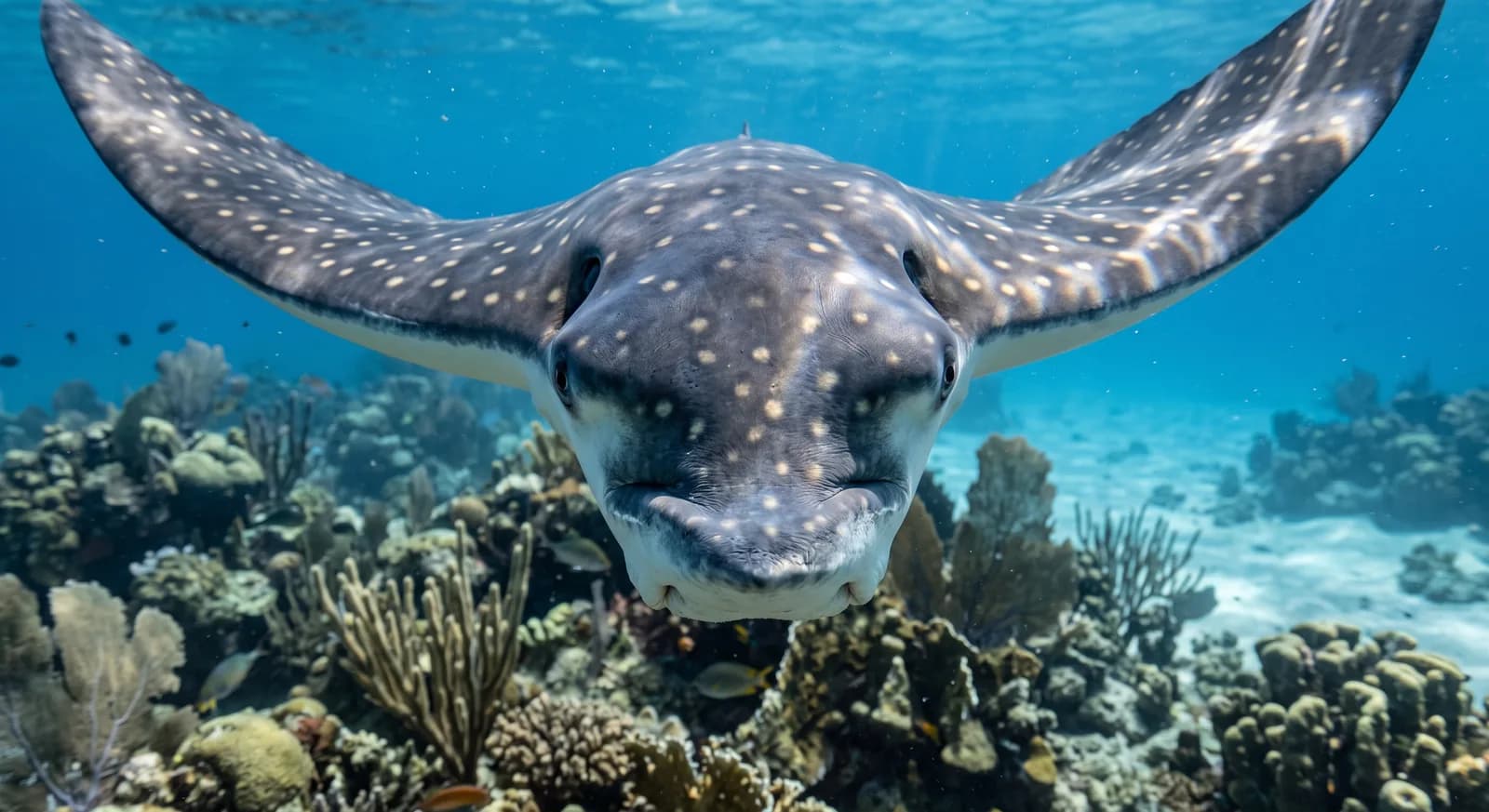
Spotted Eagle RayEndangered

Spotted Eagle Ray

Aetobatus narinari

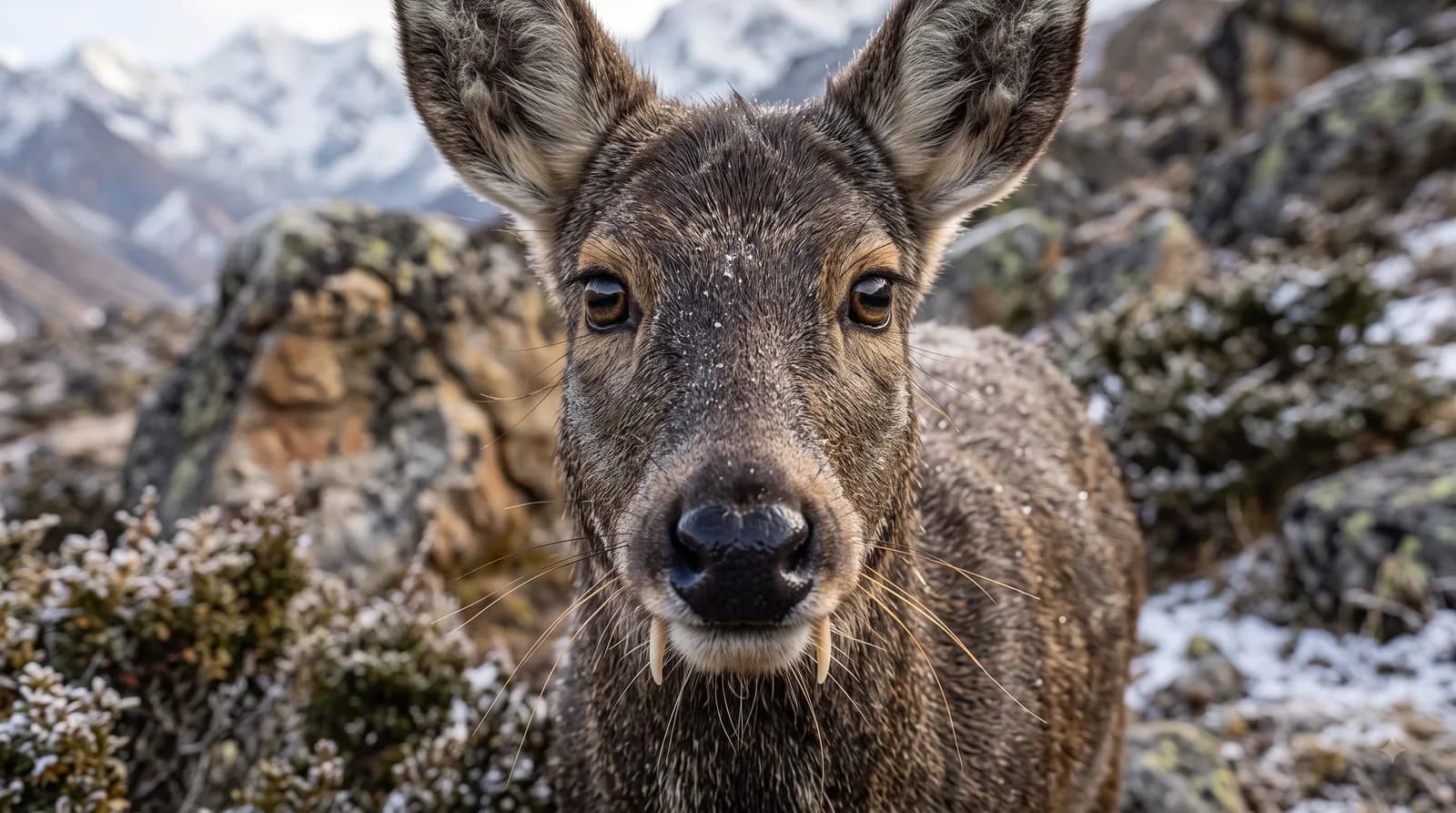
Alpine Musk DeerEndangered

Alpine Musk Deer

Moschus chrysogaster

Page 1 of 32
Rainforest
Desert
Mountain
Ocean