It was on the List of World Heritage in Danger between 1992 and 2011 because of a separatist armed conflict that devastated its wildlife
Area
500 km²
Protection category
IUCN II
Parque nacional —
Designated in
1990
Declared in 1990 and a UNESCO World Heritage Site since 1985, Manas suffered near-total devastation of its wildlife during the Bodo separatist conflict of the 1990s and early 2000s, losing its entire population of Indian rhinoceros, which put it on the List of World Heritage in Danger between 1992 and 2011. Since the peace agreements, a reintroduction programme has gradually brought back the rhino and other key species.
Ecosystems found in India, where Manas lies.
Which other parks are like this one?
Same country: India
Same country: India
Same country: India
Same country: India
Based on what we already know about this park.
Region
South Asia (Assam)
Climate
Tropical, Arid / desert, Polar / cold, Mountain
Best season
November to March
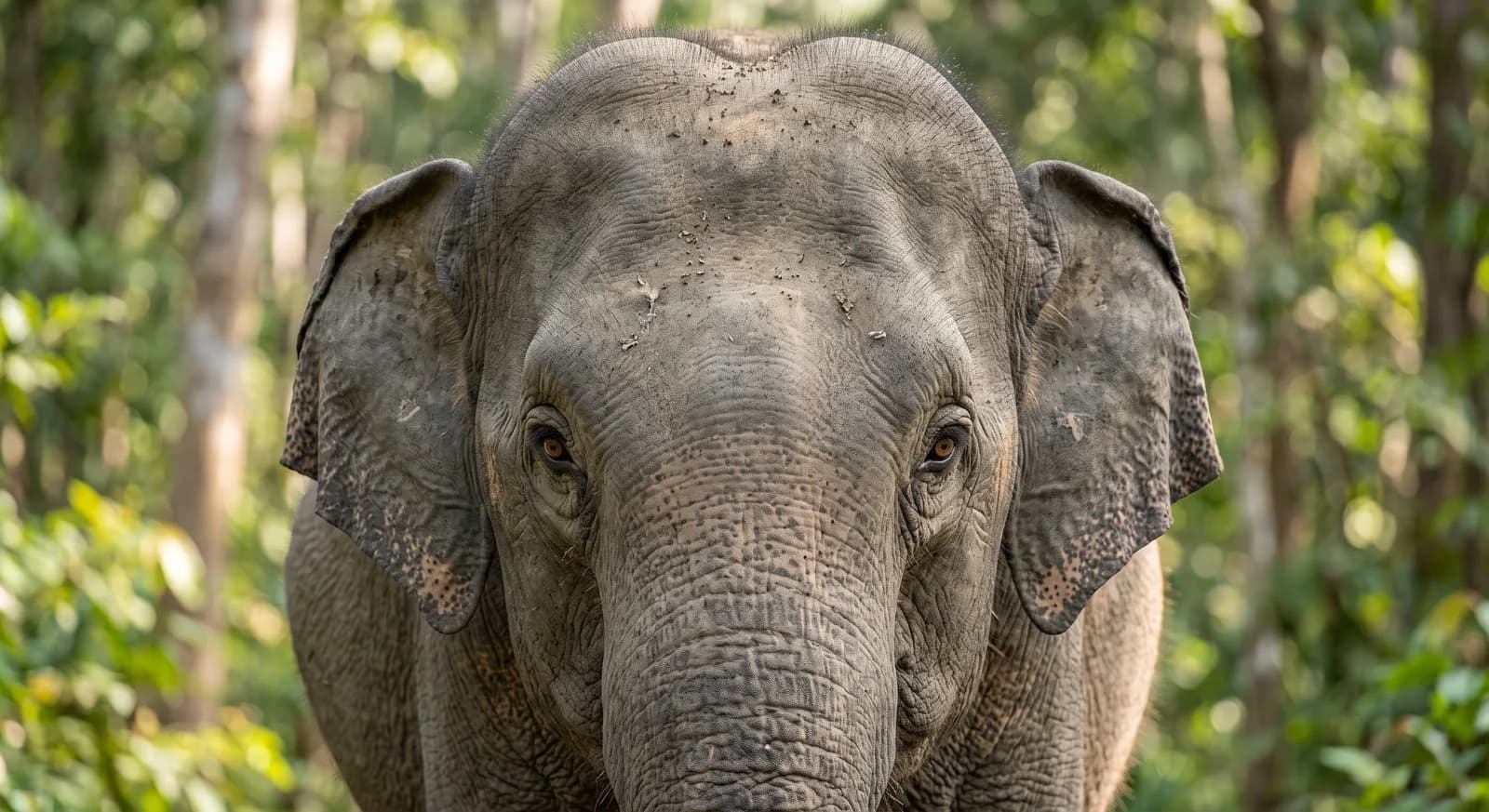
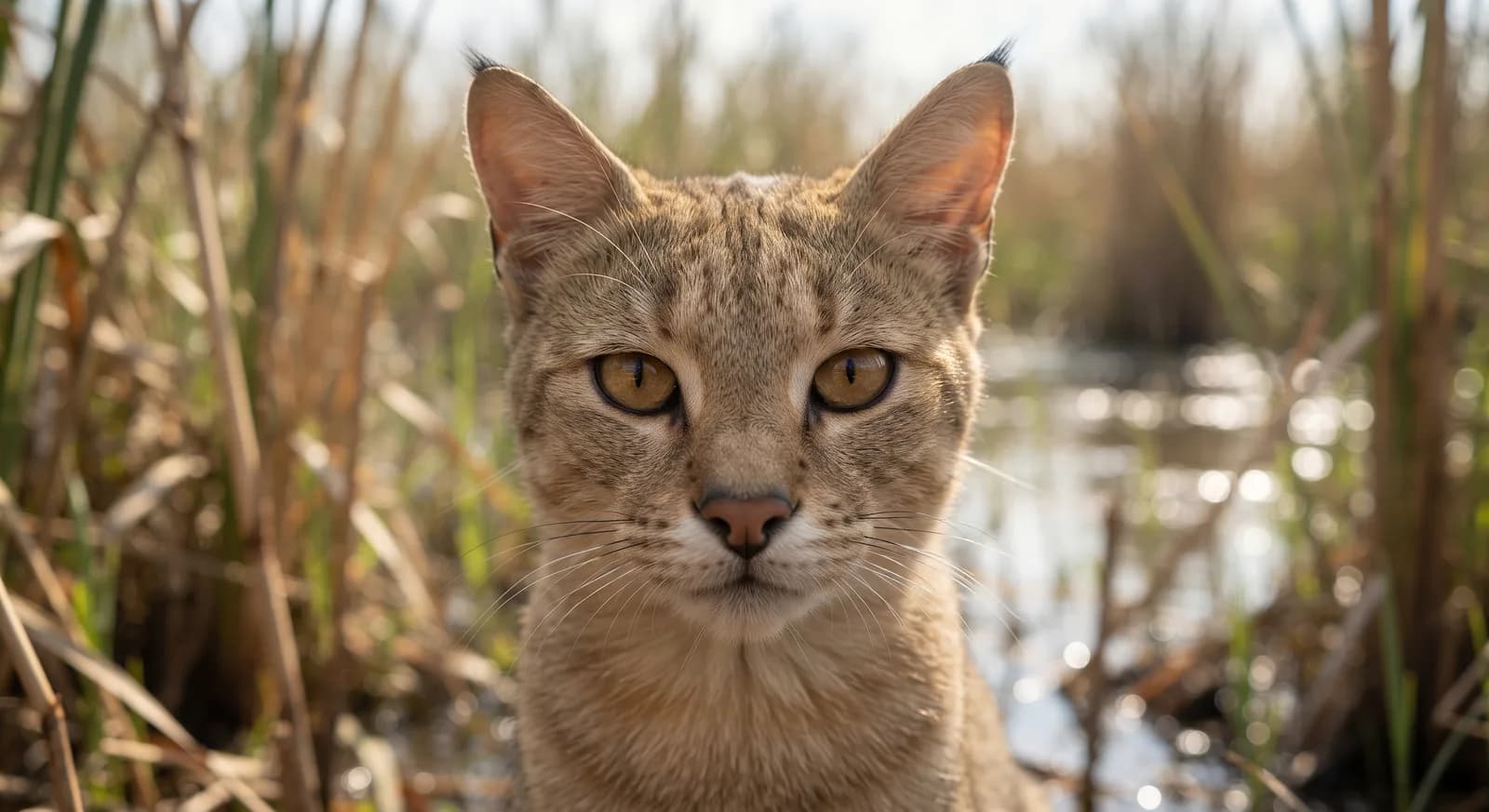
Threatened:Indian Vulture,Great Hornbill,Hog Deer,King Cobra,Asian Elephant,Fishing Cat,Gaur,Sarus Crane,Smooth-coated Otter,Indian Pangolin,Clouded Leopard,White-winged Duckand 8 more
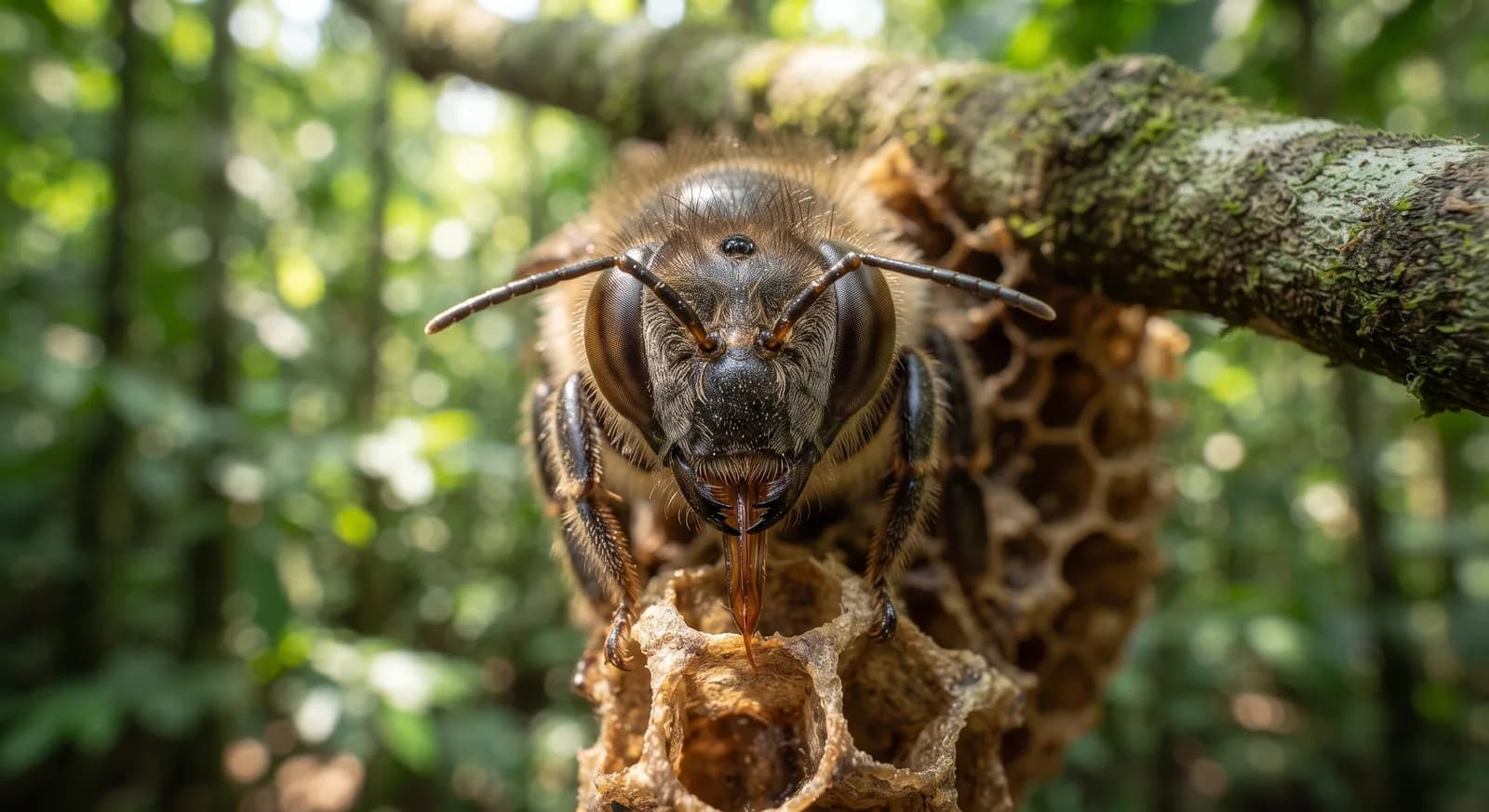
Not EvaluatedGiant Honey Bee
Apis dorsata
Least ConcernMountain Hawk-Eagle
Nisaetus nipalensis
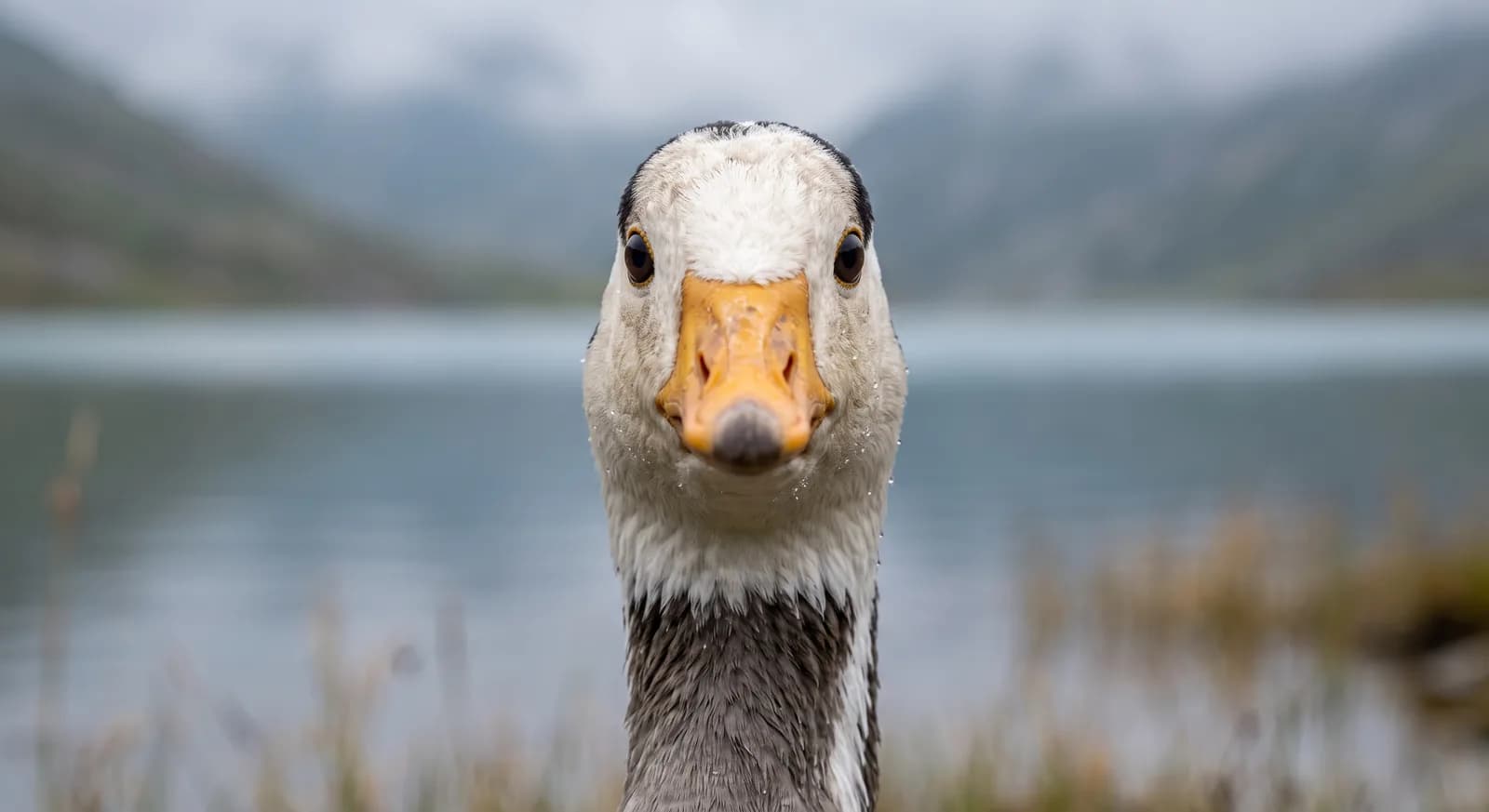
Least ConcernBar-Headed Goose
Anser indicus
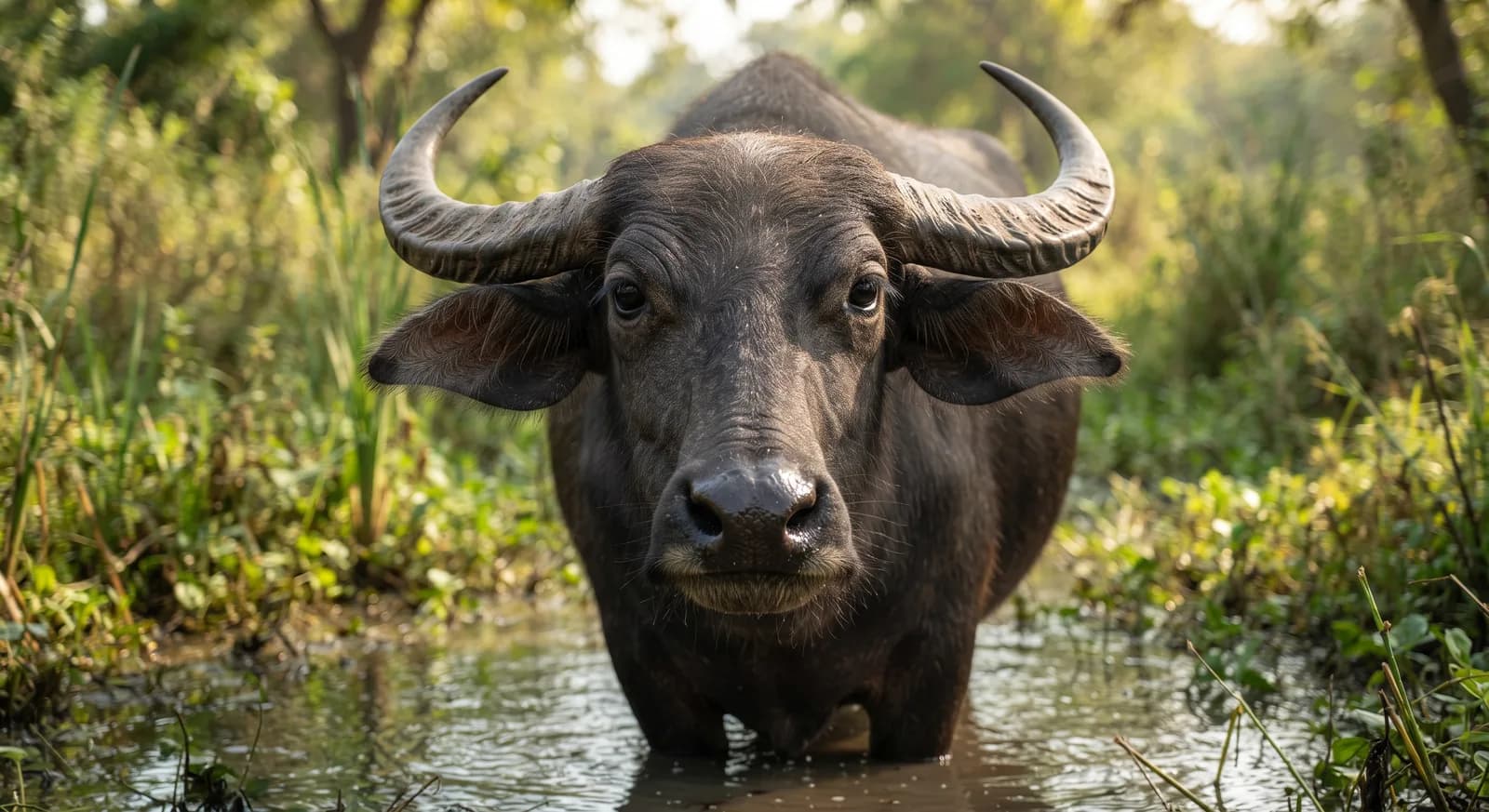
Not EvaluatedWater Buffalo
Bubalus bubalis
Critically EndangeredIndian Vulture
Gyps indicus
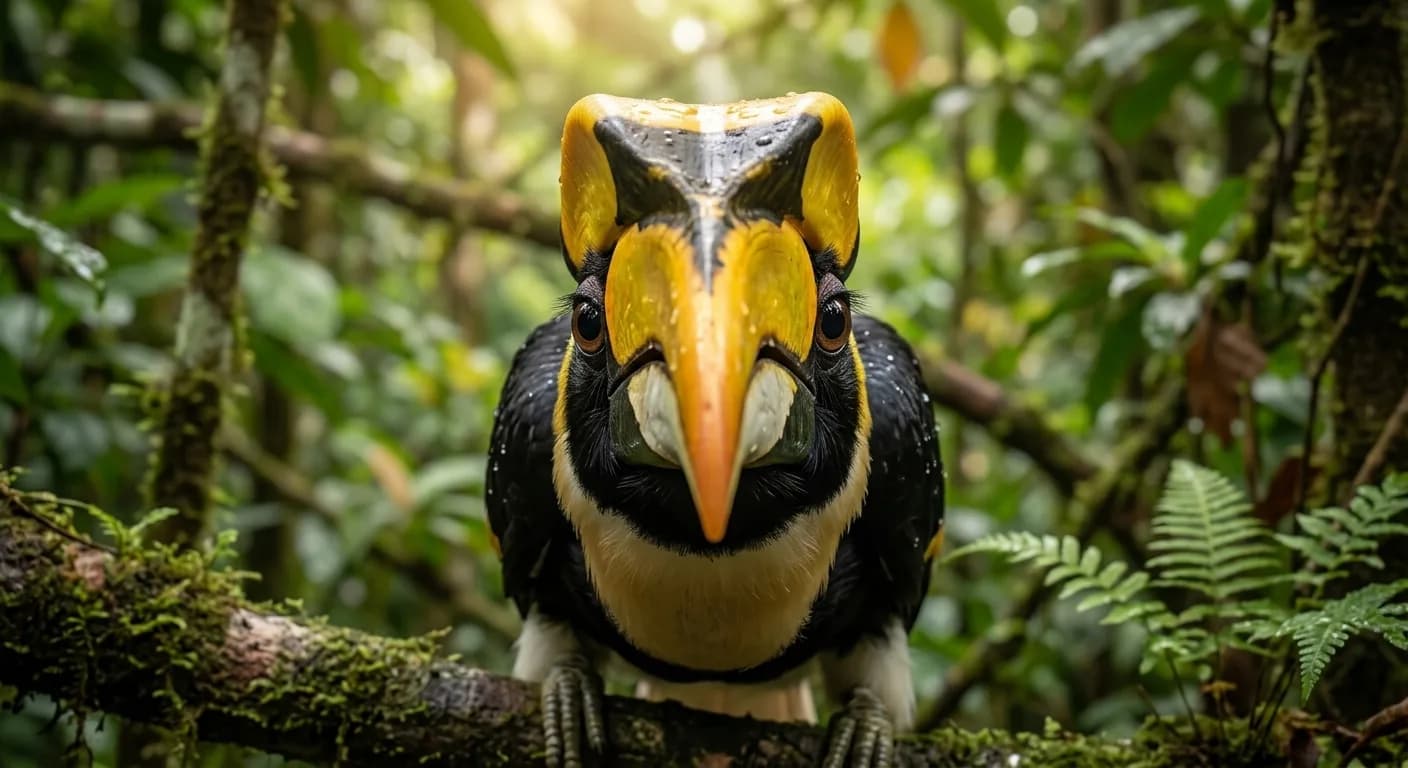
VulnerableGreat Hornbill
Buceros bicornis
EndangeredHog Deer
Axis porcinus
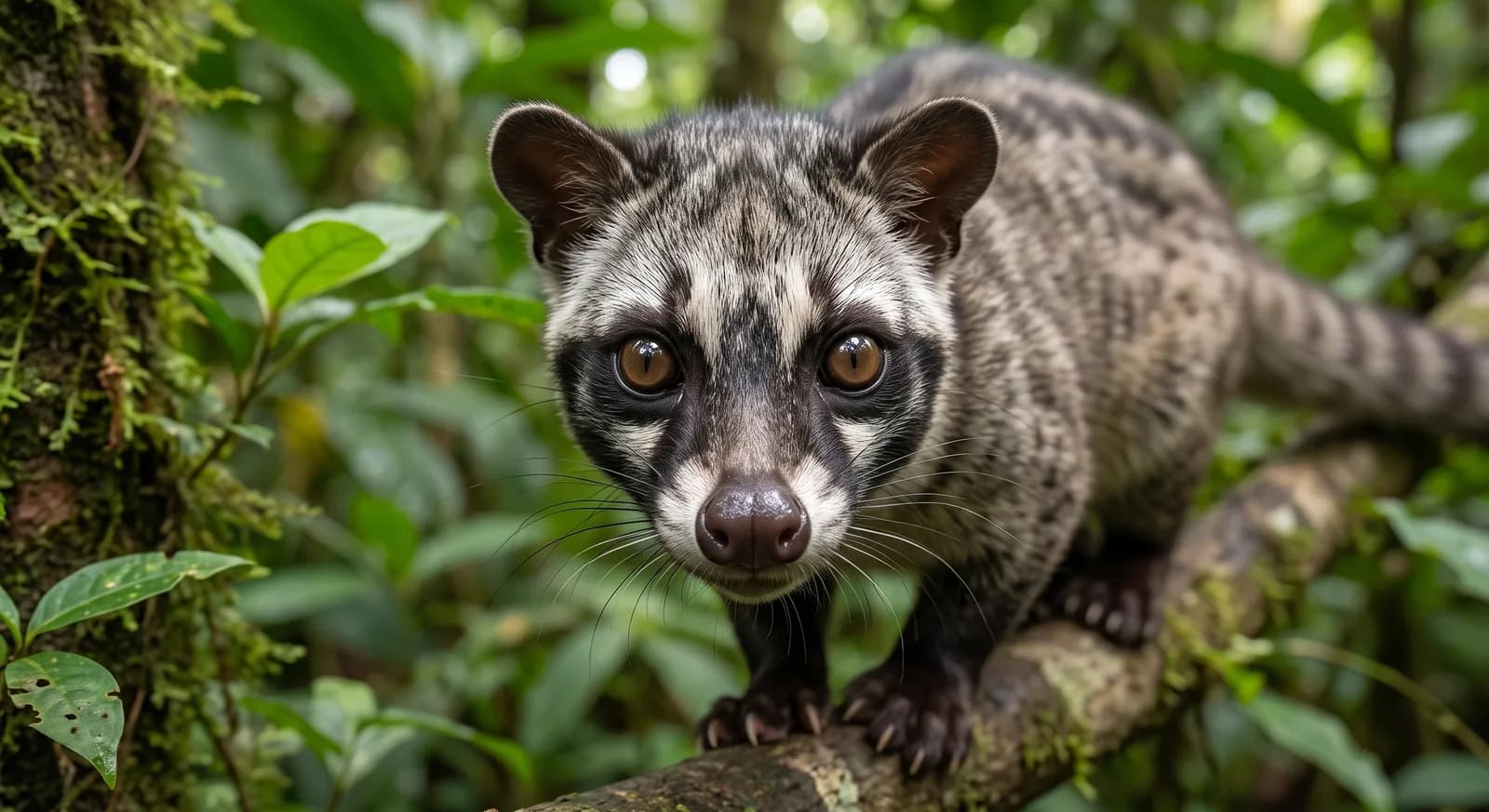
Least ConcernCommon Palm Civet
Paradoxurus hermaphroditus
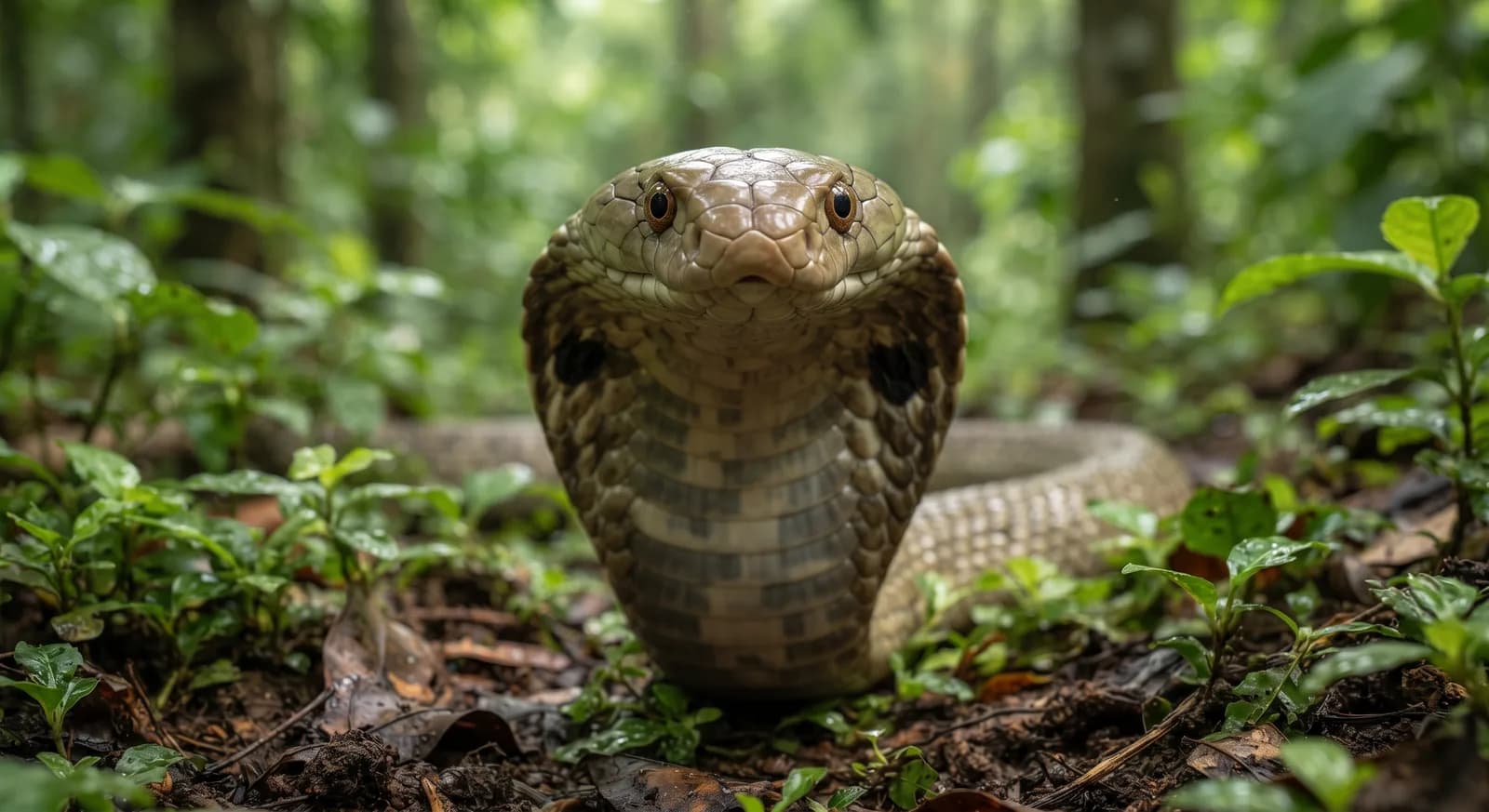
Least ConcernMonocled Cobra
Naja kaouthia
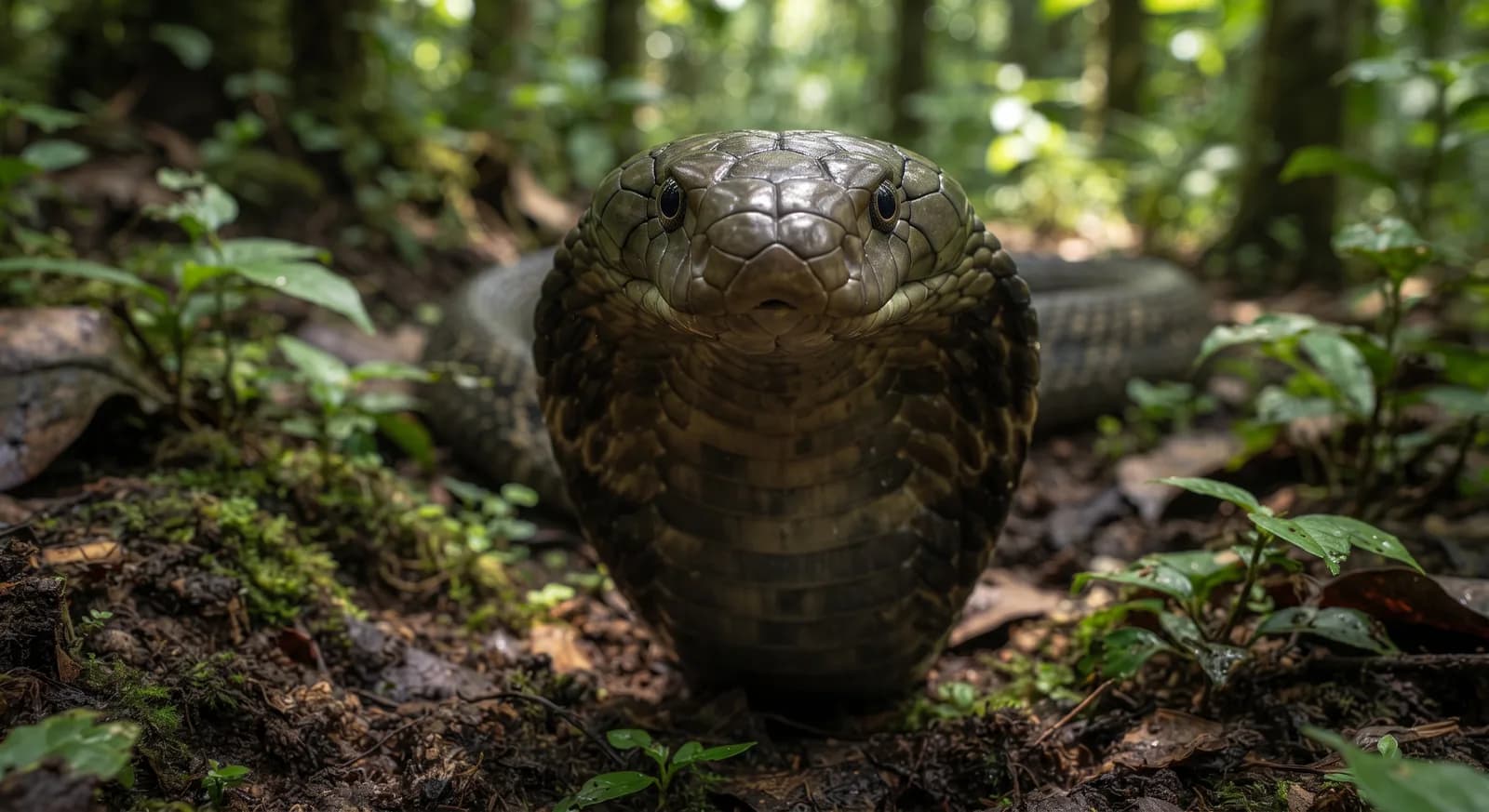
VulnerableKing Cobra
Ophiophagus hannah
EndangeredAsian Elephant
Elephas maximus
Least ConcernJungle Cat
Felis chaus