The largest mangrove forest in the world, shared with Bangladesh; the only place where tigers swim between islands
Area
1,330 km²
Designated in
1984
Region
South Asia (West Bengal)
Declared in 1984, it protects the Indian portion of the largest continuous mangrove forest in the world, which carries on into Bangladesh to form a transboundary ecosystem of more than 10,000 km². It is the only known habitat where the Bengal tiger has taken to swimming long distances between islands to hunt, occasionally taking marine prey — behaviour seen in no other population of the species. Living day to day alongside tigers that sometimes come into the villages has produced a distinctive cultural relationship, with rituals and protective deities shared between the Hindus and Muslims of the region.
Ecosystems found in India, where Sundarbans lies.
Which other parks are like this one?
Same country: India
Same country: India
Same country: India
Same country: India
Based on what we already know about this park.
Share your experience visiting Sundarbans, or a tip for other travellers.
Be the first to comment.
Climate
Tropical, Arid / desert, Polar / cold, Mountain
Best season
November to March
Route duration
3–5 days
Route difficulty
Moderate
Plan your visit
Threatened:King Cobra,Ganges River Dolphin,Irrawaddy Dolphin,Indo-Pacific Humpback Dolphin,Fishing Cat,Smooth-coated Otter,Bengal Tiger,Oriental Small-clawed Otter,Northern River Terrapin
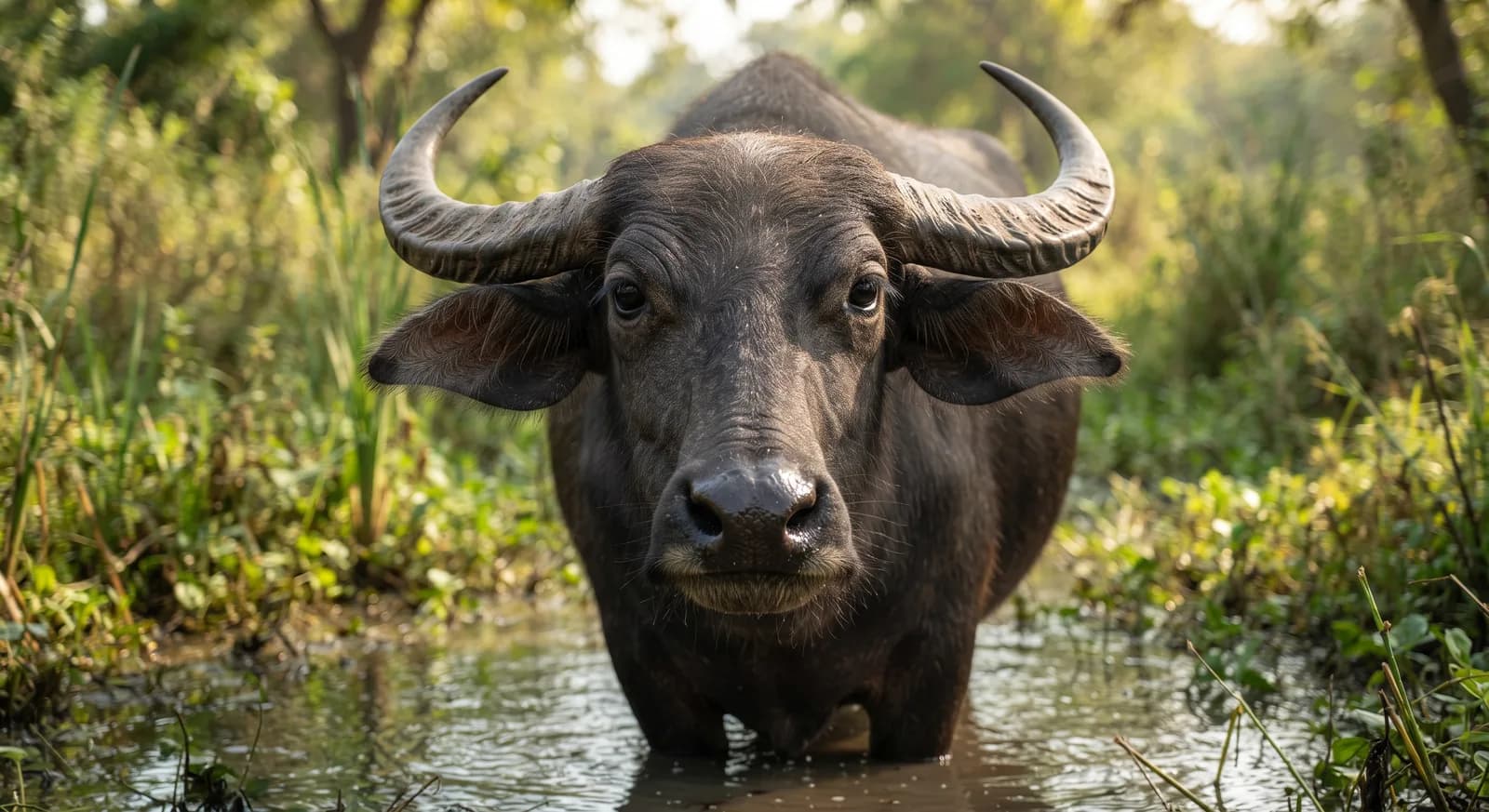
Not EvaluatedWater Buffalo
Bubalus bubalis
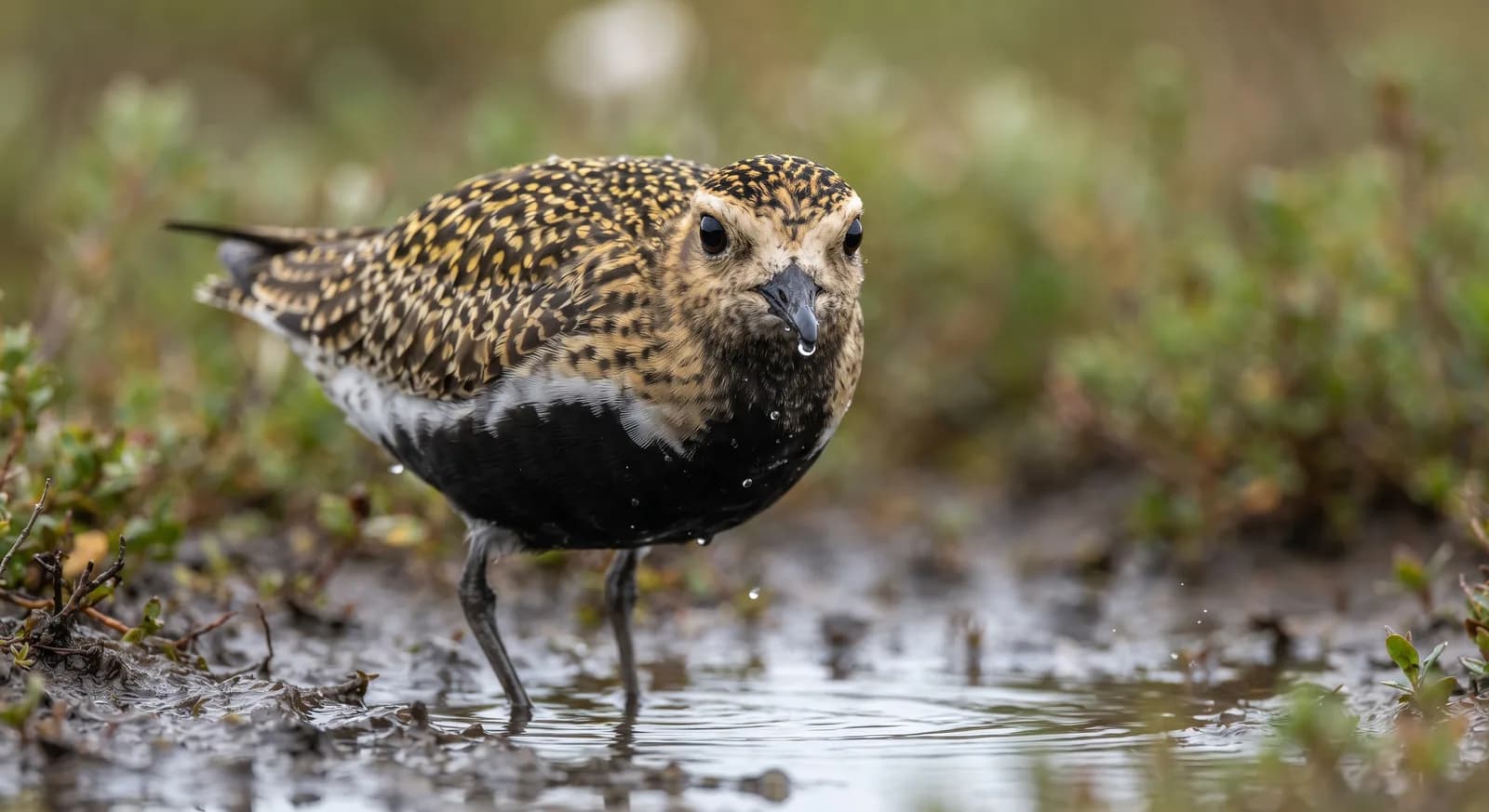
Least ConcernPacific Golden Plover
Pluvialis fulva
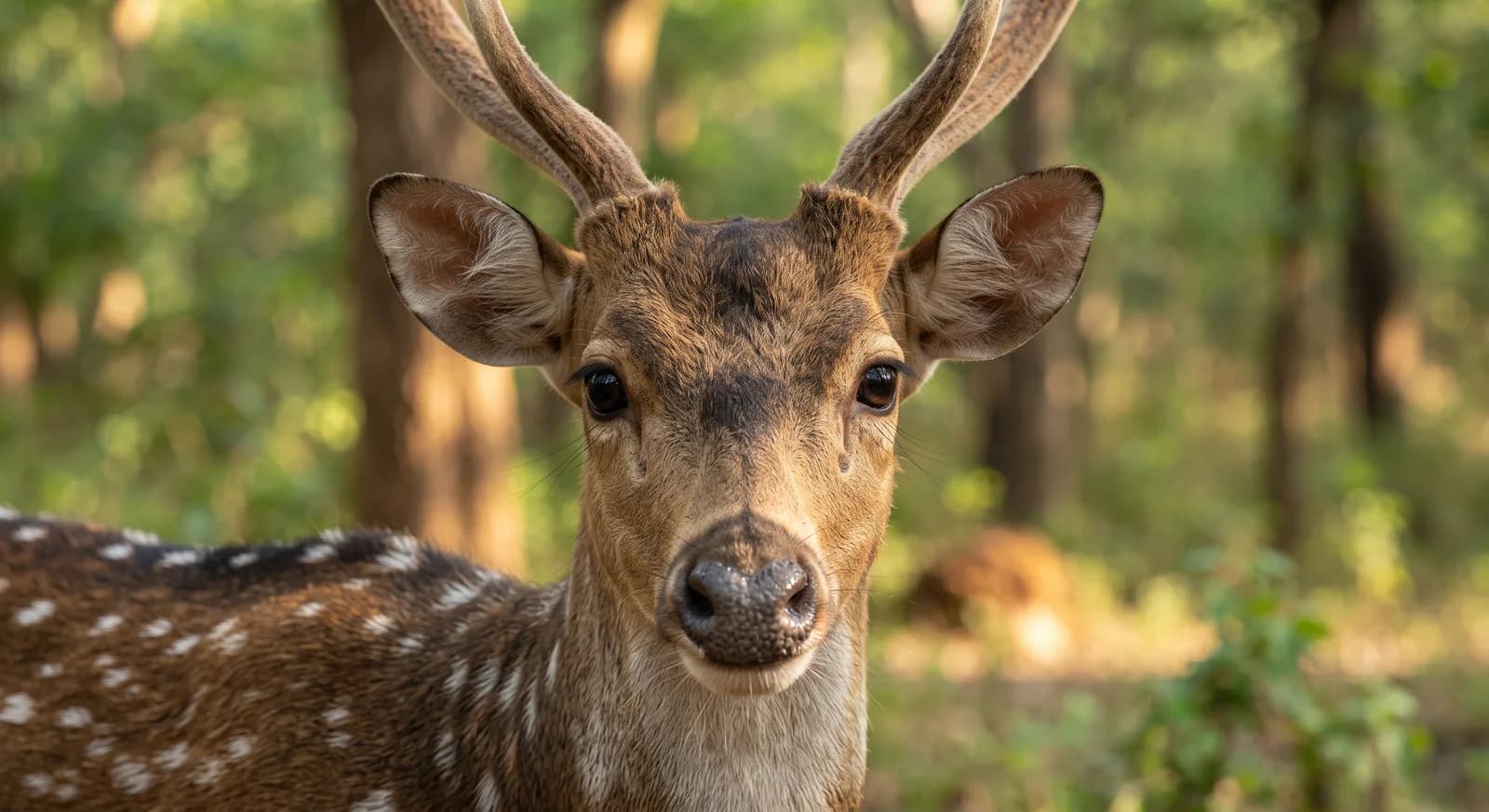
Least ConcernChital
Axis axis
Least ConcernMonocled Cobra
Naja kaouthia
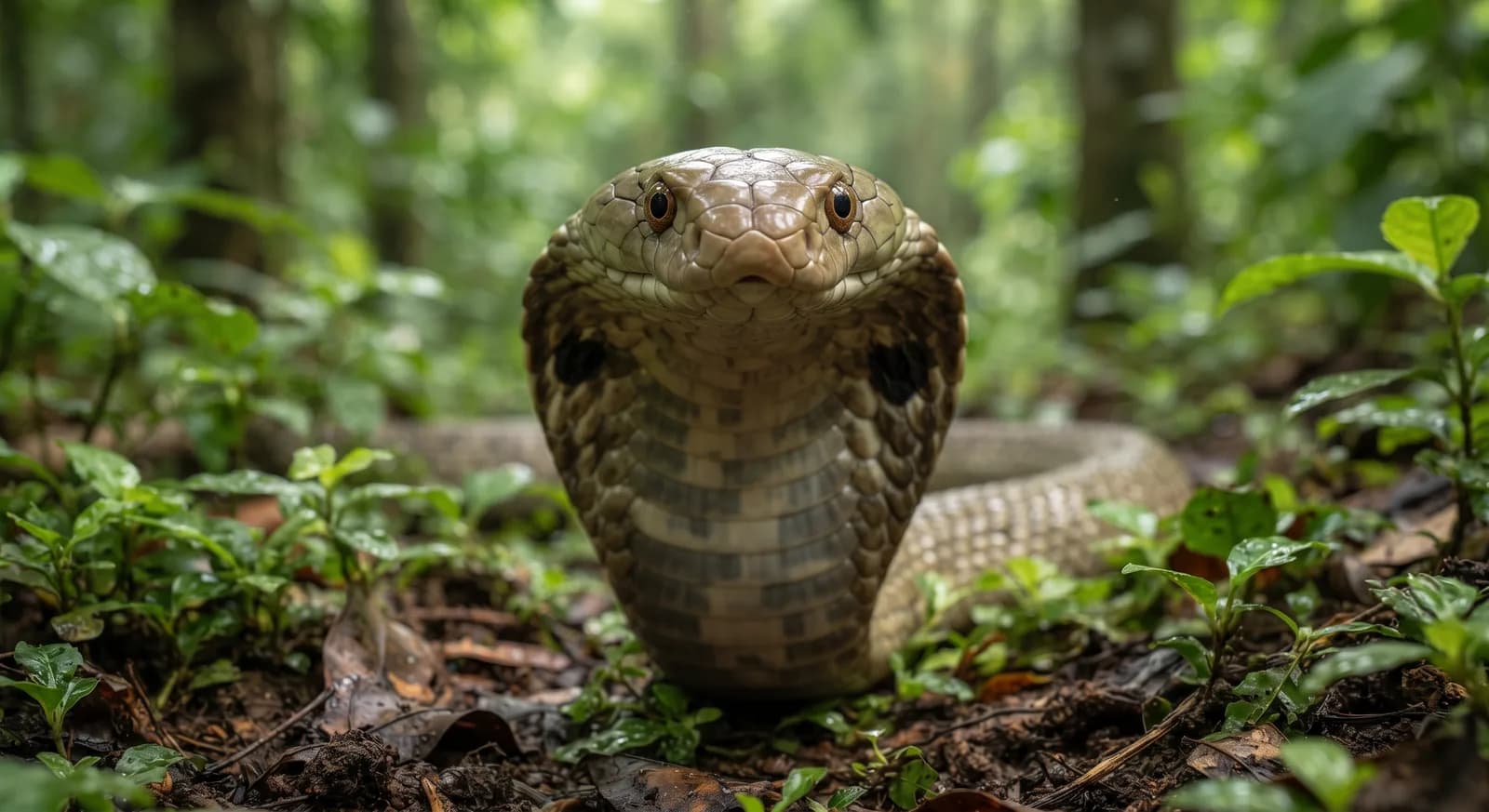
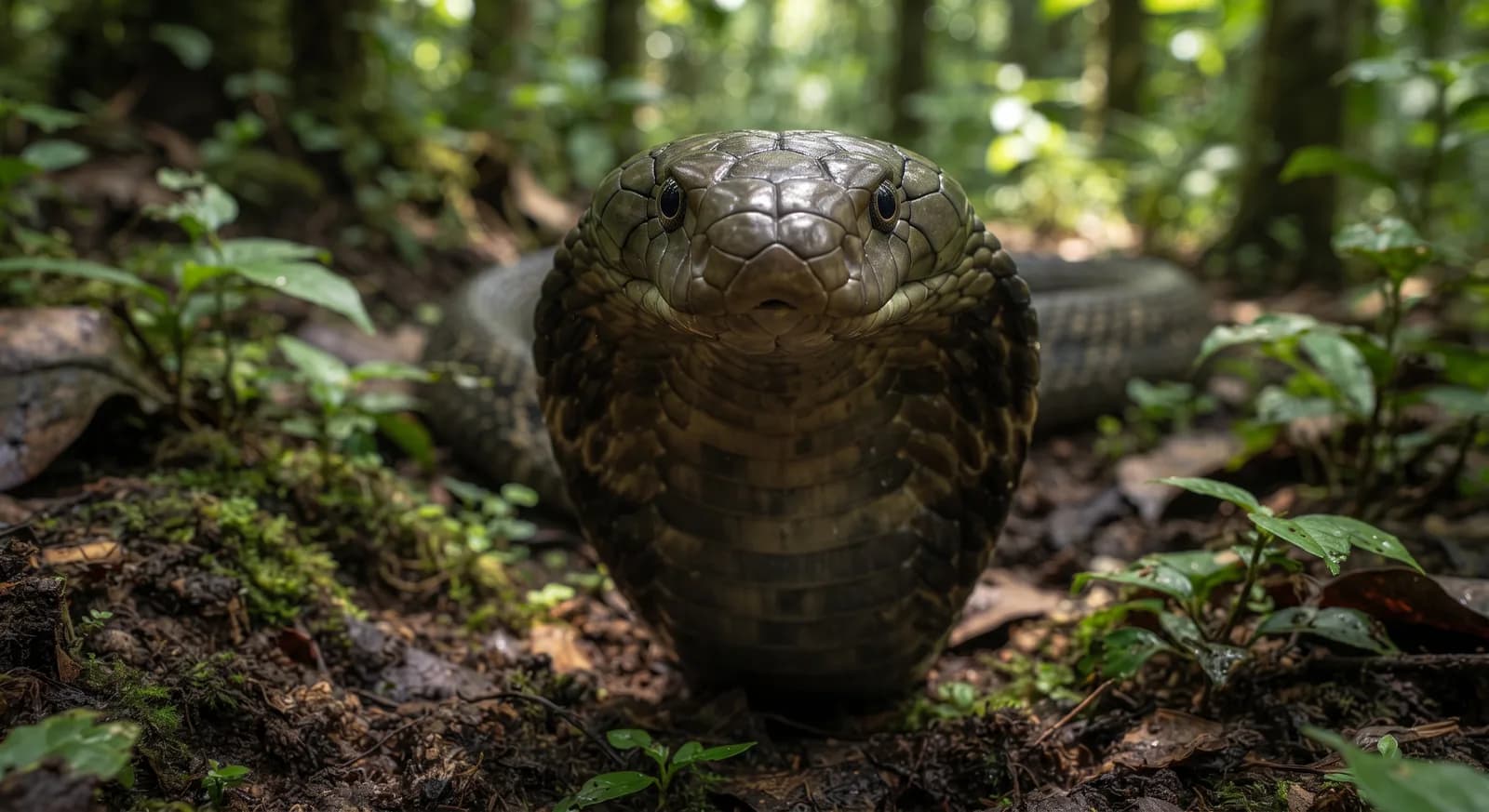
VulnerableKing Cobra
Ophiophagus hannah
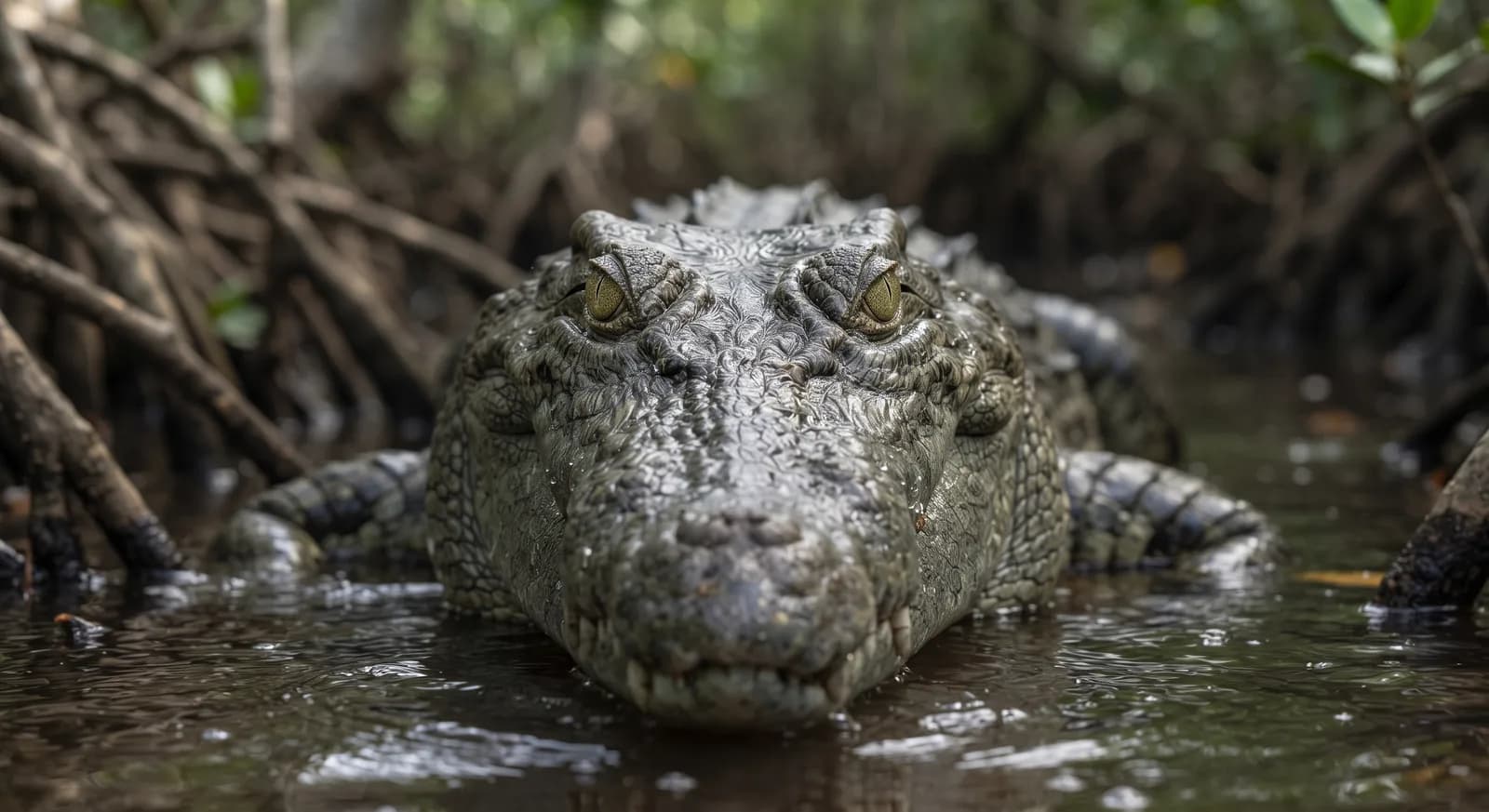
Least ConcernSaltwater Crocodile
Crocodylus porosus
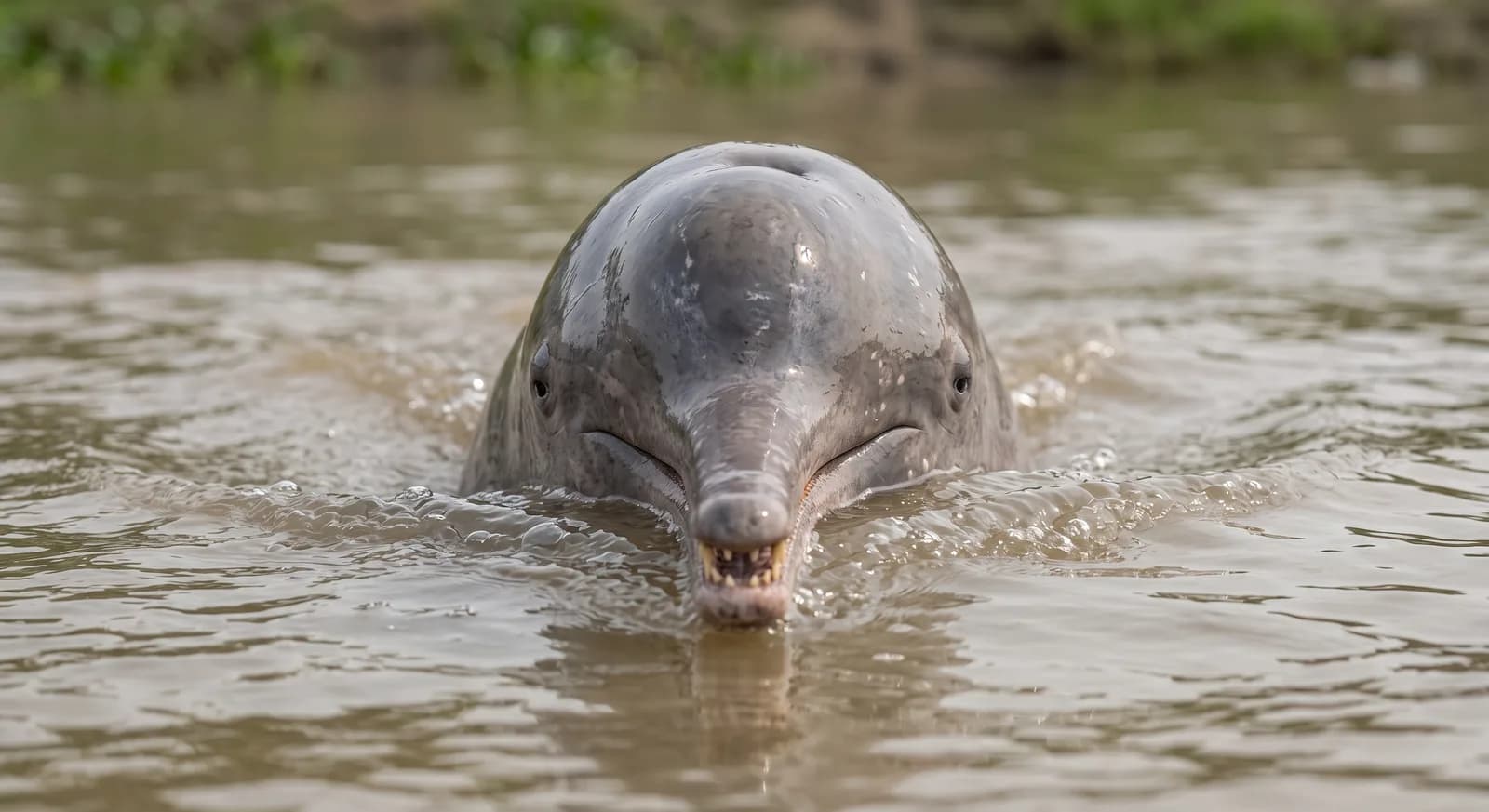
EndangeredGanges River Dolphin
Platanista gangetica
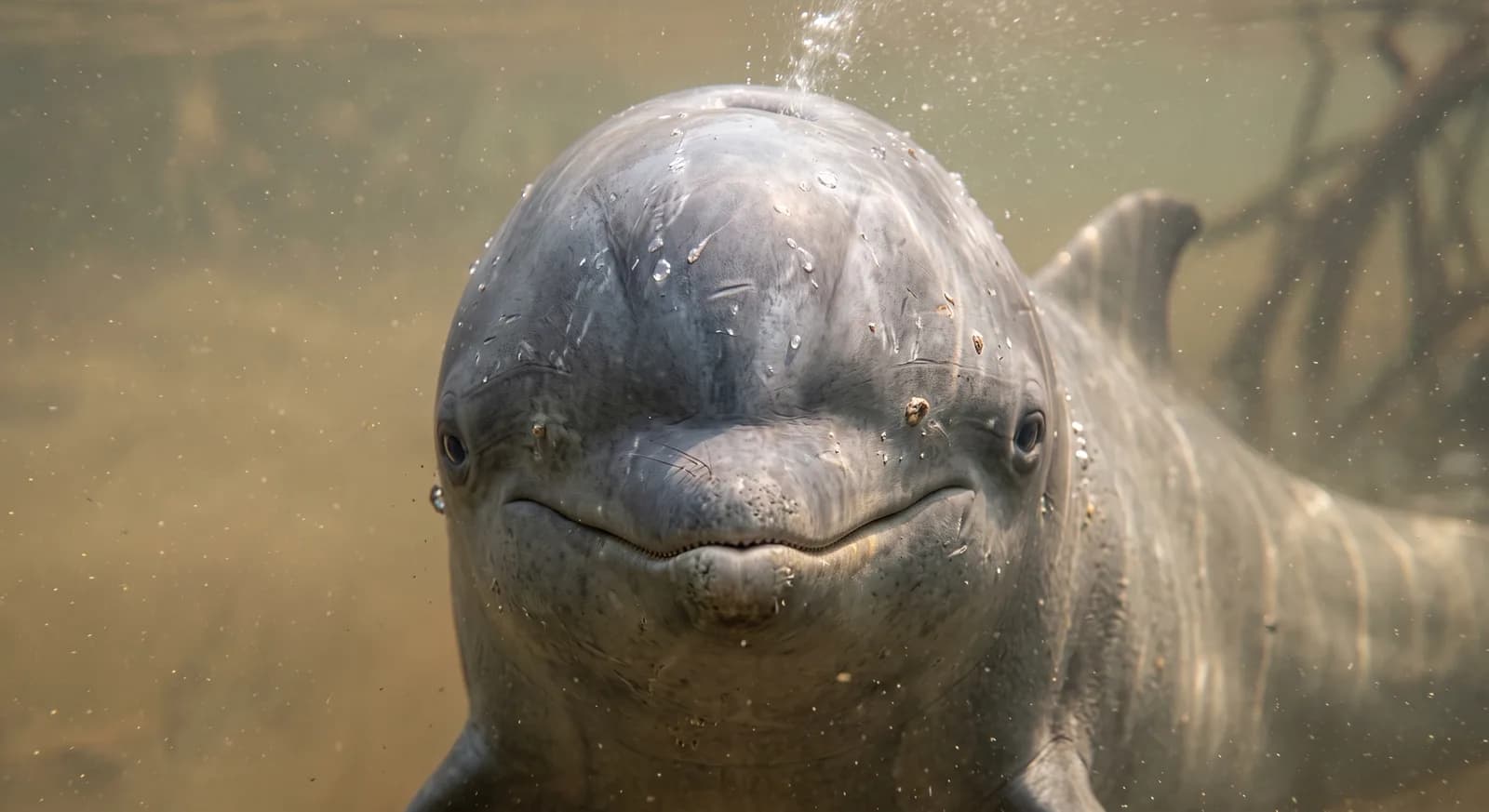
EndangeredIrrawaddy Dolphin
Orcaella brevirostris
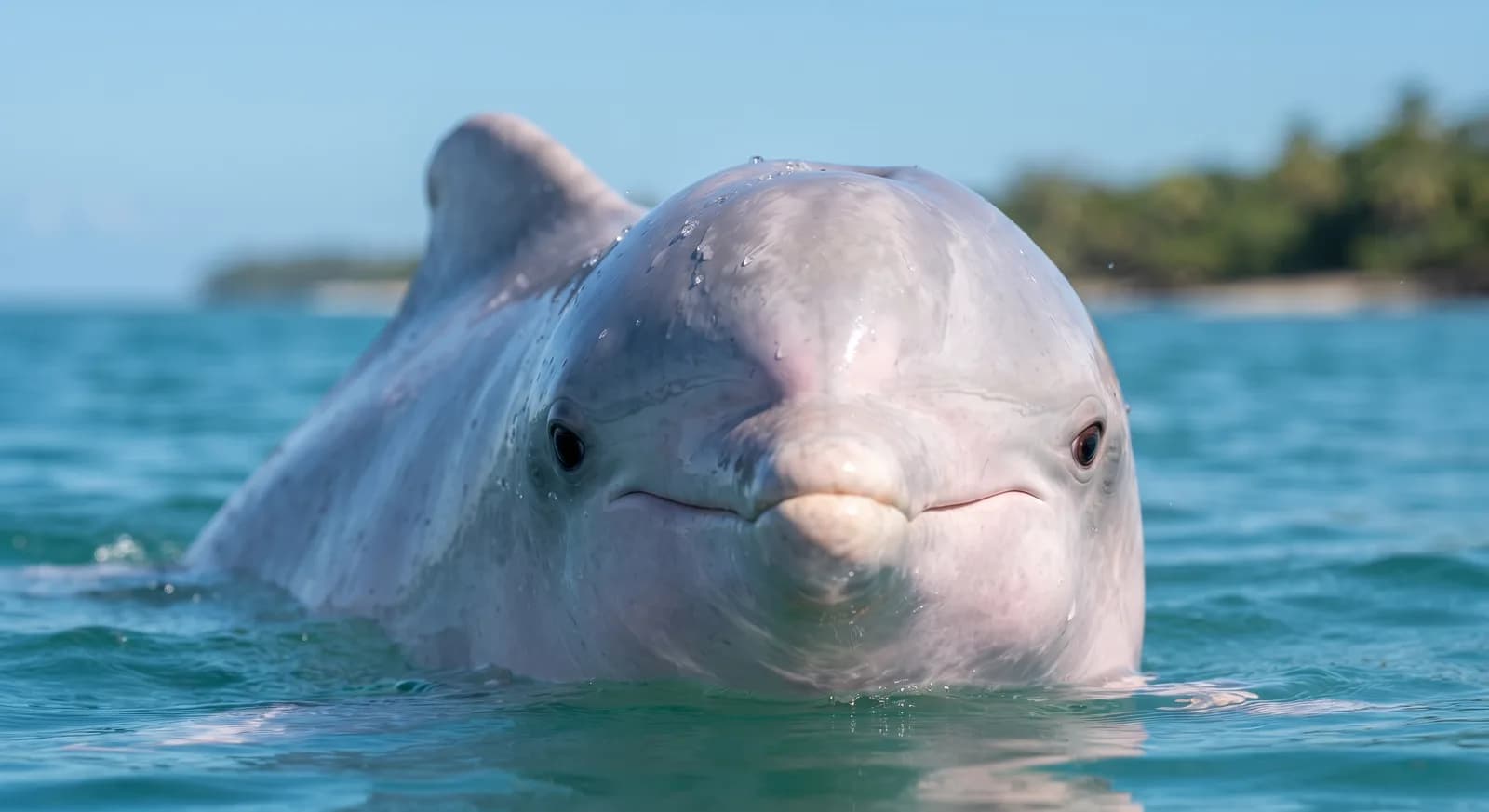
VulnerableIndo-Pacific Humpback Dolphin
Sousa chinensis
VulnerableFishing Cat
Prionailurus viverrinus
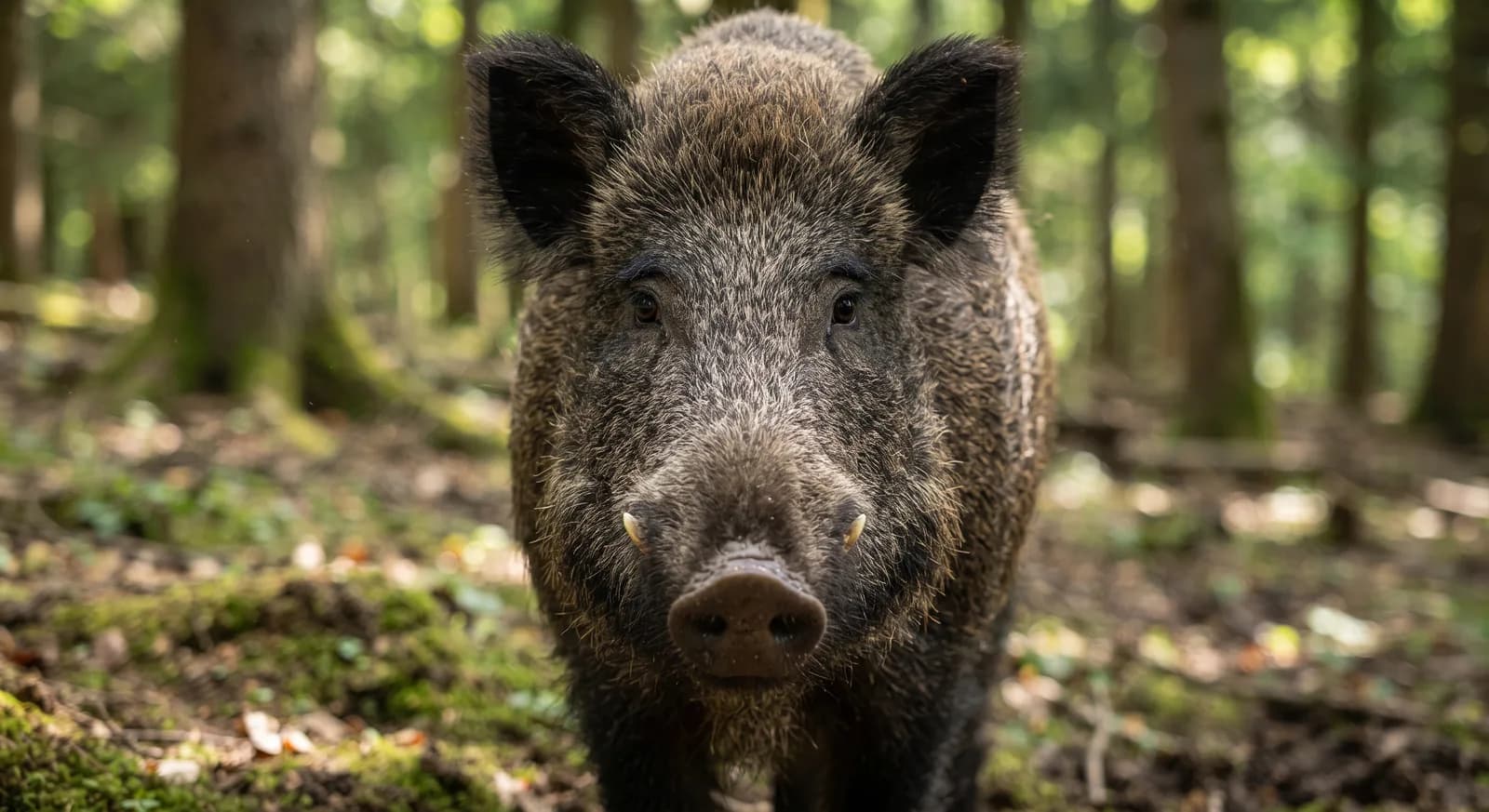
Least ConcernWild Boar
Sus scrofa
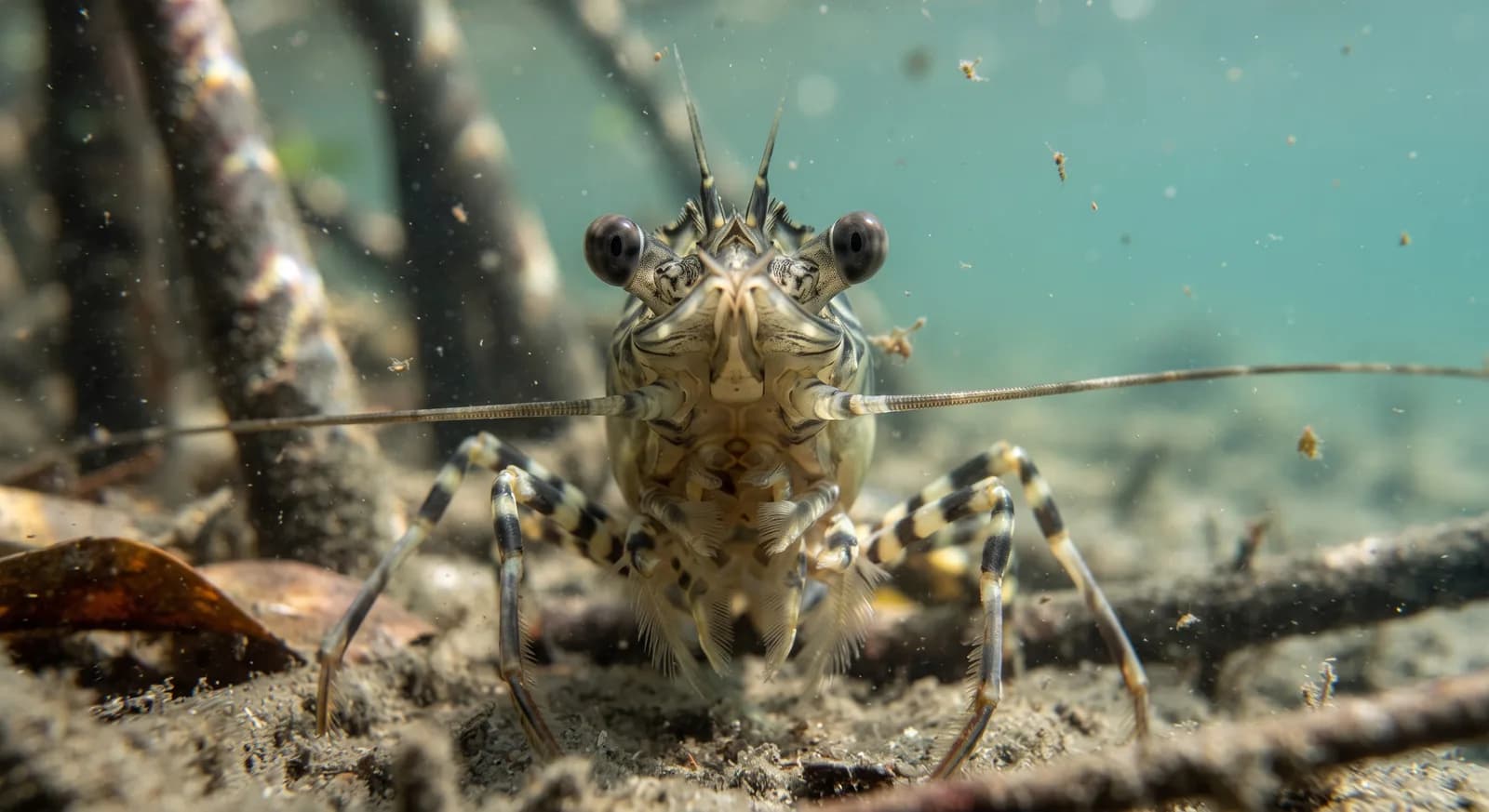
Not EvaluatedAsian Tiger Shrimp
Penaeus monodon