Once the hunting ground of the maharajas of Jaipur, today one of the best places in the world to photograph wild tigers
Area
392 km²
Protection category
IUCN II
Parque nacional —
Designated in
1980
It was the private hunting ground of the maharajas of Jaipur well into the 20th century, and the ruins of a 10th-century fort crowning the park — Ranthambore Fort — recall that feudal past at every turn. Declared a sanctuary in 1955, it joined Project Tiger in 1973 and became a national park in 1980. Its relatively open landscape, dotted with lakes and ruins wrapped in strangler figs, has made it one of the most reliable places in the world to watch and photograph wild tigers in broad daylight, which is exceptional given how shy the species usually is.
Threatened:
Ecosystems found in India, where Ranthambore lies.
Which other parks are like this one?
Same country: India
Same country: India
Same country: India
Same country: India
Based on what we already know about this park.
Region
South Asia (Rajasthan)
Climate
Tropical, Arid / desert, Polar / cold, Mountain
Best season
November to March
Route duration
2–3 days
Route difficulty
Moderate
Plan your visit
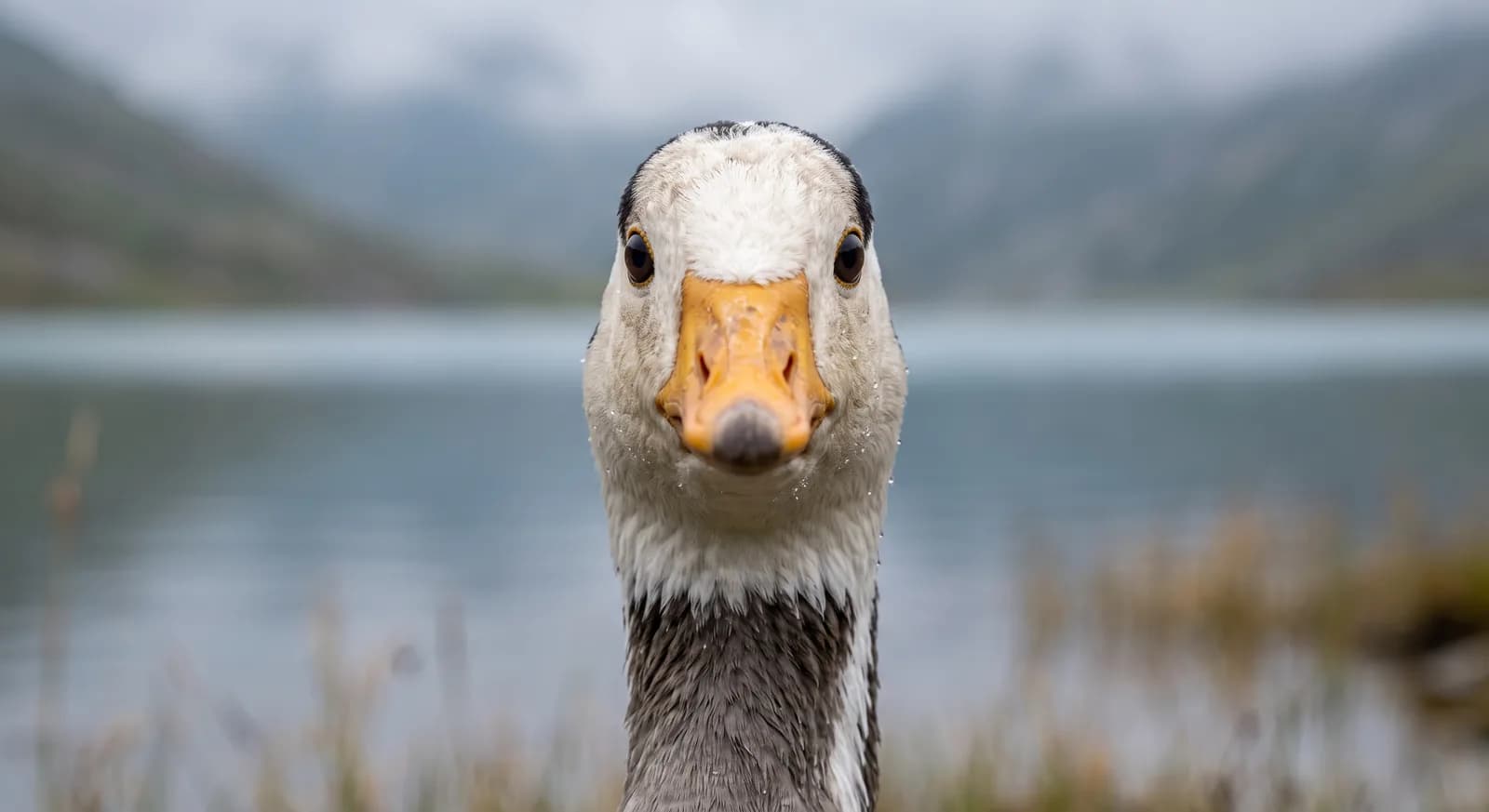
Least ConcernBar-Headed Goose
Anser indicus
Critically EndangeredIndian Vulture
Gyps indicus
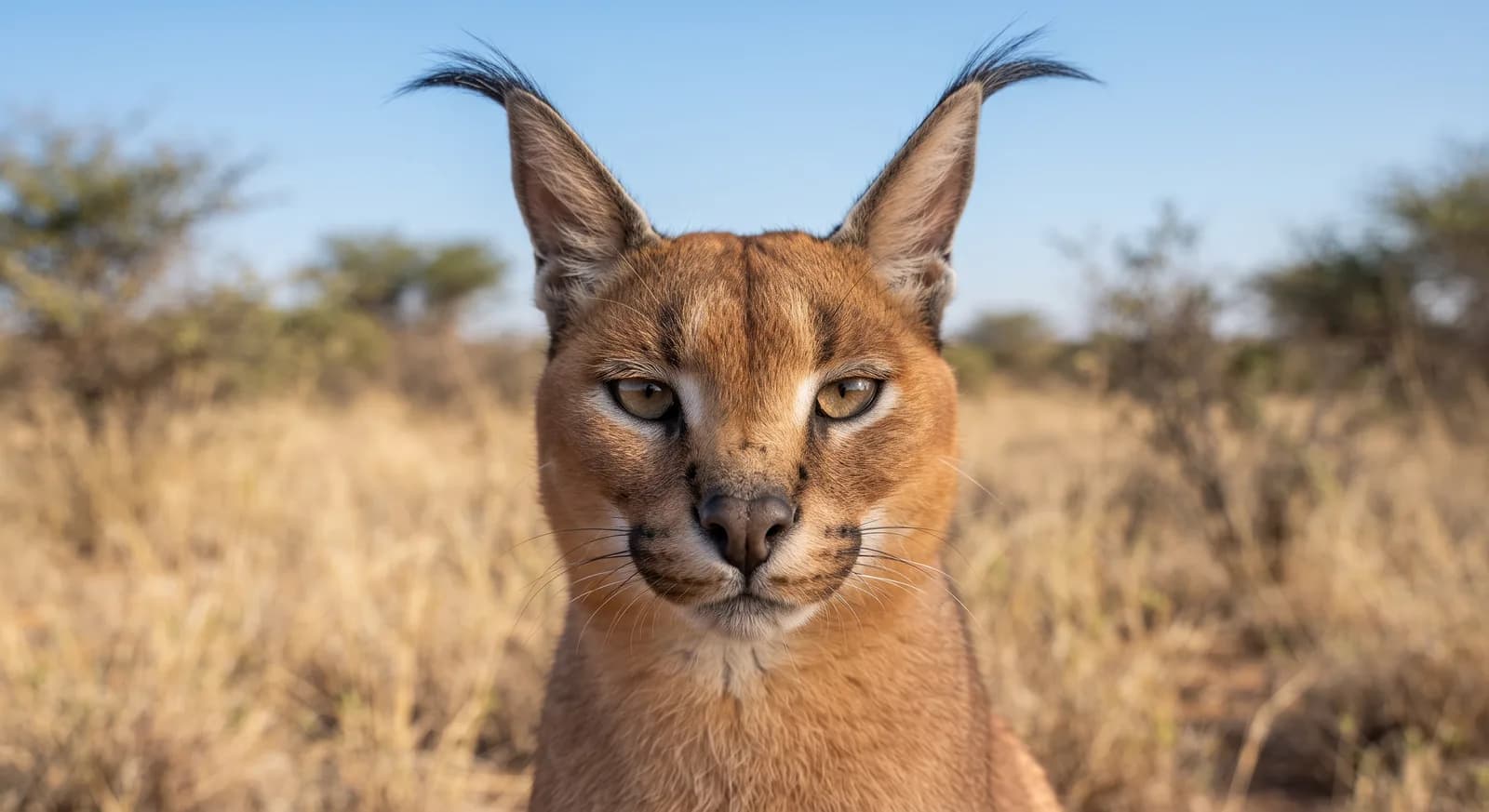
Least ConcernCaracal
Caracal caracal
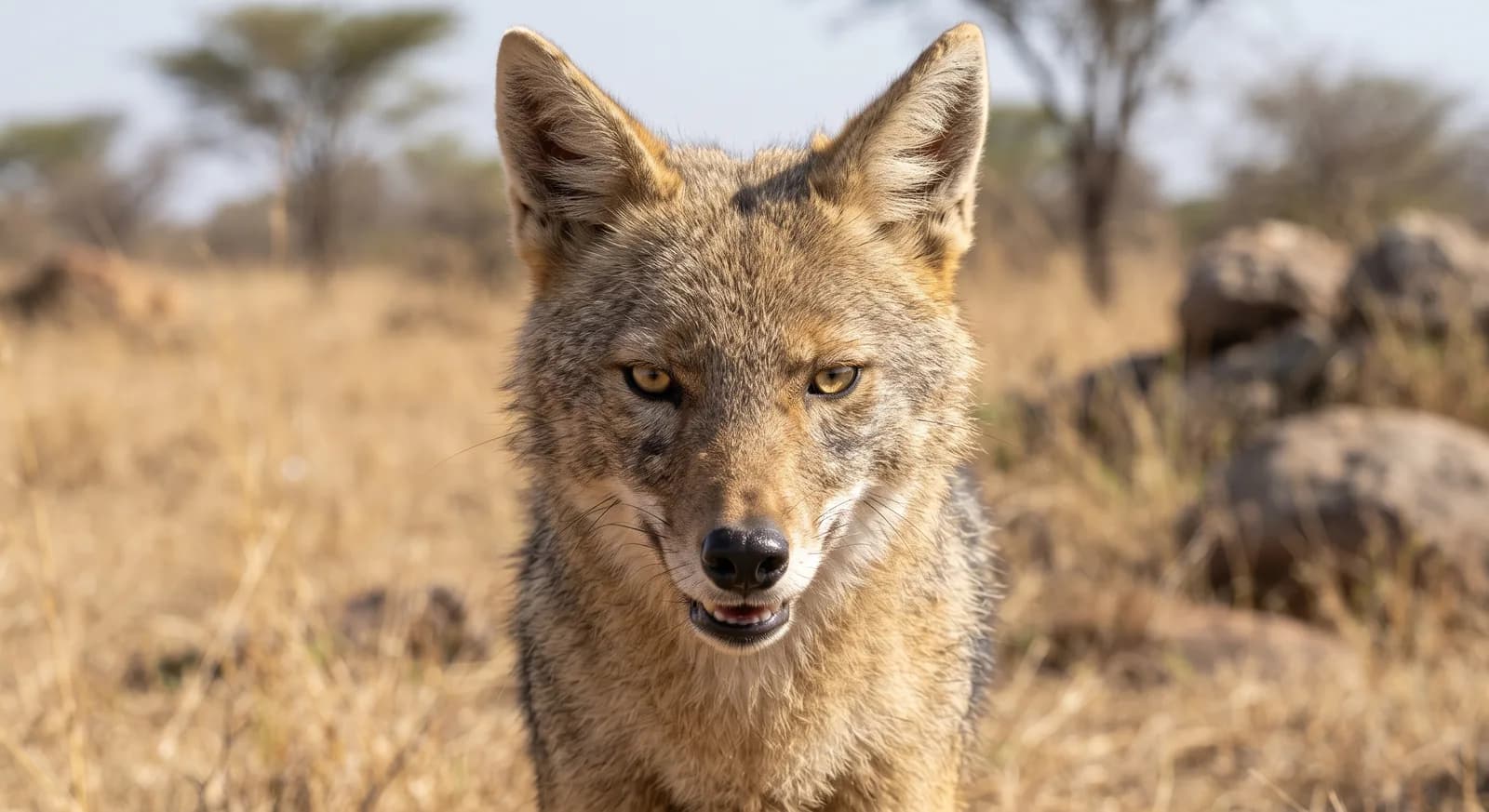
Least ConcernGolden Jackal
Canis aureus
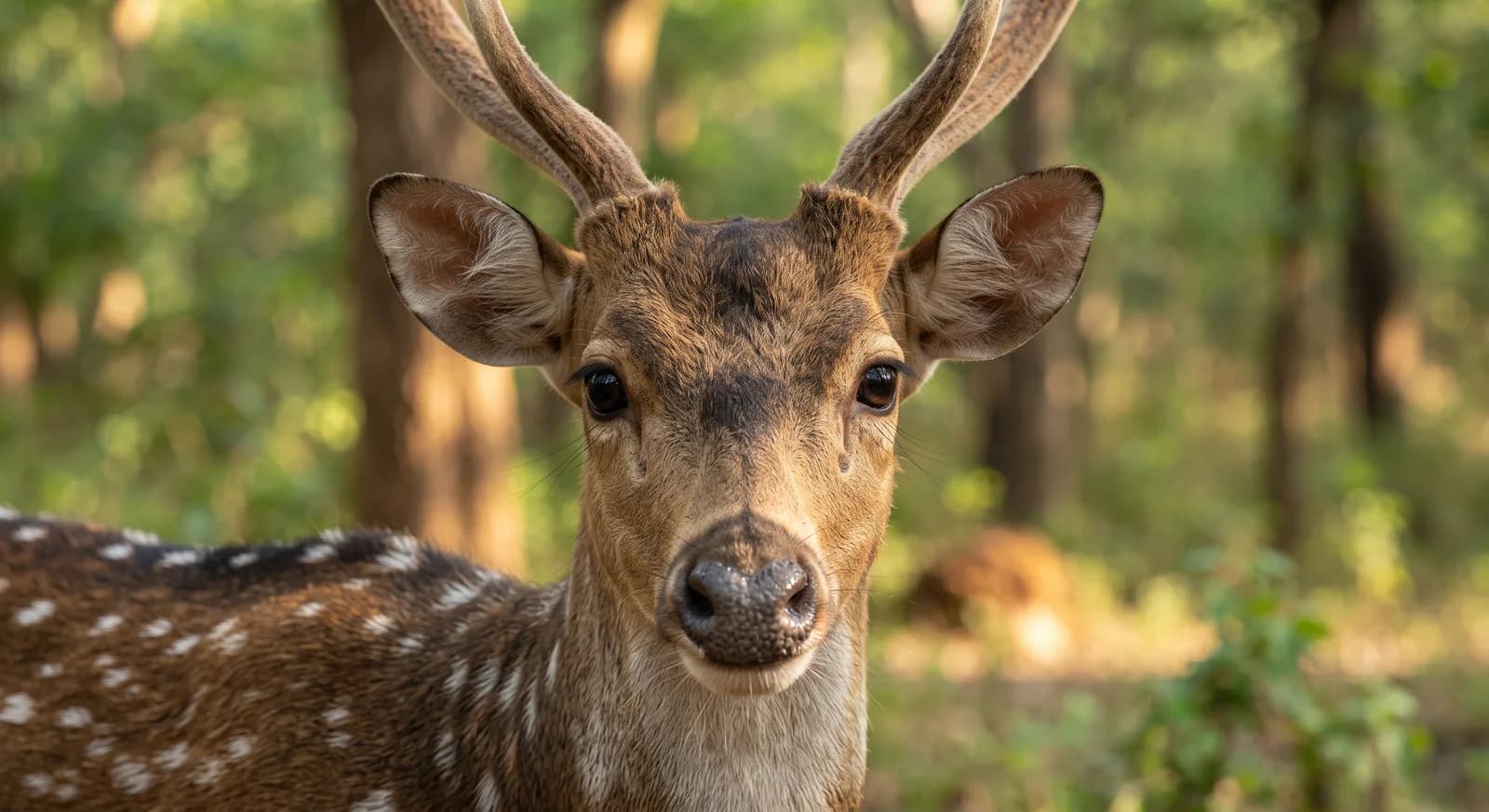
Least ConcernChital
Axis axis
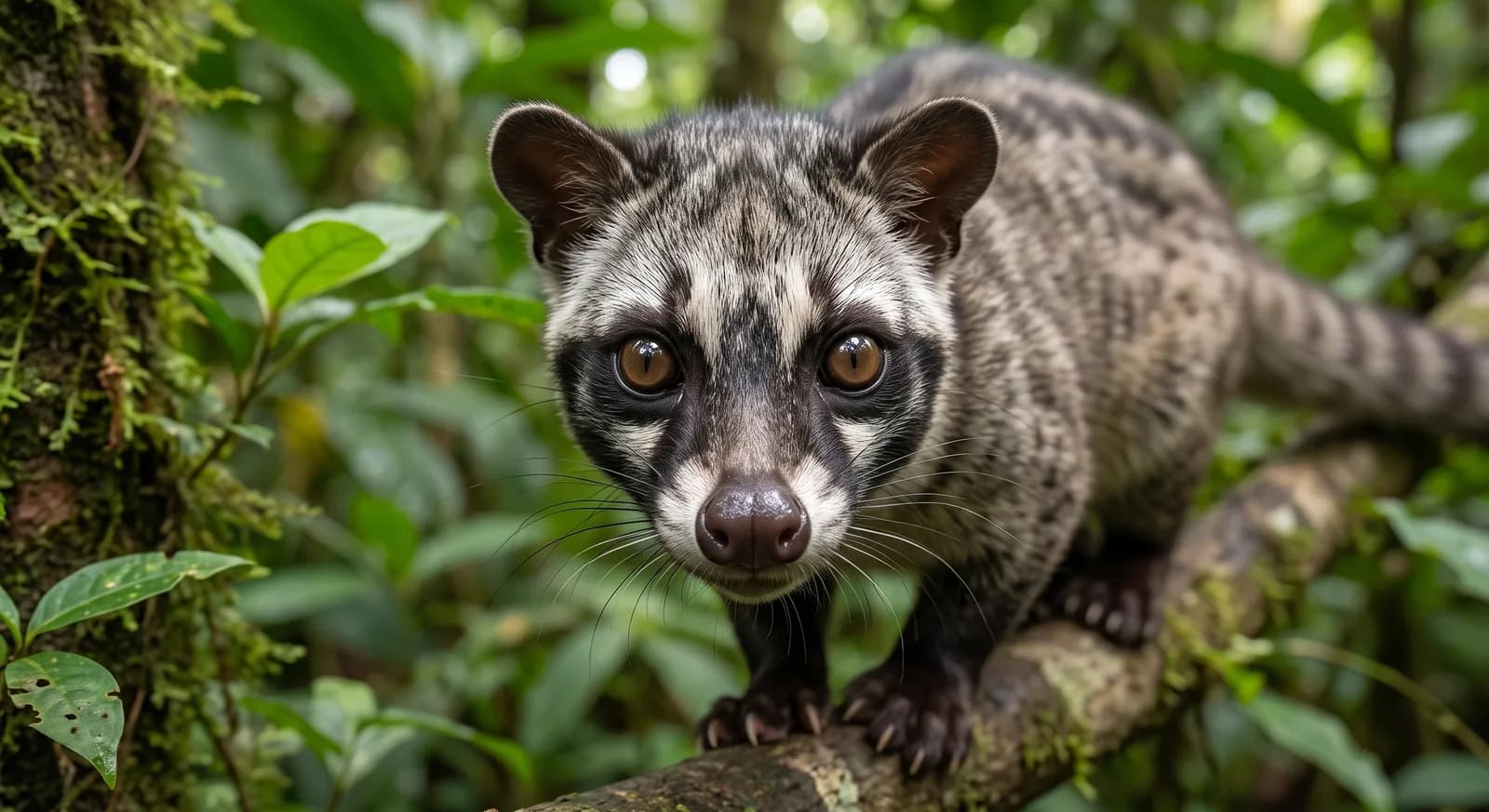
Least ConcernCommon Palm Civet
Paradoxurus hermaphroditus
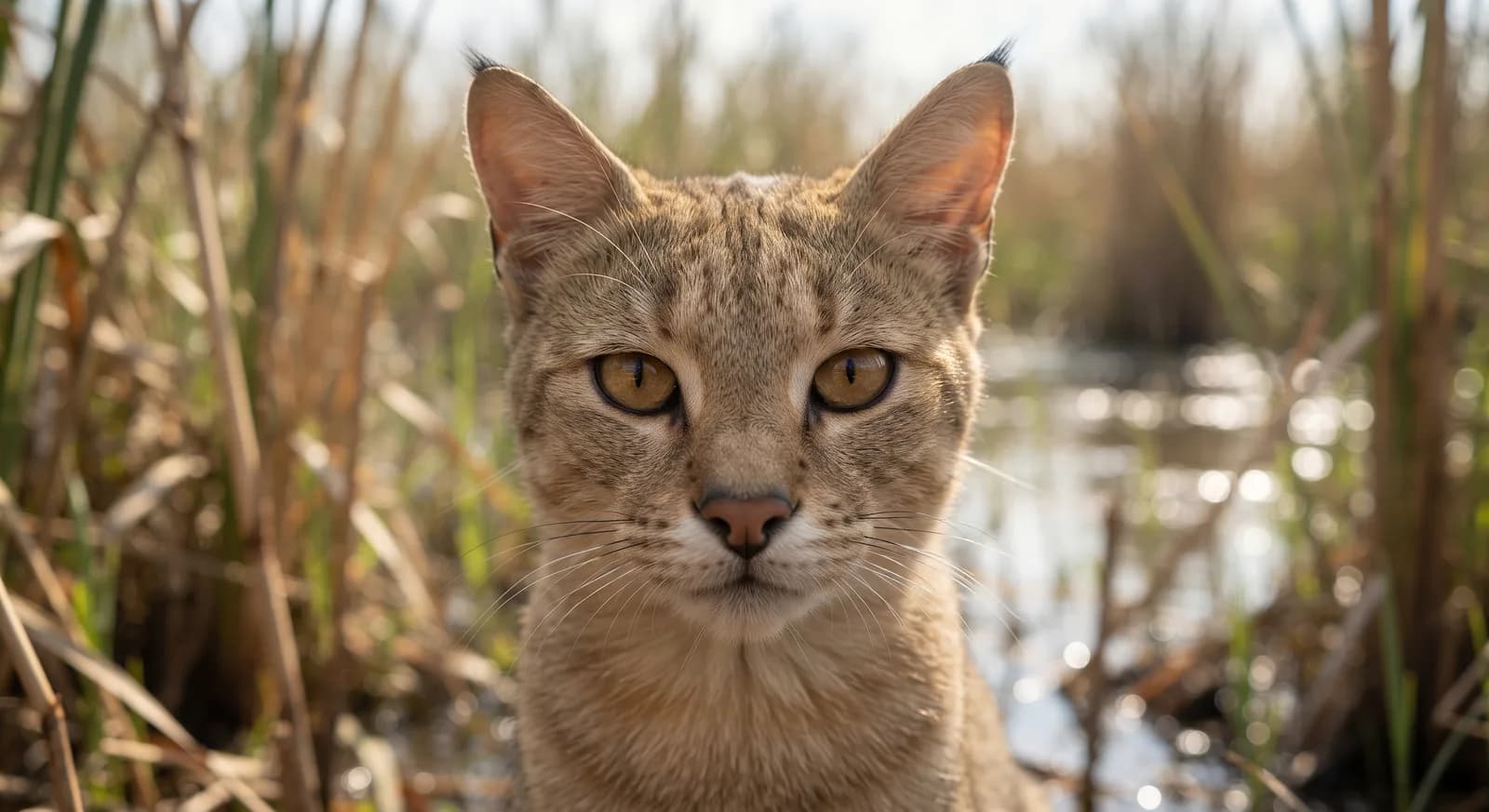
Least ConcernJungle Cat
Felis chaus
Least ConcernDemoiselle Crane
Grus virgo
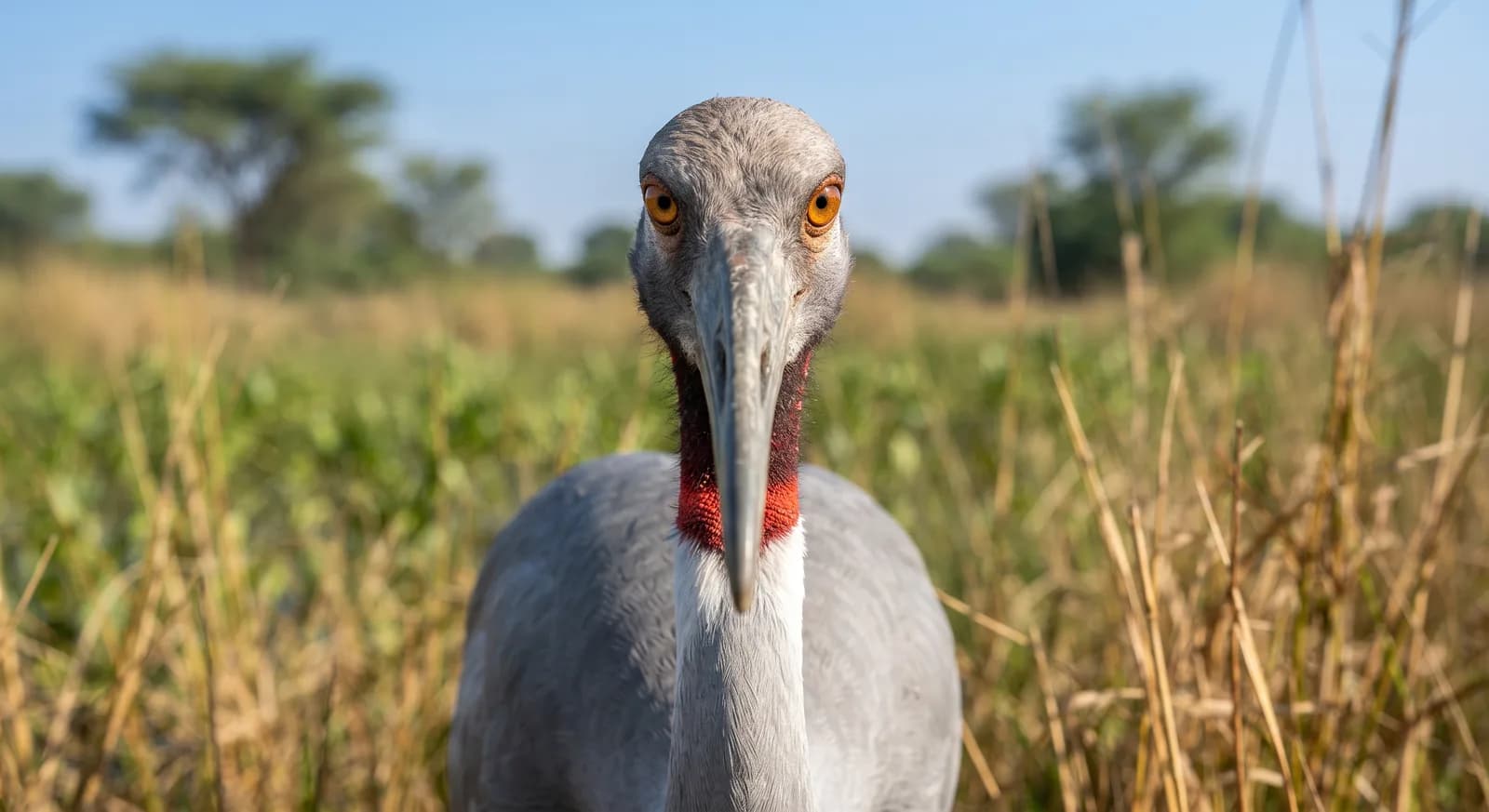
VulnerableSarus Crane
Antigone antigone
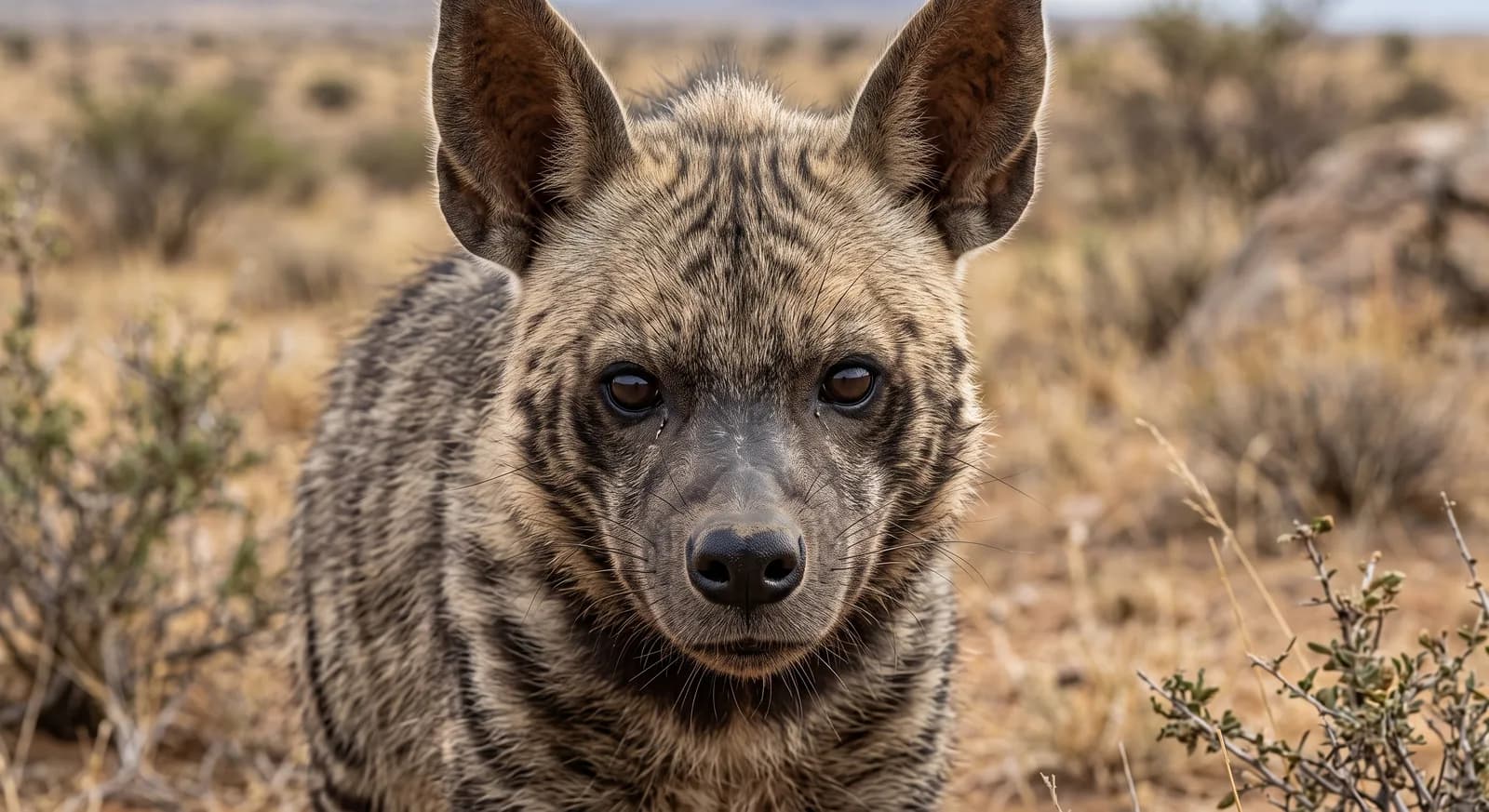
Near ThreatenedStriped Hyaena
Hyaena hyaena
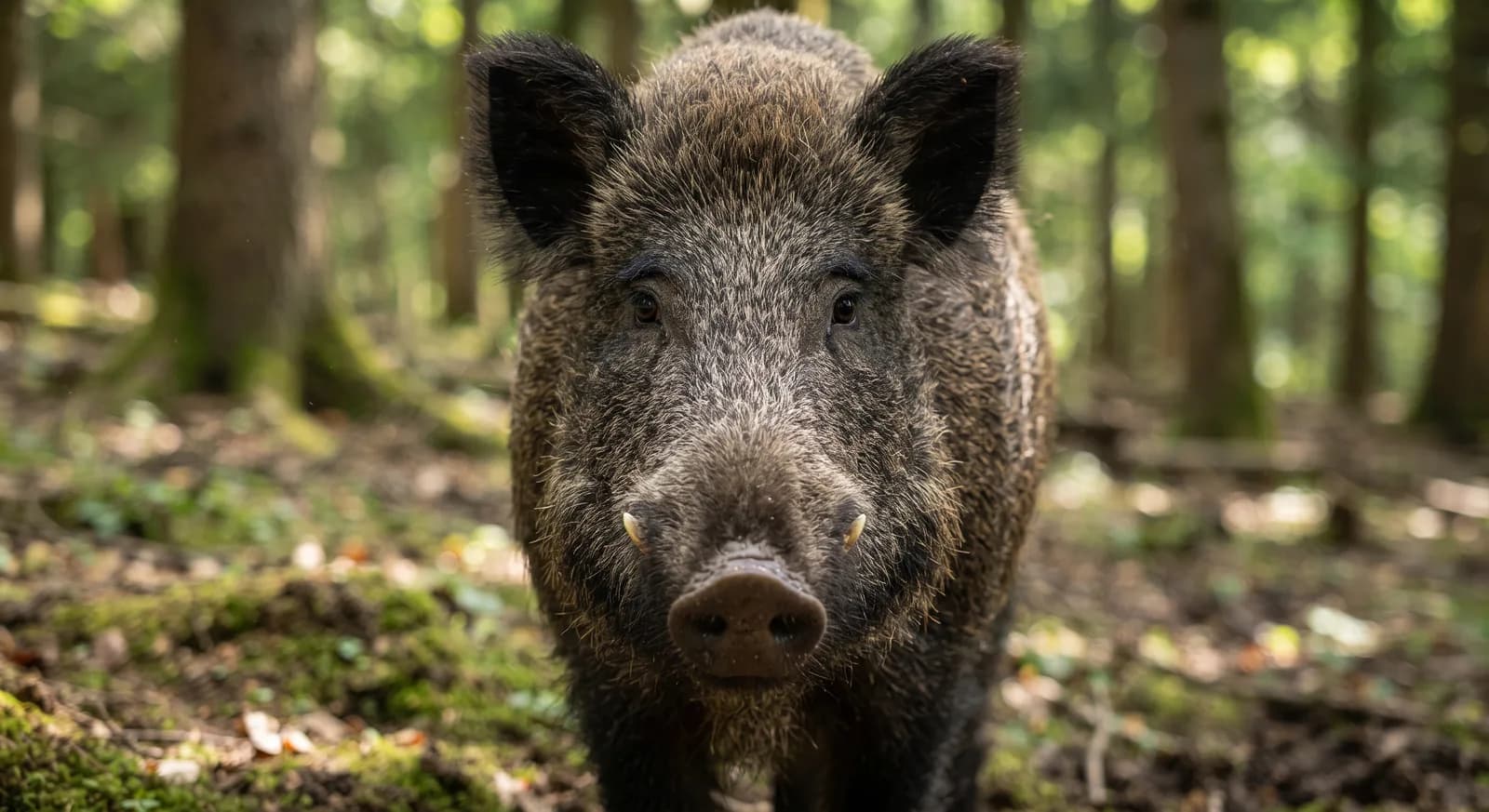
Least ConcernWild Boar
Sus scrofa
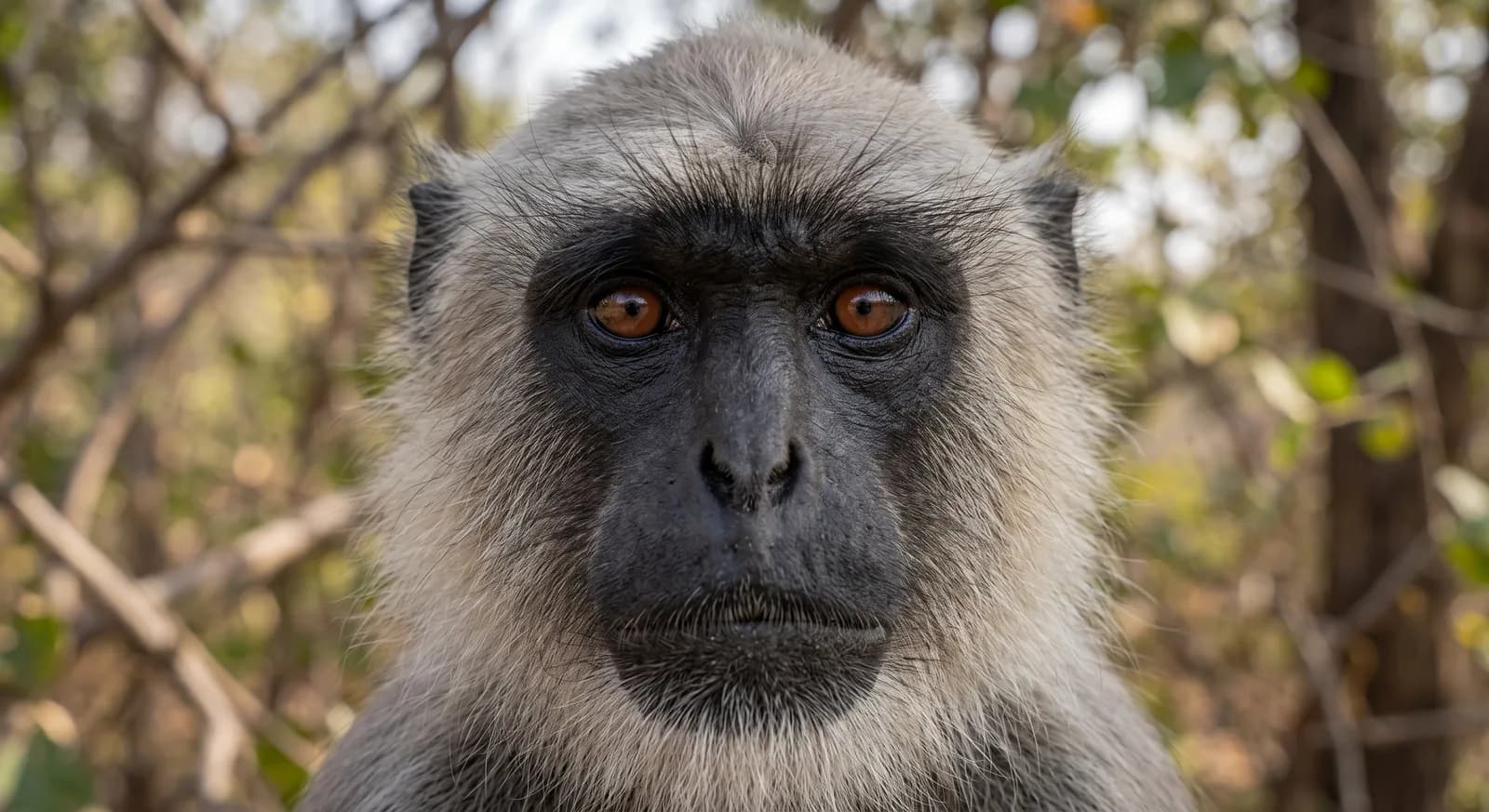
Least ConcernNorthern Plains Gray Langur
Semnopithecus entellus