One of the 3 grey geese on WAnimals
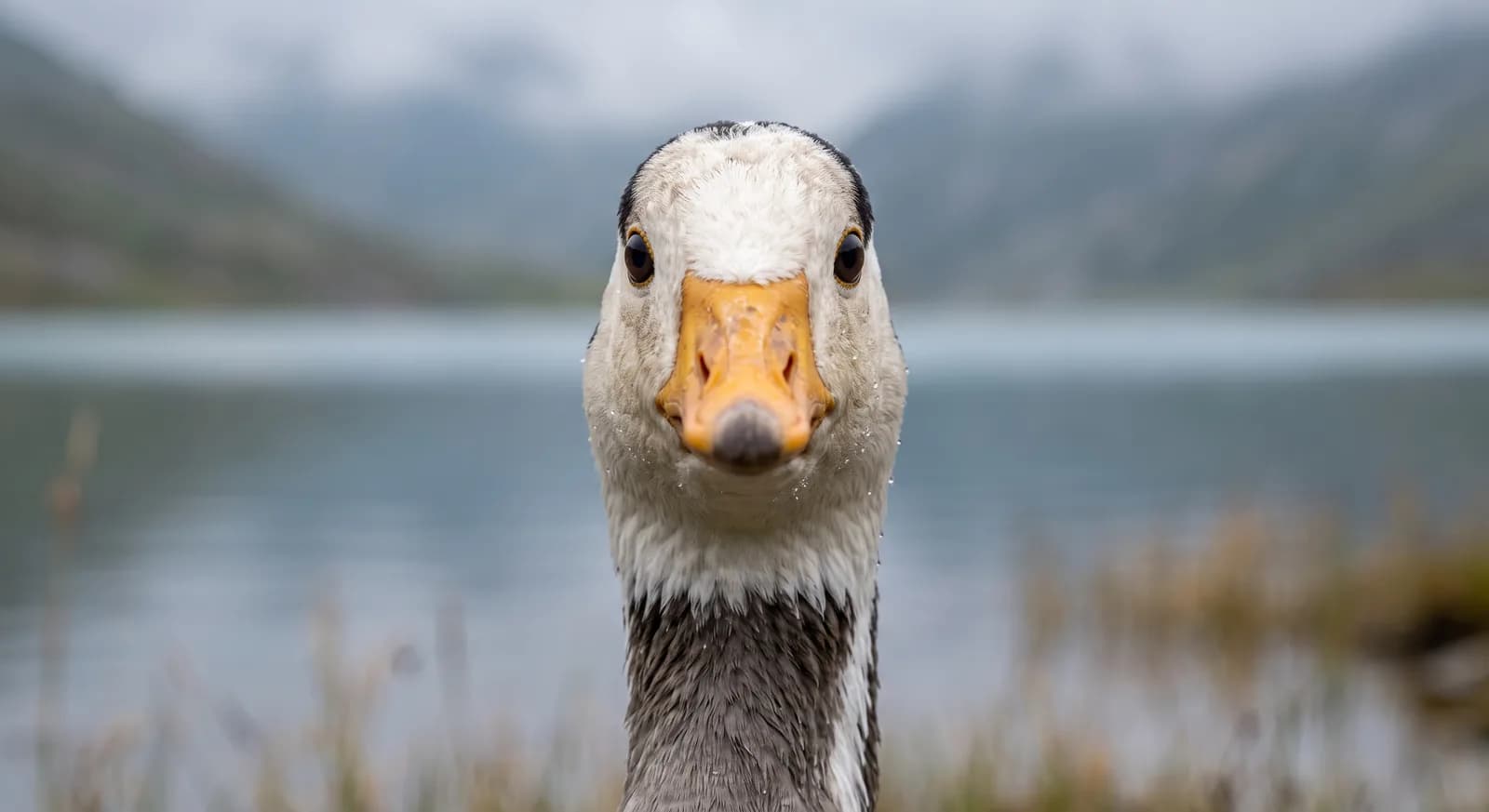
Birds · Anseriformes · Anatidae
Anser indicus
The species is abundant and widely distributed; it faces no significant short-term risk.
A goose unmistakable for the pattern of its head: white, with two horizontal black bars across the nape and a white vertical stripe on the sides of the neck. The body plumage is silvery grey. It is the size of a greylag goose.
Weight
2.2 kg – 2.5 kg
Size
71 cm – 76 cm
Diet
Herbivore
Feeds mainly on plants.
Activity
Diurnal
Active mainly during the day.
Social structure
Colony
Lives in large concentrations, often for breeding reasons.
Sighting difficulty
Easy
Estimated population
Between 97,000 and 118,000 birds, a figure revised upwards after more than 67,000 wintering birds were counted in south-central Tibet in January 2014; the previous world estimate was 52,000-60,000
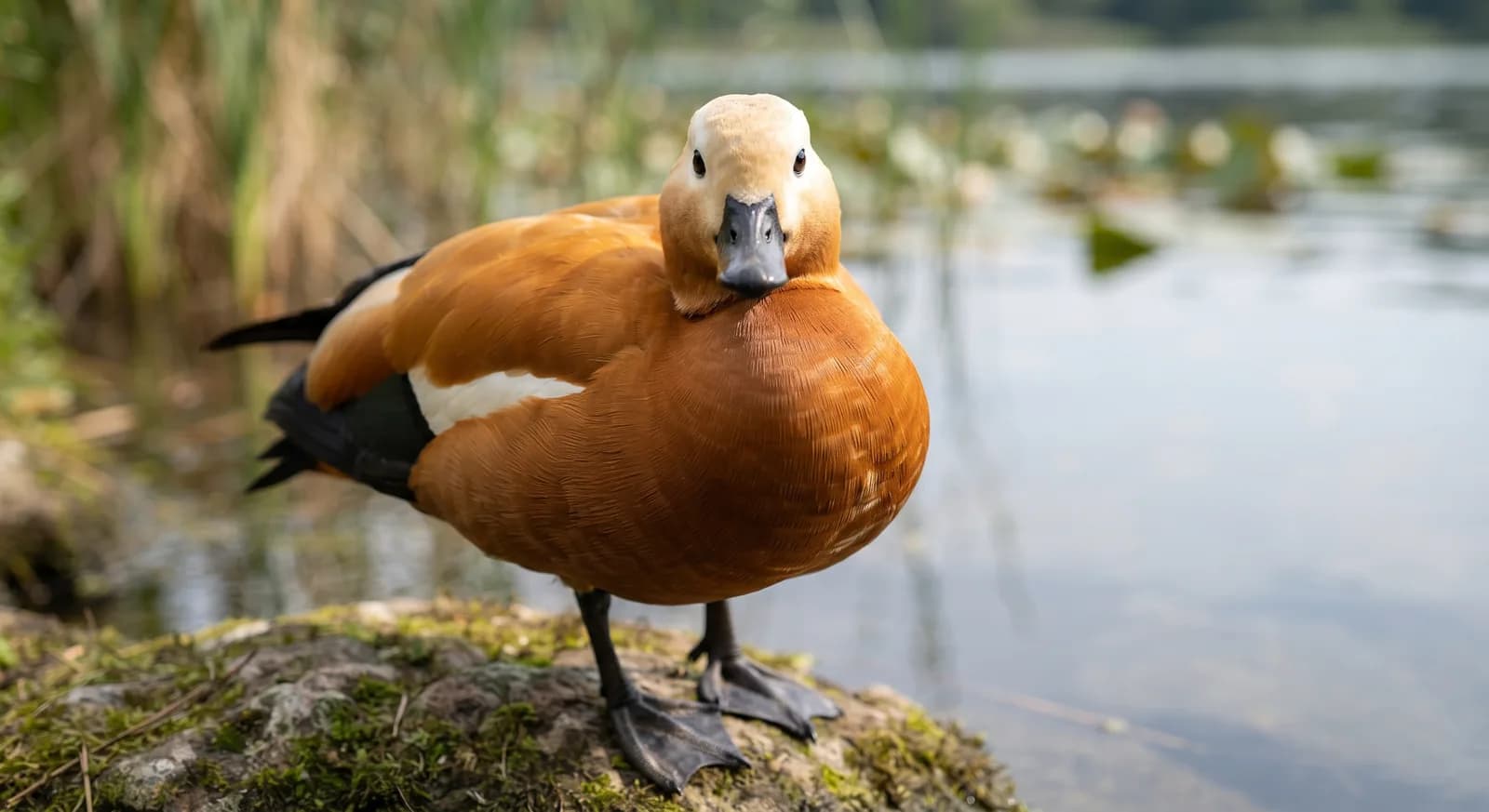
AI-generated images: illustrations, not photographs.
Sources consulted: IUCN Red List (BirdLife International 2012); SEO/BirdLife (ficha); Asturnatura; Wikipedia (Anser indicus); eBird; Latham 1790, Index Ornithologicus
Best time: Winter in Europe, when the odd escaped individual appears mixed in with flocks of greylag geese
The pins mark the parks where its presence is documented.
Parks and dive sites where this species has been documented — showing 10 of 22.
Other species in the catalogue with the most in common with Bar-Headed Goose — same habitat, park, country, tags or family.
Based on what we already know about bar-headed goose.
Share an experience, a fun fact or a tip for seeing the bar-headed goose.
Be the first to comment.