 Least Concern
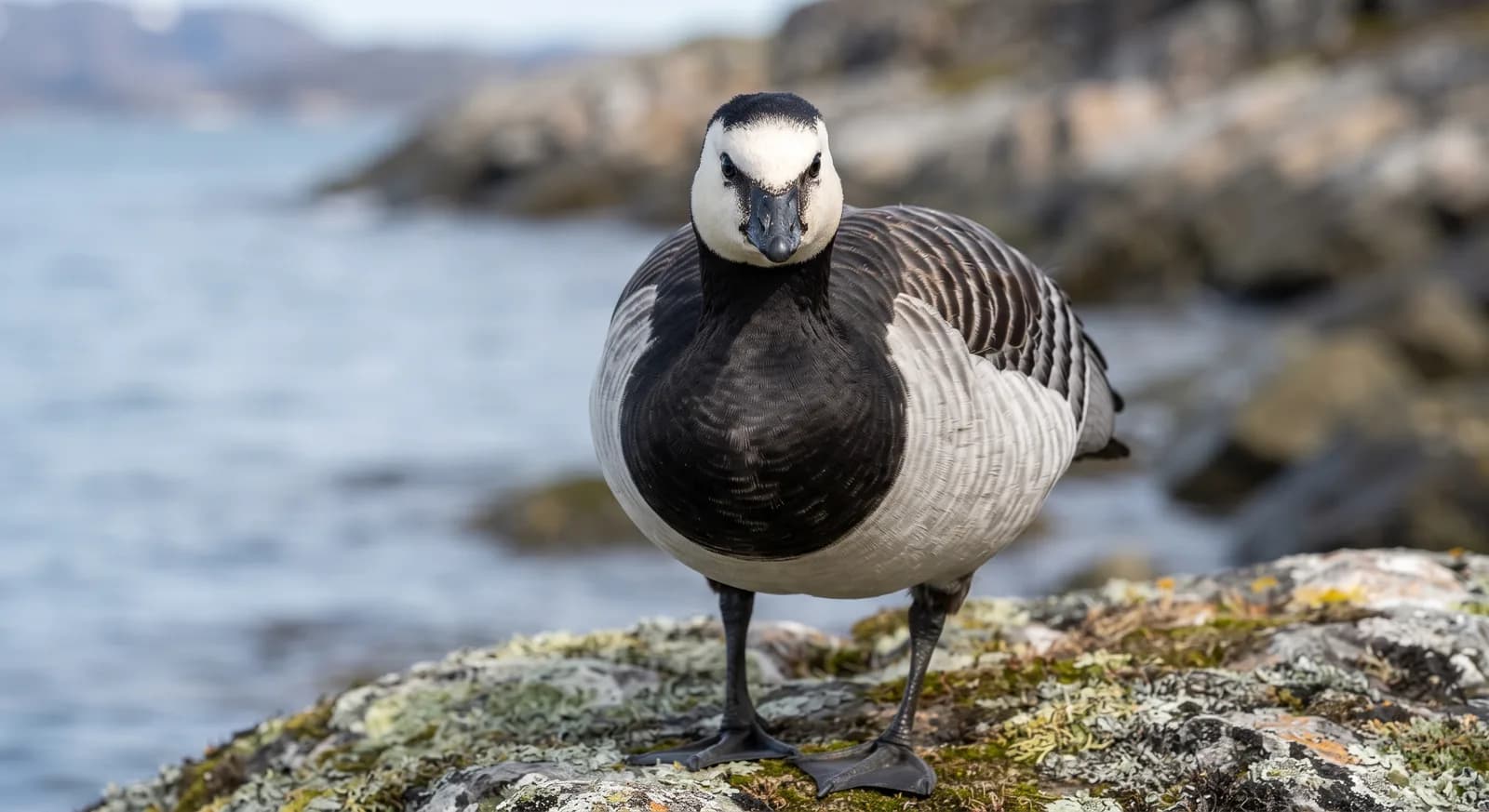
Barnacle Goose
Branta leucopsis
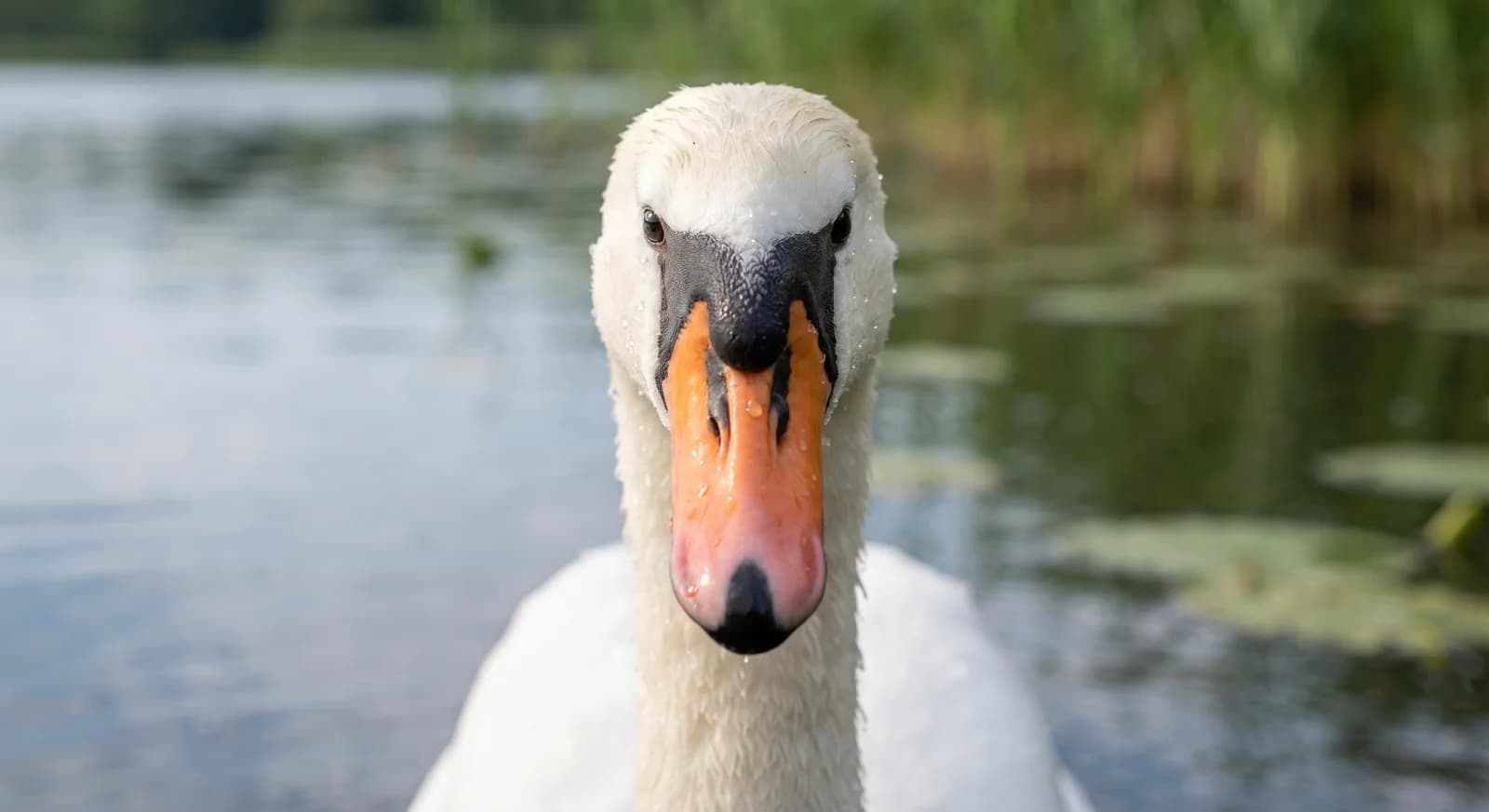
One of the 5 swans on WAnimals
Birds · Anseriformes · Anatidae
Cygnus cygnus
The species is abundant and widely distributed; it faces no significant short-term risk.
Some individuals make one of the most extreme non-stop migratory flights of any bird, crossing from Iceland to Scotland at altitudes of up to 8,000 metres. It pairs for life, with a "divorce" rate of barely 6%.
Weight
7.4 kg – 15.5 kg
Size
1.4 m – 1.7 m
Life expectancy
12 years
Diet
Herbivore
Feeds mainly on plants.
Activity
Diurnal
Active mainly during the day.
Social structure
In pairs
Usually lives in pairs, sometimes for life.
Sighting difficulty
Easy
Sources consulted: AnAge; Birds of the World; Birda; Animalia.bio; Binocular Base; Oiseaux-birds.com; Wikipedia; Animal Diversity Web
Best time: From November to March on lakes, reservoirs and wetlands of northern Europe and Asia, when the winterers arrive from Iceland and Scandinavia.
Parks and dive sites where this species has been documented — showing 10 of 77.
Other species in the catalogue with the most in common with Whooper Swan — same habitat, park, country, tags or family.
Based on what we already know about whooper swan.
Share an experience, a fun fact or a tip for seeing the whooper swan.
Be the first to comment.
The pins mark the parks where its presence is documented.