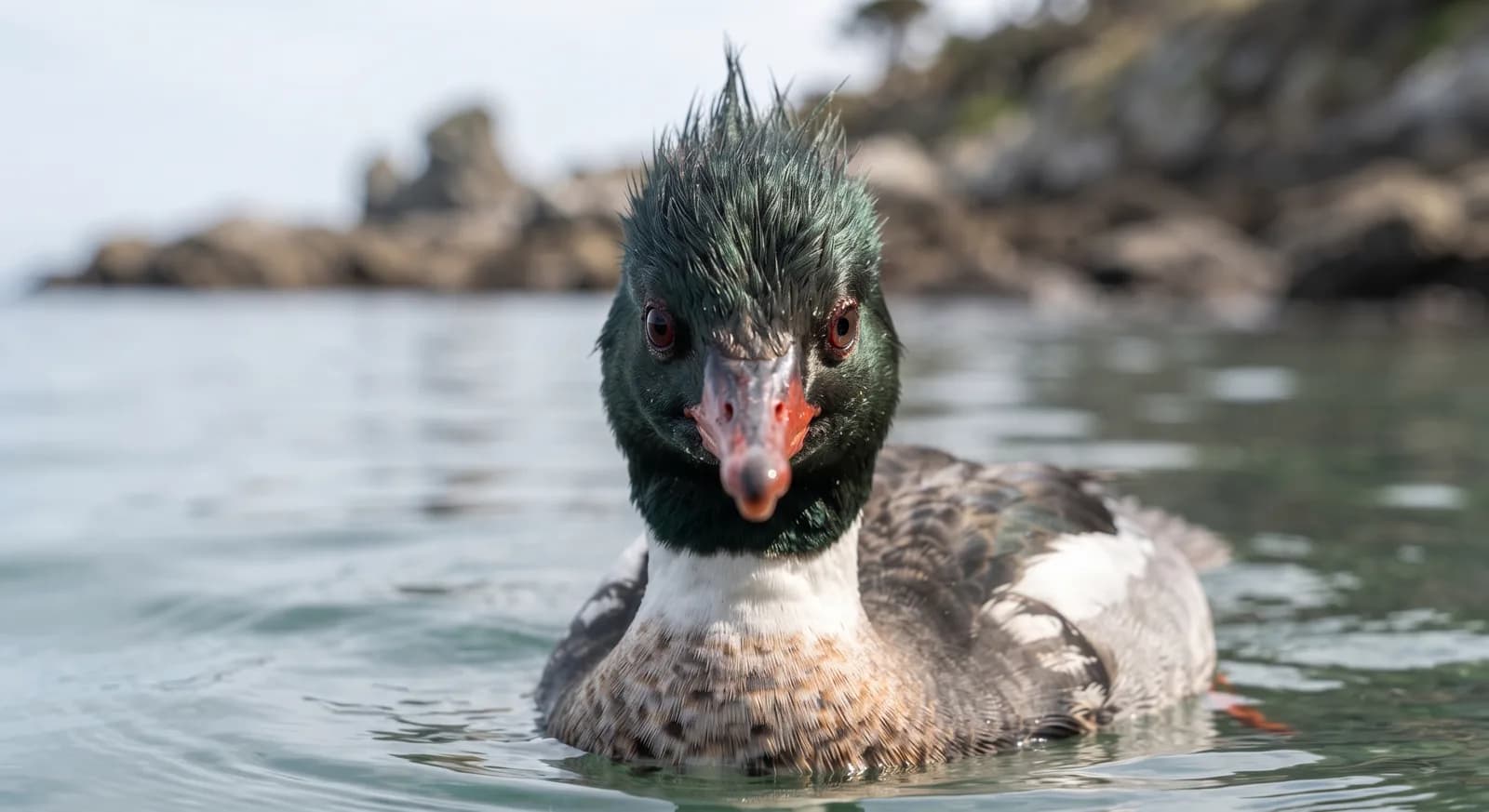
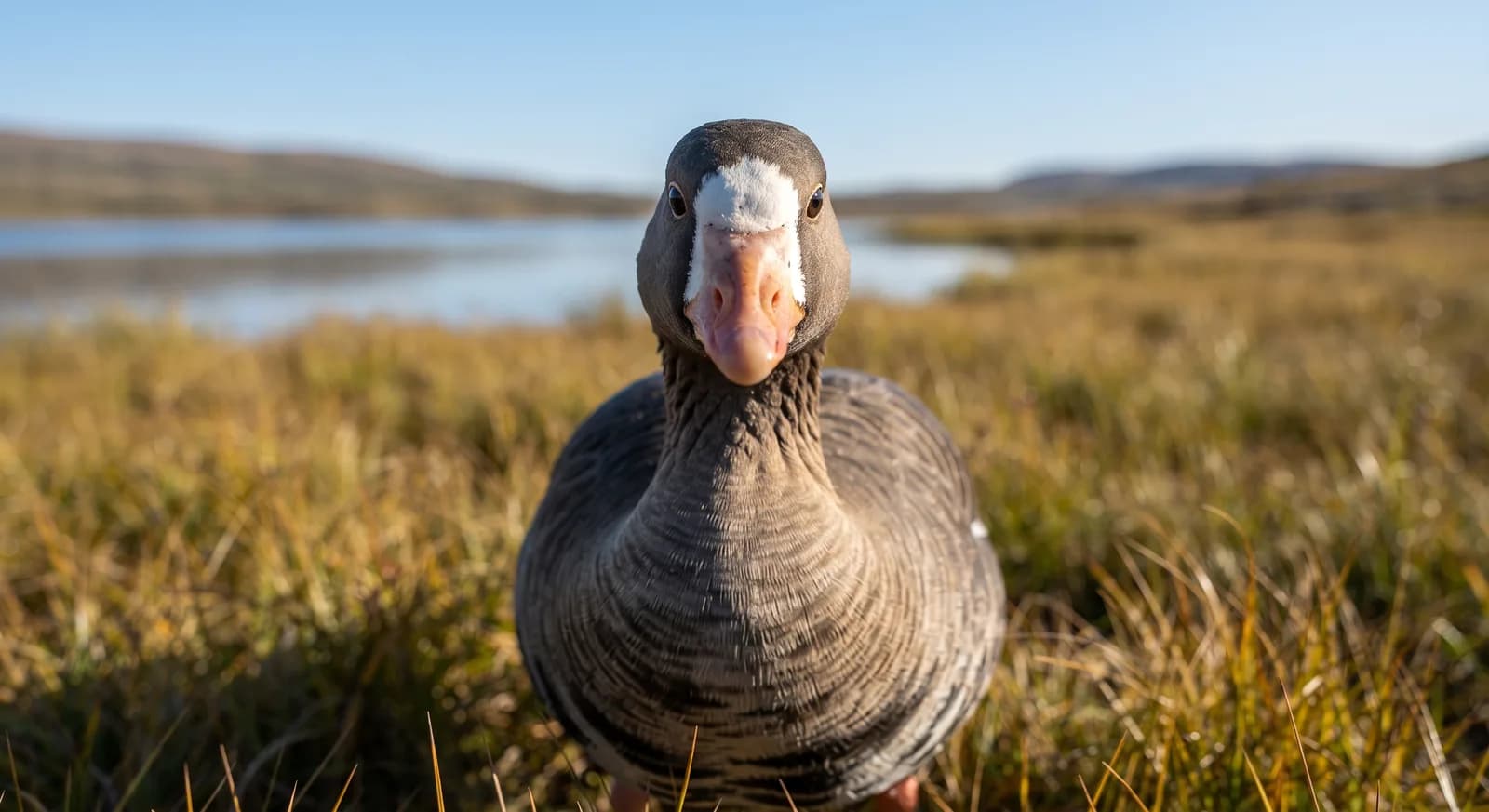
One of the 5 swans on WAnimals
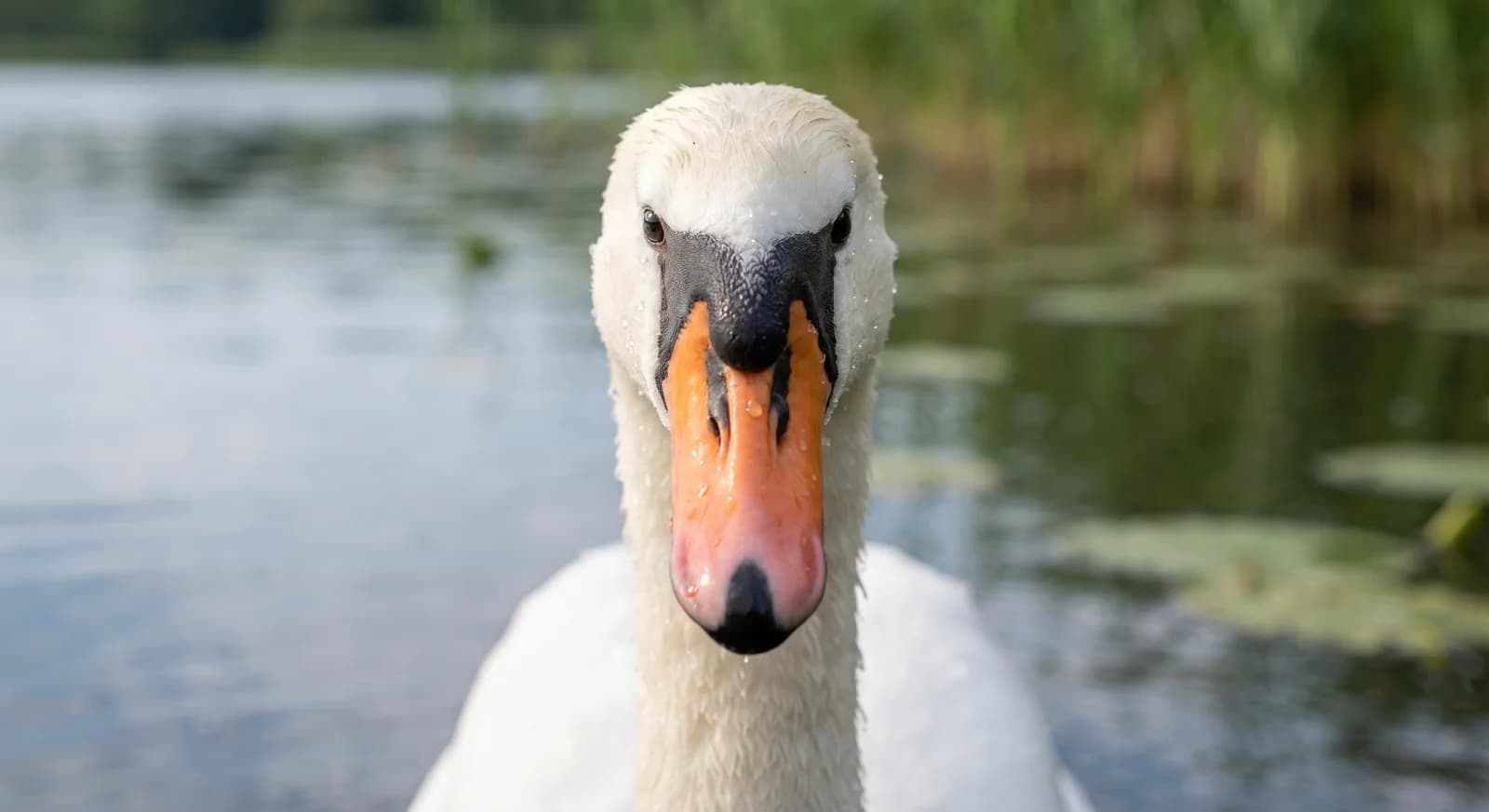
Birds · Anseriformes · Anatidae
Cygnus olor
The species is abundant and widely distributed; it faces no significant short-term risk.
It is one of the heaviest flying birds in the world. Contrary to popular belief, established pairs do not always stay together for good, though they do breed more successfully when they do.
Weight
6.6 kg – 12 kg
Size
1.4 m – 1.6 m
Life expectancy
15 years
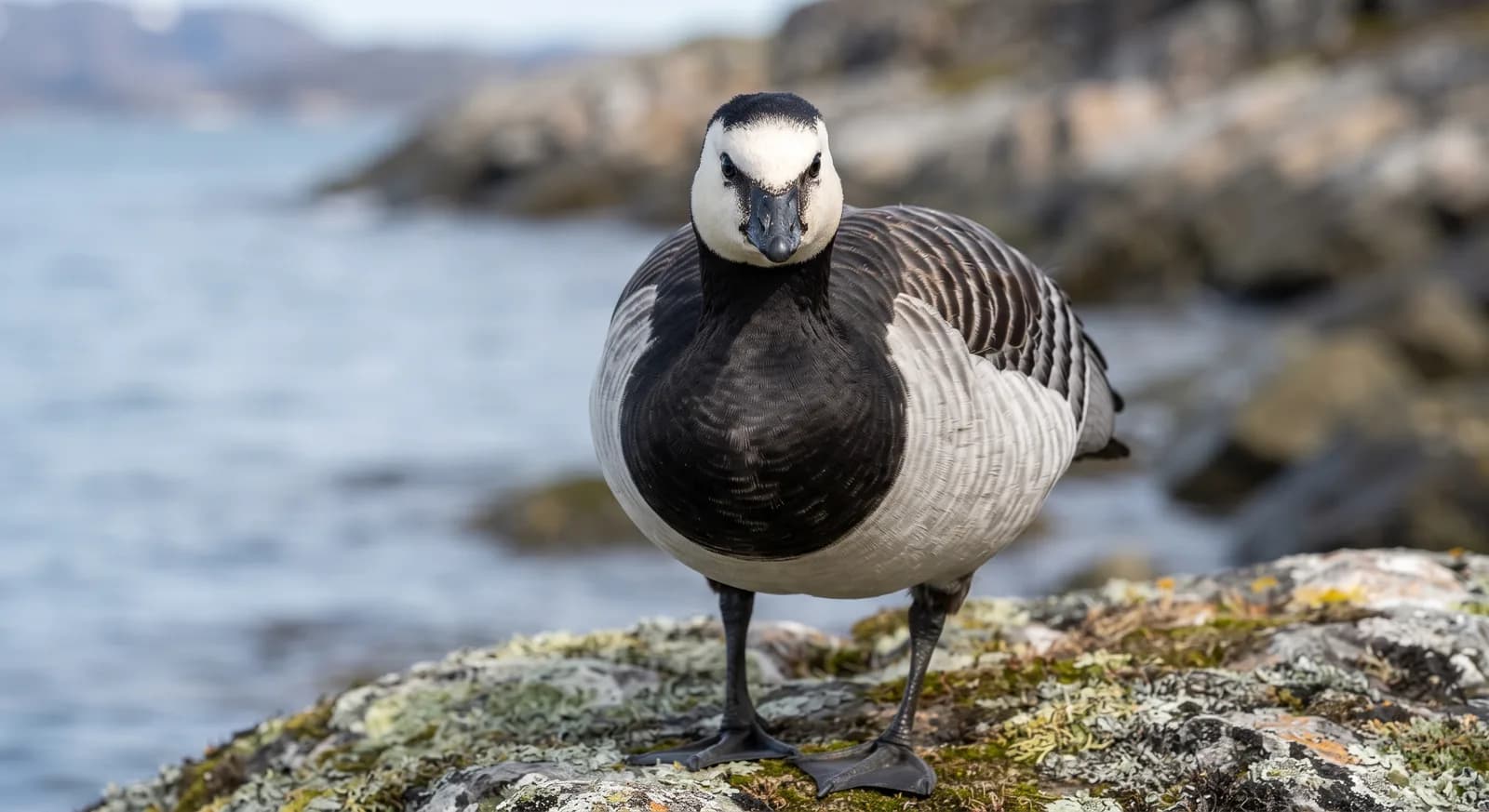
Diet
Herbivore
Feeds mainly on plants.
Activity
Diurnal
Active mainly during the day.
Social structure
In pairs
Usually lives in pairs, sometimes for life.
Sighting difficulty
Easy
AI-generated images: illustrations, not photographs.
Sources consulted: NHPBS NatureWorks; Minnesota DNR; AnAge (genomics.senescence.info); Animal Diversity Web; Animalia.bio; BirdsGlobe; IUCN Global Invasive Species Database
Parks and dive sites where this species has been documented — showing 10 of 132.
Other species in the catalogue with the most in common with Mute Swan — same habitat, park, country, tags or family.
Based on what we already know about mute swan.
Share an experience, a fun fact or a tip for seeing the mute swan.
Be the first to comment.
The pins mark the parks where its presence is documented.