 Critically Endangered
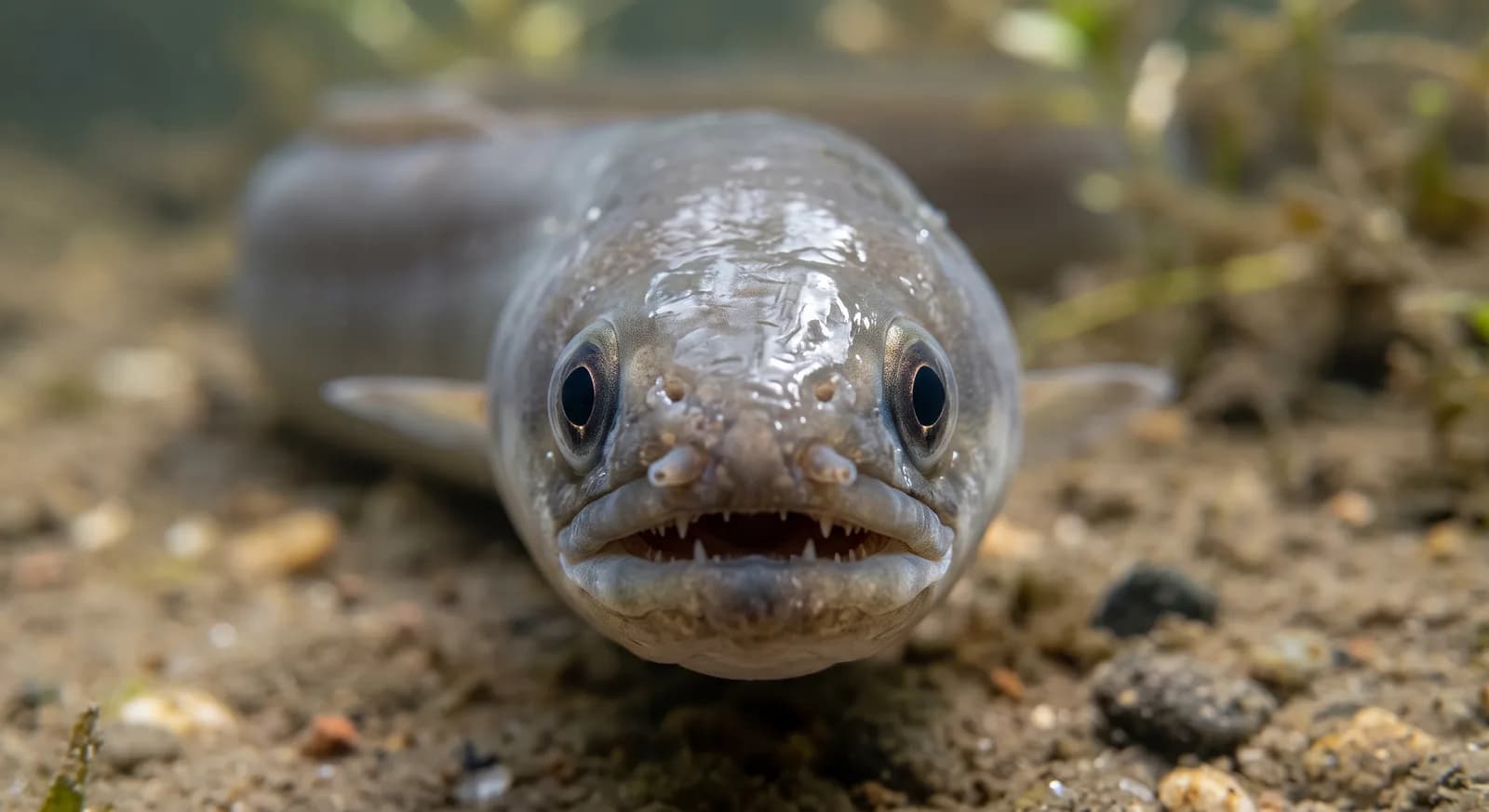
European Eel
Anguilla anguilla
Europe
Moldova is one of the most intensively farmed countries in Europe: close to three quarters of its territory is agricultural land, so its wild nature survives concentrated in a few islands of forest and in the river corridors of the Prut and the Dniester. The Codrii, in the centre of the country, keep oak, beech and hornbeam woods that recall what the region was like before the plough, with roe deer, wild boar, wildcats, badgers and a rich community of woodpeckers. In the south, the Lower Prut lakes form a Ramsar wetland connected to the Danube delta, where pelicans, pygmy cormorants and herons come in to feed. To the north, the limestone outcrops of the Dniester are the remains of reefs from a Miocene sea and hold singular cliff flora and colonies of martins and swifts.
National animal: The aurochs, extinct, appears as the national heraldic emblem; the white stork is the symbolic bird
The coat of arms of Moldova is presided over by the head of an aurochs, the great wild ox that gave rise to all domestic cattle and that finally became extinct in Poland in 1627. The animal disappeared from these lands centuries ago, but it remains the country's emblem, one of the few cases in the world in which a national symbol represents a species that is completely extinct.
The scant forest cover, around twelve per cent, and the erosion of agricultural soils are the country's great environmental problems. Pădurea Domnească keeps a nucleus of European bison descended from animals brought from Poland.
The Codrii in spring for woodland birds and the flowering of the understorey. The Lower Prut between April and September for pelicans and herons. The Dniester cliffs in summer for crag martins.
407 species found
Based on what we already know about Moldova.