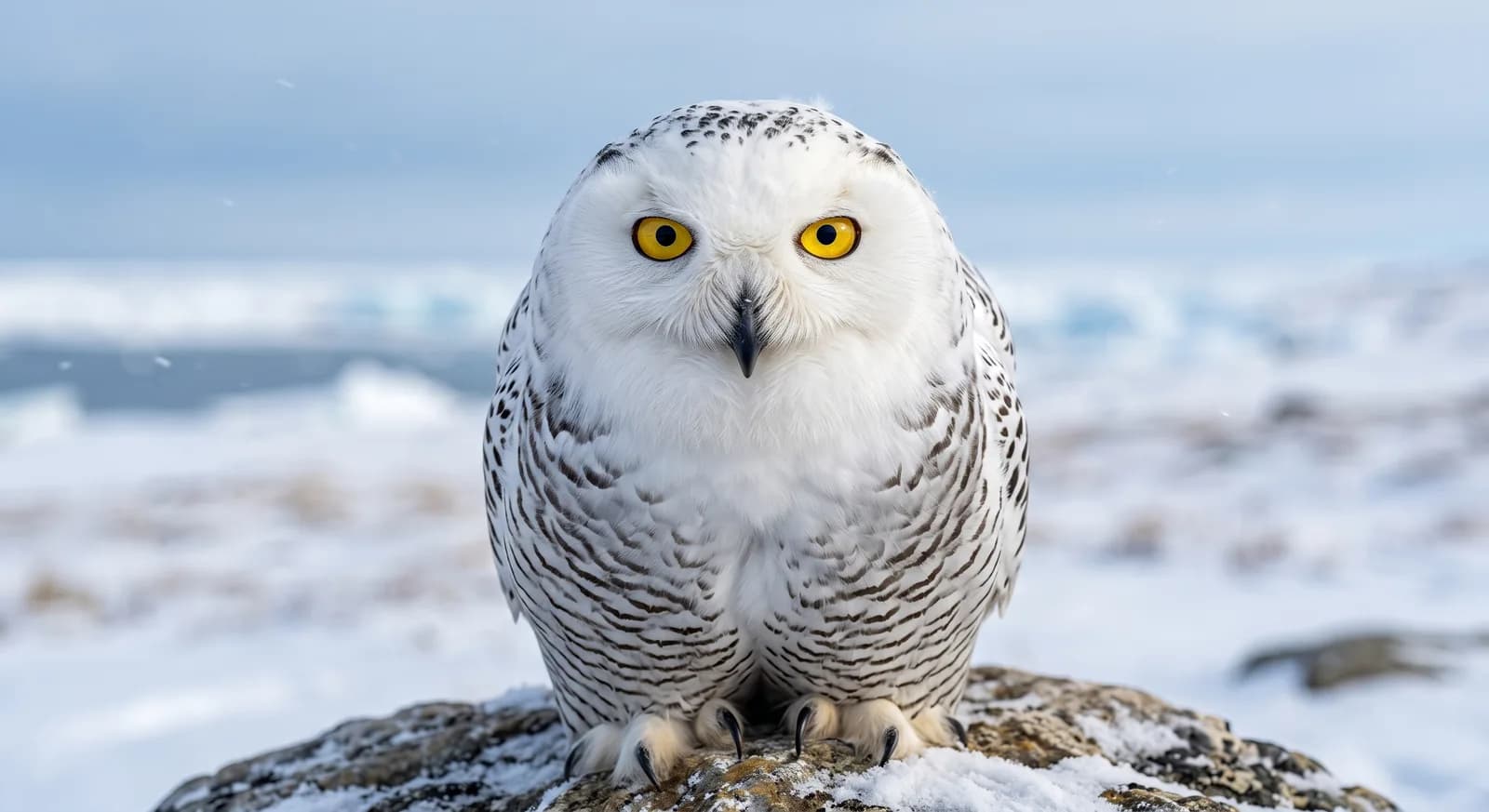
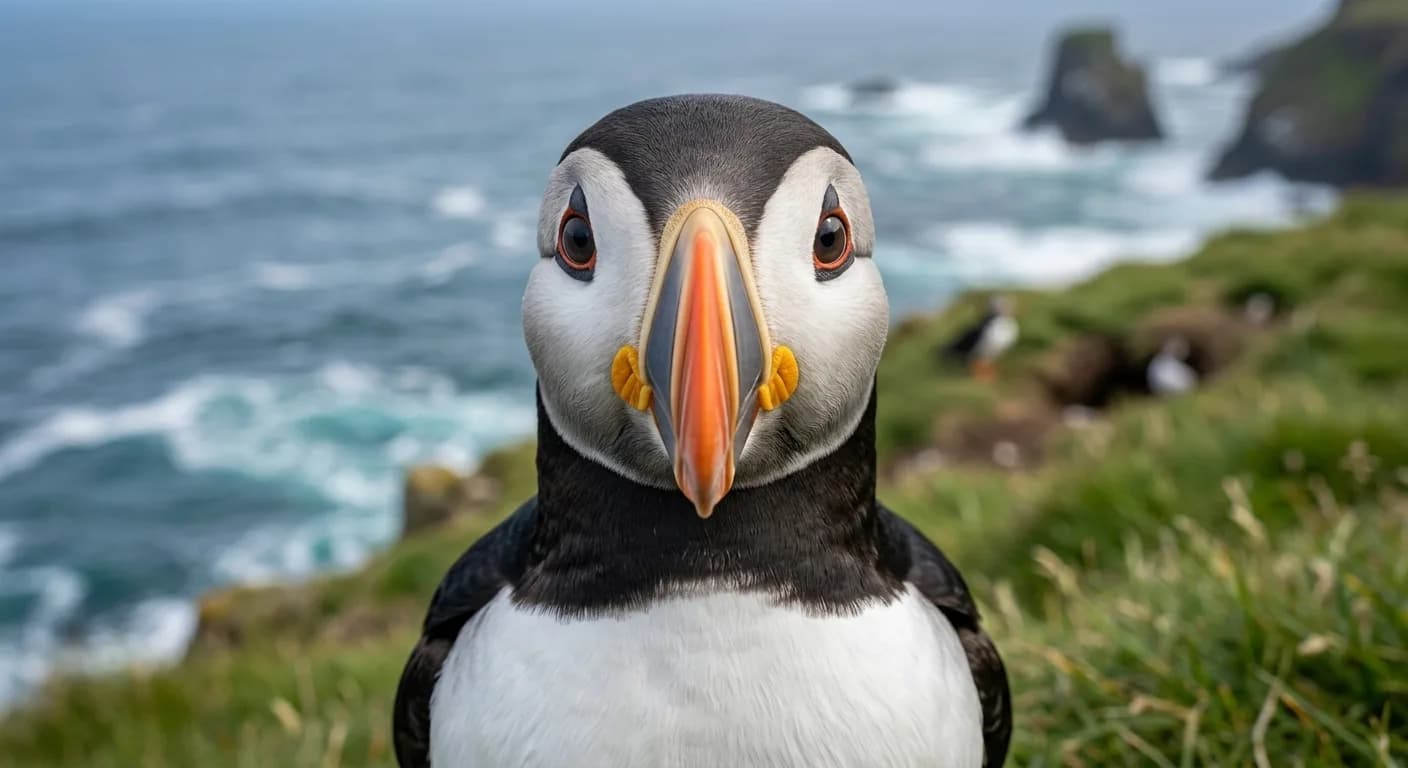
Sweden is the country of the European taiga: more than half its surface is conifer forest, dotted with almost a hundred thousand lakes and extensive peatlands. The north, Swedish Lapland, is a landscape of bare mountains, wild rivers and tundra where the Sami people keep up the transhumant herding of reindeer and where the four great Scandinavian carnivores live: brown bear, wolf, lynx and wolverine. The south, milder and more agricultural, keeps mixed oak and beech woods, and in Scania central European species absent from the rest of the country appear. The Stockholm archipelago and the islands of Gotland and Öland add coastal environments with grey seals, seabirds and limestone grasslands full of orchids. The right of public access, the allemansrätten, allows walking, camping and foraging on almost any ground, and has shaped an everyday relationship with nature uncommon in Europe.
Nature in Sweden
National animal: The moose is the de facto national animal; the common blackbird was chosen as national bird in 1962
Did you know?
Since 2019, Swedish public television has broadcast the great moose migration live and without commentary, as the animals swim across the Ångerman River towards their summer pastures. The broadcast runs for weeks, is watched for hours without a single animal appearing, and has drawn millions of viewers, becoming the most famous example of the slow television genre.
Biodiversity profile
Conservation
Industrial logging of old boreal forest is the country's main environmental conflict and affects species that depend on deadwood. Managing the wolf, with a small and inbred population, generates a recurring political debate.
Where and when to watch wildlife
Brown bear hides in Hälsingland and Värmland between May and August. Lake Hornborga in late March and April for the gathering of thousands of cranes. Lapland in summer for reindeer, great grey owl and the midnight sun.
Natural phenomena in Sweden
Autumn bird migration at Falsterbo — 11 August to 20 November (raptor peak from late August to early October)
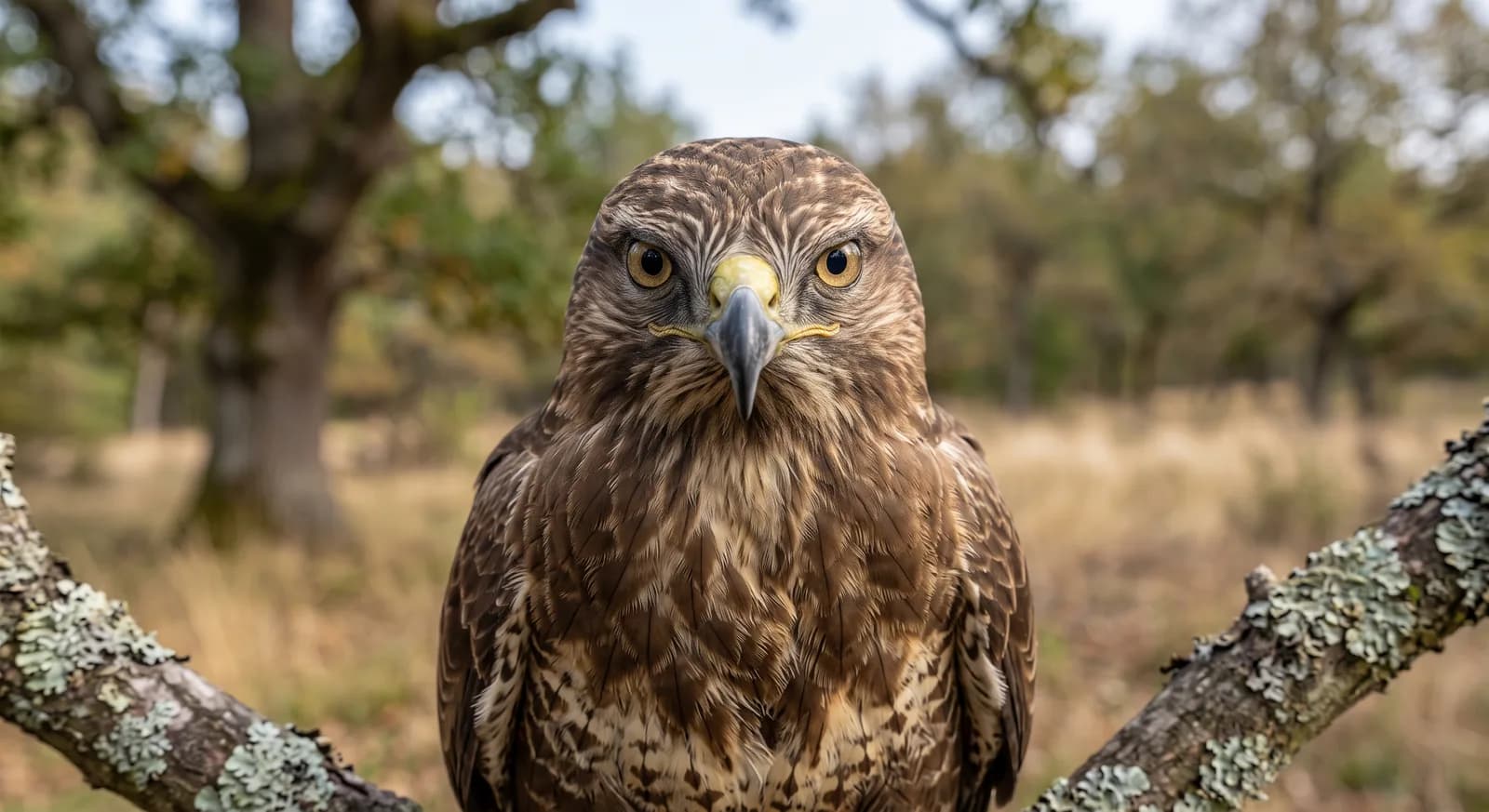 Least Concern
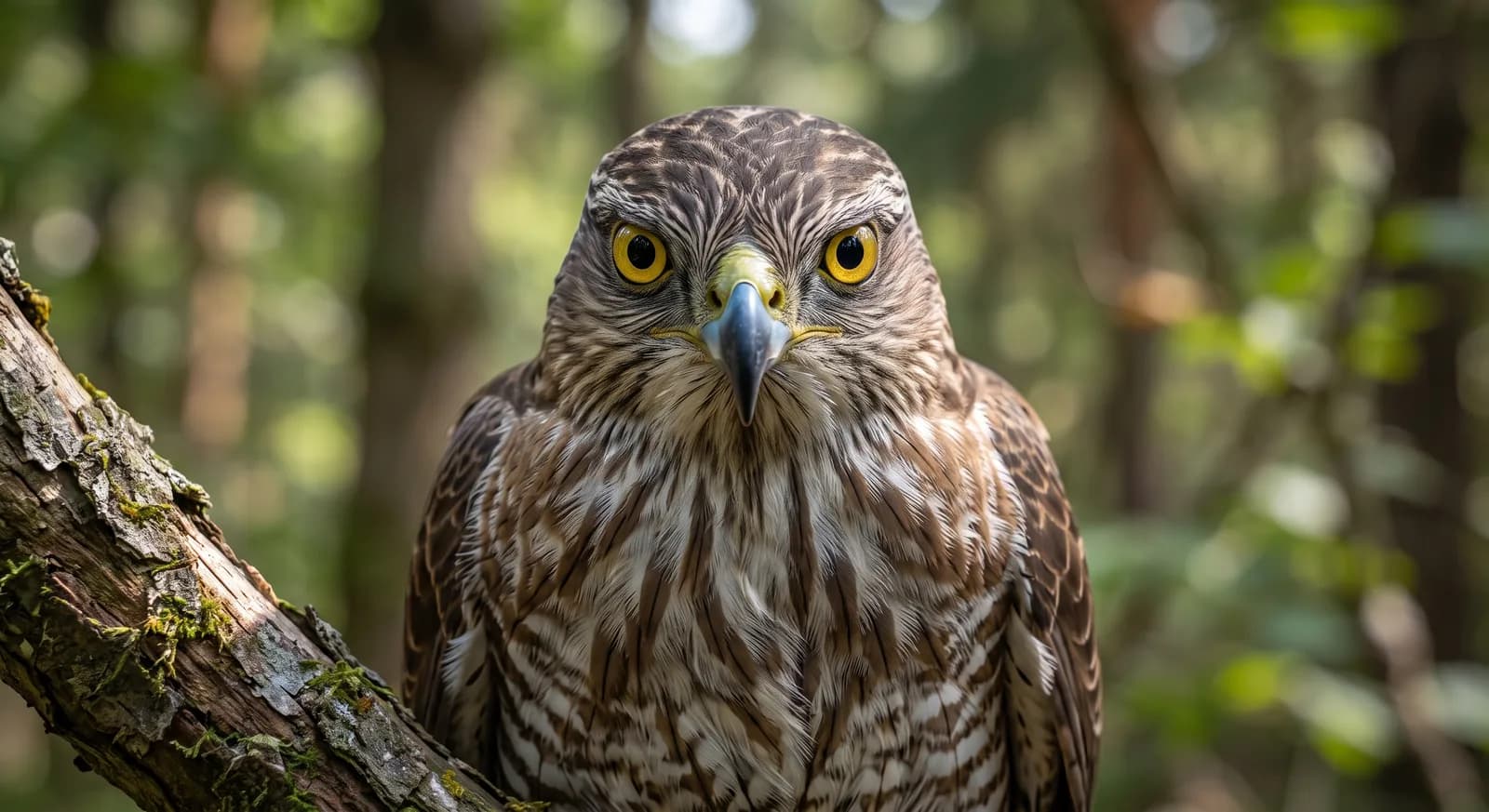 Least Concern
 Least Concern