Birds · Accipitriformes · Accipitridae
Accipiter nisus
The species is abundant and widely distributed; it faces no significant short-term risk.
It shows one of the greatest differences in size between the sexes of any bird of prey in the world, with females up to 50% heavier than males.
Weight
110 g – 342 g
Size
29 cm – 41 cm
Life expectancy
4 years
Diet
Carnivore
Feeds mainly on other animals.
Activity
Diurnal
Active mainly during the day.
Social structure
Solitary
Lives and hunts alone, joining others only to breed.
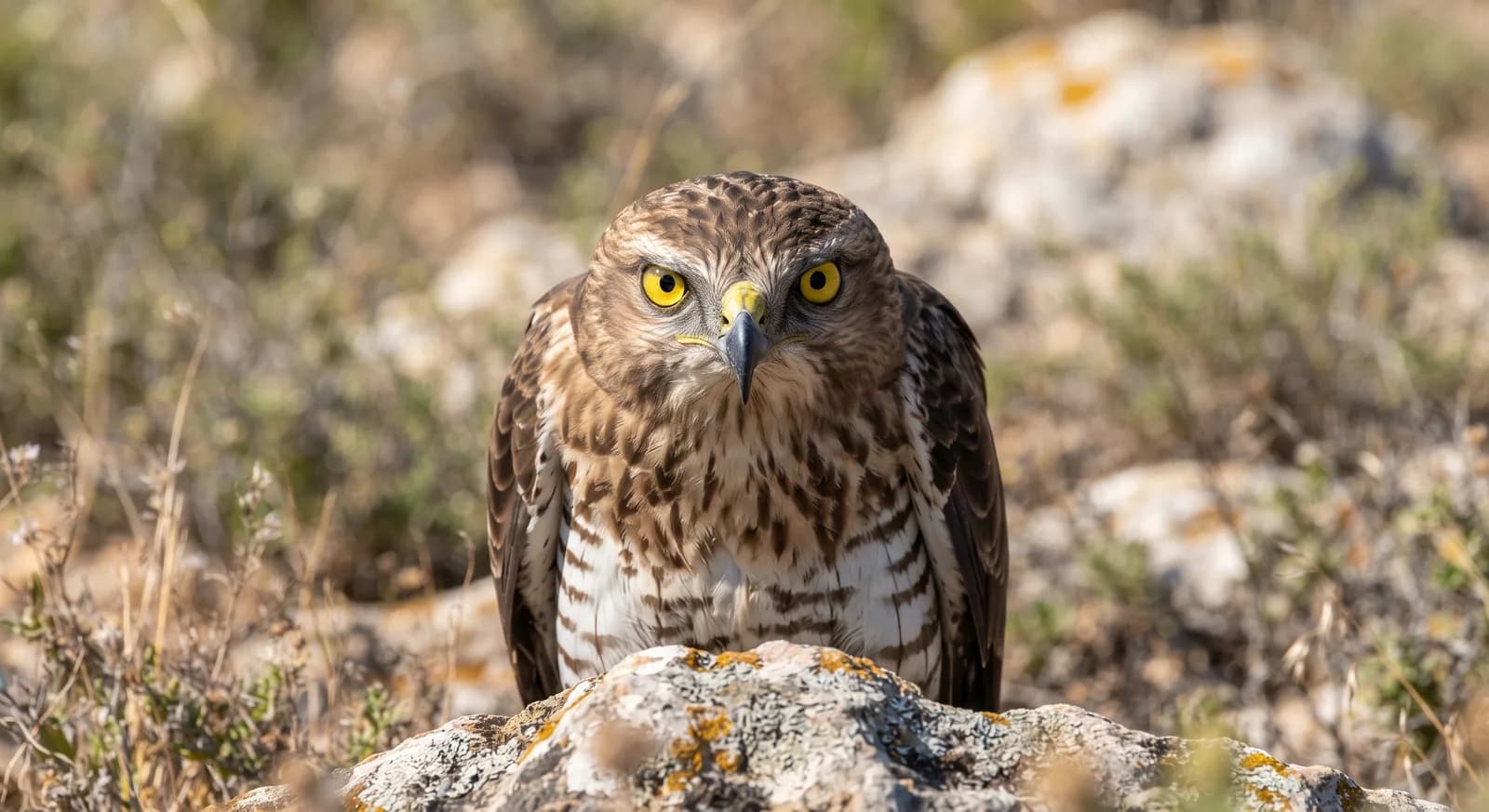
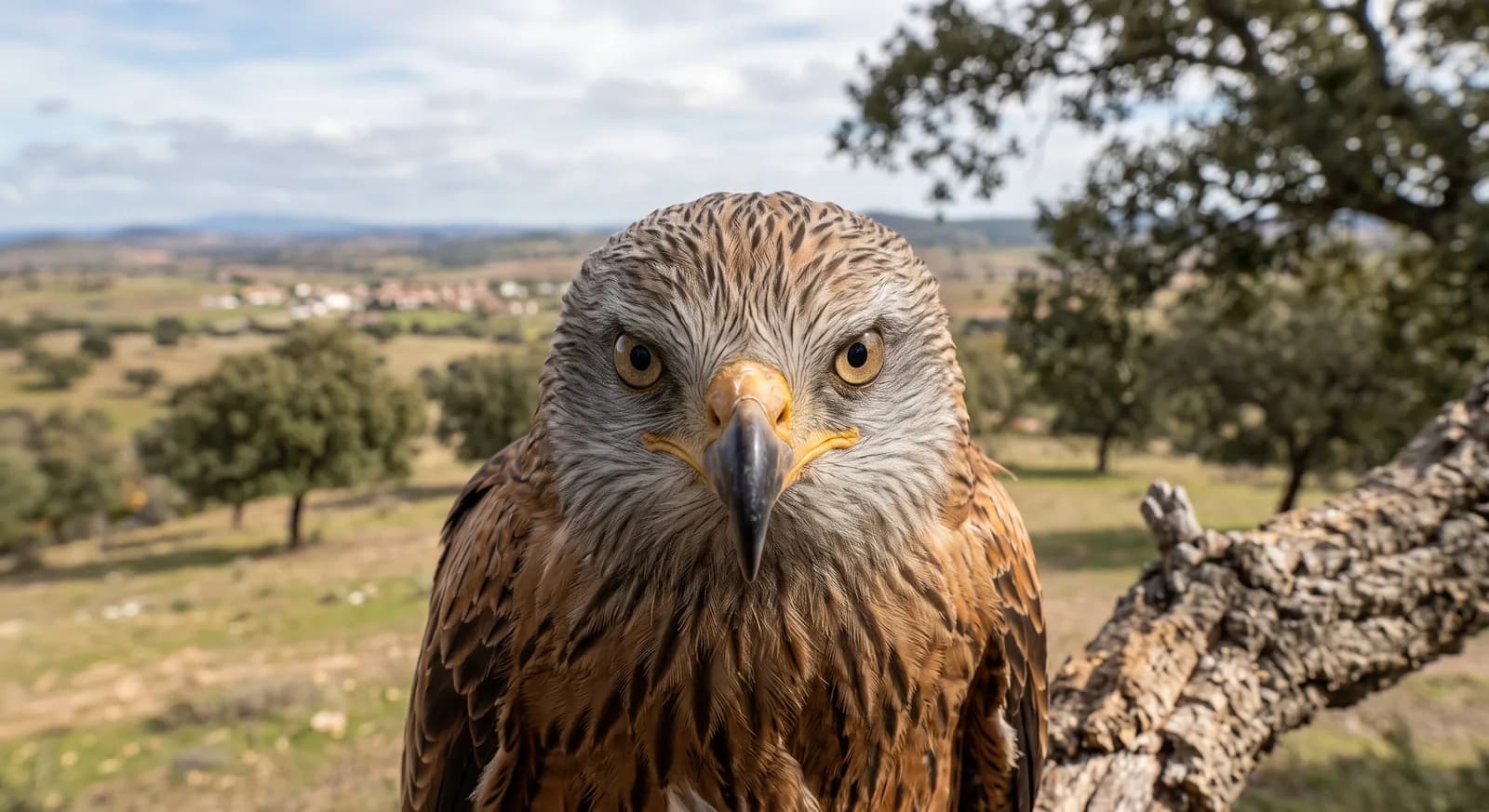
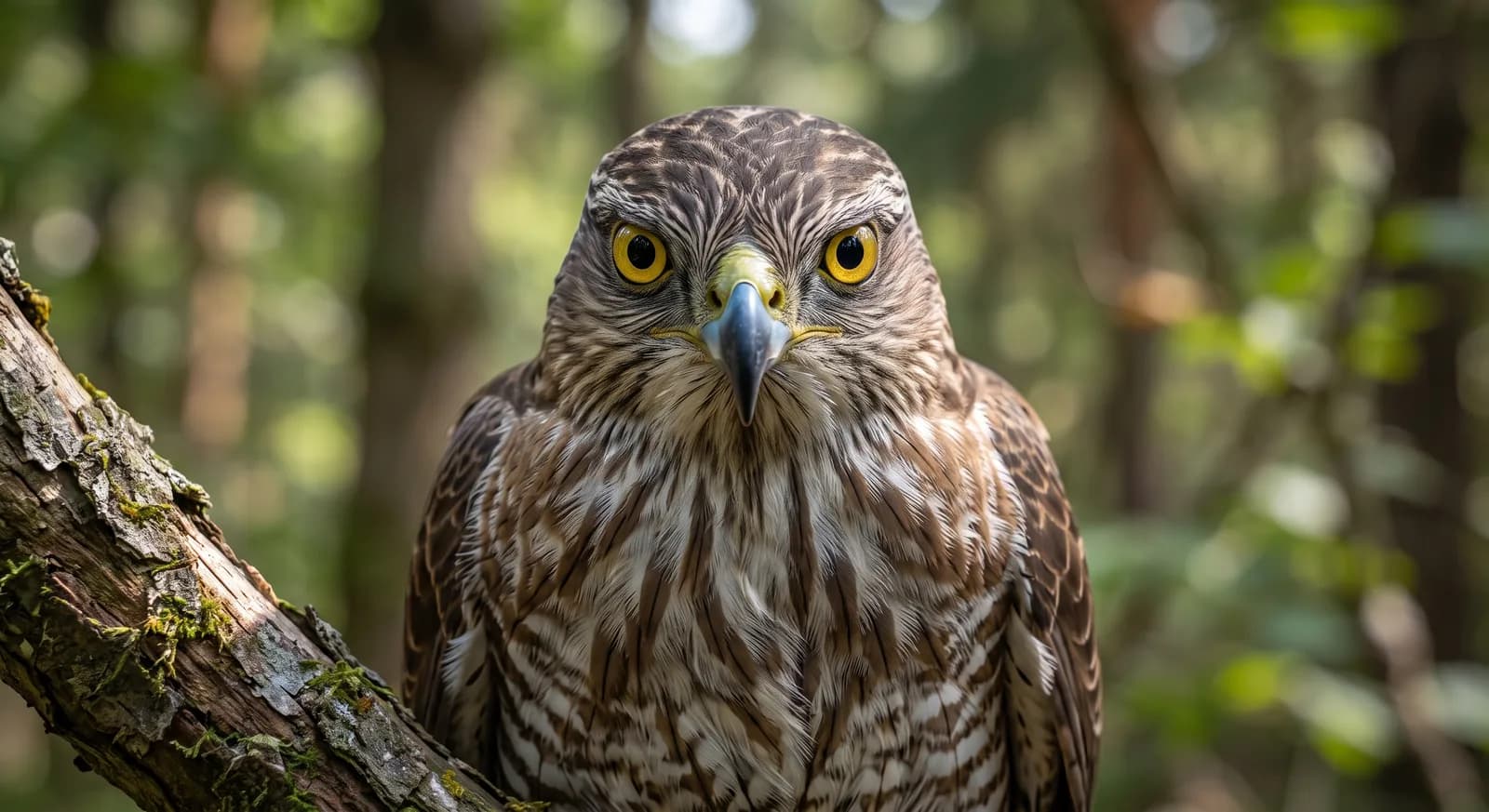
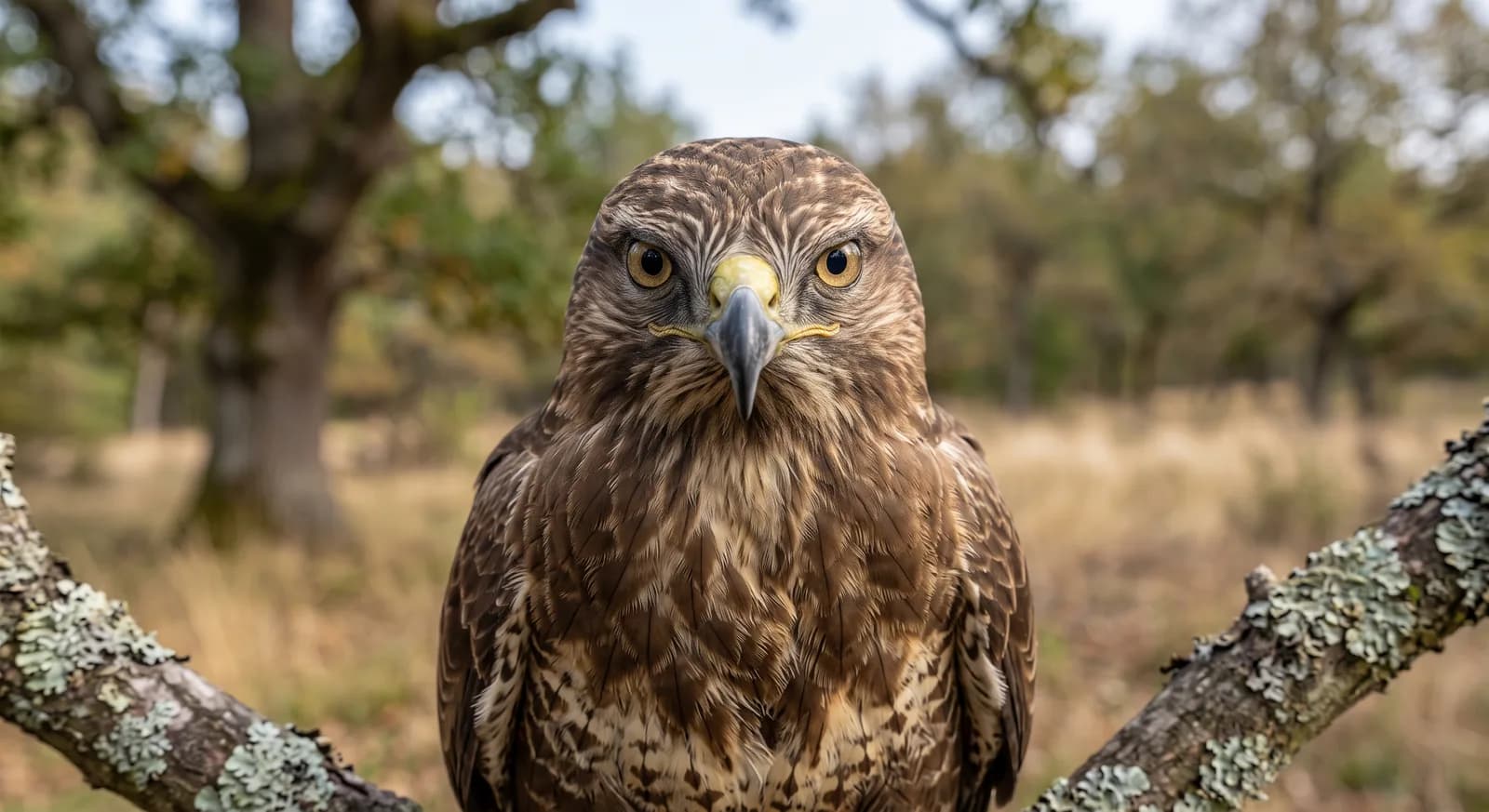
AI-generated images: illustrations, not photographs.
Sources consulted: Animal Diversity Web · A-Z Animals · Birds of the World · Earth Life · Animalia.bio · Binocular Base
Best time: All year round; most visible in March and April, during the display flights, and on autumn passage.
Parks and dive sites where this species has been documented — showing 10 of 256.
Other species in the catalogue with the most in common with Eurasian Sparrowhawk — same habitat, park, country, tags or family.
Based on what we already know about eurasian sparrowhawk.
The pins mark the parks where its presence is documented.