Skip to content
WAnimals
  • Map
  • Species
  • Parks
  • Diving
Log inCreate account
WAnimals

The guide for travellers and animal lovers: discover, plan and share your wild adventures around the world.

Discover wildlife

  • Species
  • Ecosystems
  • Glossary
  • Tags

Explore places

  • Map
  • Countries
  • Parks
  • Diving

Plan experiences

  • Guides

Learn

  • Blog

Resources

  • Help centre
  • Contact
  • Install the app

Follow us

Account

  • Log in
  • Create account

© 2026 WAnimals. All rights reserved.

About usHow we build our profilesTerms of servicePrivacyLegal notice
MapSpeciesParksDiving
  1. Home
  2. countries
  3. Luxembourg

Luxembourg

Europe

390

Documented species

0

Parks and reserves

Despite its small size, Luxembourg keeps more than a third of its surface under forest, a high proportion for western Europe. The north, the Oesling, is part of the Ardennes massif: slate relief, valleys cut deep by the Our and Sûre rivers, and beech and oak woods where red deer, roe deer, wild boar and a well-established population of European wildcat live, one of the best studied on the continent thanks to genetic monitoring by hair traps. The south, the Gutland, is gentler and agricultural, with sandstone outcrops in the Mullerthal region that form damp, shady gorges, a refuge for amphibians, ferns and mosses. The wetlands of Haff Réimech, former gravel pits in the Moselle valley, have been turned into the country's main bird reserve, with more than two hundred species recorded.

Nature in Luxembourg

National animal: No official national animal; the red lion is the heraldic emblem

Did you know?

Luxembourg was one of the first countries to build wildlife overpasses designed specifically for the European wildcat, whose territories were being cut in two by the motorways. Genetic studies have shown that hybridisation with domestic cats is lower here than in neighbouring countries, which makes its population a genetic reserve of real importance for the species on a European scale.

Biodiversity profile

Conservation

One of the countries with the highest traffic density in Europe, it has committed to ecological corridors and wildlife crossings. The water quality of the Sûre and the Alzette determines the otter's recovery.

Where and when to watch wildlife

The Our valley in autumn for the red deer rut. Haff Réimech between October and March for wintering waterbirds. The Mullerthal in spring for amphibians and woodland birds.

Similar countries

Where else might I want to travel?

Germany

Same region: Western Europe

United Kingdom

Same region: Western Europe

Ireland

Same region: Western Europe

Netherlands

Same region: Western Europe

Species documented in Luxembourg

Filter
Class
Family
Habitat
Diet
Conservation

390 species found

Keep exploring

Based on what we already know about Luxembourg.
Explore by category

Discover wildlifeSpecies, ecosystems and everything protecting themExplore placesThe map, countries, parks and dive sites

Explore on the map

Interactive map

This page in other languages: Español · Deutsch · Français · Português · Italiano
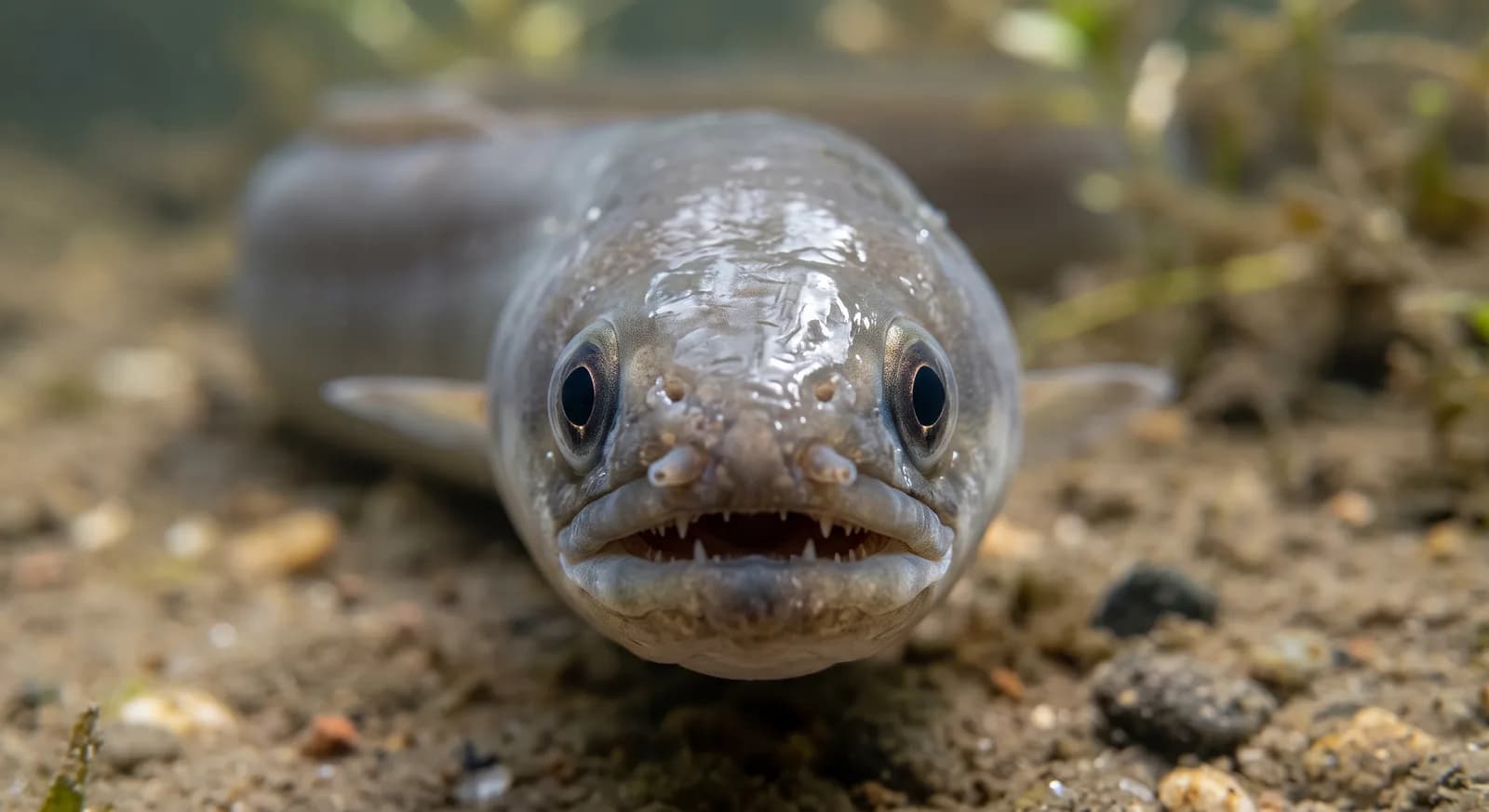
European EelCritically Endangered

European Eel

Anguilla anguilla

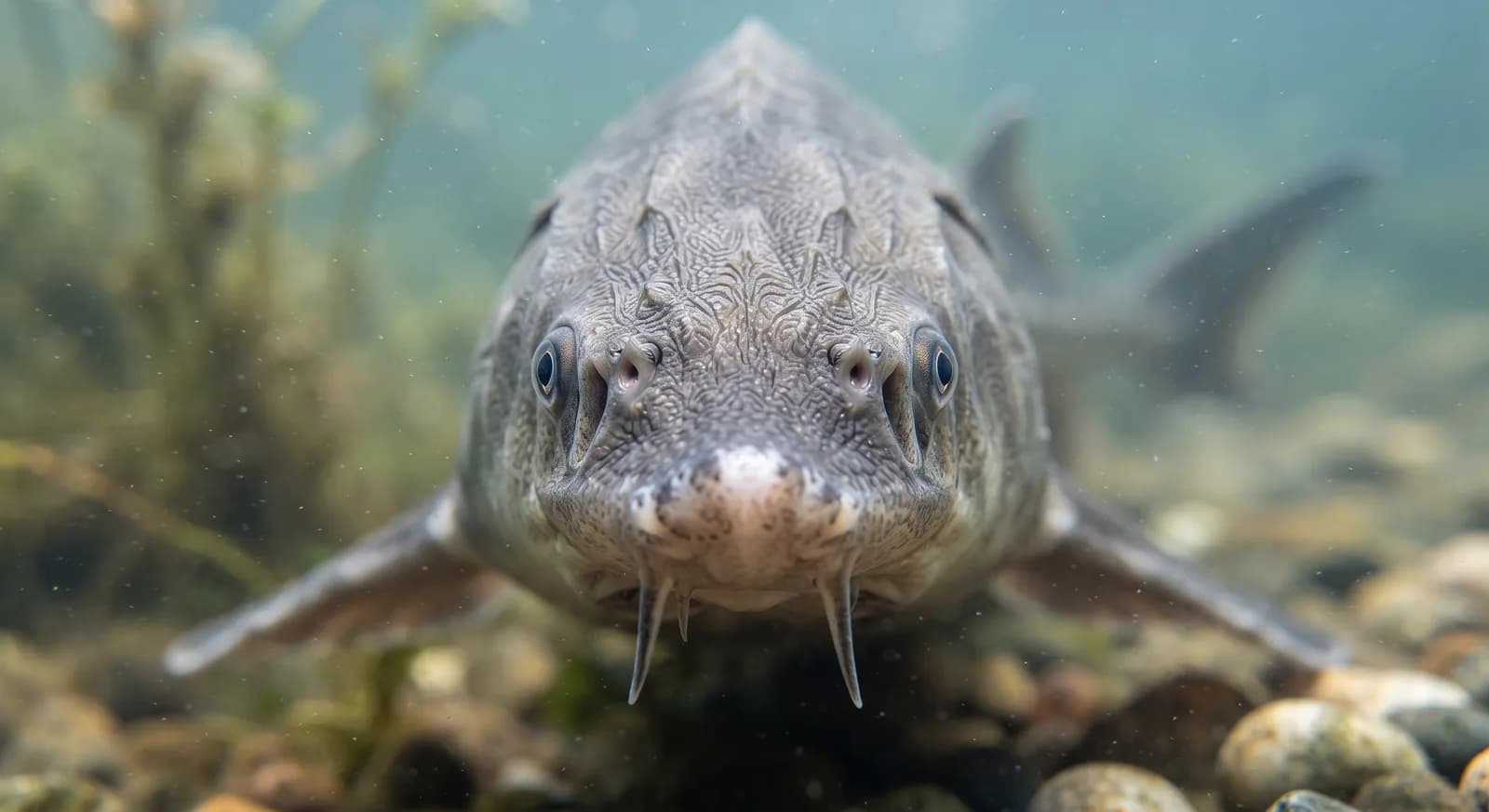
SturgeonCritically Endangered

Sturgeon

Acipenser sturio

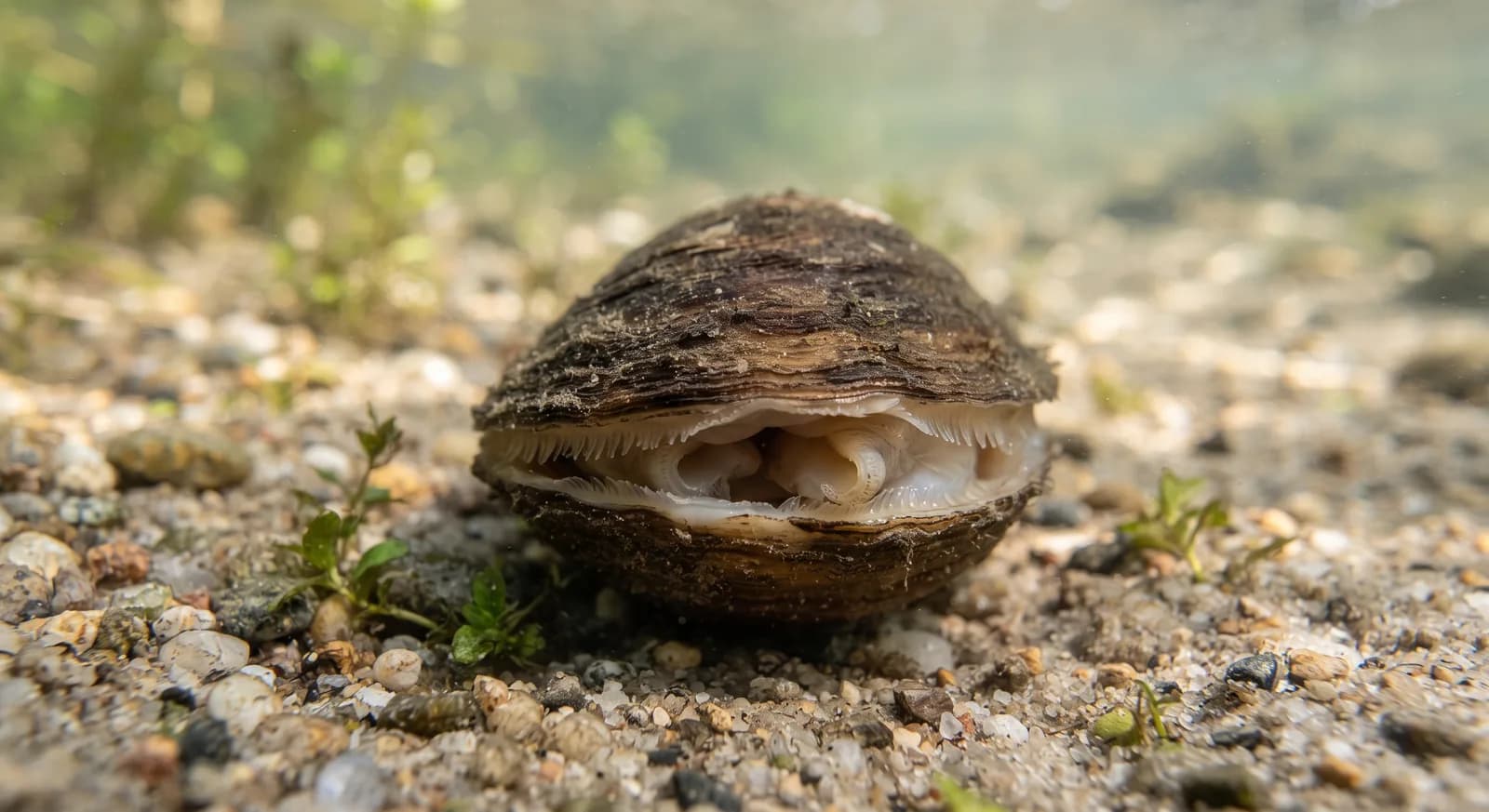
Freshwater Pearl MusselEndangered

Freshwater Pearl Mussel

Margaritifera margaritifera

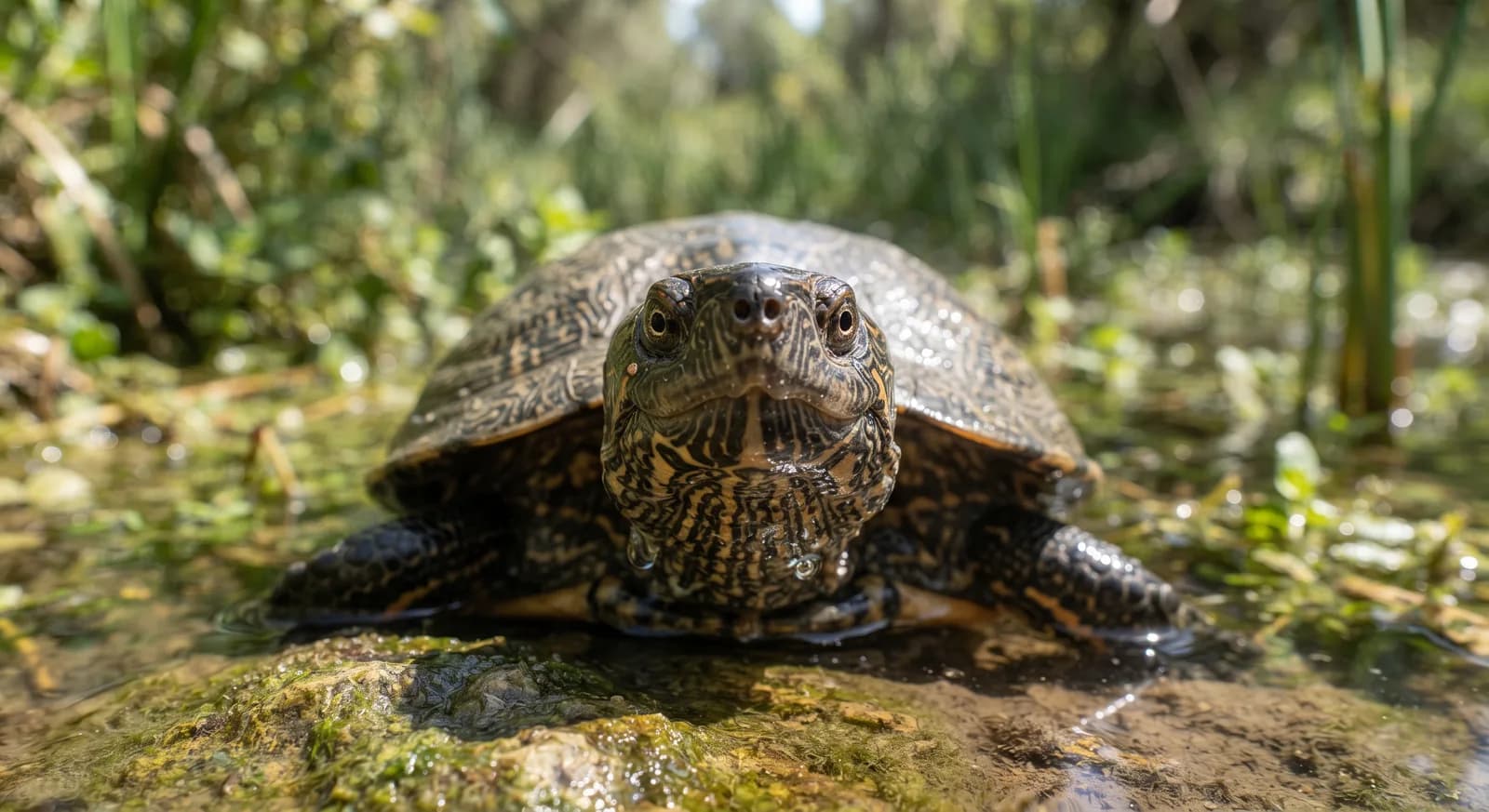
Spanish TerrapinVulnerable

Spanish Terrapin

Mauremys leprosa

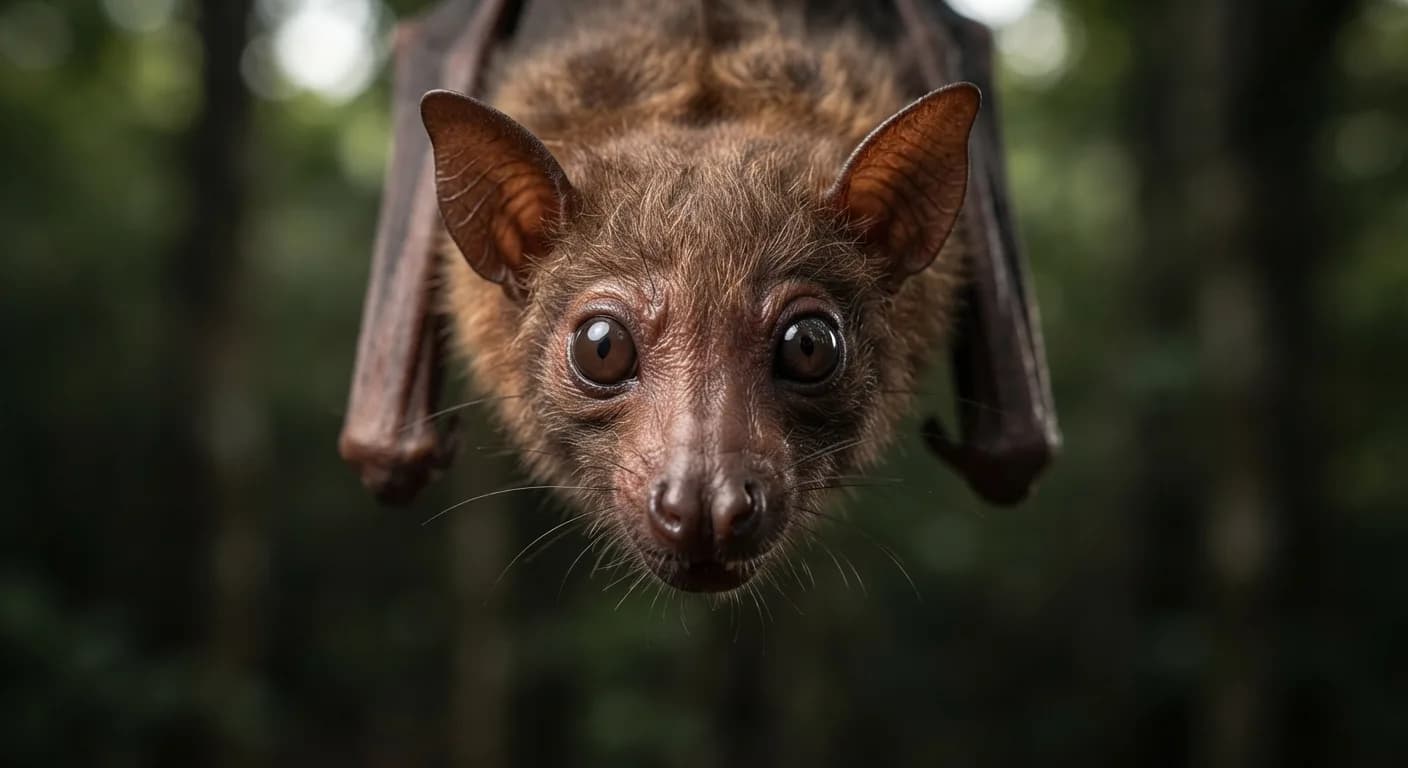
Giant NoctuleVulnerable

Giant Noctule

Nyctalus lasiopterus

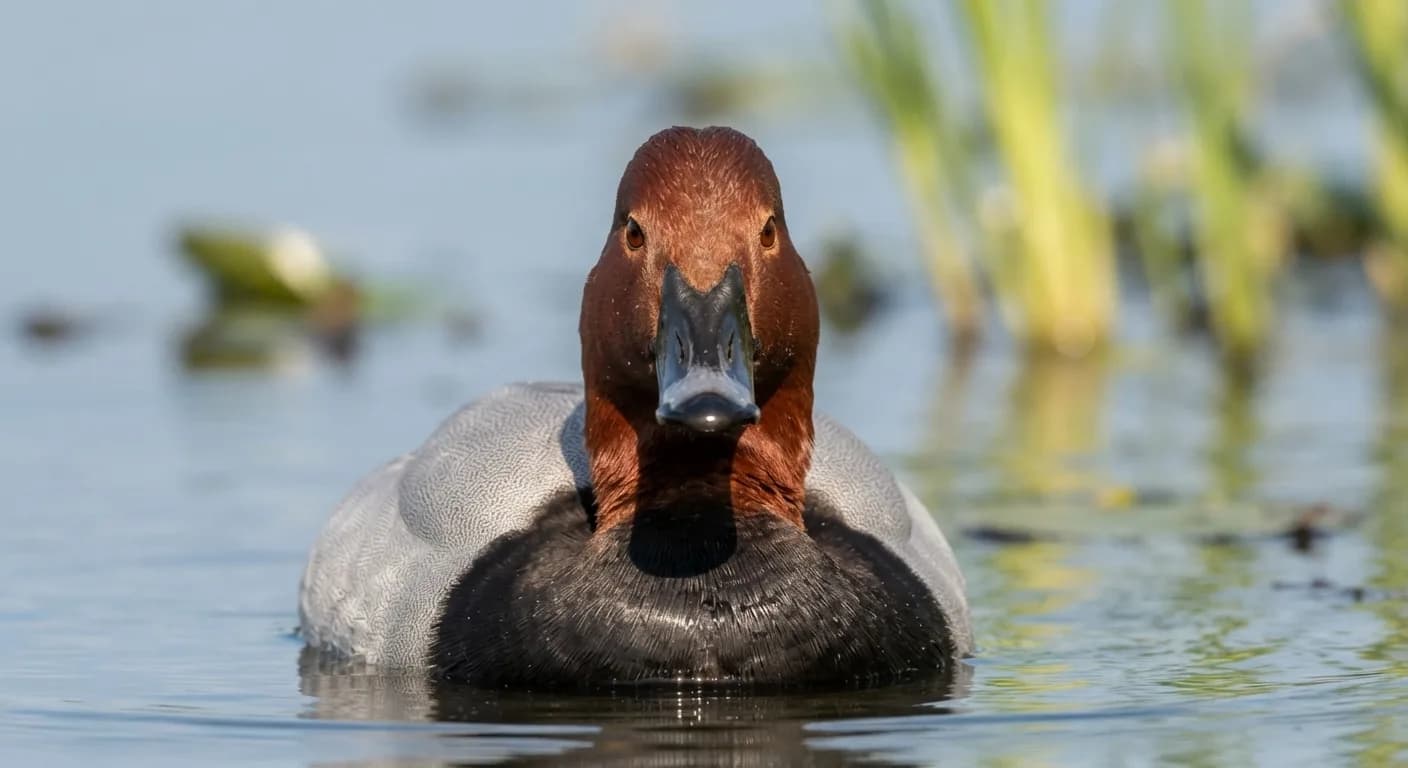
Common PochardVulnerable

Common Pochard

Aythya ferina

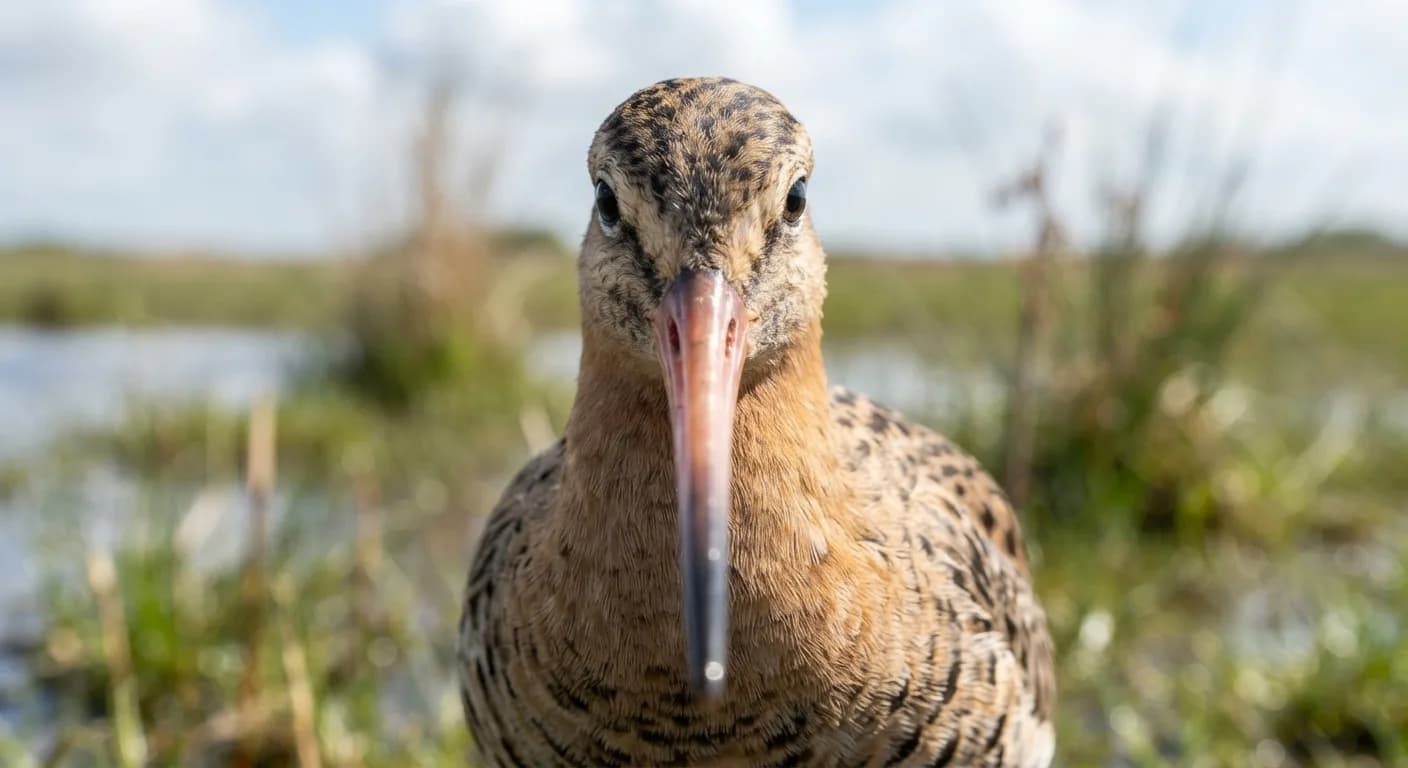
Black-tailed GodwitNear Threatened

Black-tailed Godwit

Limosa limosa

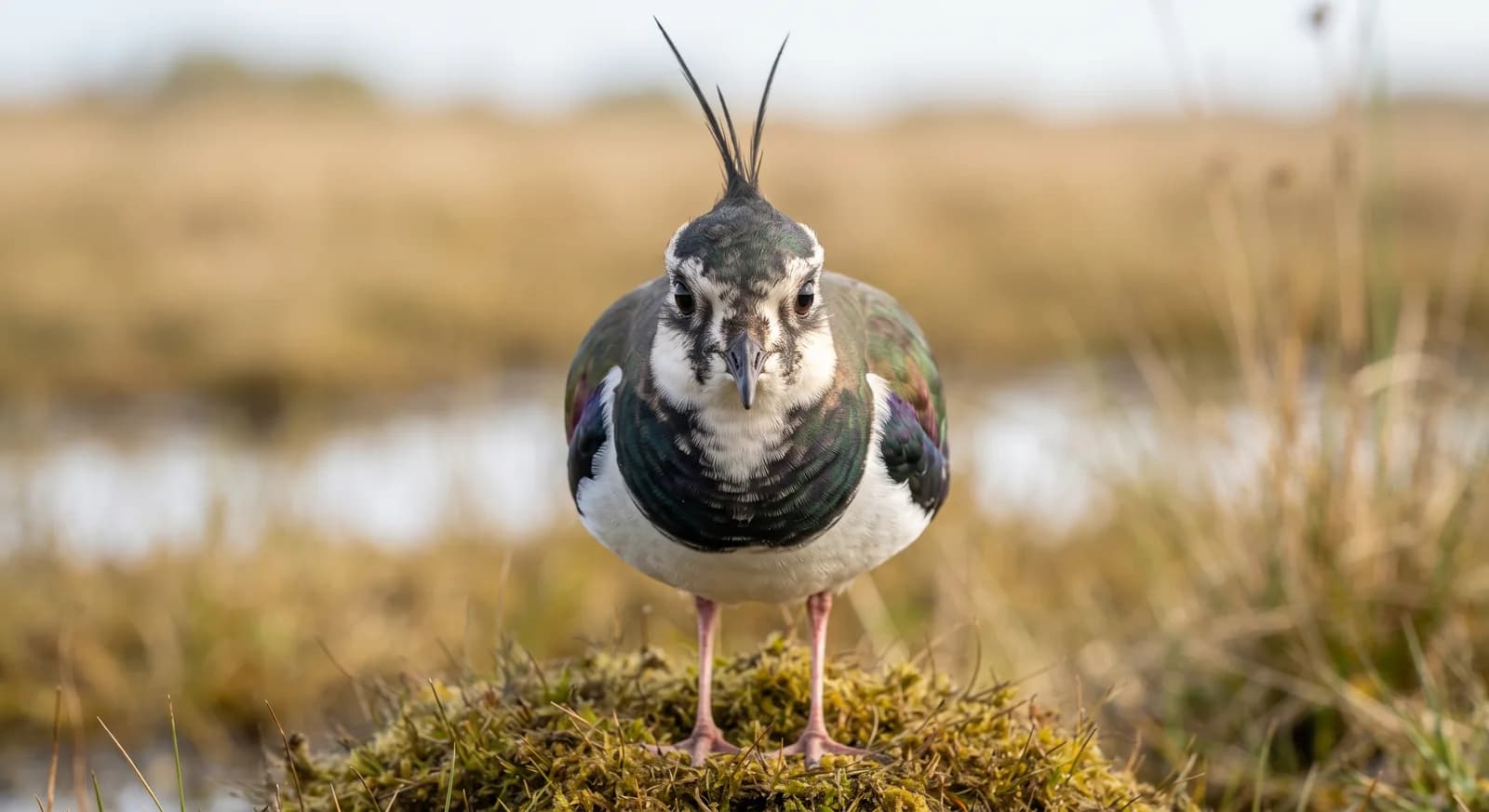
Northern LapwingNear Threatened

Northern Lapwing

Vanellus vanellus

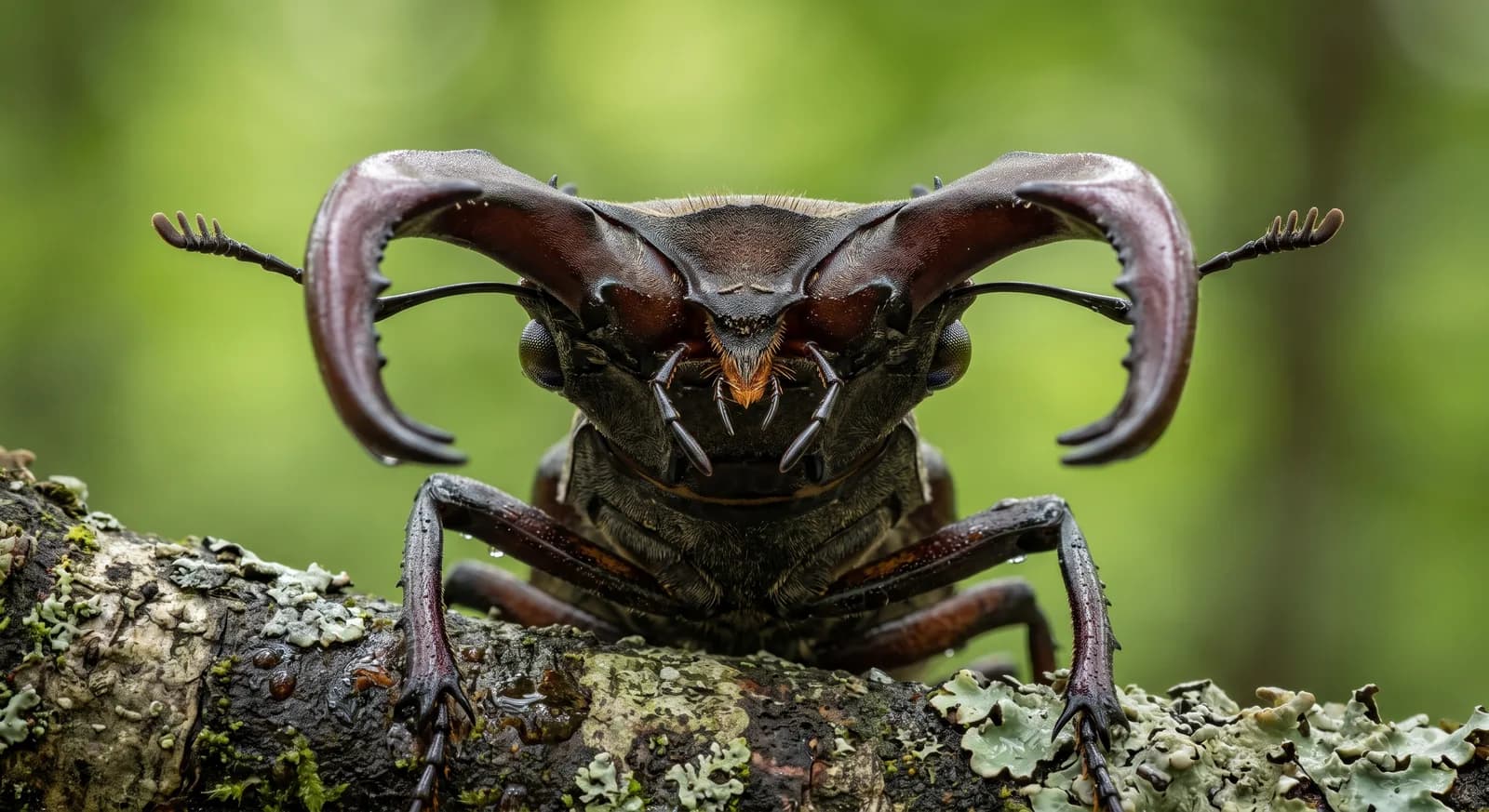
Stag BeetleNear Threatened

Stag Beetle

Lucanus cervus

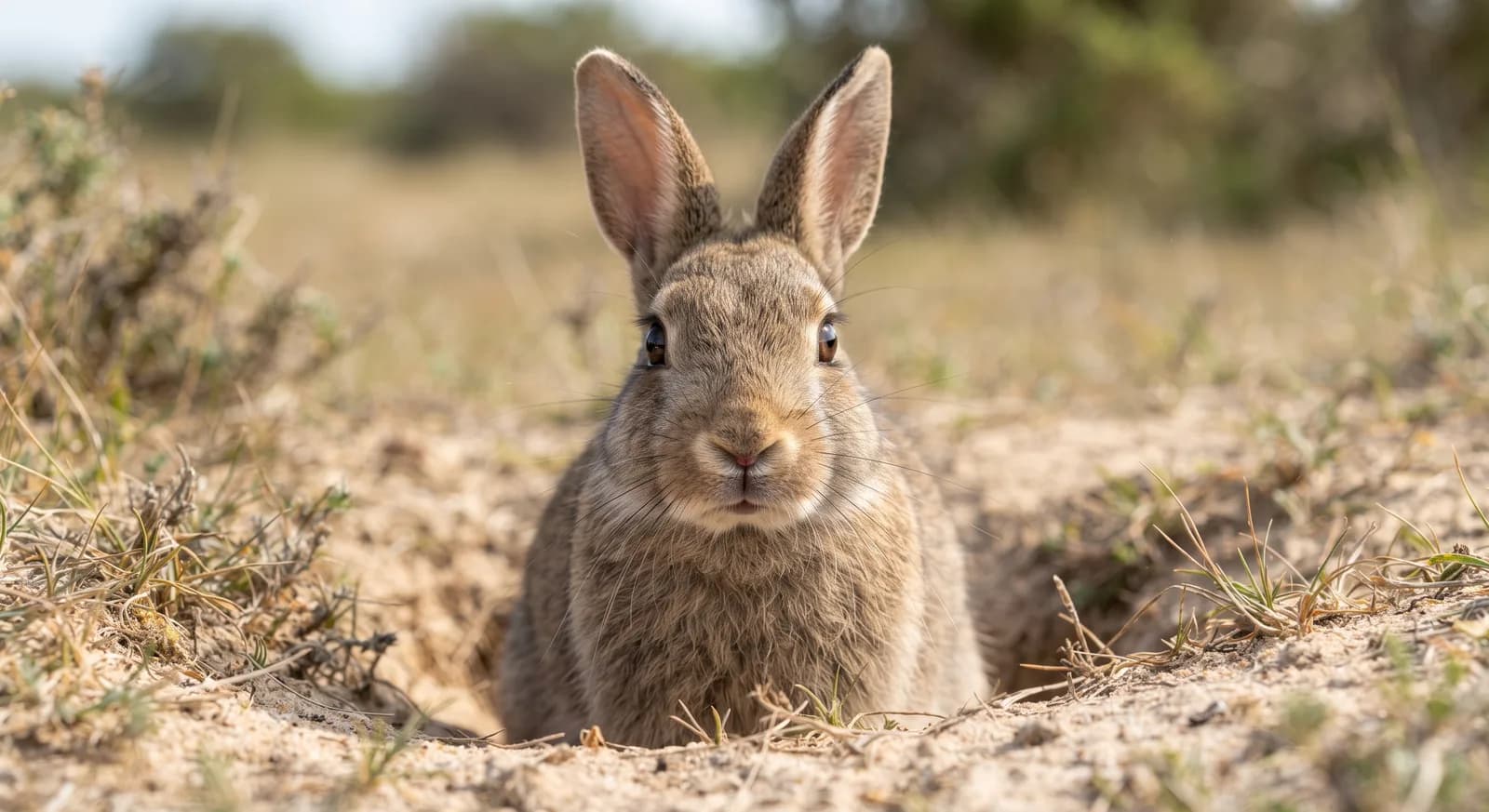
European RabbitNear Threatened

European Rabbit

Oryctolagus cuniculus

West European HedgehogNear Threatened

West European Hedgehog

Erinaceus europaeus

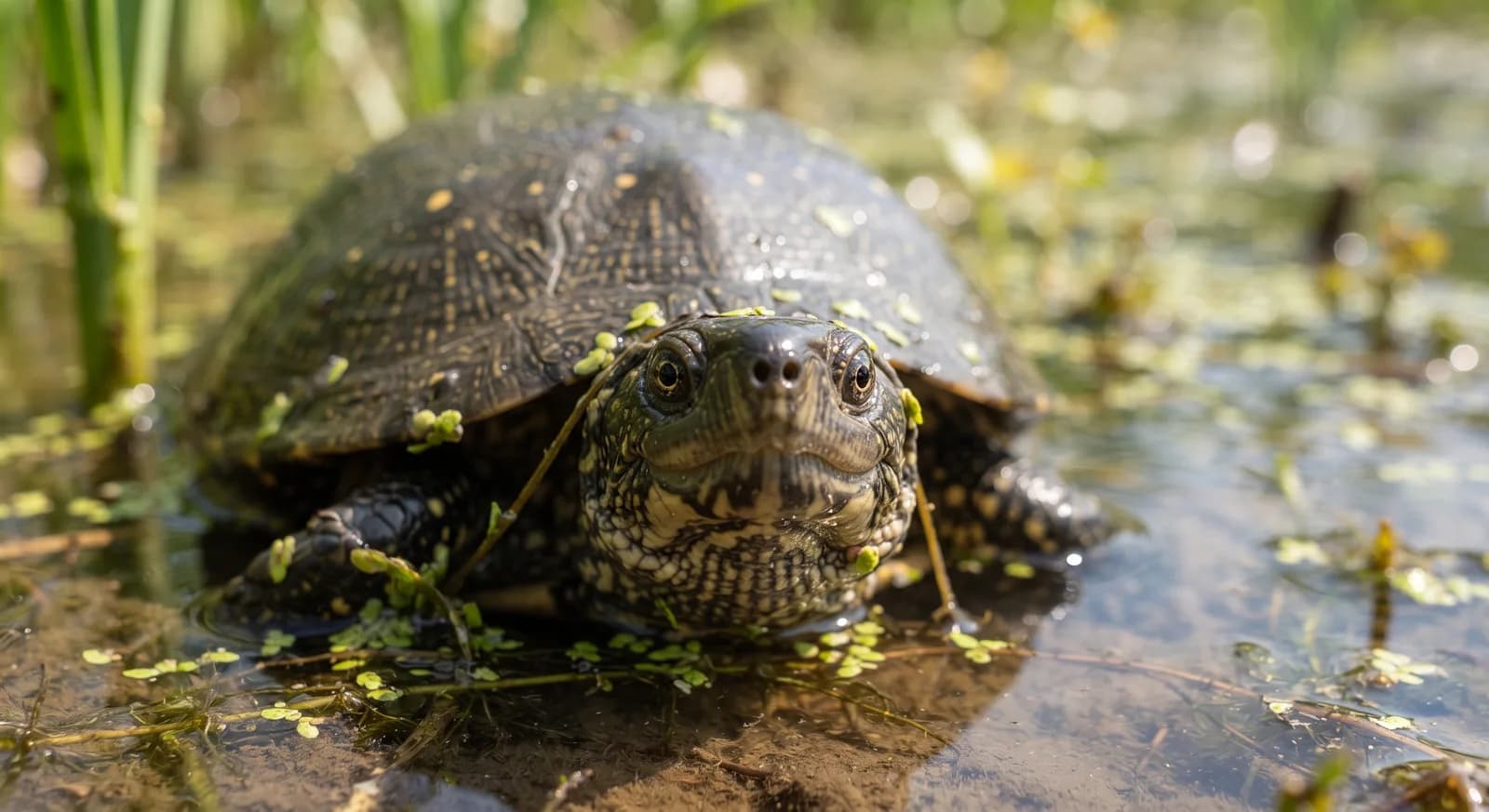
European Pond TurtleNear Threatened

European Pond Turtle

Emys orbicularis

Page 1 of 33
Temperate forest