 Critically Endangered
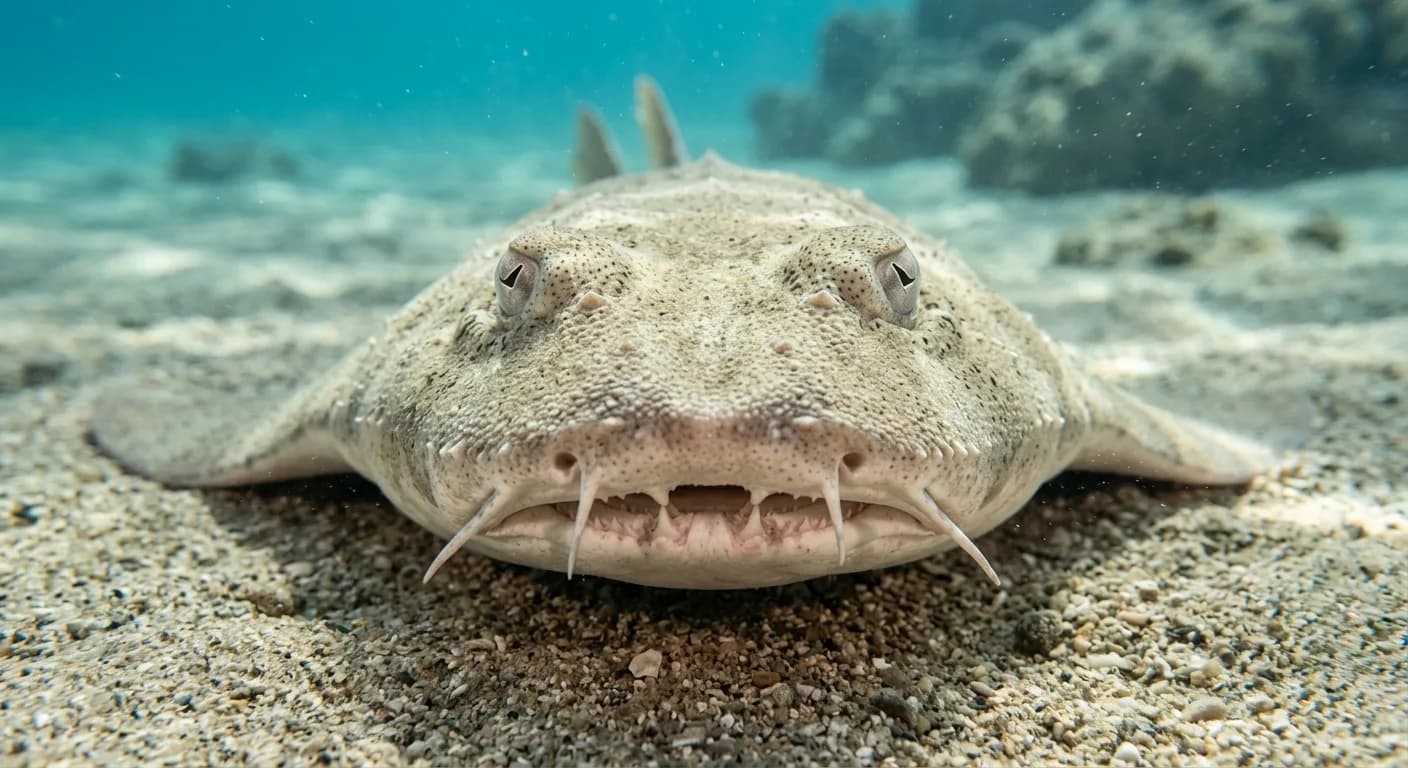
Angelshark
Squatina squatina
Europe
Bosnia and Herzegovina is a country of karst and of water: its Dinaric limestone is crossed by intensely blue rivers, deep gorges and some of the richest underground systems on the planet. Sutjeska national park protects Perućica, one of the last two primeval forests left in Europe, with beeches and firs over fifty metres tall and deadwood piled up over centuries, the habitat of brown bear, wolf, lynx and capercaillie. The Una, Neretva and Tara rivers offer oligotrophic waters and travertine falls, and the Hutovo Blato wetland, fed by karst springs, is the main waterbird stopover in the south of the country. The mountains of Herzegovina, drier and more Mediterranean, hold griffon vultures and a cliff flora full of Dinaric endemics.
National animal: No official national animal
The Vjetrenica cave, in Herzegovina, is considered the cave with the greatest diversity of subterranean fauna in the world: more than ninety species adapted to life without light have been described there, and several dozen exist nowhere else. Among them is the olm, and also blind, unpigmented crustaceans, worms and molluscs that have spent millions of years isolated in its network of flooded galleries.
The proliferation of small hydroelectric plants on mountain rivers is the main threat to the endemic trout and the Dinaric river fauna. Perućica is a European scientific reference on forest dynamics without intervention.
Sutjeska in summer to walk the edge of the primeval forest of Perućica. Hutovo Blato between October and March for wintering waterbirds. The gorges of Herzegovina year-round for griffon vulture.
Where else might I want to travel?
Same region: The Balkans
Same region: The Balkans
Same region: The Balkans
Same region: The Balkans
503 species found
Based on what we already know about Bosnia and Herzegovina.