Skip to content
WAnimals
  • Map
  • Species
  • Parks
  • Diving
Log inCreate account
WAnimals

The guide for travellers and animal lovers: discover, plan and share your wild adventures around the world.

Discover wildlife

  • Species
  • Ecosystems
  • Glossary
  • Tags

Explore places

  • Map
  • Countries
  • Parks
  • Diving

Plan experiences

  • Guides

Learn

  • Blog

Resources

  • About us
  • How we build our profiles
  • Help centre
  • Contact
  • Install the app

Follow us

Account

  • Log in
  • Create account

© 2026 WAnimals. All rights reserved.

Terms of servicePrivacyCookiesLegal notice
MapSpeciesParksDiving
  1. Home
  2. Species
  3. White-clawed Crayfish

One of the 22 crabs on WAnimals

White-clawed Crayfish (Austropotamobius pallipes)

Malacostracans · Decapoda · Astacidae

White-clawed Crayfish

Austropotamobius pallipes

Endangered

At very high risk of extinction in the wild in the near future.

Spotted something wrong?

The white-clawed crayfish is a decapod malacostracan of the family Astacidae that ranges from the Balkan Peninsula to the Iberian Peninsula and reaches the British Isles, where its population density is highest. Before the invasion of the American crayfish and crayfish plague, river and stream pollution and mass fishing, it was very abundant throughout the Iberian Peninsula, Italy and Sicily. It is now endangered. It lives in shallow rivers and streams, where it hides under stones and logs, and in lakes.

Size

8 cm – 12 cm

Life expectancy

12 years

Diet

Omnivore

Combines animal and plant food depending on availability.
Activity

Nocturnal

Active mainly at night.

Social structure

Solitary

Lives and hunts alone, joining others only to breed.

Freshwater
12countries23parks2same family

AI-generated images: illustrations, not photographs.

Fun facts

  • It has no resistance at all to crayfish plague, a fungus introduced with American crayfish that can wipe out a whole river population within a few weeks.
  • It is listed in Annex II of the European Union Habitats Directive, which requires special areas of conservation to be designated.
  • Its presence indicates clean, well-oxygenated water: it disappears at the first serious organic pollution.
  • It is the native river crayfish of the Iberian Peninsula and much of western Europe, and it is listed as Endangered.
  • Its decline has one main culprit: aphanomycosis, or crayfish plague, caused by the oomycete Aphanomyces astaci, which arrived with the American crayfish introduced in the 1970s and which is almost always fatal to European species.
  • The American carriers, the red swamp crayfish and the signal crayfish, barely fall ill, so they act as a permanent reservoir: their mere presence in the basin is enough to keep native populations from recovering.
  • Added to that are direct competition, pollution and the fragmentation of rivers by dams and weirs.
  • Its conservation now rests on refuge populations in isolated headwaters, with no connection to stretches where American crayfish occur.
  • Its presence is an indicator of good water quality, because it is among the first invertebrates to disappear when a river degrades.

Life cycle and biology

Skeleton type
Invertebrate - chitin exoskeleton (crustacean)
Habitat and environment
Clean, cool, hard-water rivers and streams, with refuges under stones
Sexual maturity
3-4 years

Sources consulted: Wikipedia (es): Austropotamobius pallipes

Where to find it

Loading map…

The pins mark the parks where its presence is documented.

Where to see it

Parks and dive sites where this species has been documented — showing 10 of 23.

Related species

Other species in the catalogue with the most in common with White-clawed Crayfish — same habitat, park, country, tags or family.

Same taxonomic family
Shares a park
Shares a park
Shares a park
Shares a park

How to help

The white-clawed crayfish is classified as endangered. Organisations such as the IUCN, WWF and the Wildlife Conservation Society work specifically on its conservation and that of its habitat; looking into their programmes is a good starting point if you want to get involved.

It's documented in 9 protected areas — one reason why protecting these places matters for its conservation.

Keep exploring

Based on what we already know about white-clawed crayfish.

Share an experience, a fun fact or a tip for seeing the white-clawed crayfish.
See full glossary
This page in other languages: Español · Deutsch · Français · Português · Italiano
See its range on the interactive map→
Picos de EuropaSpain
Ordesa y Monte PerdidoSpain
Aigüestortes i Estany de Sant MauriciSpain
CévennesFrance
Bavarian Forest (Bayerischer Wald)Germany
Pyrenees National ParkFrance
Yorkshire DalesUnited Kingdom
Sierra de GuadarramaSpain
VercorsFrance
Black Forest (Schwarzwald)Germany
See all 23 parks
Vulnerable

Noble Crayfish

Astacus astacus

Least Concern

Signal Crayfish

Pacifastacus leniusculus

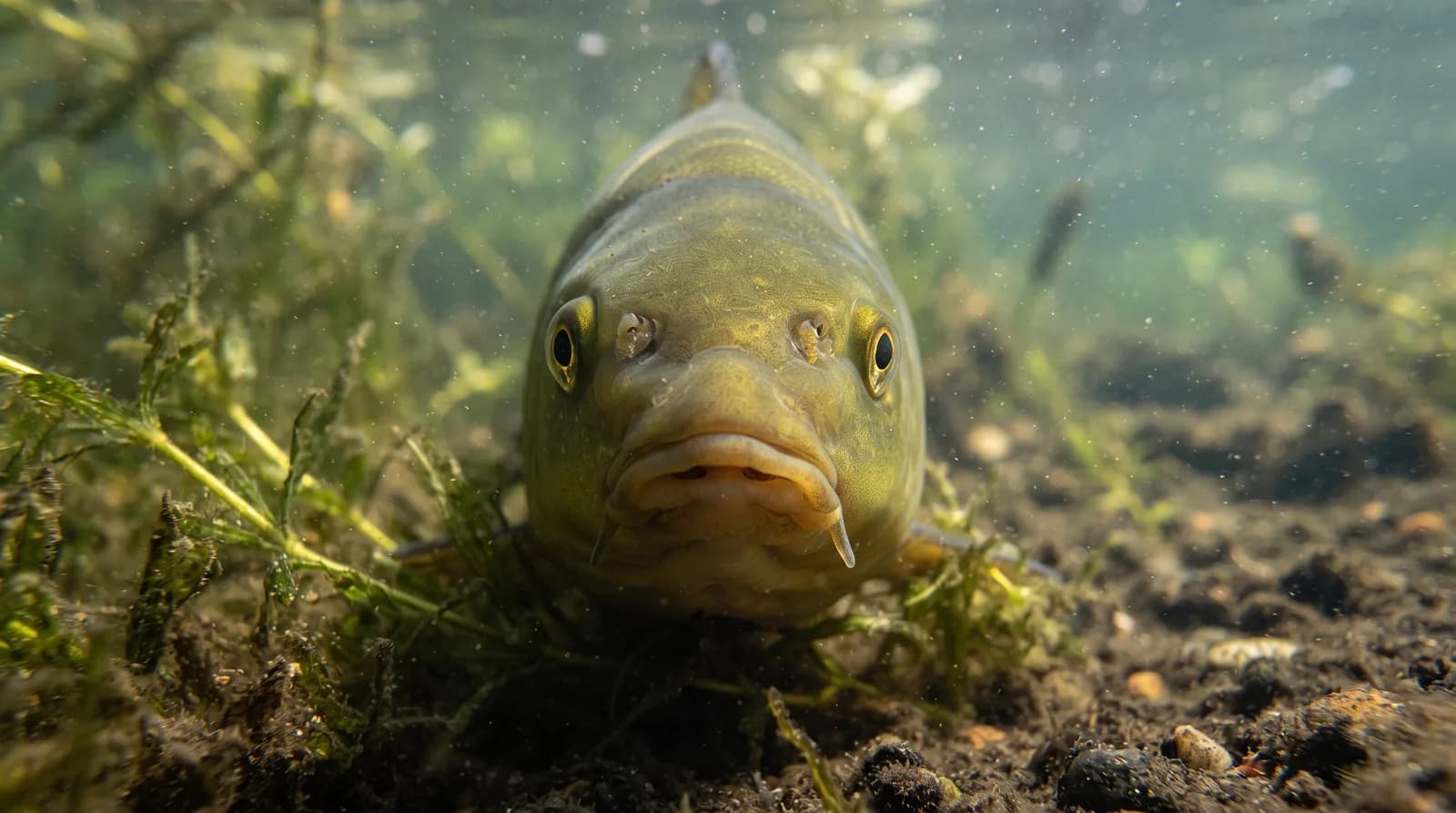
TenchLeast Concern

Tench

Tinca tinca

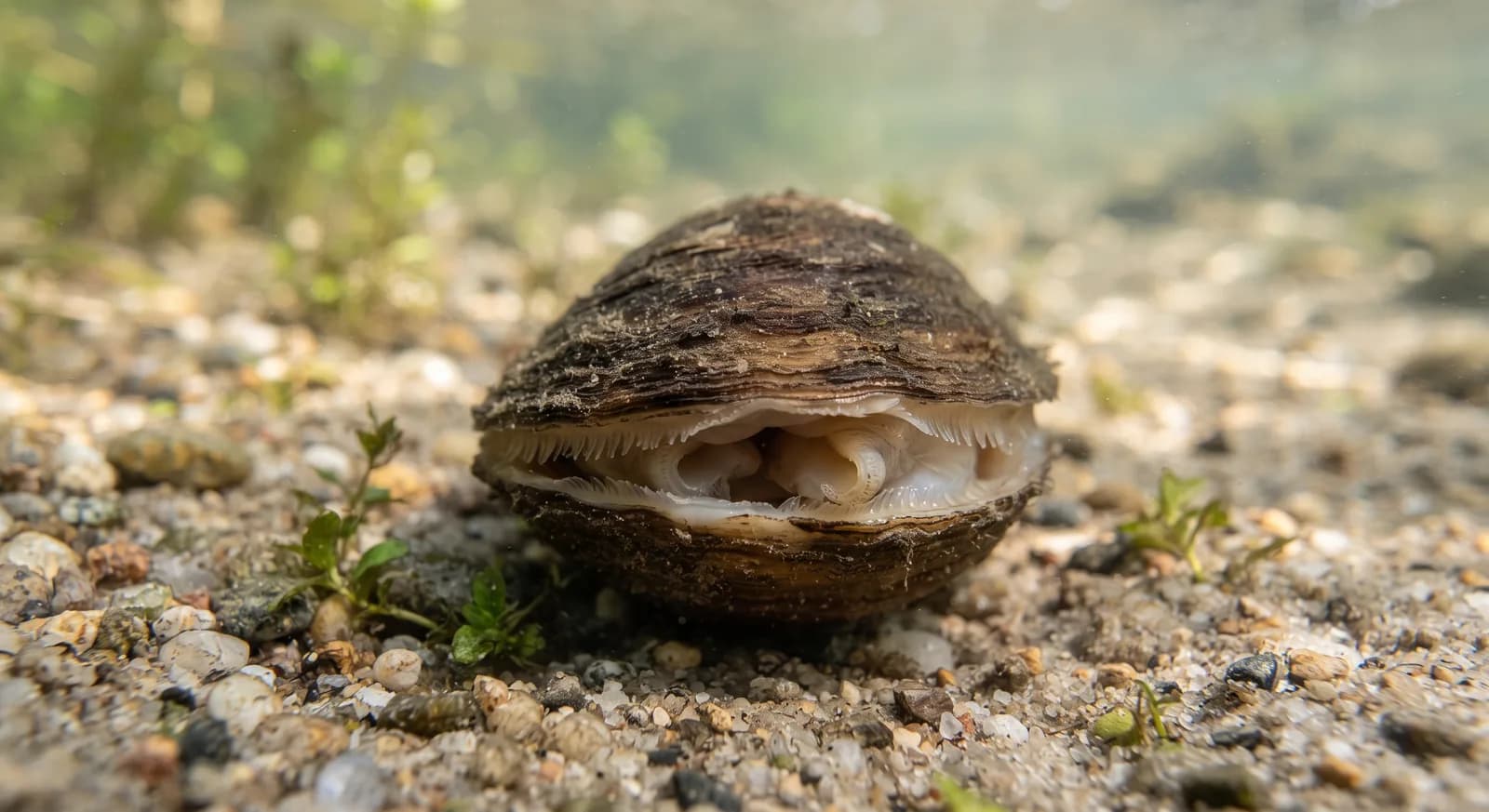
Freshwater Pearl MusselEndangered

Freshwater Pearl Mussel

Margaritifera margaritifera

Endangered

Pyrenean Frog

Rana pyrenaica

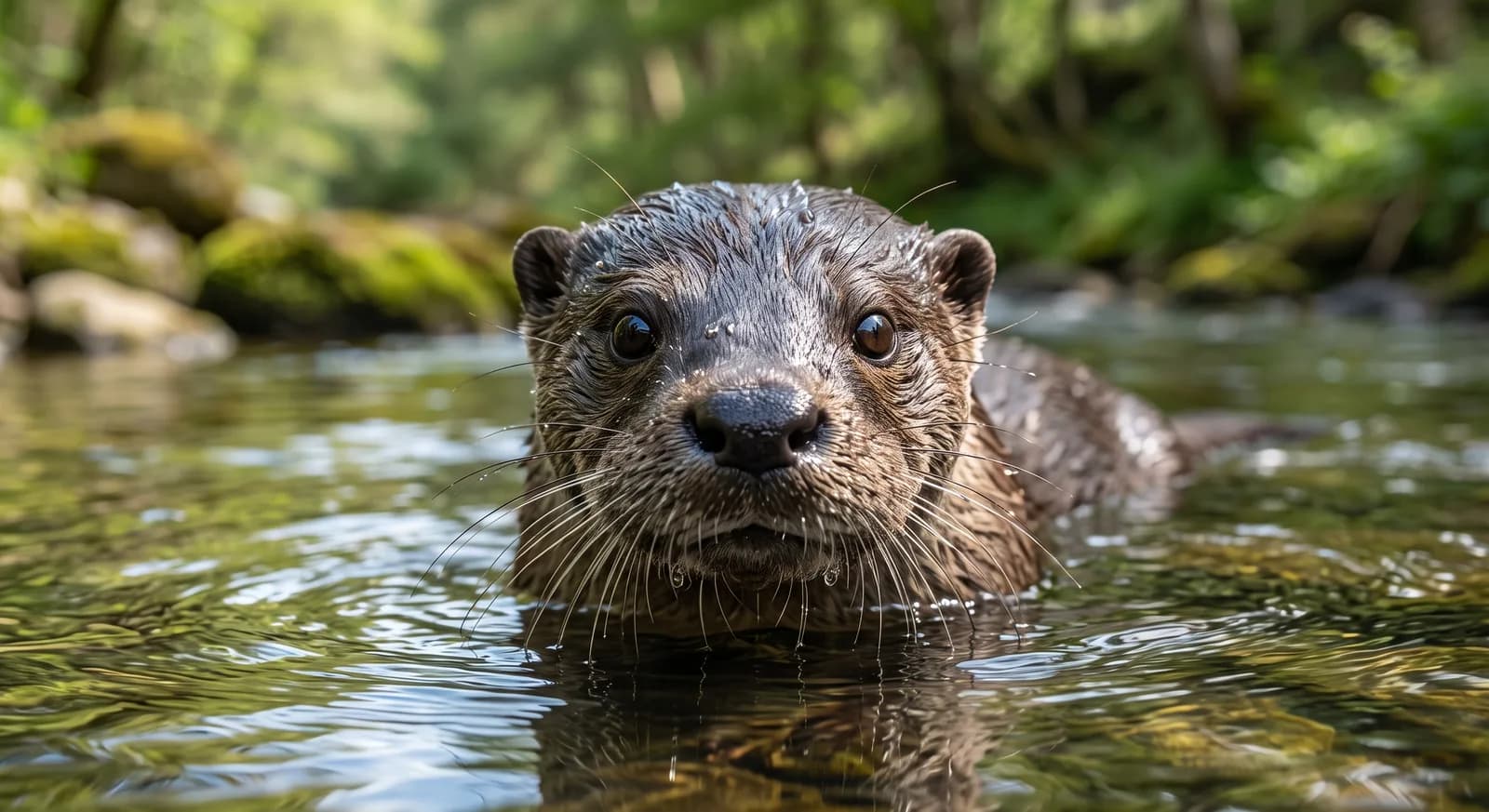
European OtterNear Threatened

European Otter

Lutra lutra

CountriesSpain
ParksPicos de EuropaSpain
TagsOmnivore
Omnivore
Nocturnal
Solitary
Endangered
Freshwater
Crustacean
Spain
France
Germany
United Kingdom
Austria
Bosnia and Herzegovina
Austria
Bosnia and Herzegovina
Croatia
France
Germany
Ireland
Italy
Montenegro
Slovenia
Spain
Switzerland
United Kingdom