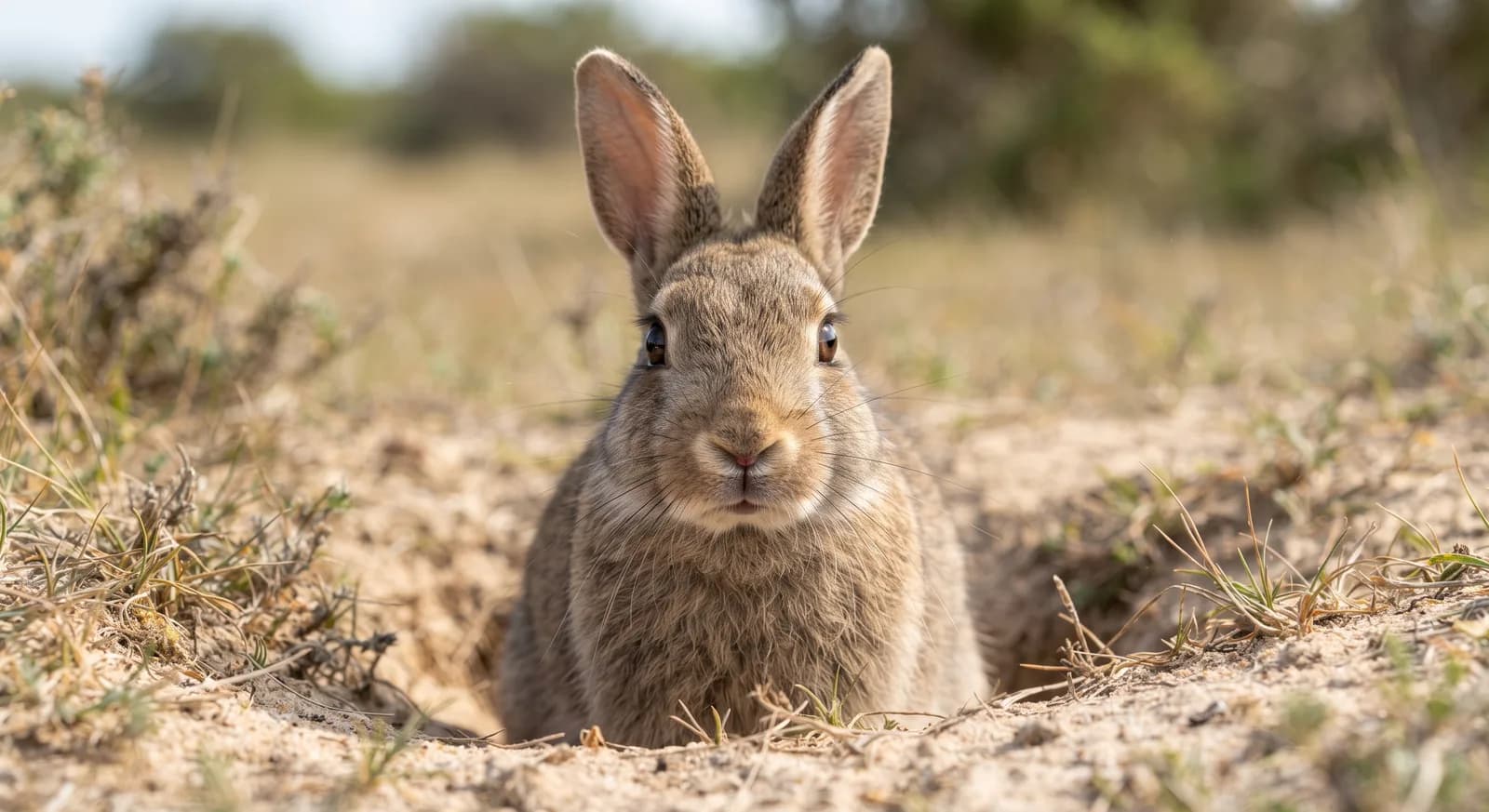
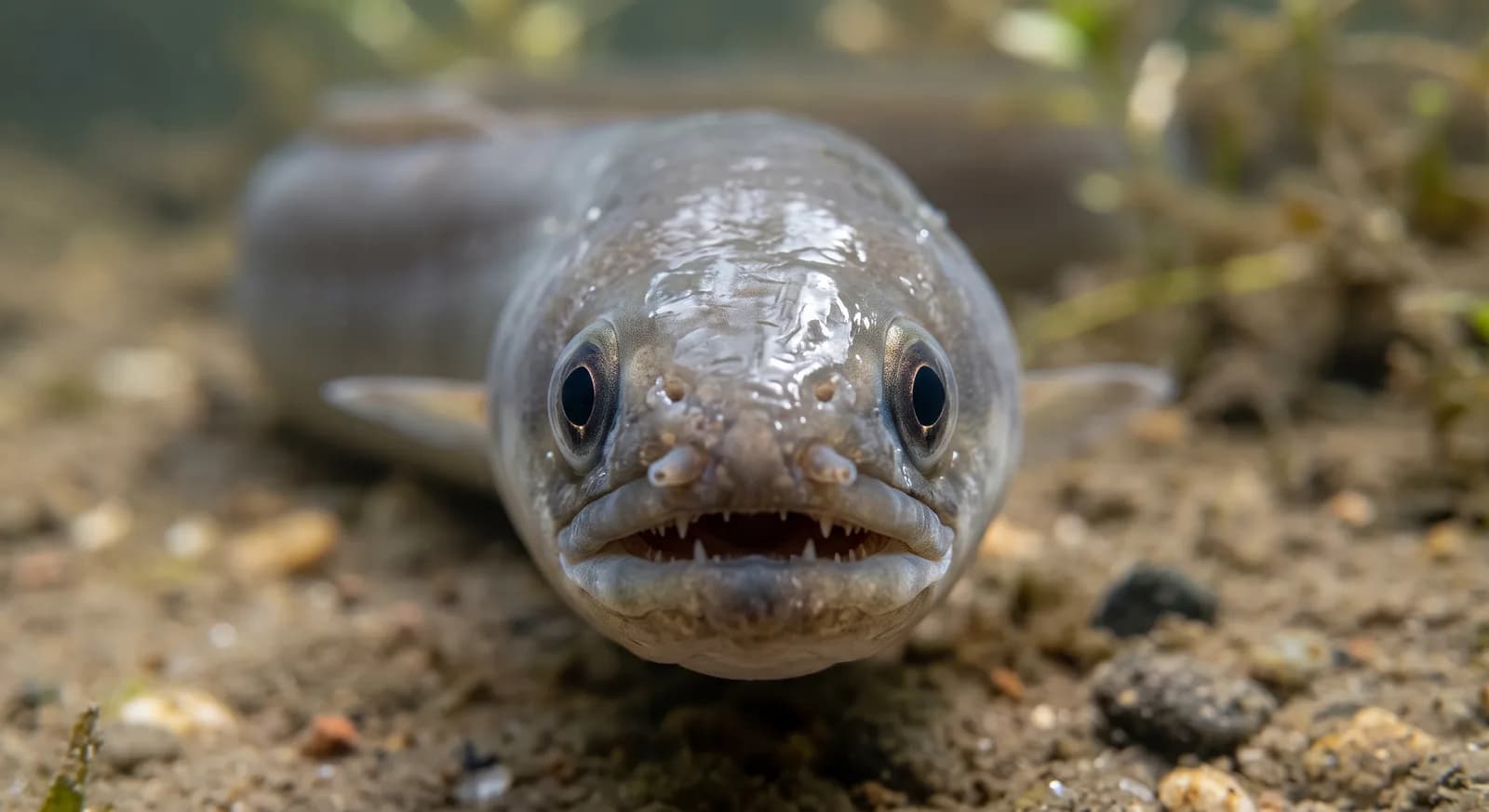
 Critically Endangered
European Eel
Anguilla anguilla
Europe
Switzerland is a vertical country: the Alps take up almost two thirds of its surface and create a stepped range of environments from the temperate forests of the Mittelland to glaciers and rock faces above four thousand metres. Above the treeline live ibex, chamois, marmots, mountain hares and ptarmigan, with their characteristic seasonal moult of coat and plumage to winter white. The Swiss National Park, created in 1914 in the Engadine, was the first in the Alps and the oldest in central Europe, and runs on a rule of strict non-intervention: no felling, no hunting and no leaving the paths, which has made its valleys a scientific reference on how an alpine ecosystem develops without management. The large carnivores have returned in stages: the lynx by reintroduction in 1971 and the wolf by natural expansion from Italy in 1995.
National animal: No official national animal; the Alpine ibex and the St Bernard dog are the country's wildlife icons
The Alpine ibex had died out in Switzerland at the start of the nineteenth century, and its return began clandestinely: between 1906 and 1920 several kids were poached from the Italian royal reserve of Gran Paradiso and smuggled across the border. From those animals taken in secret came today's Swiss colonies, which number more than fifteen thousand.
The melting of the Alpine glaciers is pushing mountain wildlife upwards and shrinking its available habitat. The wolf's return sustains an intense public debate that has reached federal votes.
The Engadine and the Swiss National Park in September for the deer rut and groups of ibex. High mountains in June and July for marmots active after hibernation. Valais for the reintroduced bearded vulture.
436 species found
Based on what we already know about Switzerland.