Skip to content
WAnimals
  • Map
  • Species
  • Parks
  • Diving
Log inCreate account
WAnimals

The guide for travellers and animal lovers: discover, plan and share your wild adventures around the world.

Discover wildlife

  • Species
  • Ecosystems
  • Glossary
  • Tags

Explore places

  • Map
  • Countries
  • Parks
  • Diving

Plan experiences

  • Guides

Learn

  • Blog

Resources

  • Help centre
  • Contact
  • Install the app

Follow us

Account

  • Log in
  • Create account

© 2026 WAnimals. All rights reserved.

About usHow we build our profilesTerms of servicePrivacyLegal notice
MapSpeciesParksDiving
  1. Home
  2. Species
  3. Signal Crayfish

One of the 22 crabs on WAnimals

Malacostracans · Decapoda · Astacidae

Signal Crayfish

Pacifastacus leniusculus

Least Concern

The species is abundant and widely distributed; it faces no significant short-term risk.

Spotted something wrong?

The signal crayfish, or Pacific crayfish, is a freshwater decapod native to the west coast of North America. It was introduced into Sweden in 1960 to replace the populations of the native crayfish Astacus astacus, which had been hit by crayfish plague. It has since been introduced throughout Europe.

Diet

Omnivore

Combines animal and plant food depending on availability.

Social structure

Solitary

Lives and hunts alone, joining others only to breed.

Sighting difficulty

Easy

31countries2same family

Fun facts

  • GeneralIt carries the crayfish plague fungus, which has decimated the native crayfish.
  • It was introduced into Spain in 1974-75, first in fish farms at the headwaters of the Duero and the Tagus. In the 1980s it was stocked in the north, including Navarre, Castile and León and the Basque Country.
  • Like the red swamp crayfish, it is a chronic carrier of crayfish plague, lethal to the native species.
  • It is called the signal crayfish for the pale patch at the claw joint, which recalls a railway signal flag.
  • Its pattern of spread differed from the red swamp crayfish's: it expanded through translocations from hatcheries, not from a single focus.

Life cycle and biology

Skeleton type
Invertebrate - articulated calcareous exoskeleton (crustacean)
Habitat and environment
Rivers, reservoirs and streams

Sources consulted: https://es.wikipedia.org/wiki/Pacifastacus_leniusculus

Where to find it

Loading map…

Related species

Other species in the catalogue with the most in common with Signal Crayfish — same habitat, park, country, tags or family.

Same taxonomic family
Related to
Related to
Related to
Related to

Keep exploring

Based on what we already know about signal crayfish.

Comments

Share an experience, a fun fact or a tip for seeing the signal crayfish.

Be the first to comment.
See full glossary
Freshwater
OmnivoreSolitaryFreshwaterCrustacean
This page in other languages: Español · Deutsch · Français · Português · Italiano
See its range on the interactive map→
Vulnerable

Noble Crayfish

Astacus astacus

White-clawed CrayfishEndangered

White-clawed Crayfish

Austropotamobius pallipes

Least Concern

Red Swamp Crayfish

Procambarus clarkii

Least Concern

Water Rail

Rallus aquaticus

Least Concern

Pond Slider

Trachemys scripta

Common Snapping TurtleLeast Concern

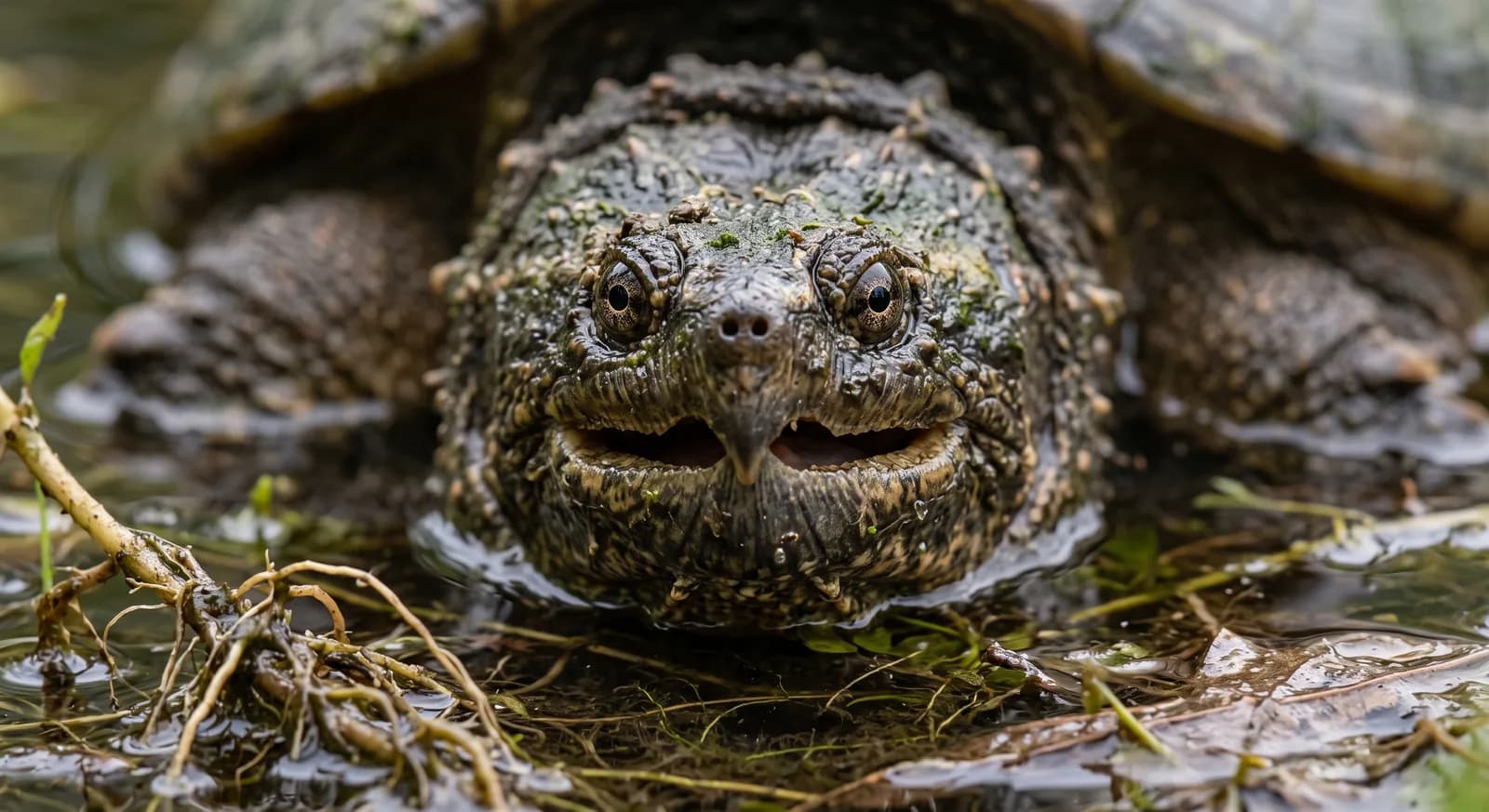
Common Snapping Turtle

Chelydra serpentina

CountriesAustria
TagsOmnivore

Europe28

North America2

Asia1

Austria
Belgium
Canada
Croatia
Czechia
Denmark
Austria
Belgium
Croatia
Czechia
Denmark
Estonia
Finland
France
Germany
Greece
Hungary
Ireland
Italy
Latvia
Lithuania
Luxembourg
Netherlands
Norway
Poland
Portugal
Romania
Serbia
Slovakia
Slovenia
Spain
Sweden
Switzerland
United Kingdom
Canada
United States
Japan