 Critically Endangered
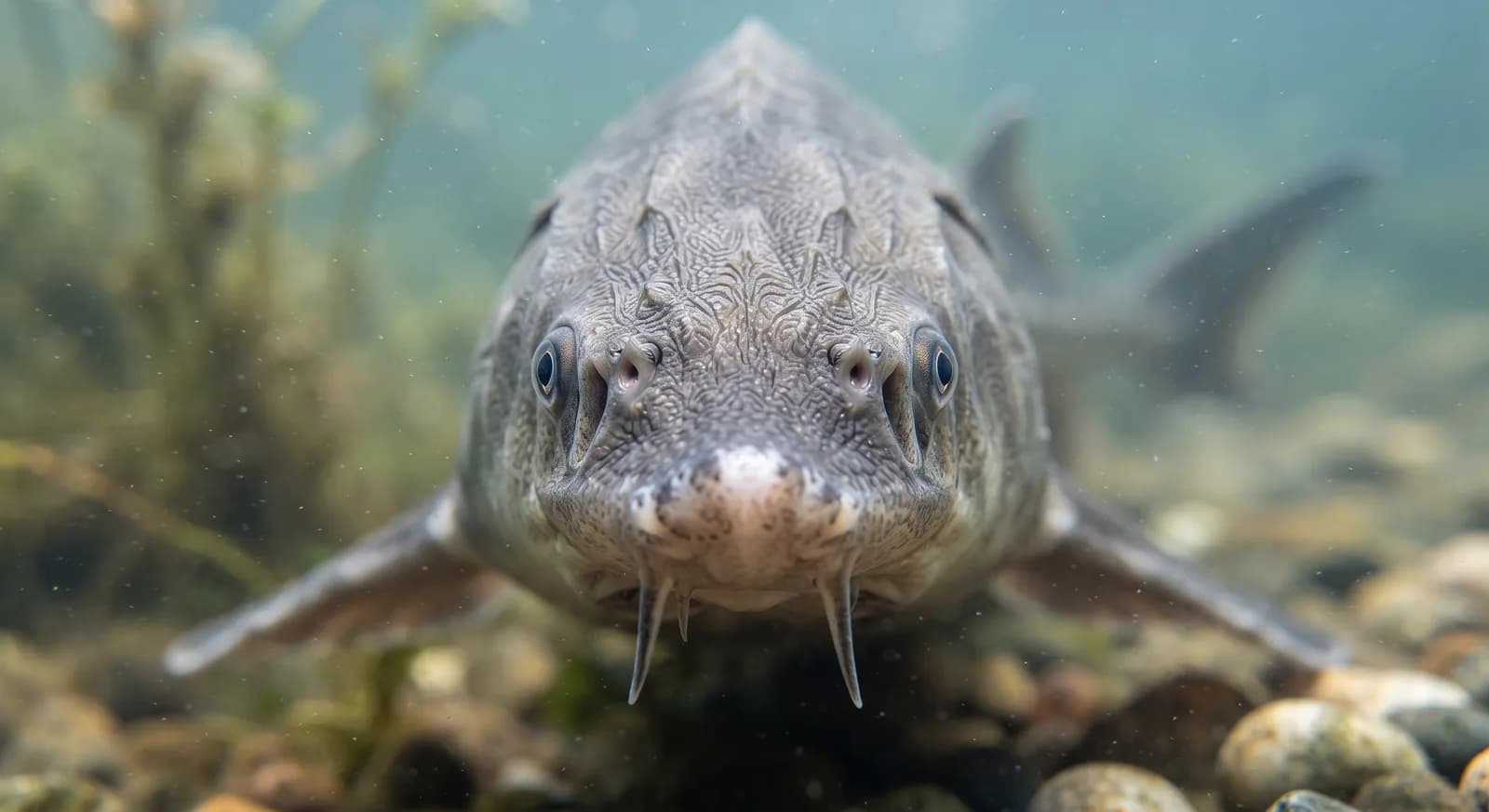
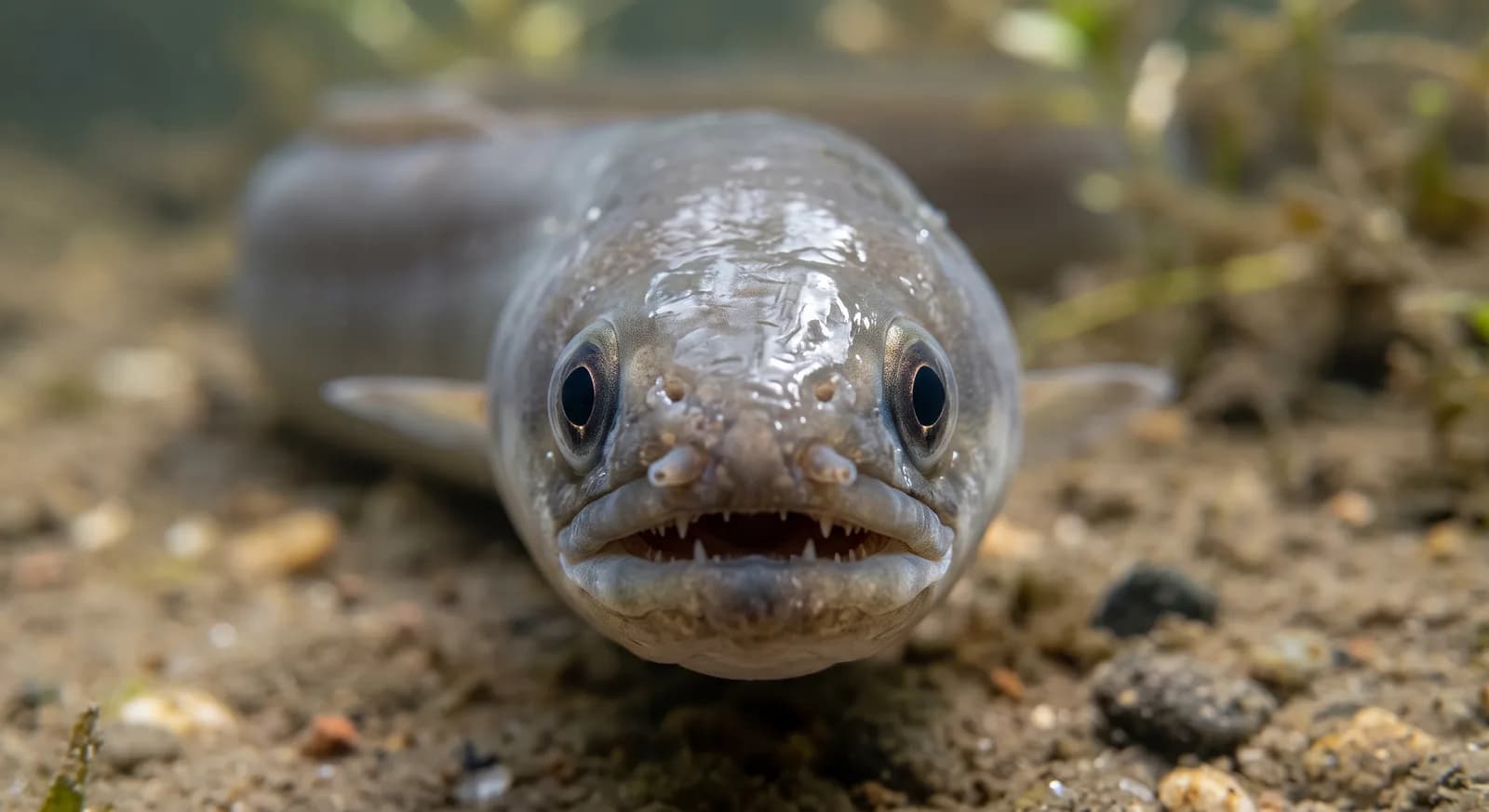
European Eel
Anguilla anguilla
Europe
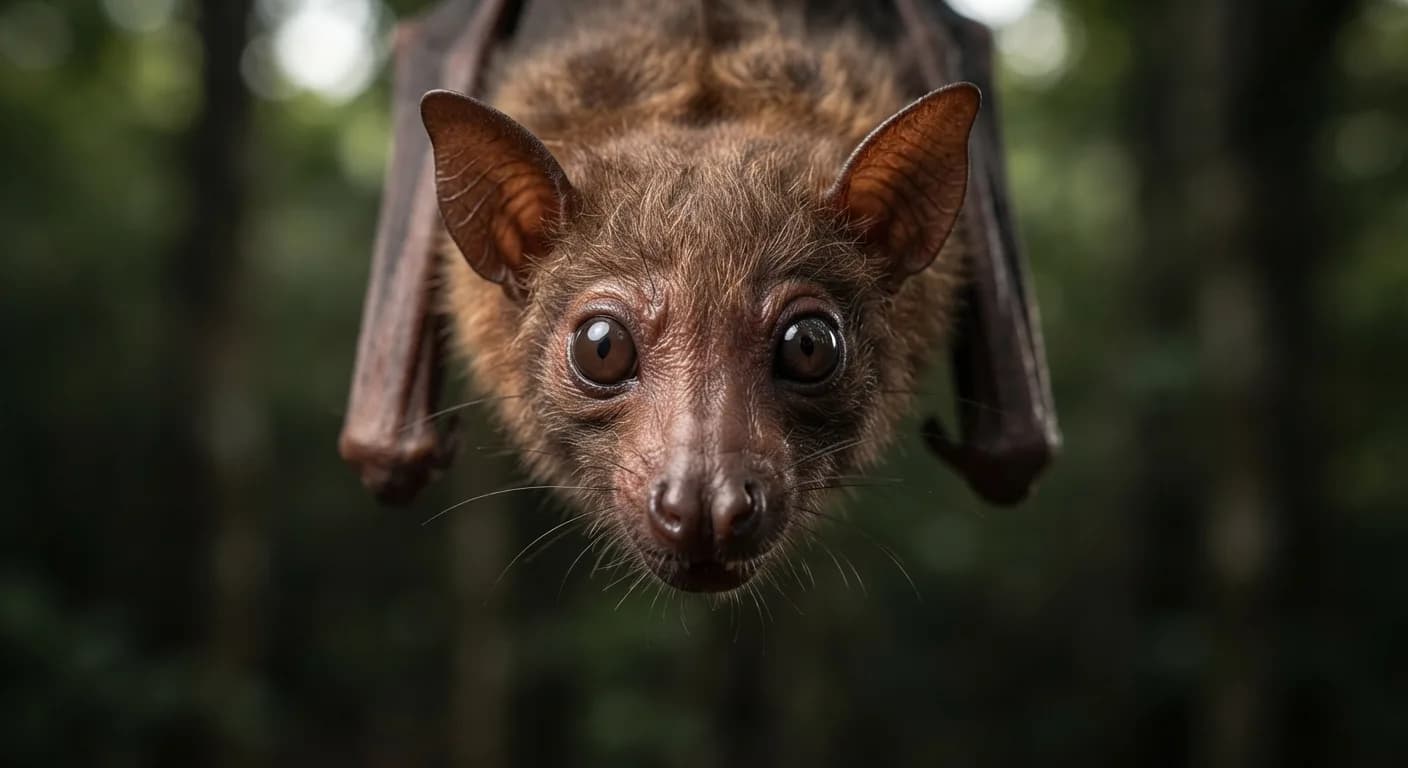
Czechia is a basin ringed by mid-altitude mountains that act as ecological islands. The Krkonoše, or Giant Mountains, keep patches of relict arctic-alpine tundra above the treeline, with plant and invertebrate species that have survived since the last glaciation and that elsewhere in Europe occur only in Scandinavia or the Alps. The Bohemian Forest, a continuation of the Bavarian Forest, forms with it the largest continuous woodland in central Europe and has seen the Eurasian lynx return. In the north, Bohemian Switzerland unfolds rock cities of sandstone with damp defiles and inverted microclimates, where mountain plants grow at the bottom of the gorges. The Moravian karst hides one of the country's largest cave systems, with vertical shafts and colonies of hibernating bats.
National animal: The double-tailed lion, the state's heraldic emblem
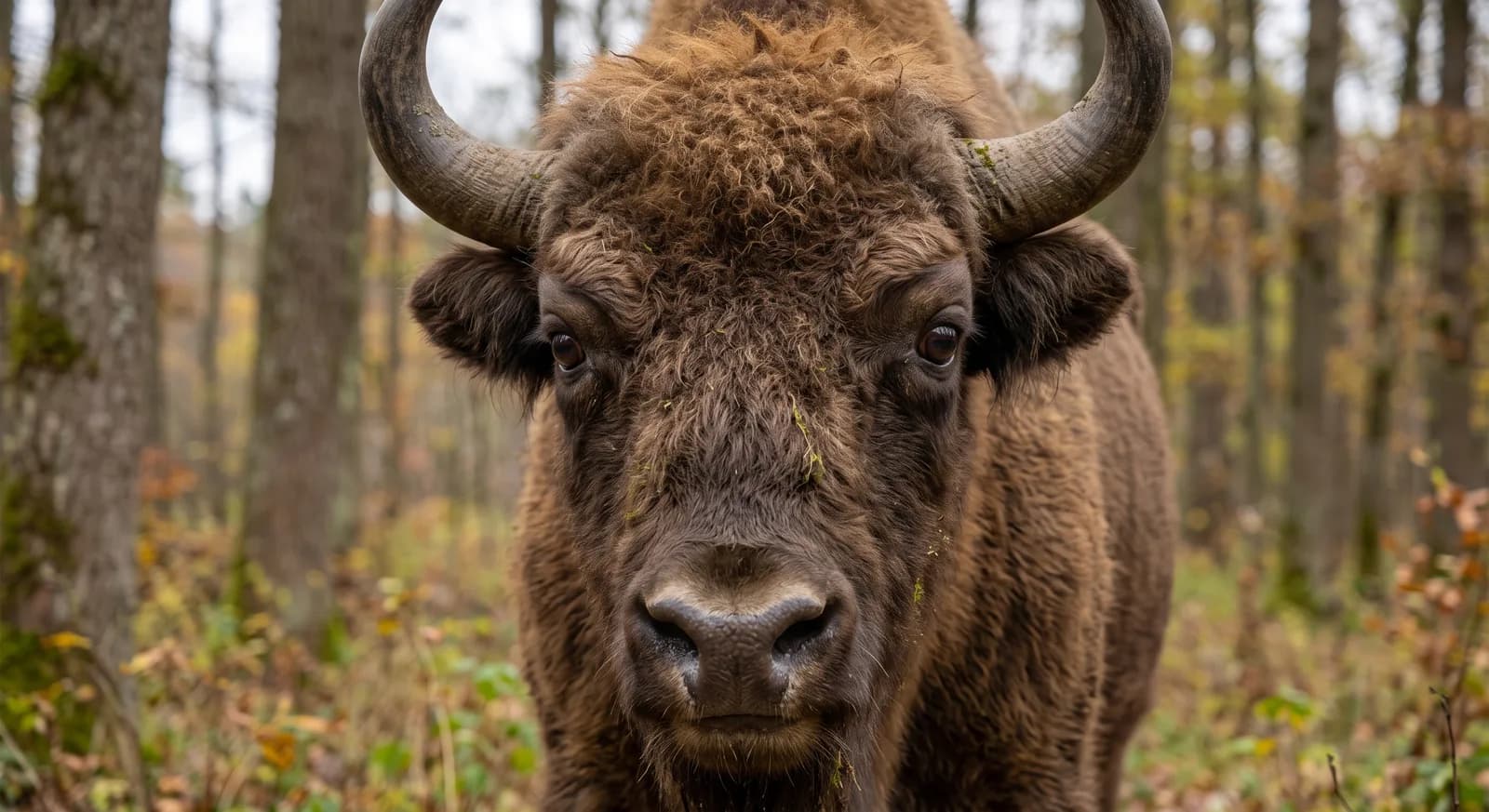
At Milovice, a former Soviet army training ground abandoned after 1991, the trio of large herbivores that shaped Europe's steppes has been under reconstruction since 2015: hardy horses, primitive cattle bred to resemble the extinct aurochs, and European bison. Their grazing has brought back butterflies and rare plants that had vanished once the ground stopped being churned by tanks.
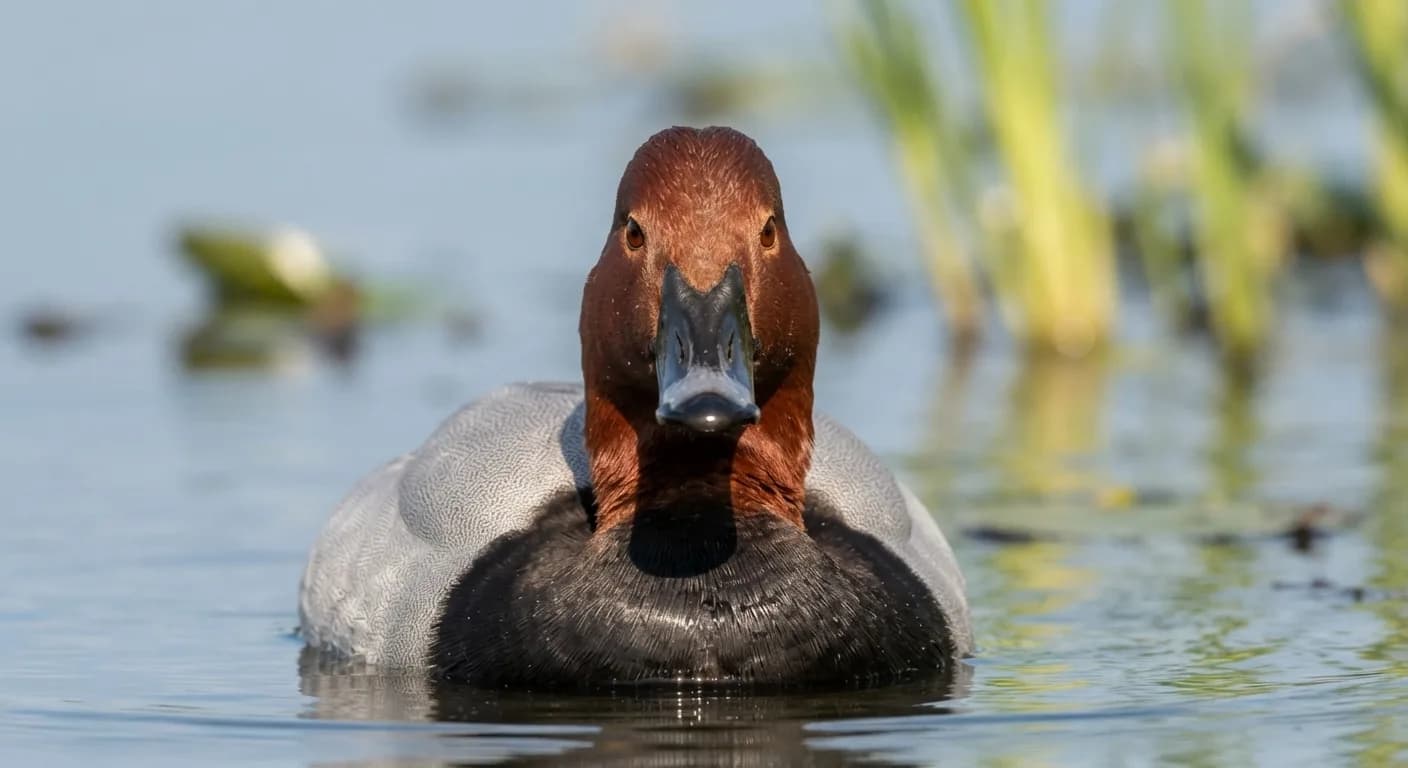
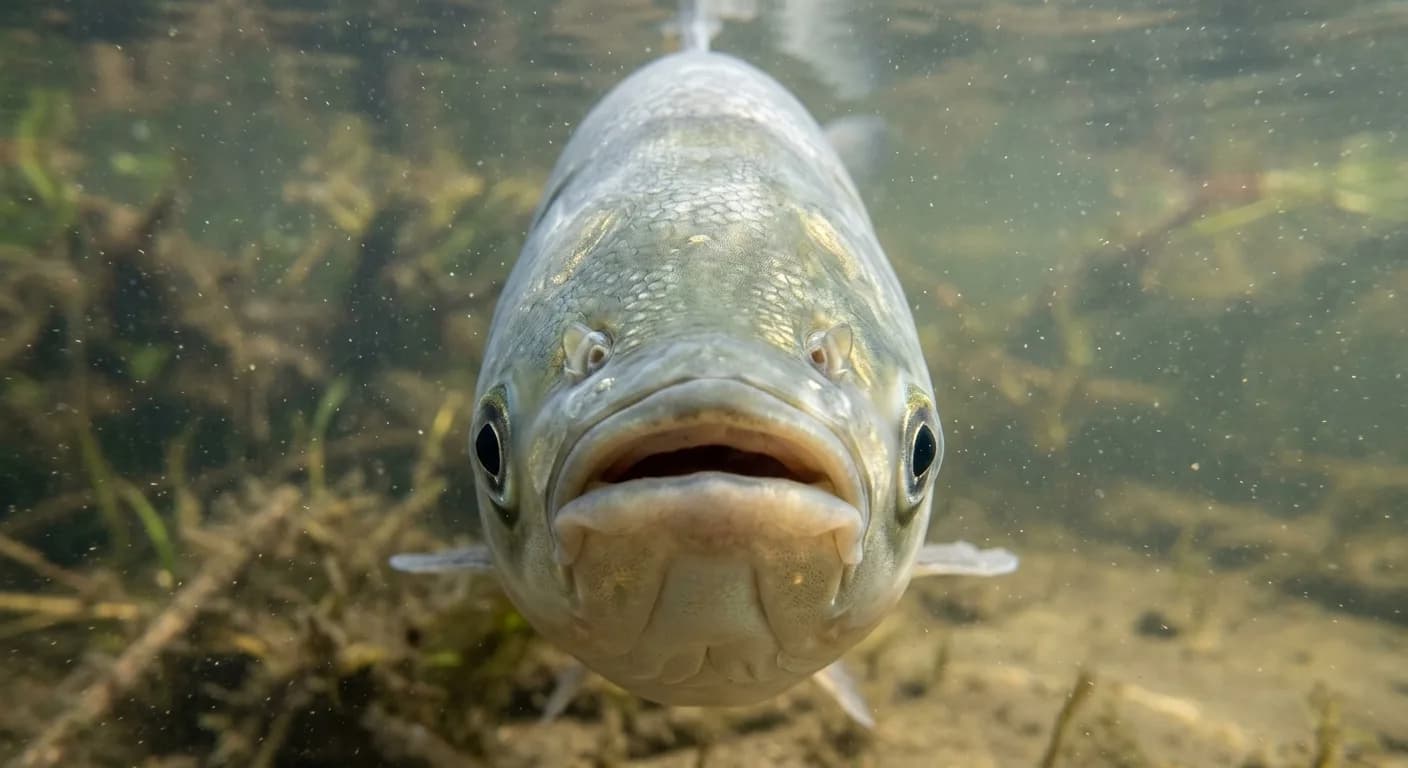
In Šumava there is an ongoing debate between non-intervention and the fight against the spruce bark beetle. The historic ponds of Třeboň, created in the sixteenth century to farm carp, are today Ramsar wetlands of the first order.
Šumava in winter for lynx and capercaillie tracks. Třeboň in spring and autumn for waterbirds. The Moravian karst in autumn for the bat swarming at the cave mouths.
421 species found
Based on what we already know about Czechia.