 Critically Endangered
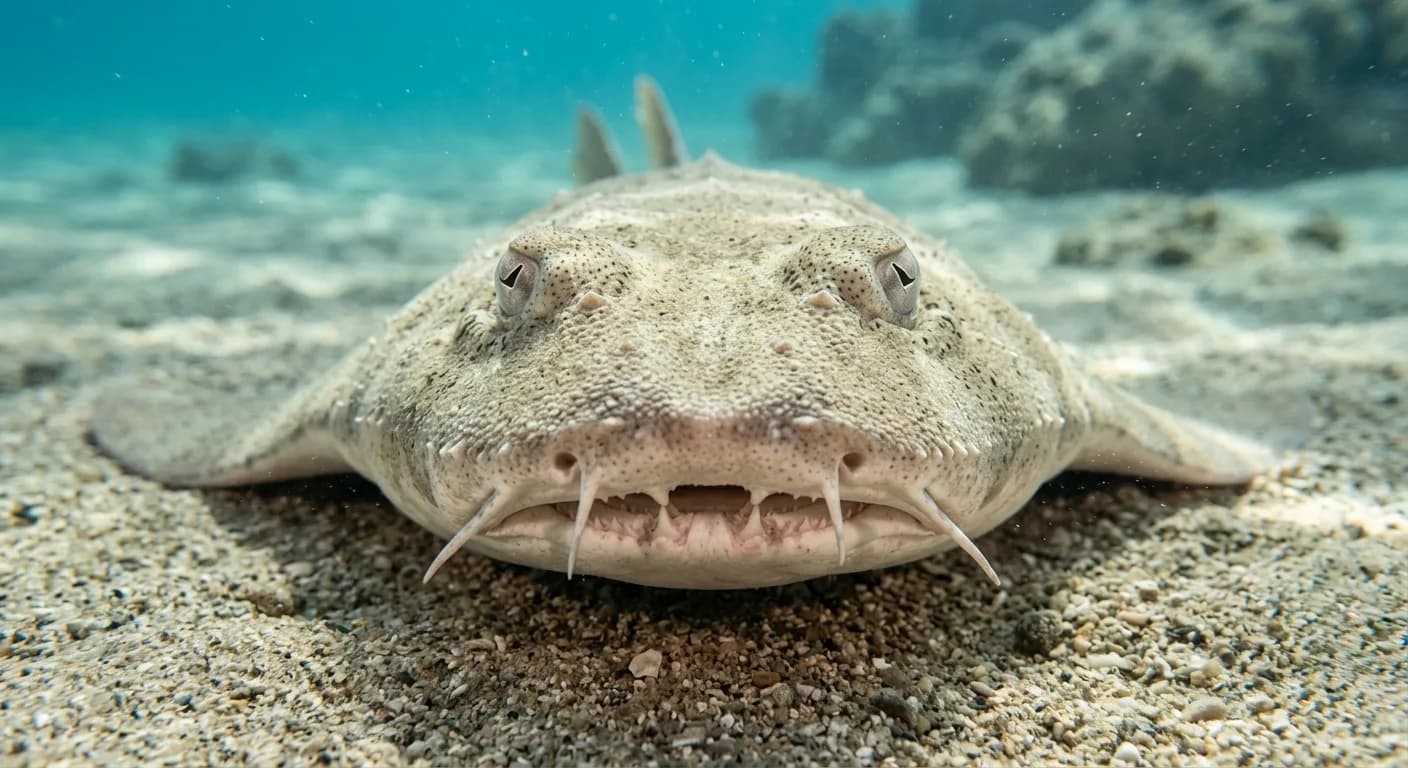
Angelshark
Squatina squatina
Europe
Belgium packs three distinct environments into a small and densely populated territory: the coastal plain and the Flemish polders of the north, the central farming plateau and the wooded massif of the Ardennes to the southeast. The Ardennes concentrate the country's forest fauna, with wild boar, red deer, roe deer and wildcats, and since the 1980s the Eurasian beaver and the lynx have reappeared sporadically. At its highest point lie the High Fens, a plateau of peat bogs and heath that works as a subarctic island in the middle of western Europe, with relict plant species from the glaciation. On the coast, the Zwin reserve, a former sea inlet now silted up, is a stopover for birds migrating between northern Europe and Africa. The country's beech woods also offer one of the most photographed botanical spectacles on the continent.
National animal: The Belgian lion, the state's heraldic symbol
Belgium's woods produce what is known as the blue carpet every spring: for two or three weeks in April and May, millions of bluebells flower at once beneath the beeches of the Hallerbos and turn the forest floor violet. The species needs old, little-disturbed woodland, so the extent of those carpets is used as an indicator of how long the trees have stood there.
Fragmentation by infrastructure is the main problem in one of the most densely populated countries in Europe; wildlife overpasses have been built across motorways to reconnect the forest blocks of the Ardennes and the Campine.
The Hallerbos in the second half of April for the bluebell flowering. The Ardennes in September and October for the deer rut. The Zwin in spring and autumn for the migration.
Where else might I want to travel?
Same region: Western Europe
Same region: Western Europe
Same region: Western Europe
Same region: Western Europe
555 species found
Based on what we already know about Belgium.