 Critically Endangered
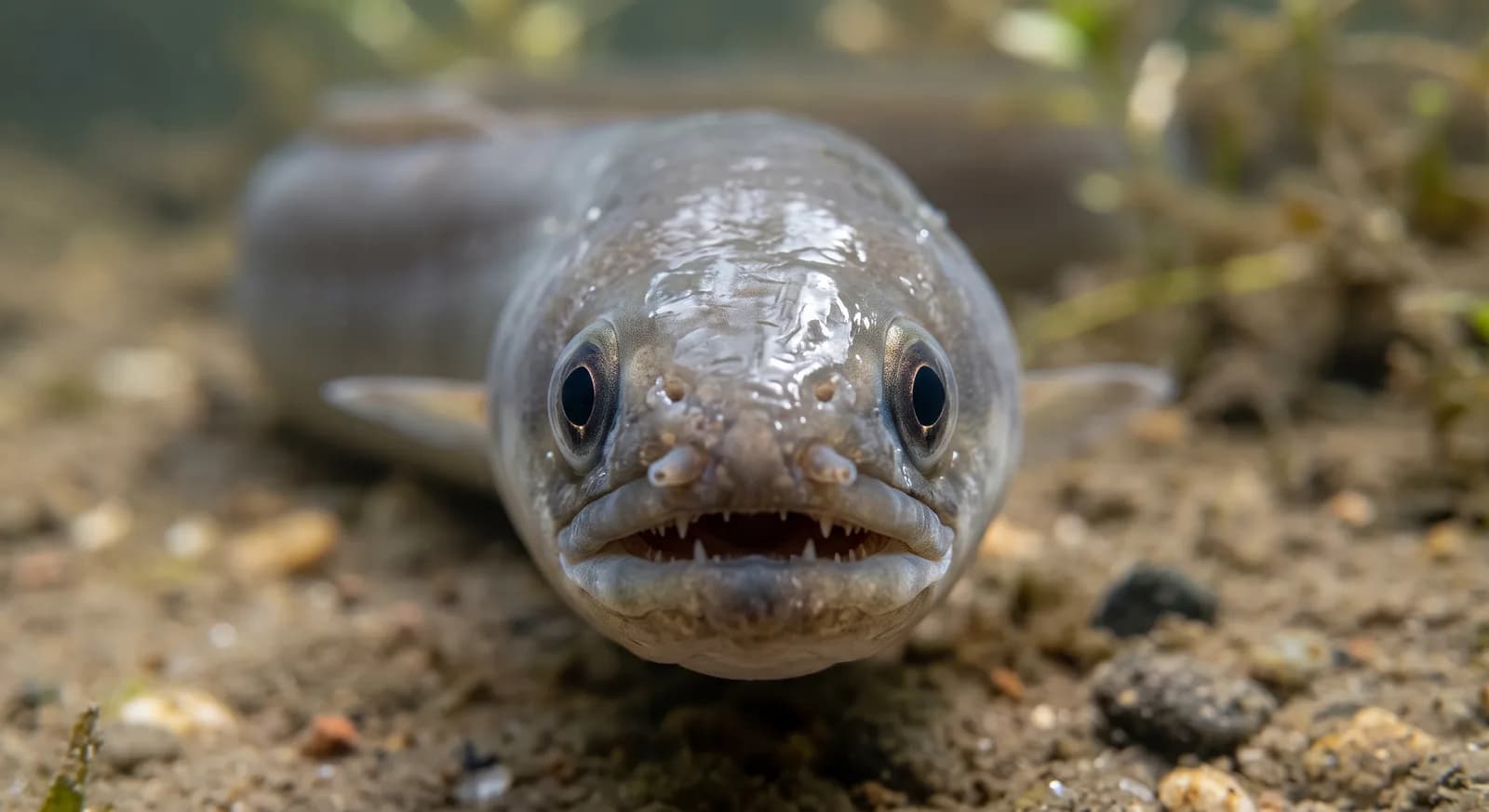
European Eel
Anguilla anguilla
Asia
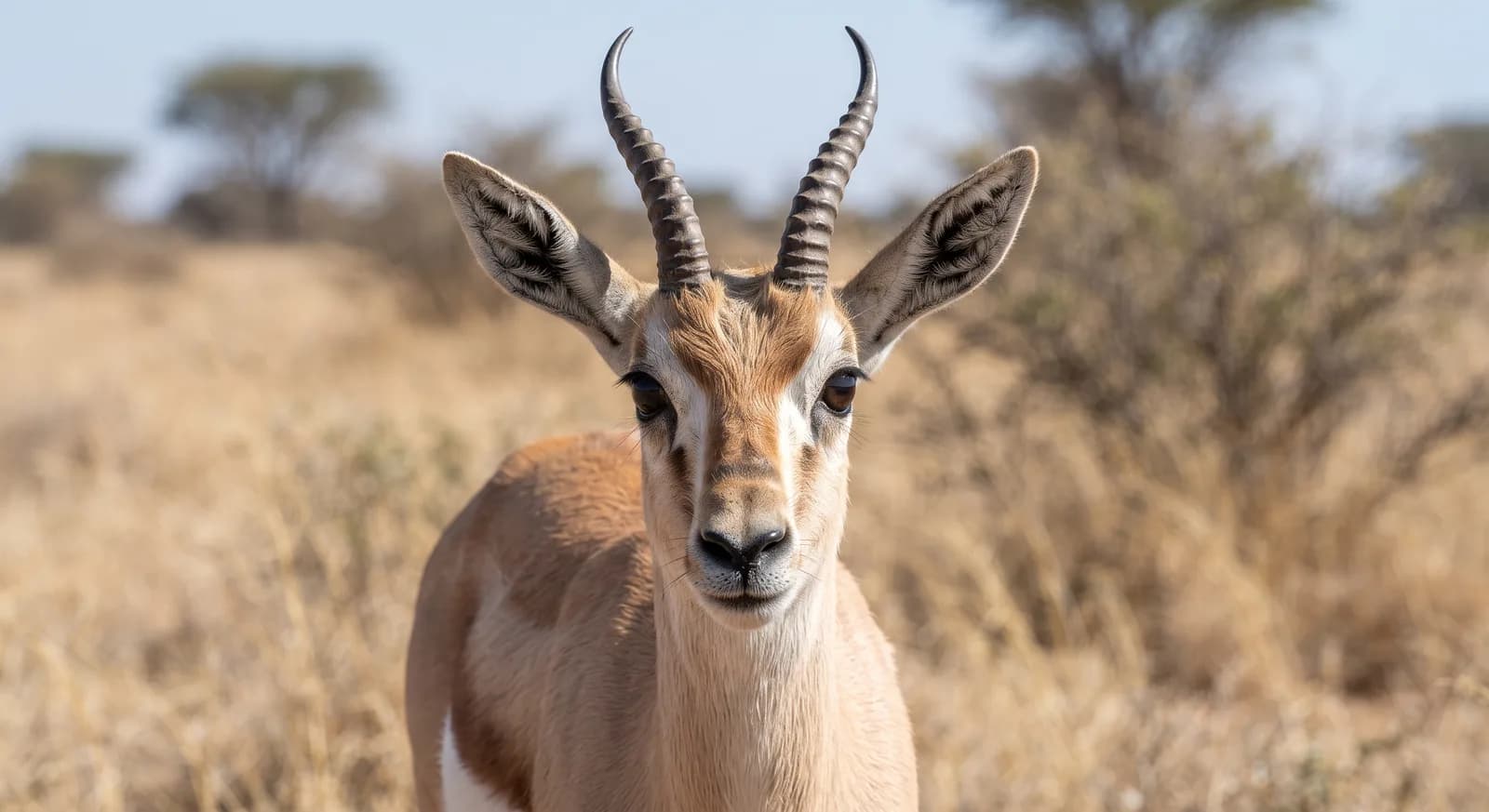
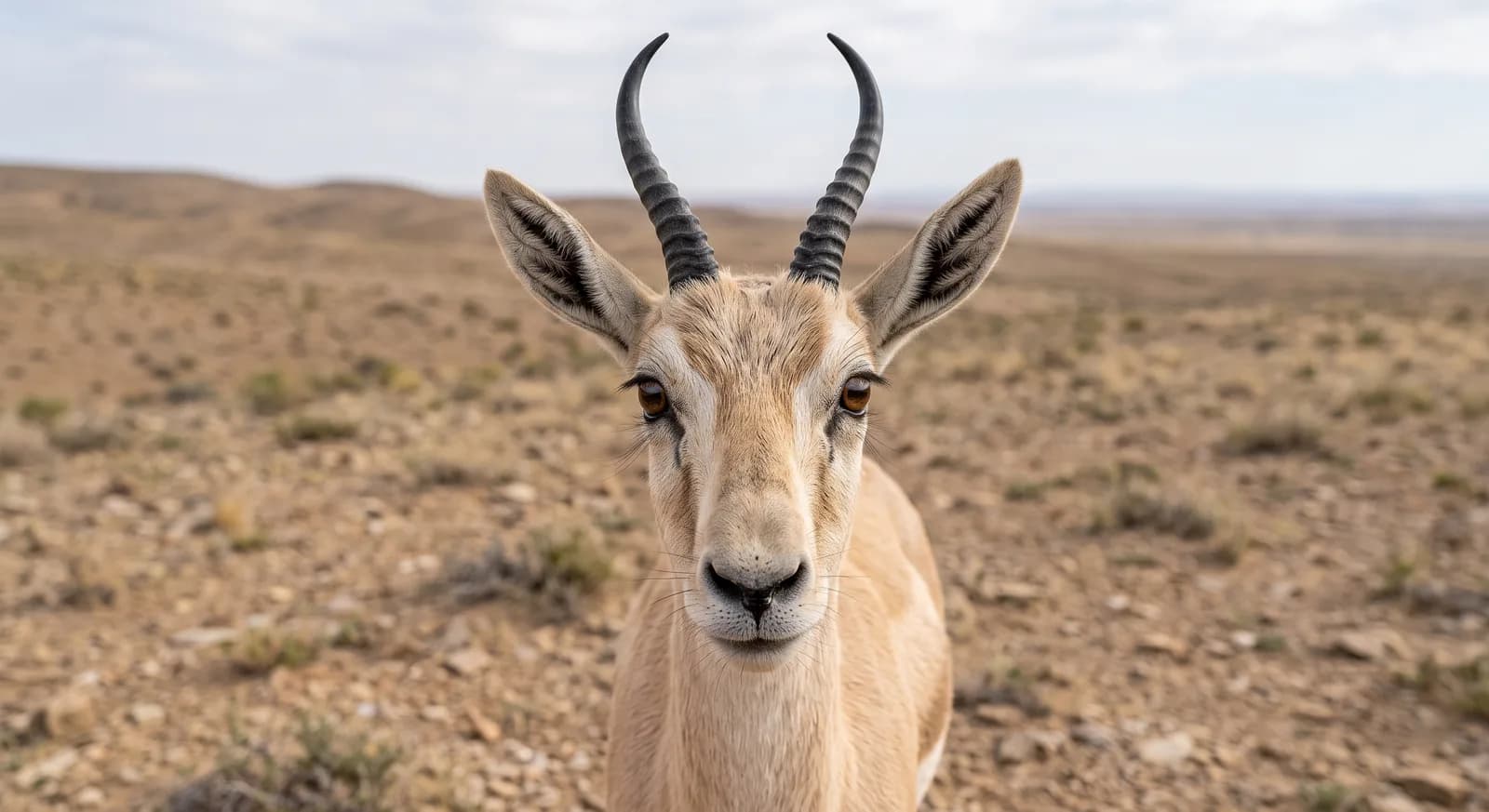
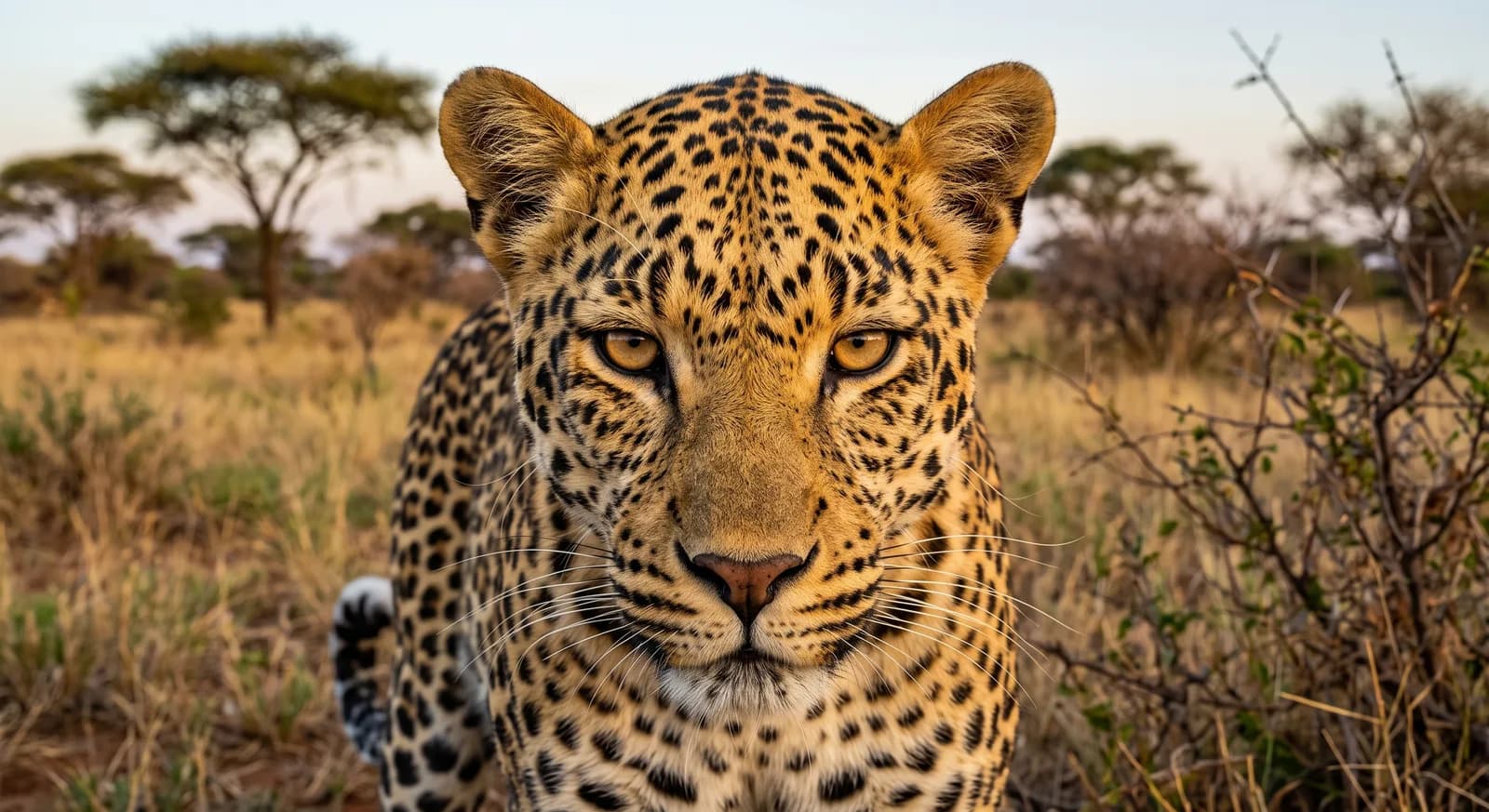
Azerbaijan brings together a climatic variety out of all proportion to its size, with semi-deserts, steppes, high Caucasian mountains, Caspian wetlands and a corner of subtropical forest. The Hyrcanian forests of the south, in Talysh, are a relict that survived the glaciations thanks to the shelter of the Caspian and the mountains: trees such as the Persian ironwood, which vanished from the rest of Europe millions of years ago, grow there, and the Persian leopard moves along their slopes once more. The Shirvan plain protects goitered gazelles on saline steppe, and the Gizilagaj wetland, on the Caspian coast, is one of the largest wintering grounds for waterbirds in the region, with flamingos, pelicans and hundreds of thousands of wildfowl. The mud volcanoes of Gobustan, the most numerous in the world, complete a unique geological landscape.
National animal: The Karabakh horse, a native breed regarded as a national symbol
The Caspian seal is the only marine mammal of the Caspian Sea and one of the smallest seals in the world. Its ancestors arrived from the north during the Pleistocene and were trapped when the sea closed, evolving in isolation in brackish water. Its population has fallen by more than ninety per cent in little over a century through hunting, pollution and the loss of the winter ice in the northern Caspian, where it needs to give birth.
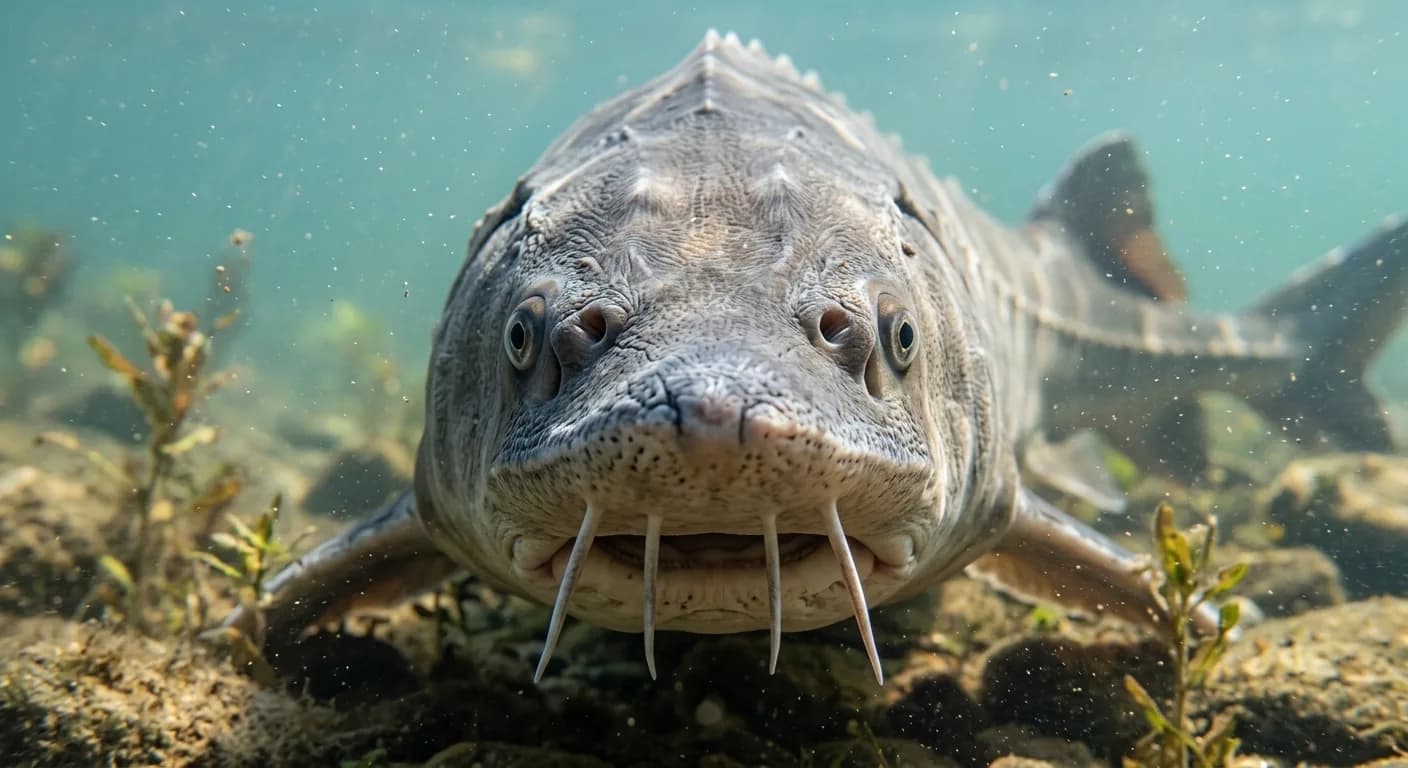
The goitered gazelle recovered in Shirvan from a few hundred to thousands of animals and has been used to reintroduce the species to Georgia. The Caspian sturgeons remain critically endangered through illegal fishing for caviar.
Gizilagaj between November and February for flamingos and wintering wildfowl. Shirvan in spring for gazelles. Hirkan in autumn for the relict forests and their woodland birds.
381 species found
Based on what we already know about Azerbaijan.