 Critically Endangered
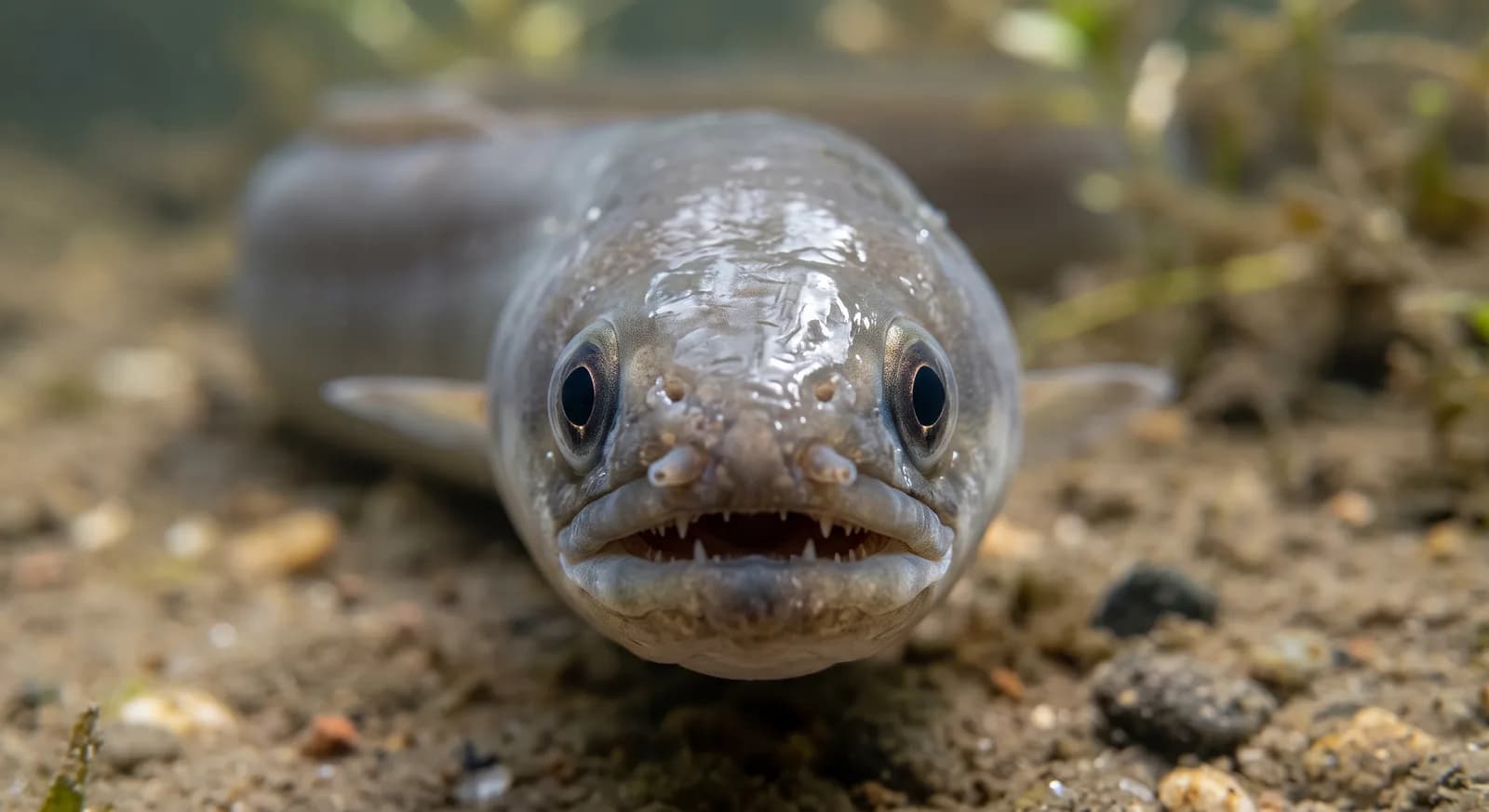
European Eel
Anguilla anguilla
Asia
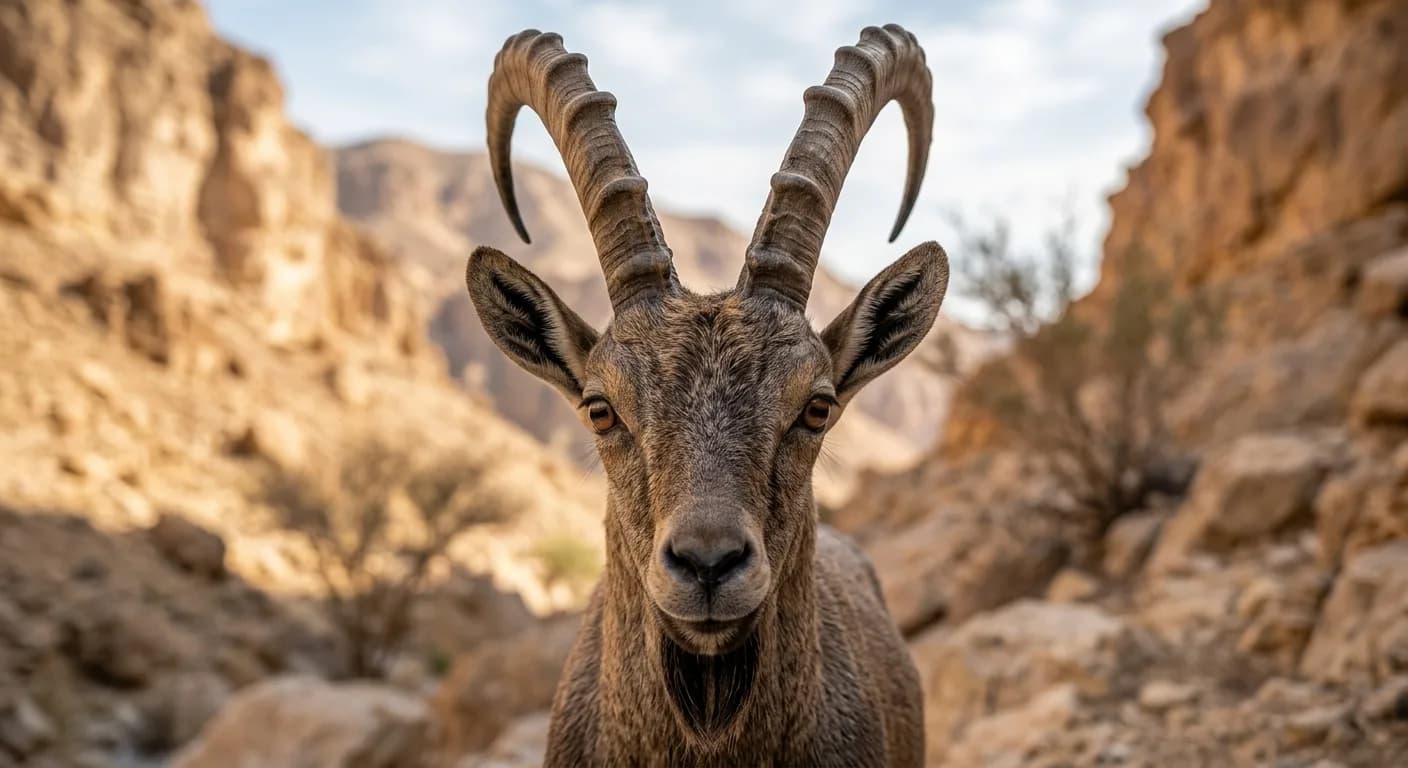
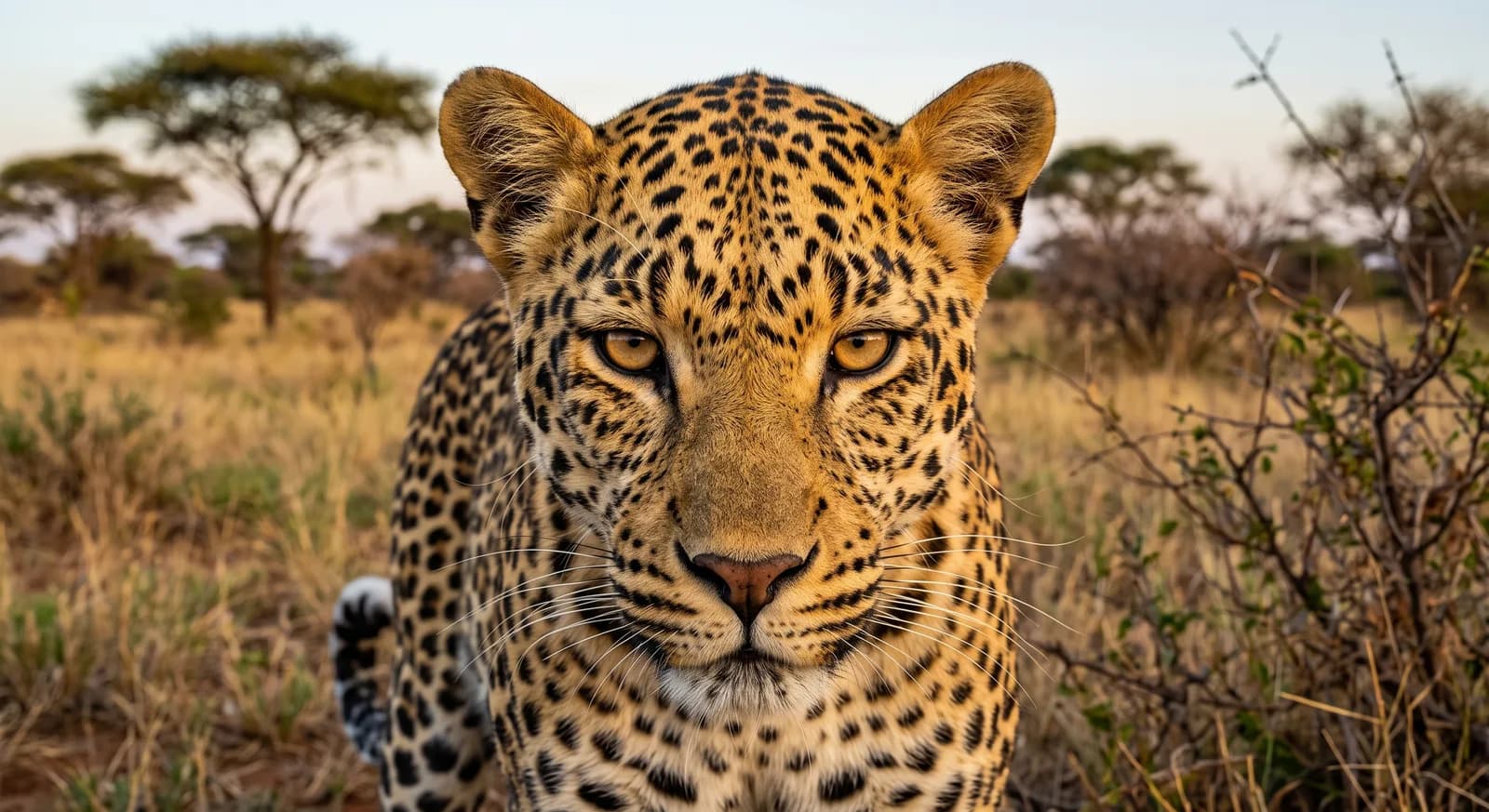
Armenia is an entirely mountainous country, a volcanic plateau folded between the Lesser Caucasus and the Anatolian highlands, with altitudes running from four hundred to four thousand metres. That compression of environments produces a diversity out of proportion to its size: oak and beech forests in the north, wormwood steppe and semi-desert in the Araxes valley, alpine meadows on the Aragats and Gegham volcanoes, and thorny scrub in the south. Lake Sevan, one of the largest high-altitude freshwater lakes in the world, fills a closed basin at almost two thousand metres and holds endemic fish. In the south, the forests of Shikahogh and the gorges of Syunik are the corridor by which the Persian leopard enters from Iran, and the crags support bezoar goats and Armenian mouflon.
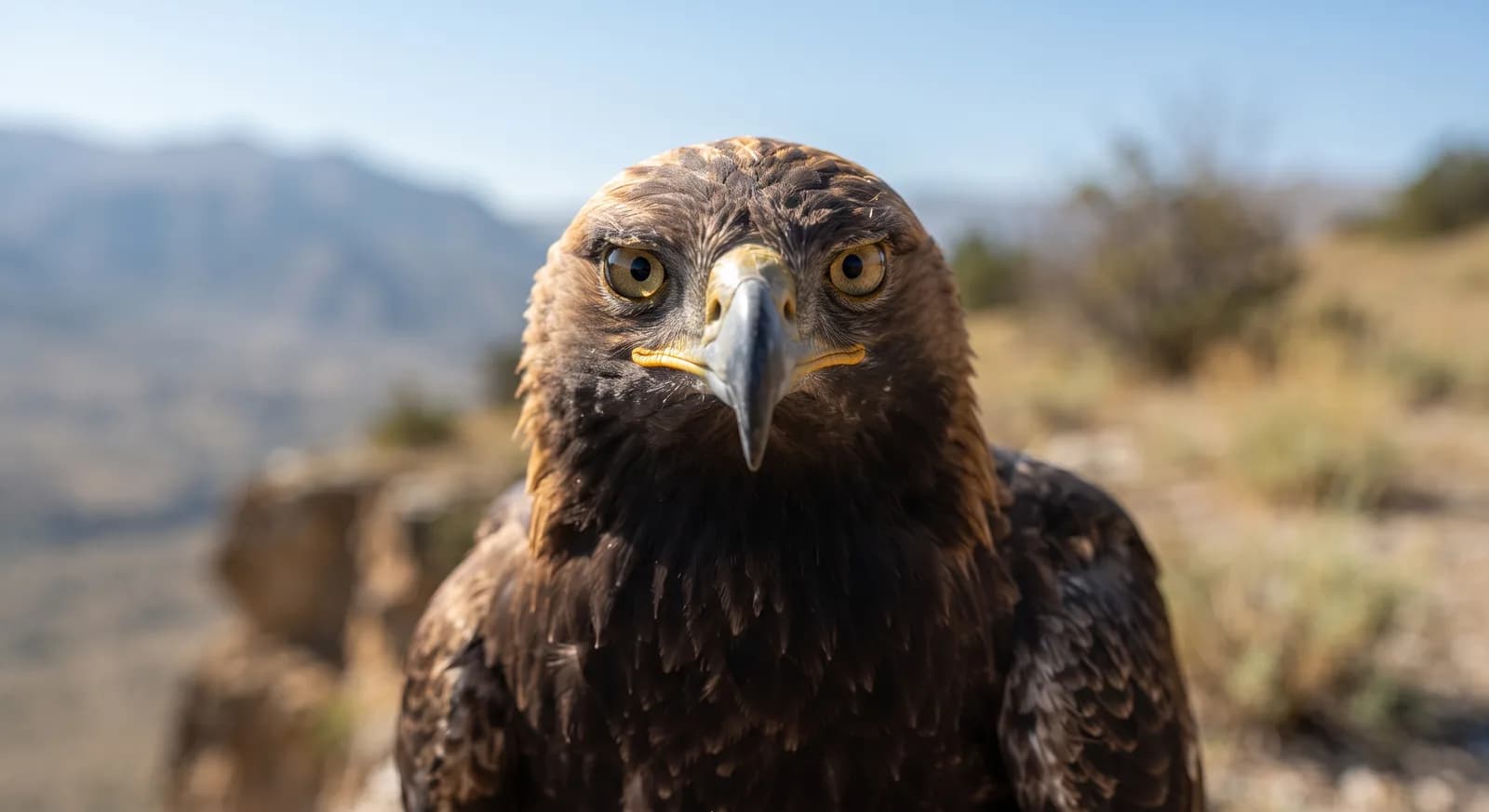
National animal: No official national animal; the lion and the eagle appear on the coat of arms, and the Persian leopard is the conservation emblem
The Khosrov forest reserve, in the centre of the country, was created in the fourth century by King Khosrov III, who ordered a forest to be planted and protected for hunting and for the court's rest. With more than one thousand six hundred years of continuous protection, it is regarded as one of the oldest protected areas in the world, and is today one of the places where camera traps still record the presence of the Persian leopard.
The level of Lake Sevan fell by close to twenty metres through its use for irrigation and power in the Soviet era, with a serious impact on the endemic trout, and has since partially recovered. The Persian leopard survives in the country with very few individuals.
Khosrov and Syunik in autumn for bezoar goats and cliff birds. Dilijan in spring for Caucasian woodland birds. Sevan between May and September for waterbirds and Armenian gulls.
372 species found
Based on what we already know about Armenia.