 Least Concern
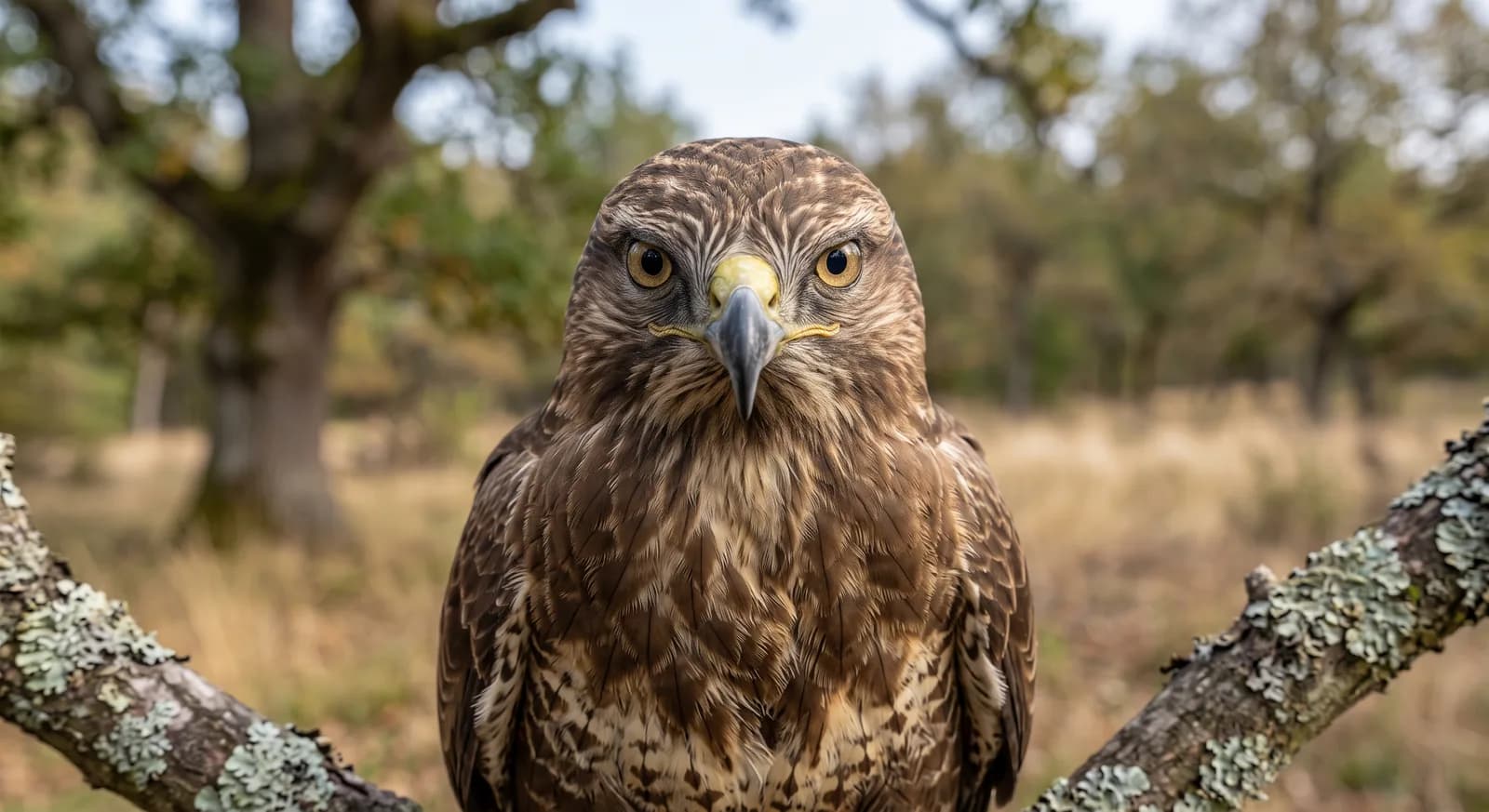
Common Buzzard
Buteo buteo
An open-air textbook of physical geography, where ice, land uplift and wave action shape the coast.
Area
30 km²
Designated in
1984
Region
Nordic countries
The Slåttdalsskrevan gorge and raised fossil beaches
Skuleskogen National Park was established in 1984 as Sweden's nineteenth national park, in the province of Ångermanland, and protects some 30 km² within the High Coast and Kvarken Archipelago World Heritage property.
It has been described as a physical geography textbook turned into landscape: in it one can read directly how ice, land uplift and wave action have shaped the coast. The ancient shorelines now lie far above sea level, with fields of boulders rounded by the waves millennia ago and left stranded on the hillside as the land rose. It is the most instructive expression of the High Coast's isostatic rebound.
Its most spectacular formation is Slåttdalsskrevan, a straight gorge some two hundred metres long with vertical walls thirty metres high cut into the rock, the result of erosion along a fracture. The park combines ancient spruce and pine forest on the slopes, crags, small lakes and a coast of bays and cliffs above the Gulf of Bothnia. The fauna is the characteristic boreal one, with elk, lynx, capercaillie and white-tailed eagle along the coast.
Ecosystems found in Sweden, where Skuleskogen lies.
What is worth looking out for this month in Sweden?
Now is a good time: Autumn bird migration at Falsterbo (11 August to 20 November (raptor peak from late August to early October))
Now is a good time: Autumn bird migration at Falsterbo (11 August to 20 November (raptor peak from late August to early October))
Now is a good time: Autumn bird migration at Falsterbo (11 August to 20 November (raptor peak from late August to early October))
Which other parks are like this one?
Same country: Sweden
Same country: Sweden
Same country: Sweden
Same country: Sweden
Based on what we already know about this park.
Climate
Temperate, Polar / cold


 Sweden