One of the 9 wasps on WAnimals
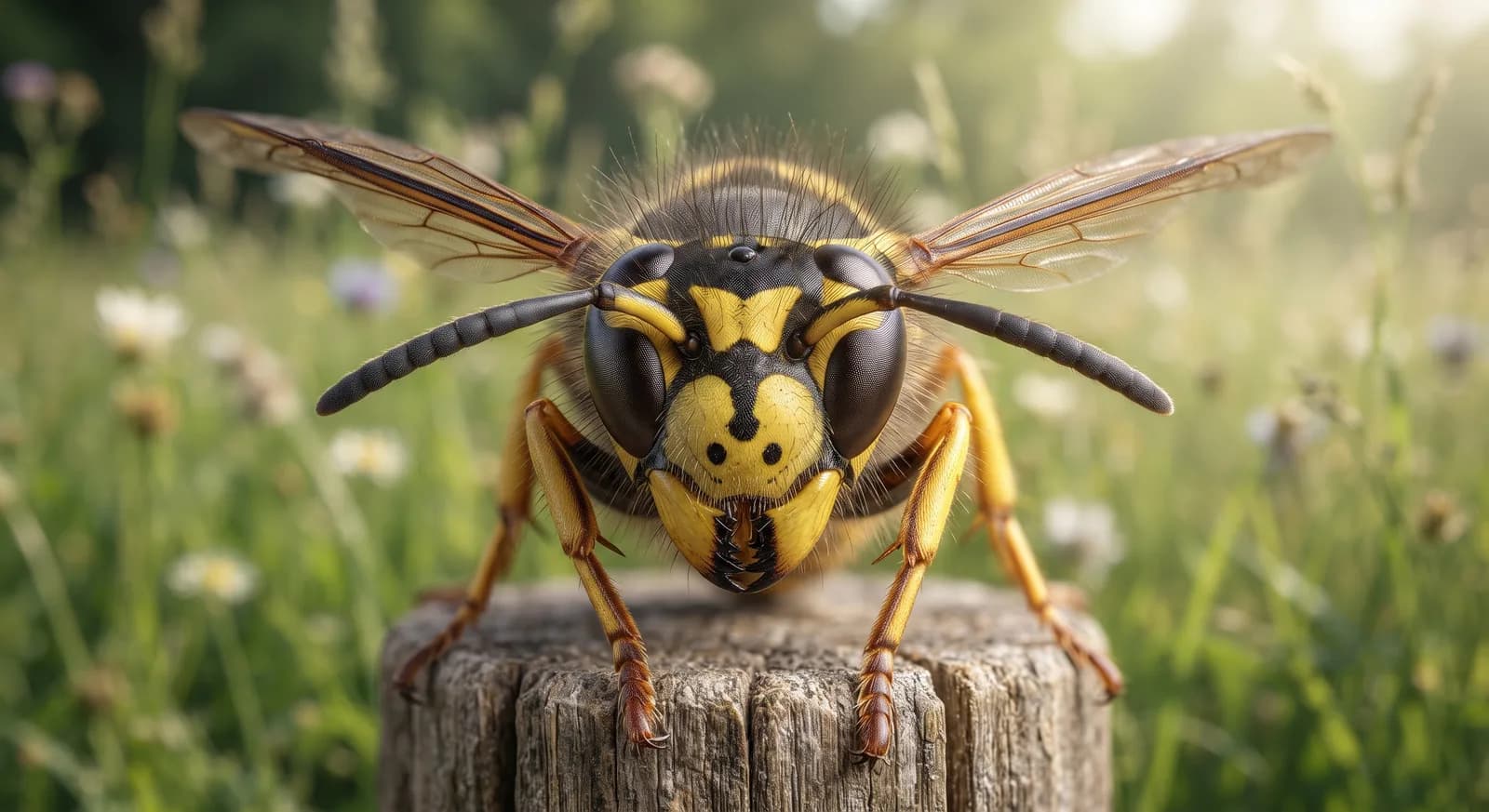
Insects · Hymenoptera · Vespidae
Vespula germanica
It has not yet been assessed against the IUCN criteria.
The German wasp is a social hymenopteran insect of the family Vespidae. The common name of this species is also applied to other wasps of the genera Vespula and Dolichovespula, since they share a similar appearance. The species is Mediterranean in origin, ranging across Europe, North Africa and the temperate zones of Asia. It has now invaded North America, South America, southern Australia and New Zealand. Generally, in places where the organism has invaded, it is regarded as a pest of various activities such as agriculture, stock farming, beekeeping and tourism. Its invasive success may be down to its great adaptability to different environmental conditions and to its lack of natural enemies.
Size
1.2 cm – 2 cm
Life expectancy
1 year
Diet
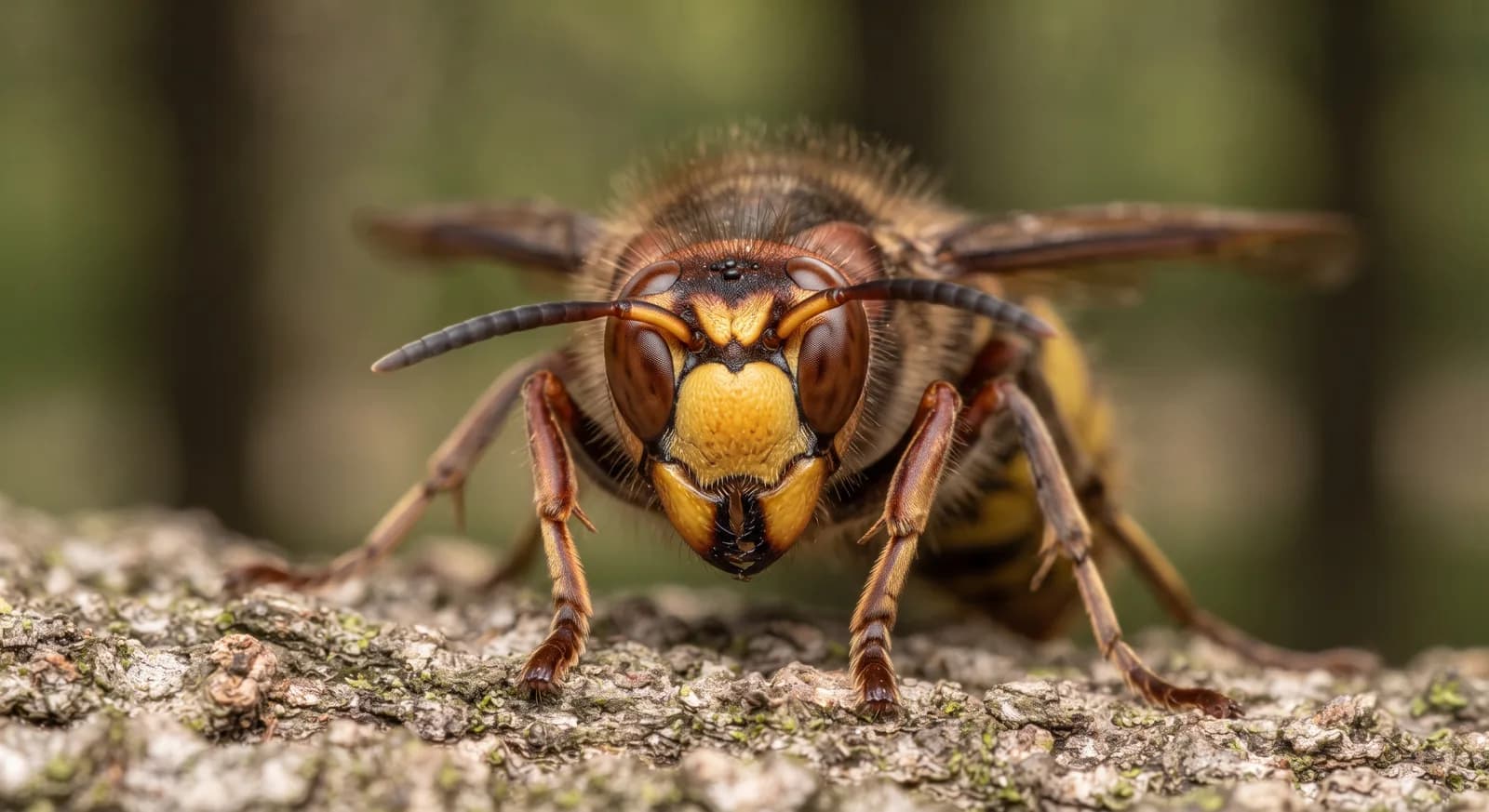
Omnivore
Combines animal and plant food depending on availability.
Activity
Diurnal
Active mainly during the day.
Social structure
Colony
Lives in large concentrations, often for breeding reasons.
Sighting difficulty
Unknown
AI-generated images: illustrations, not photographs.
Sources consulted: https://es.wikipedia.org/wiki/Vespula_germanica; Bumblebee.org, guia de avispas sociales; fichas de manejo de Vespula germanica; Manaaki Whenua Landcare Research (Nueva Zelanda), ciclo de las avispas Vespula; iNaturalist, ficha Vespula germanica; BWARS; BWARS, ficha Vespula germanica; BWARS, ficha Vespula germanica (Edwards 1980)
Best time: Peaks in late summer, when the workers switch to looking for sugars and come close to terraces and fruit; in October and November the last workers and the males feed on ivy flowers
Parks and dive sites where this species has been documented — showing 10 of 210.
Other species in the catalogue with the most in common with German Wasp — same habitat, park, country, tags or family.
Based on what we already know about german wasp.
Share an experience, a fun fact or a tip for seeing the german wasp.
Be the first to comment.
The pins mark the parks where its presence is documented.