Skip to content
WAnimals
  • Map
  • Species
  • Parks
  • Diving
Log inCreate account
WAnimals

The guide for travellers and animal lovers: discover, plan and share your wild adventures around the world.

Discover wildlife

  • Species
  • Ecosystems
  • Glossary
  • Tags

Explore places

  • Map
  • Countries
  • Parks
  • Diving

Plan experiences

  • Guides

Learn

  • Blog

Resources

  • About us
  • How we build our profiles
  • Help centre
  • Contact
  • Install the app

Follow us

Account

  • Log in
  • Create account

© 2026 WAnimals. All rights reserved.

Terms of servicePrivacyCookiesLegal notice
MapSpeciesParksDiving
  1. Home
  2. countries
  3. Vatican City

Vatican City

Europe

58

Documented species

0

Parks and reserves

Vatican City is the smallest state in the world, at less than half a square kilometre, and a little more than half its surface is taken up by the Vatican Gardens, created in the thirteenth century and remodelled during the Renaissance. That walled enclosure works as a green island in the centre of Rome: it brings together stone pines, cypresses, holm oaks, palms and collections of plants that arrived from all over the world as diplomatic gifts, alongside a rose garden and a small Mediterranean wood. Its natural value is above all that of an urban refuge, with blackbirds, warblers, greenfinches, feral parakeets, garden dormice, bats and peregrine falcons that hunt above the domes. Like all of Rome, it forms part of the area that every winter receives enormous flocks of starlings from northern and eastern Europe.

Nature in Vatican City

National animal: No official national animal

Did you know?

In January 2014, two white doves released from a window of the Apostolic Palace as a symbol of peace were attacked in mid-flight over St Peter's Square by a yellow-legged gull and a hooded crow, in front of thousands of people. The images went round the world and the Vatican ended up replacing the release of doves with balloons, in an unintended lesson about Roman urban wildlife, where gulls have become habitual predators inland.

Biodiversity profile

Conservation

The state has adopted ecological management criteria in its gardens, with a reduction in plant protection chemicals and the efficient use of water. Its natural role is that of a small refuge of urban biodiversity in the dense fabric of Rome.

Where and when to watch wildlife

The Vatican Gardens on a guided visit, in spring, for urban woodland birds. Winter dusks around the Tiber for the clouds of starlings. Domes and bell towers year-round for peregrine falcons and swifts.

Similar countries

Where else might I want to travel?

Spain

Same region: Southern Europe

Italy

Same region: Southern Europe

Portugal

Same region: Southern Europe

Greece

Same region: Southern Europe

Species documented in Vatican City

Filter
Class
Family
Habitat
Diet
Conservation

58 species found

West European HedgehogNear Threatened

West European Hedgehog

Erinaceus europaeus
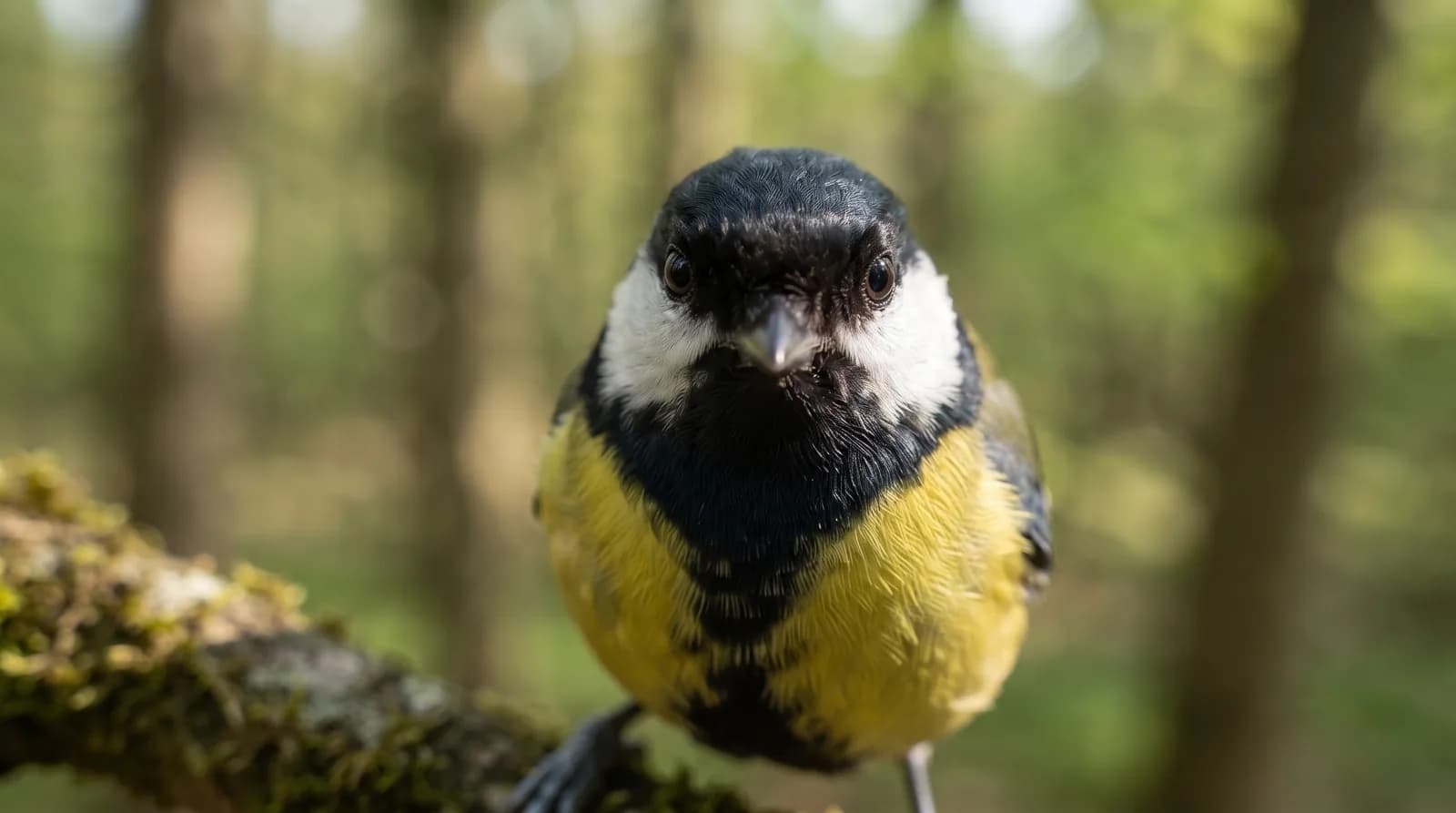
Great TitLeast Concern

Great Tit

Parus major

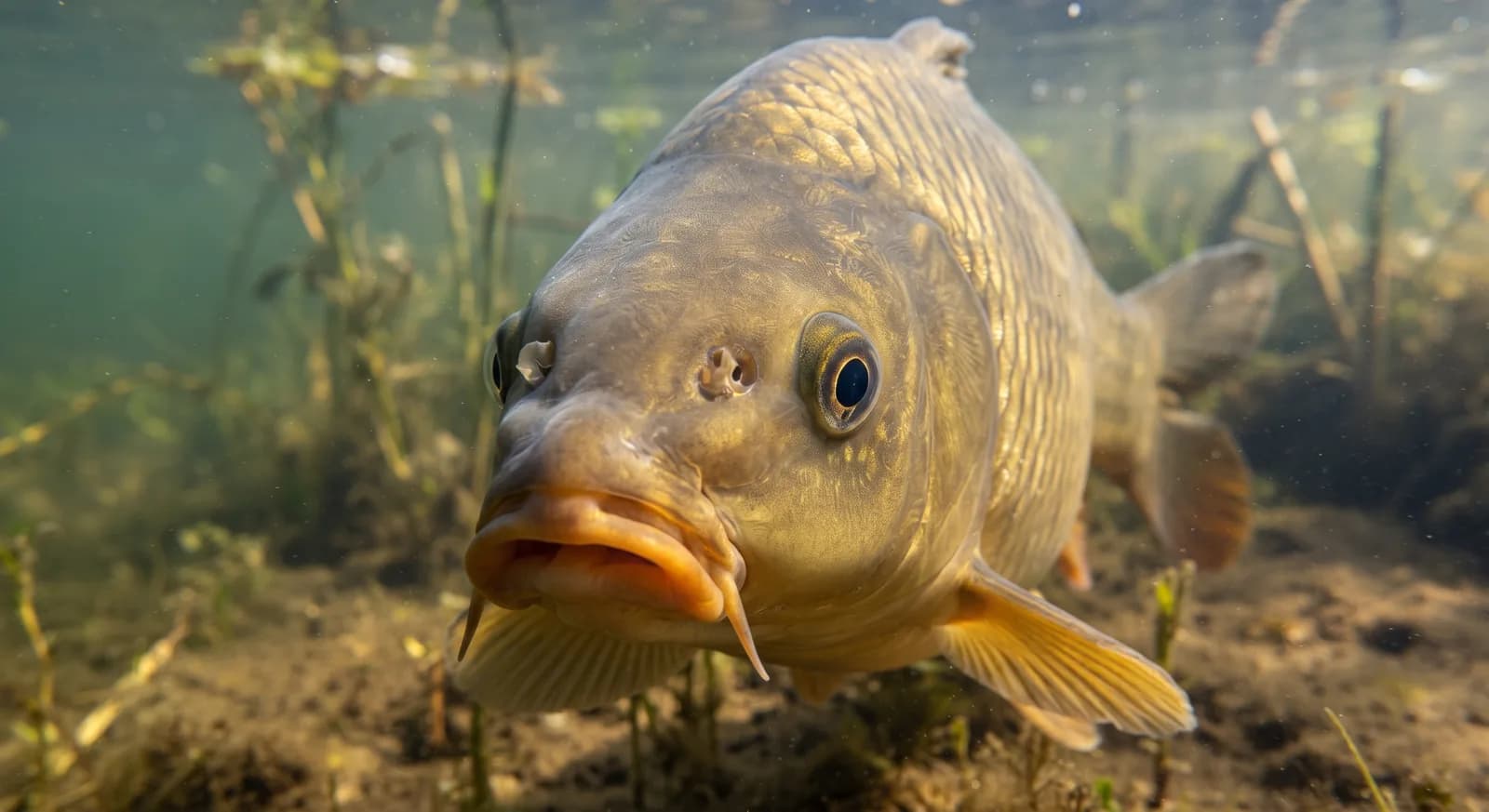
Common CarpLeast Concern

Common Carp

Cyprinus carpio
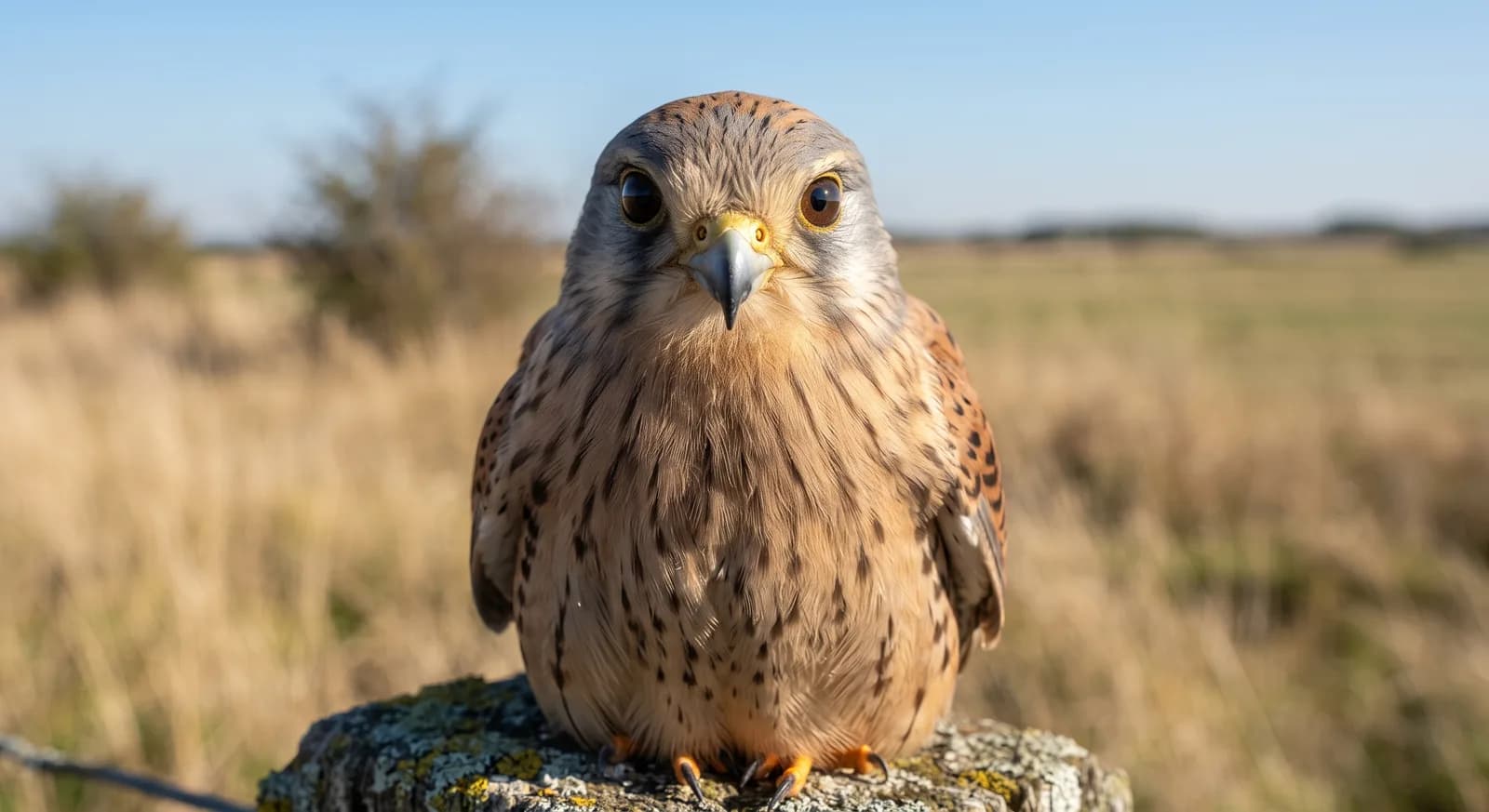
Common KestrelLeast Concern

Common Kestrel

Falco tinnunculus
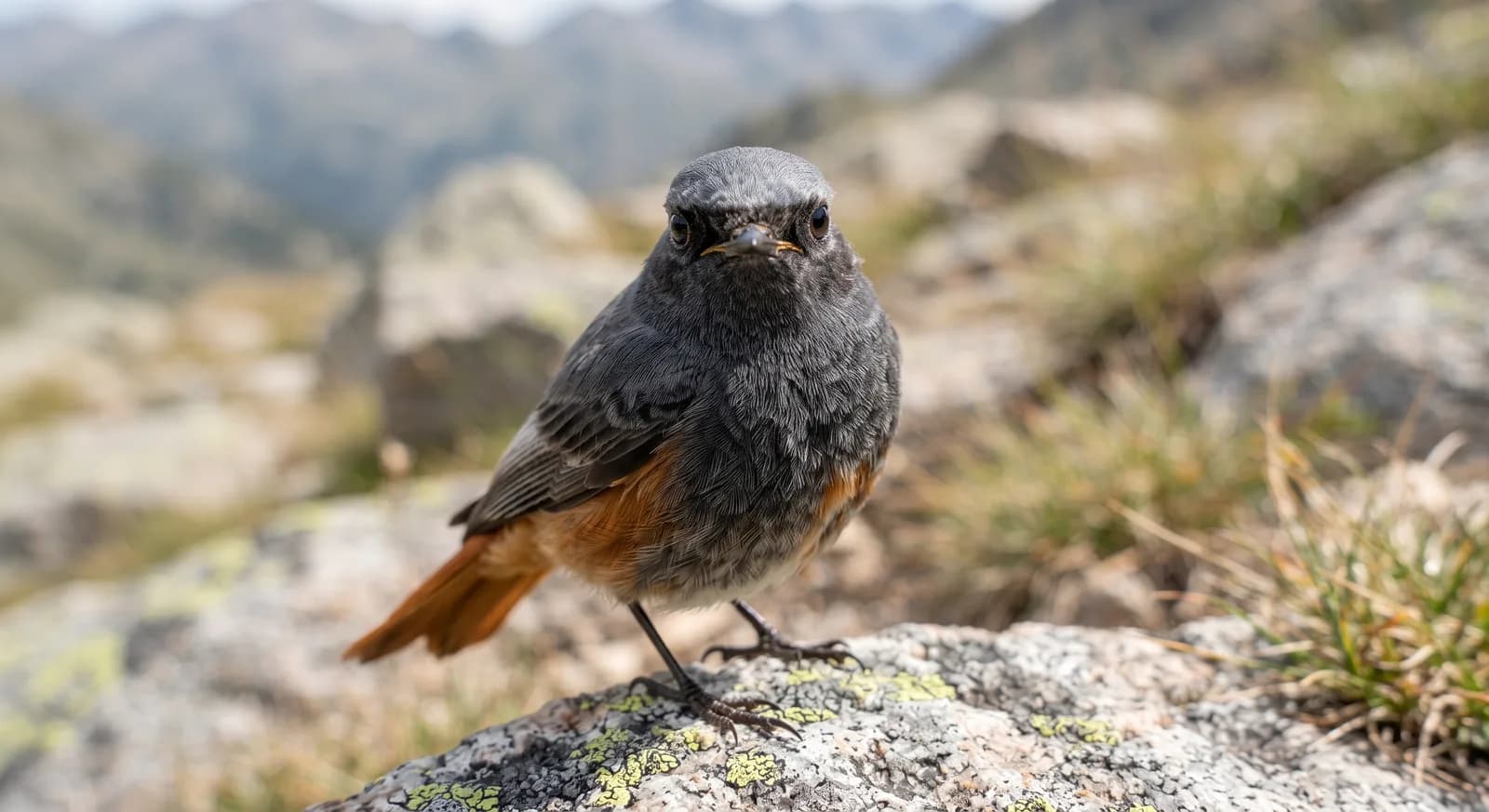
Black RedstartLeast Concern

Black Redstart

Phoenicurus ochruros
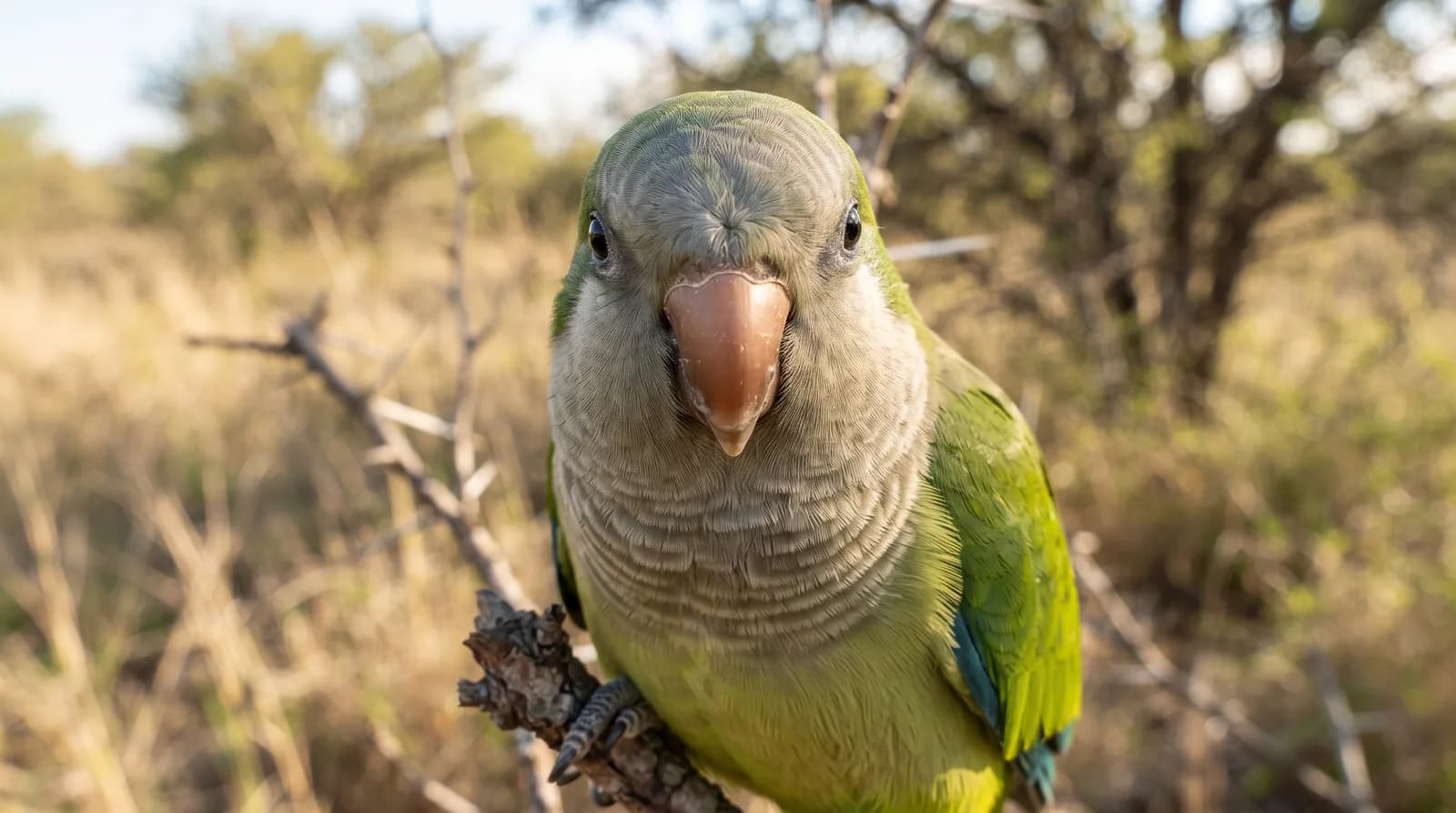
Monk ParakeetLeast Concern

Monk Parakeet

Myiopsitta monachus
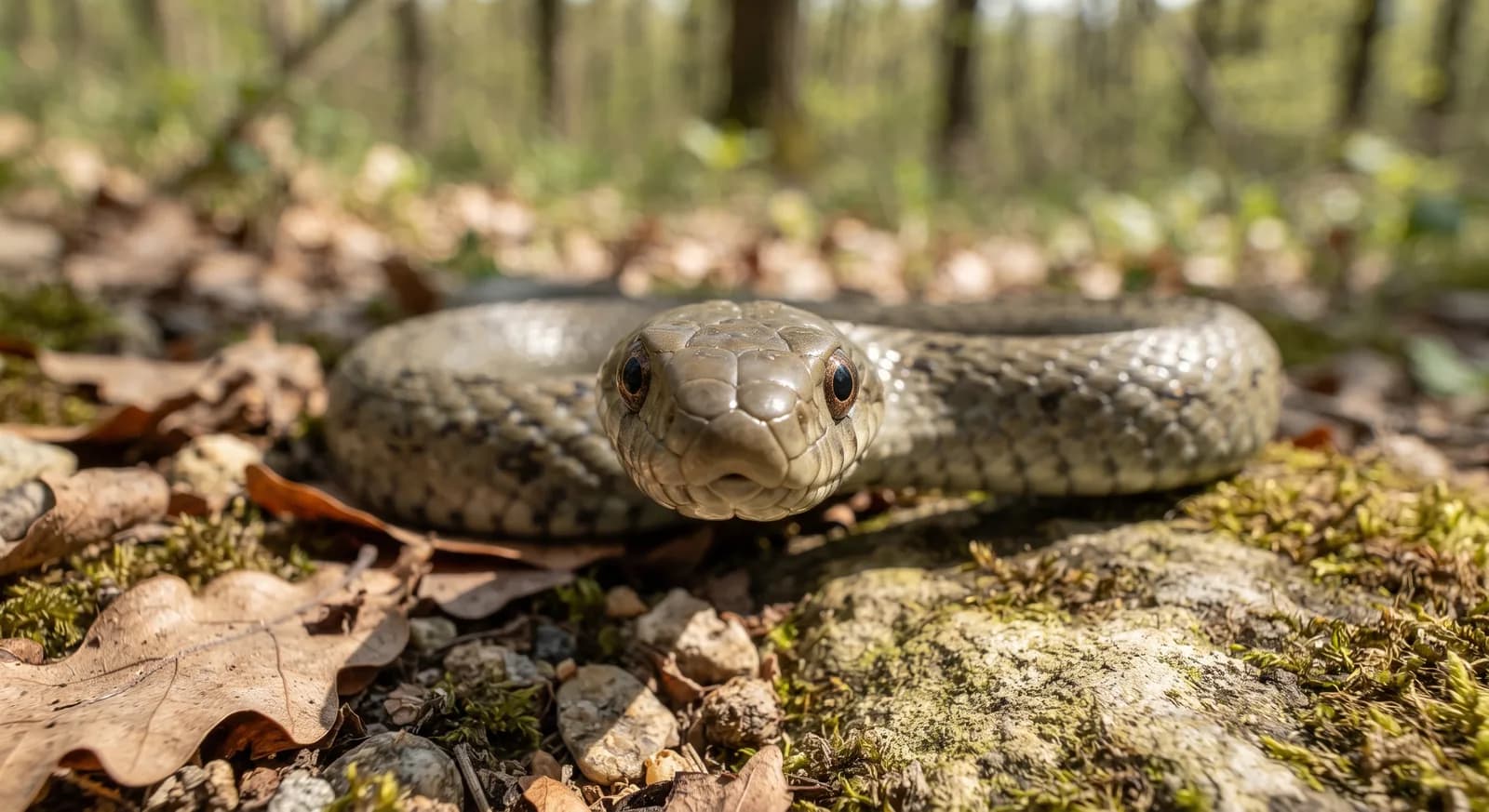
Aesculapian SnakeLeast Concern

Aesculapian Snake

Zamenis longissimus
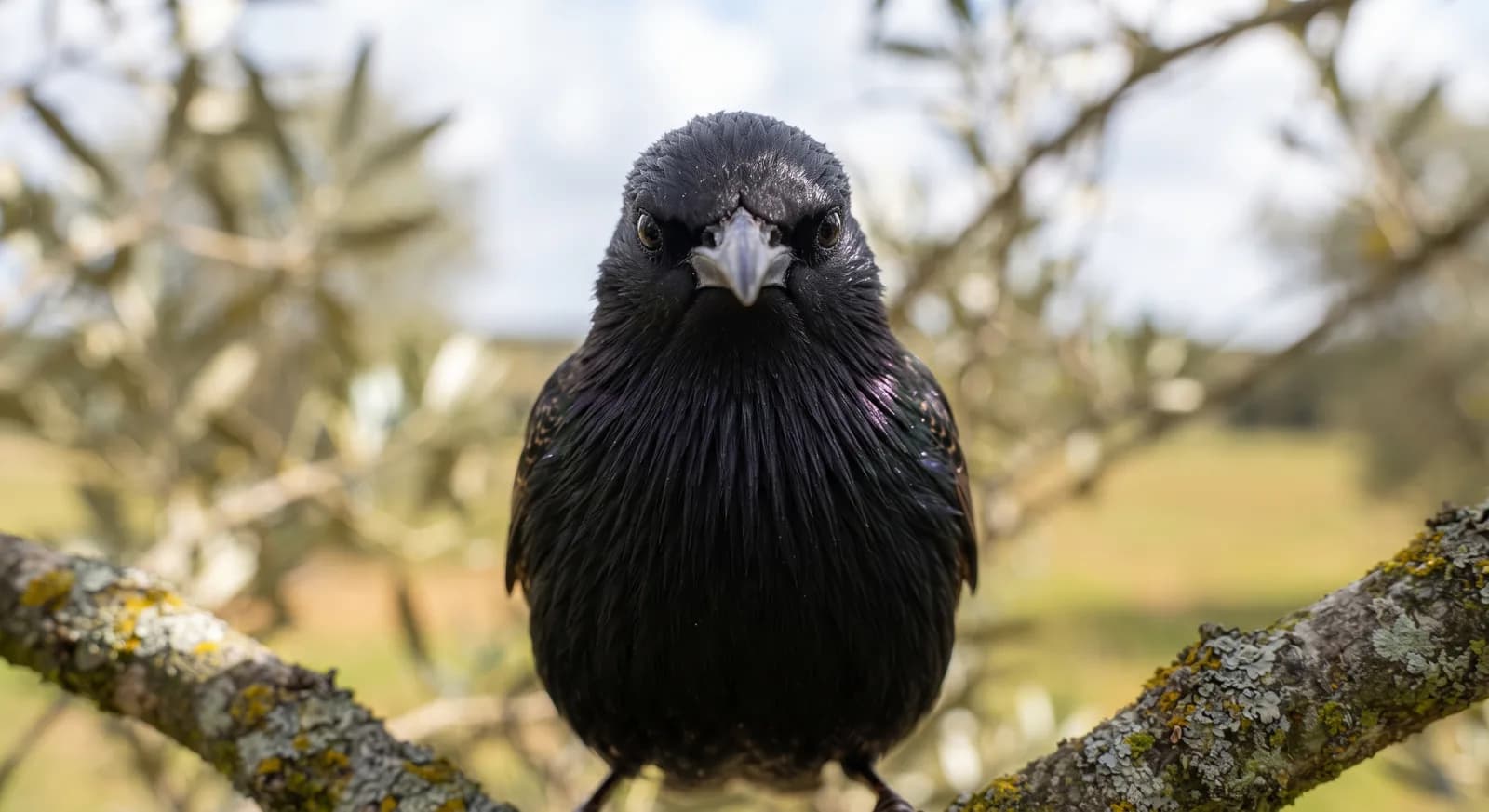
Spotless StarlingLeast Concern

Spotless Starling

Sturnus unicolor
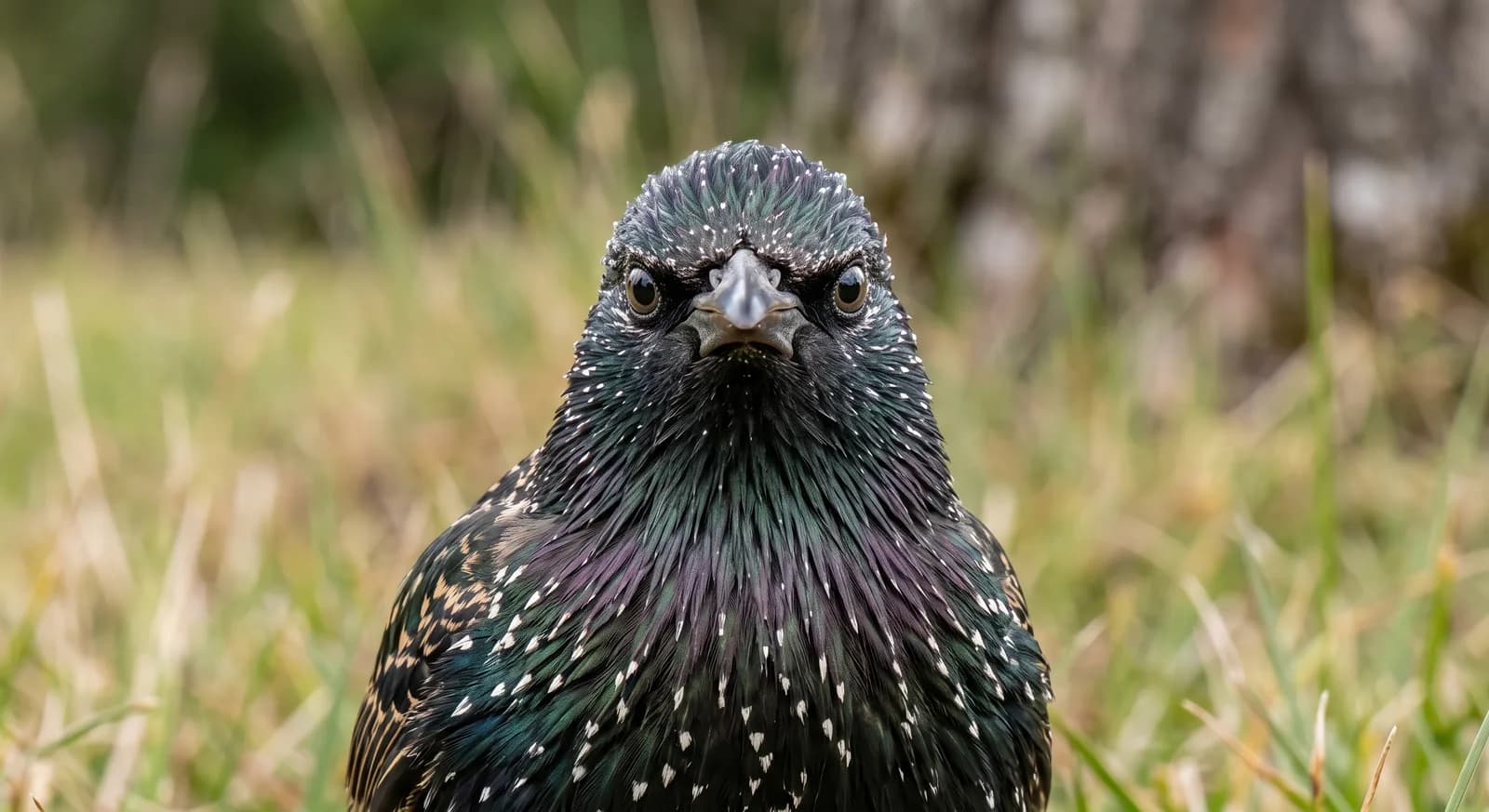
Common StarlingLeast Concern

Common Starling

Sturnus vulgaris

Yellow-legged GullLeast Concern

Yellow-legged Gull

Larus michahellis
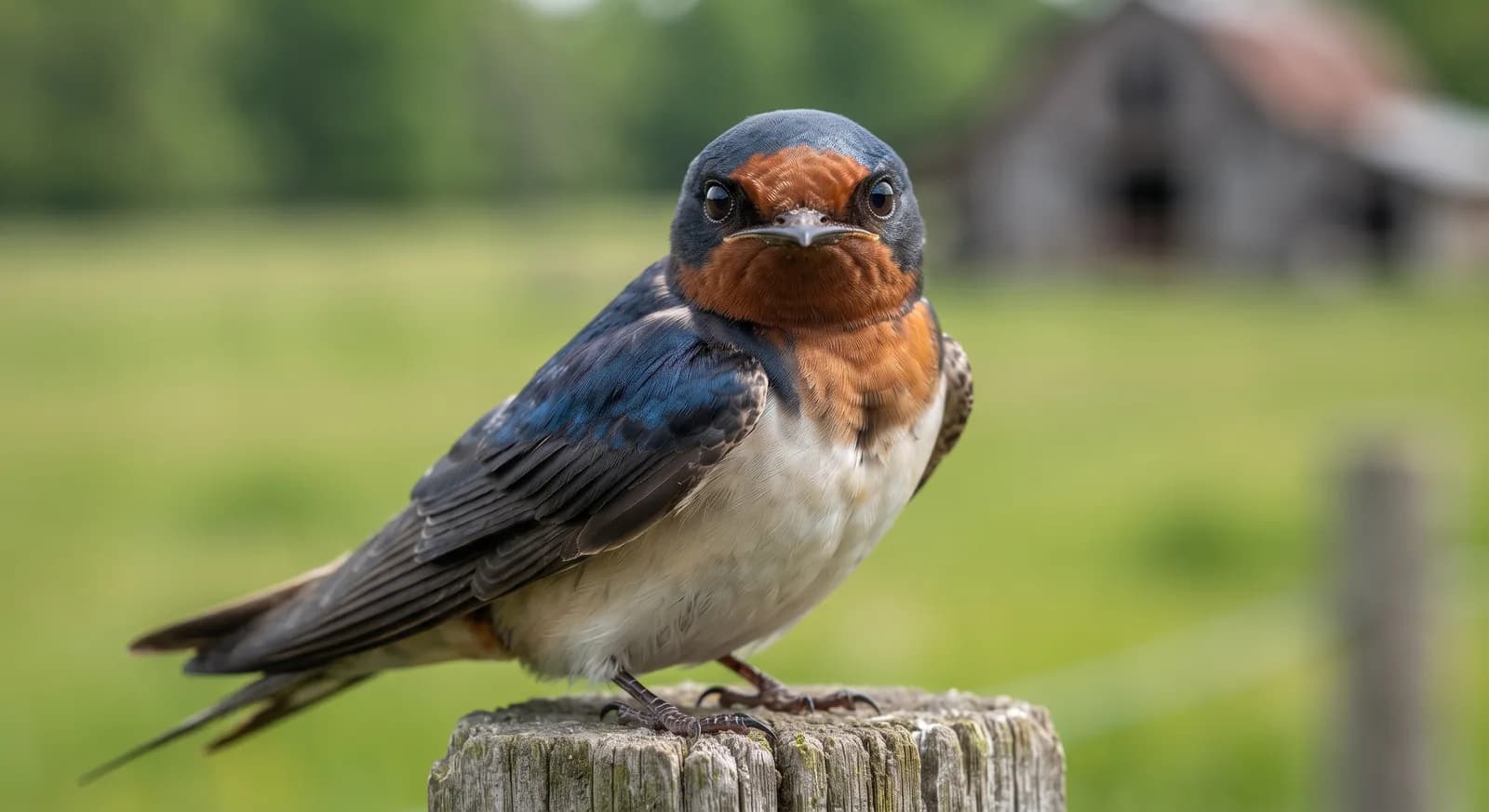
Barn SwallowLeast Concern

Barn Swallow

Hirundo rustica
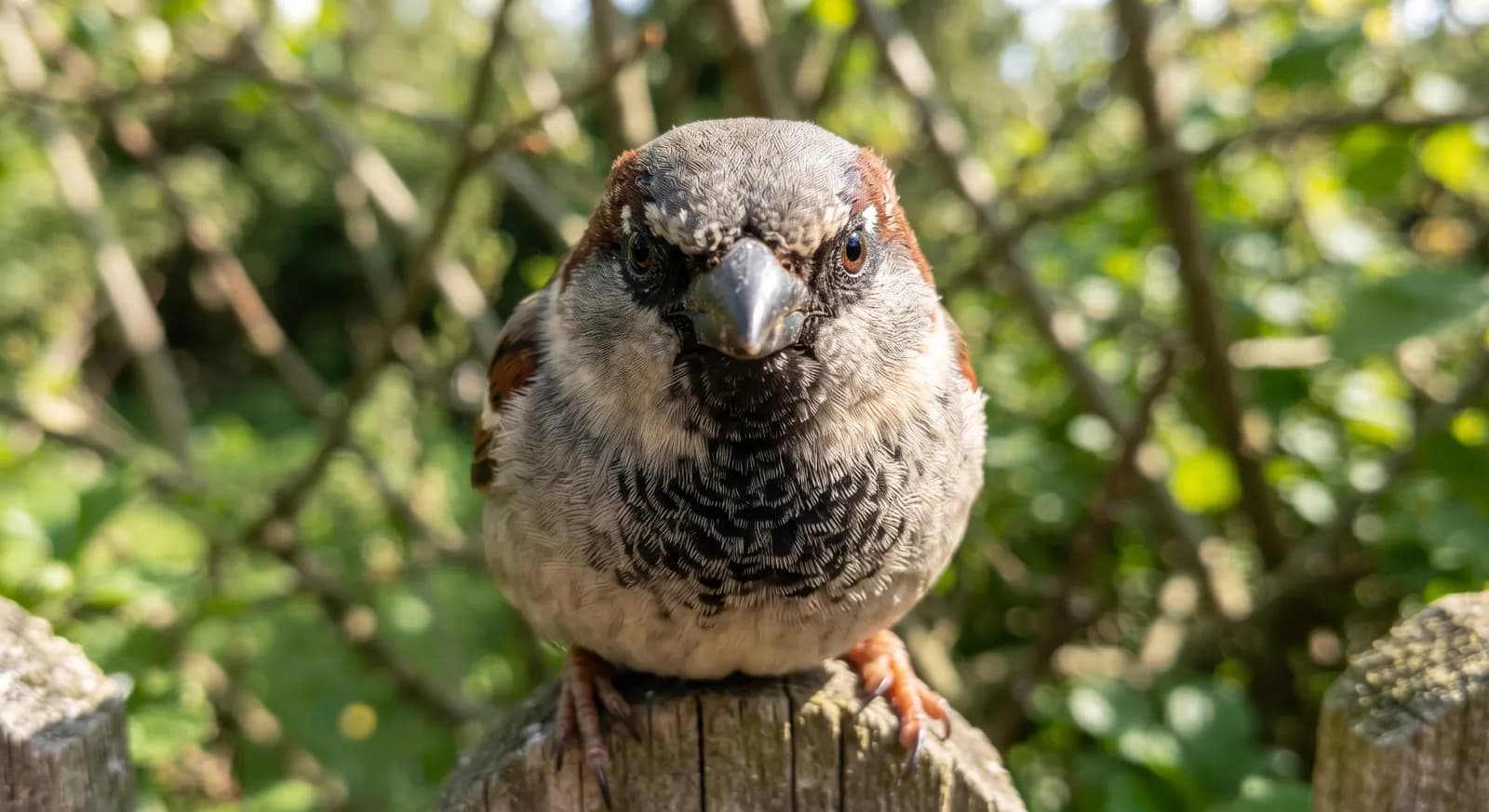
House SparrowLeast Concern

House Sparrow

Passer domesticus

Page 1 of 5

Keep exploring

Based on what we already know about Vatican City.

Explore by category

Discover wildlifeSpecies, ecosystems and everything protecting themExplore placesThe map, countries, parks and dive sites

Explore on the map

Interactive map

This page in other languages: Español · Deutsch · Français · Português · Italiano