Skip to content
WAnimals
  • Map
  • Species
  • Parks
  • Diving
Log inCreate account
WAnimals

The guide for travellers and animal lovers: discover, plan and share your wild adventures around the world.

Discover wildlife

  • Species
  • Ecosystems
  • Glossary
  • Tags

Explore places

  • Map
  • Countries
  • Parks
  • Diving

Plan experiences

  • Guides

Learn

  • Blog

Resources

  • Help centre
  • Contact
  • Install the app

Follow us

Account

  • Log in
  • Create account

© 2026 WAnimals. All rights reserved.

About usHow we build our profilesTerms of servicePrivacyLegal notice
MapSpeciesParksDiving
  1. Home
  2. Species
  3. Great Tit

One of the 3 tits on WAnimals

Great Tit (Parus major)

Birds · Passeriformes · Paridae

Great Tit

Parus major

Least Concern

The species is abundant and widely distributed; it faces no significant short-term risk.

Spotted something wrong?

It is one of the most studied birds in ornithology, serving as a classic model in research on behaviour, evolution and urban ecology.

Weight

up to 18 g

Size

14 cm on average

Life expectancy

2 years
Diet

Omnivore

Combines animal and plant food depending on availability.

Activity

Diurnal

Active mainly during the day.

Social structure

In pairs

Usually lives in pairs, sometimes for life.

Sighting difficulty

Easy

Temperate forest
49countries261parks5same family

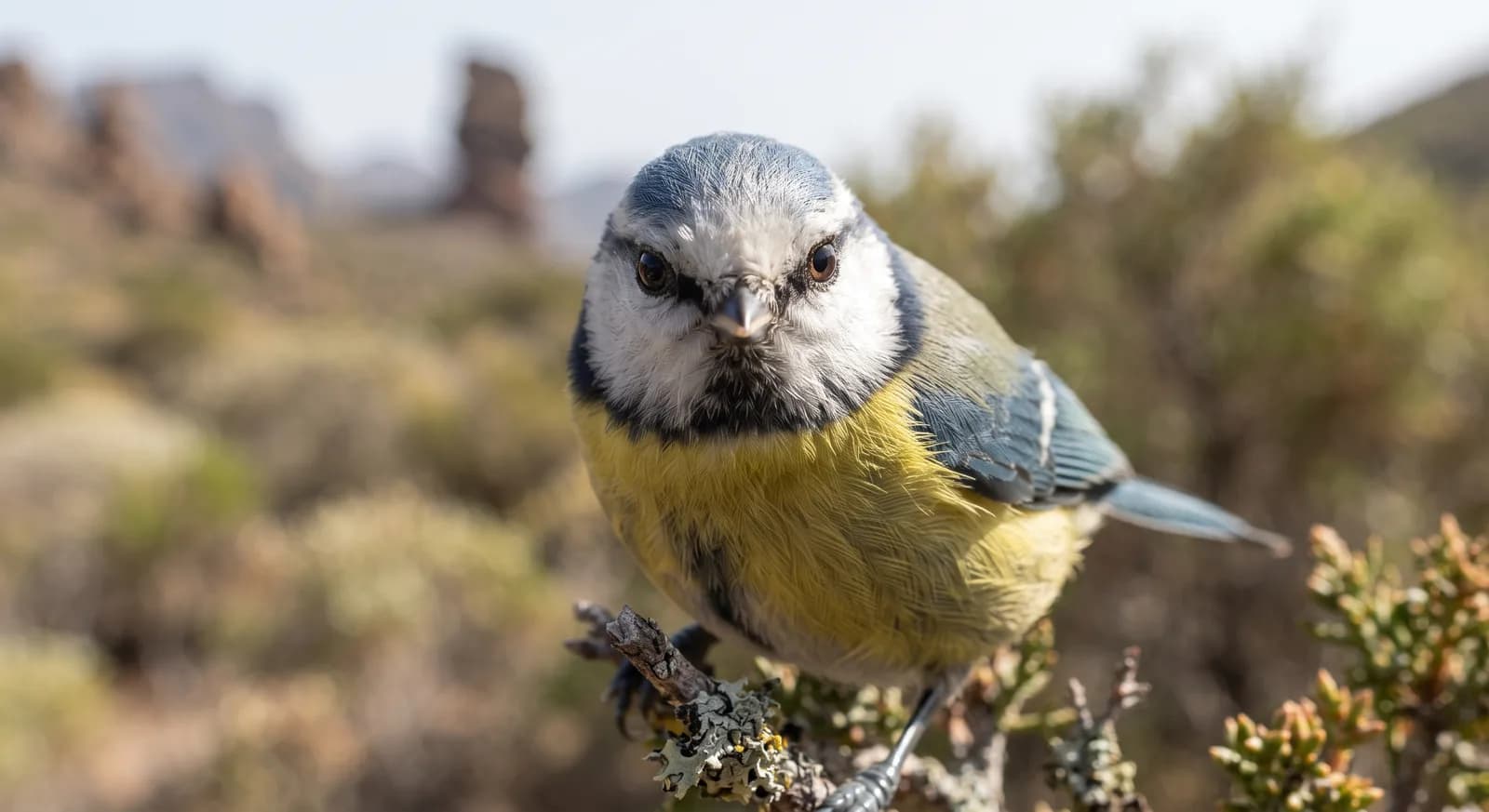
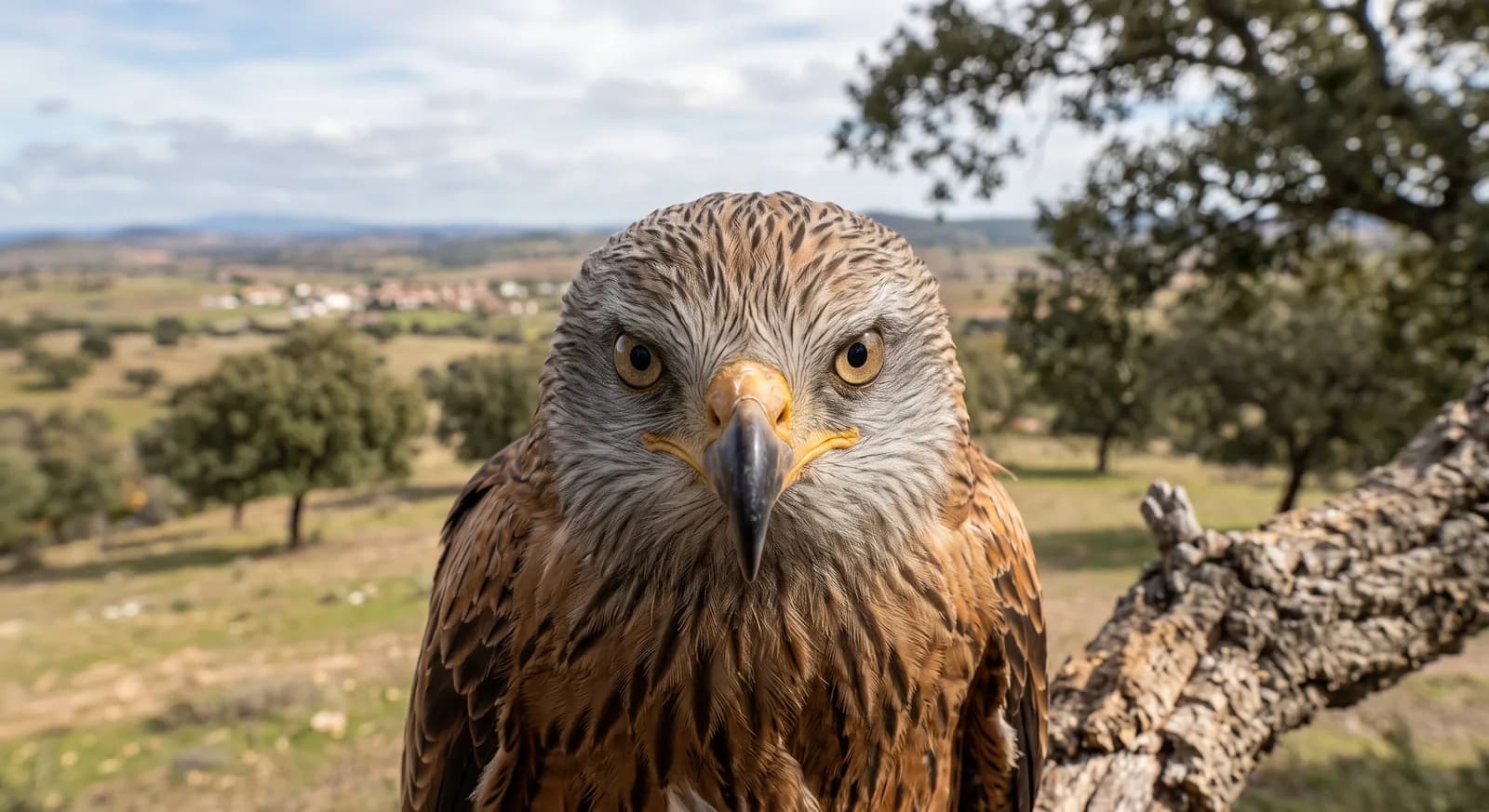
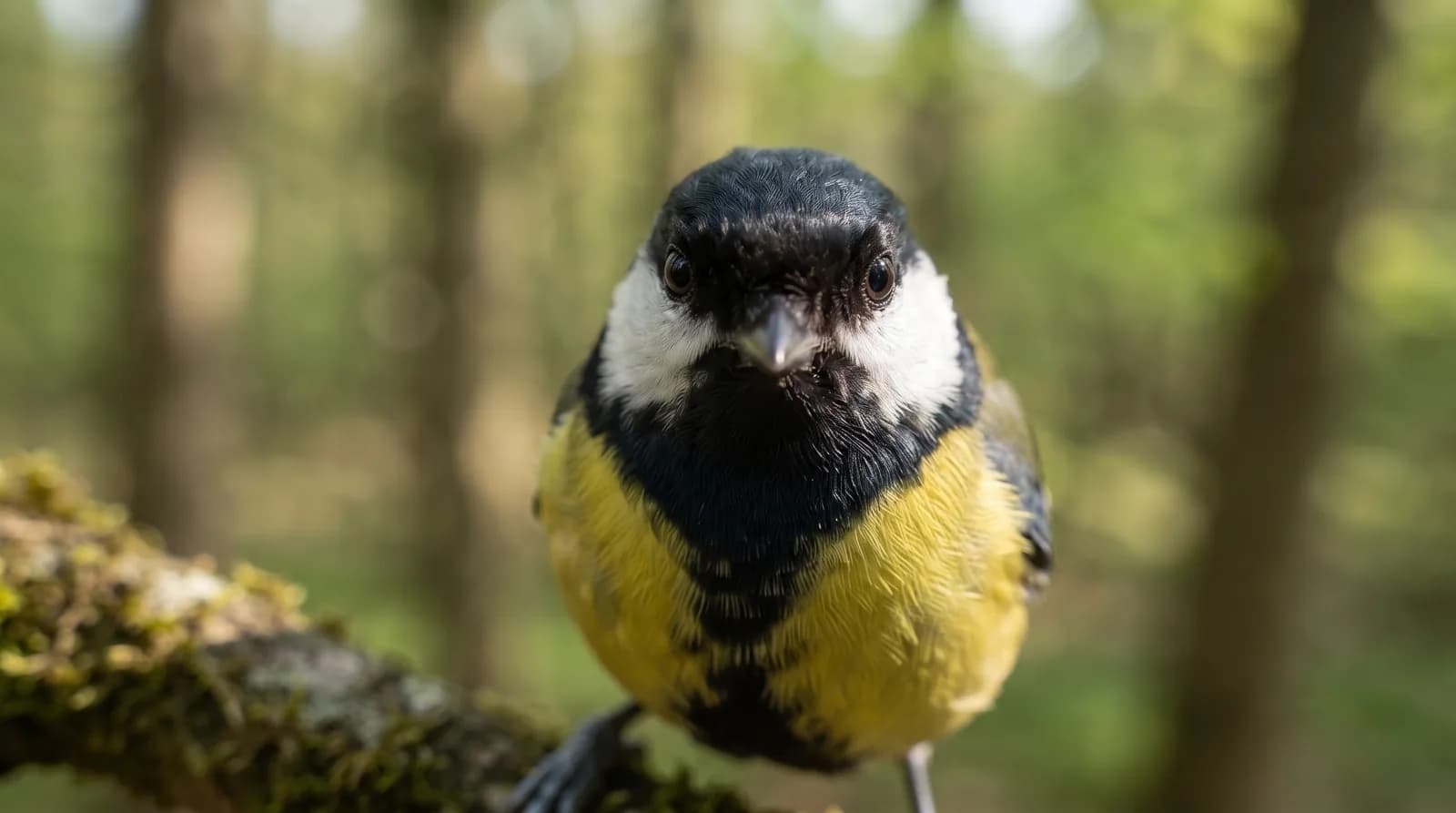
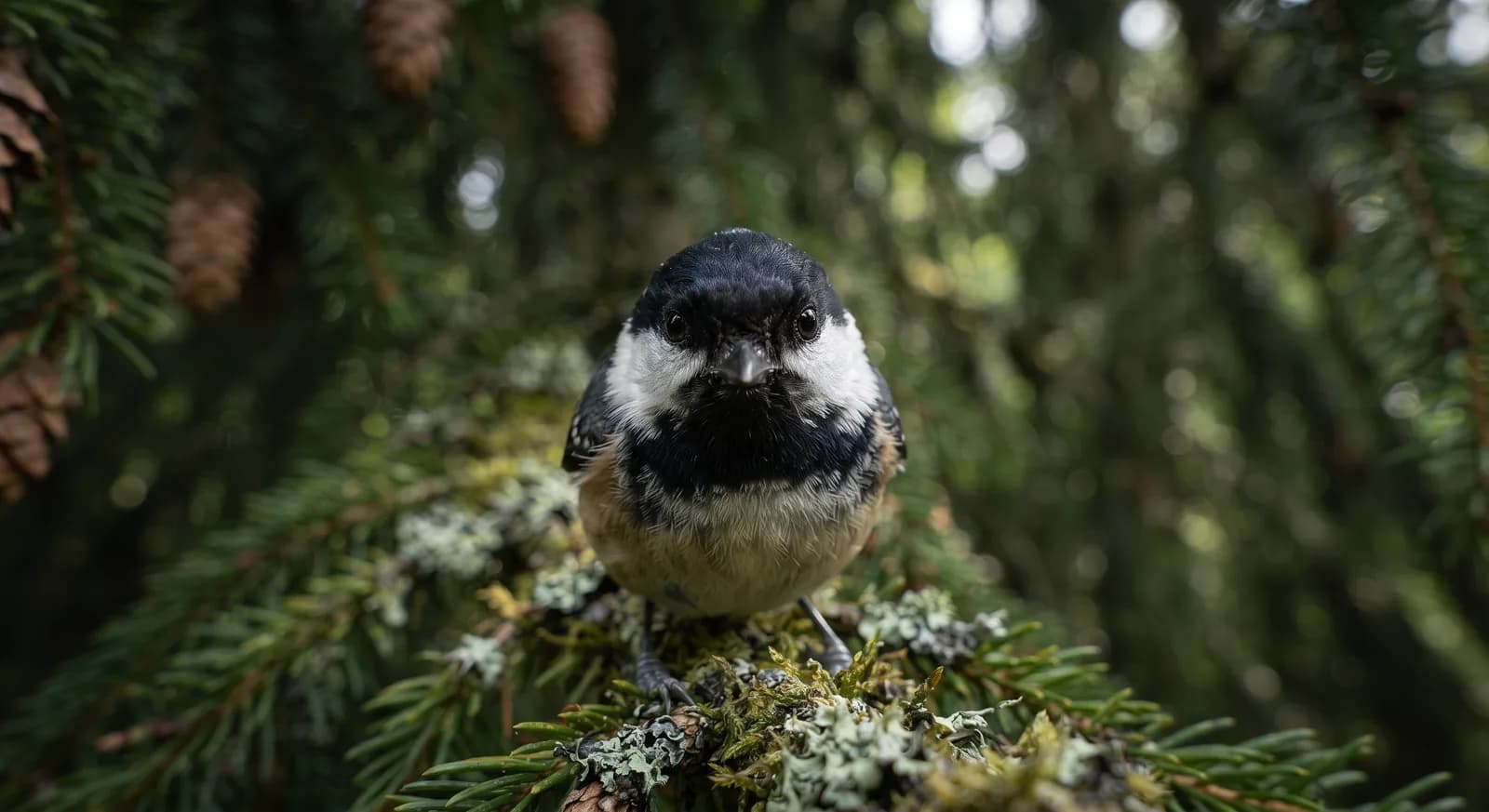
AI-generated images: illustrations, not photographs.

Fun facts

  • Chicks grow a bright yellow patch on the nape that reflects ultraviolet light, possibly to catch their parents' attention.
  • It eats insects and caterpillars, especially while rearing young, and seeds, nuts and berries in winter.
  • One bird reached a record 15.4 years.
  • comunicaciónIt can adjust the structure of its song to the level of urban background noise, singing at higher pitches in noisy cities so as not to be drowned out.

Life cycle and biology

Skeleton type
Vertebrate - pneumatised bony skeleton (bird)
Habitat and environment
Woodland, parks and gardens across much of Europe, North Africa, Central Asia and east as far as Japan
Birth weight
Tiny, blind and featherless at hatching
Size at birth
Tiny at hatching
Sexual maturity
1 year
Gestation / incubation
12-15 days
Litter / clutch size
5 to 12 eggs per clutch, often 2 broods a year
Life expectancy in captivity
Documented record of up to 15.4 years in a ringed bird in the wild

Sources consulted: AnAge (genomics.senescence.info); Planet of Birds; Garden Wildlife Direct; Binocular Base; Britannica; Animalia.bio; Songbird Survival; Birds of the World; PMC (nest temperature study, yolk steroids study)

Where to find it

Best time: All year round; it is most conspicuous from February to May, when the males sing from high perches.

Loading map…

Where to see it

Parks and dive sites where this species has been documented — showing 10 of 261.

Related species

Other species in the catalogue with the most in common with Great Tit — same habitat, park, country, tags or family.

Same taxonomic family
Shares a park
Shares a park

Keep exploring

Based on what we already know about great tit.

Comments

Share an experience, a fun fact or a tip for seeing the great tit.

Be the first to comment.

See full glossary
This page in other languages: Español · Deutsch · Français · Português · Italiano

The pins mark the parks where its presence is documented.

See its range on the interactive map→
Doñana National ParkSpain
SarekSweden
PadjelantaSweden
JotunheimenNorway
HardangerviddaNorway
Pallas-YllastunturiFinland
Urho KekkonenFinland
Lake DistrictUnited Kingdom
CairngormsUnited Kingdom
Snowdonia (Eryri)United Kingdom
See all 261 parks
Least Concern

European Crested Tit

Lophophanes cristatus

Coal TitLeast Concern

Coal Tit

Periparus ater

Least Concern

Eurasian Blue Tit

Cyanistes caeruleus

African Blue TitLeast Concern

African Blue Tit

Cyanistes teneriffae

Least Concern

Eurasian Collared Dove

Streptopelia decaocto

Red KiteLeast Concern

Red Kite

Milvus milvus

CountriesSpain
ParksDoñana National ParkSpain
TagsOmnivore
Omnivore
Diurnal
In pairs
Bird
Temperate forest

Europe42

Asia7

Spain
Poland
Finland
Italy
Sweden
United Kingdom
Albania
Andorra
Austria
Belarus
Belgium
Bosnia and Herzegovina
Bulgaria
Croatia
Cyprus
Czechia
Denmark
Estonia
Finland
France
Germany
Greece
Hungary
Ireland
Italy
Kosovo
Latvia
Liechtenstein
Lithuania
Luxembourg
Moldova
Montenegro
Netherlands
North Macedonia
Norway
Poland
Portugal
Romania
San Marino
Serbia
Slovakia
Slovenia
Spain
Sweden
Switzerland
Ukraine
United Kingdom
Vatican City
Armenia
Azerbaijan
China
Georgia
North Korea
Russia
Türkiye