Skip to content
WAnimals
  • Map
  • Species
  • Parks
  • Diving
Log inCreate account
WAnimals

The guide for travellers and animal lovers: discover, plan and share your wild adventures around the world.

Discover wildlife

  • Species
  • Ecosystems
  • Glossary
  • Tags

Explore places

  • Map
  • Countries
  • Parks
  • Diving

Plan experiences

  • Guides

Learn

  • Blog

Resources

  • Help centre
  • Contact
  • Install the app

Follow us

Account

  • Log in
  • Create account

© 2026 WAnimals. All rights reserved.

About usHow we build our profilesTerms of servicePrivacyLegal notice
MapSpeciesParksDiving
  1. Home
  2. Species
  3. African Blue Tit

One of the 3 blue tits on WAnimals
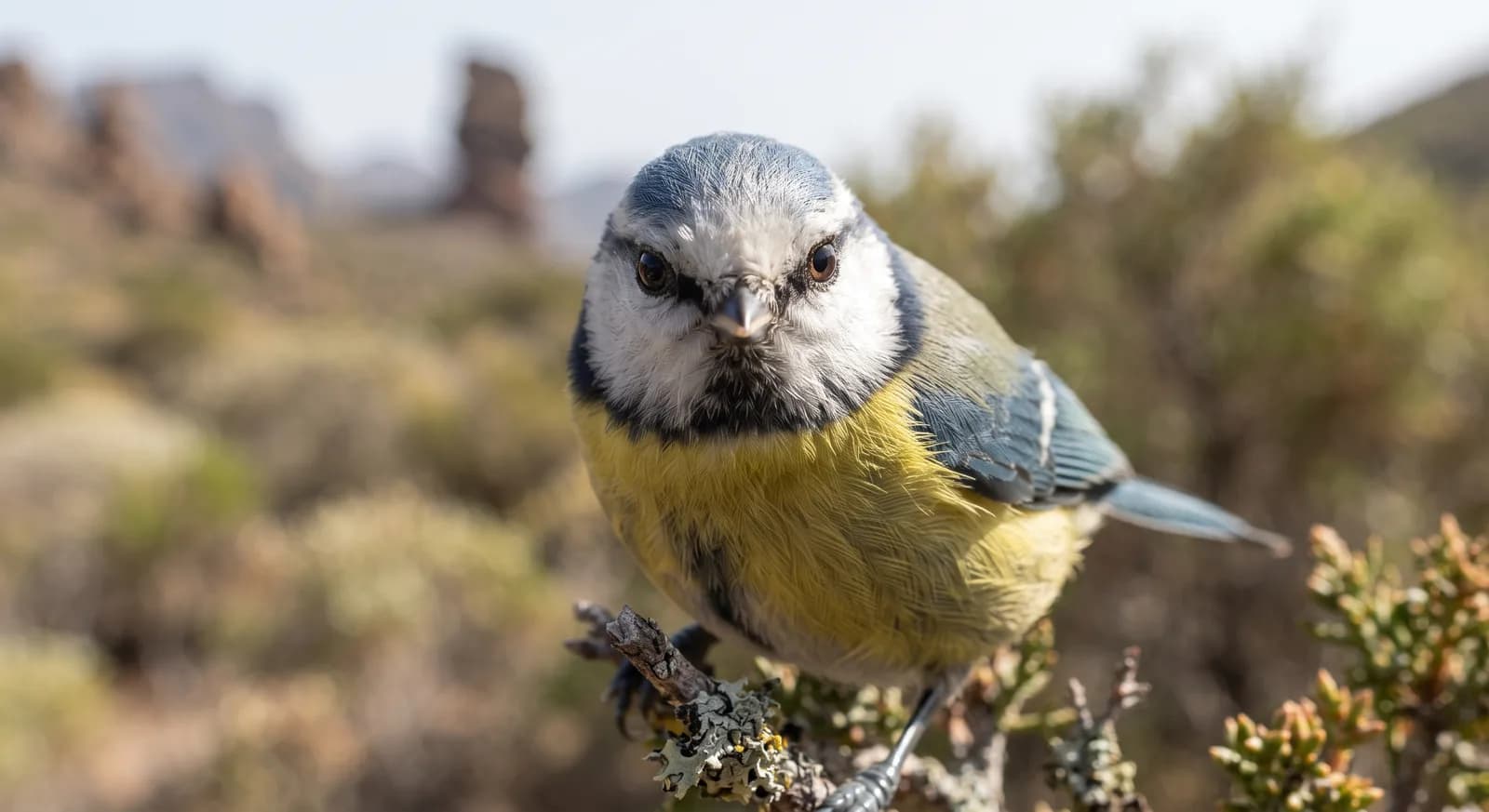
African Blue Tit (Cyanistes teneriffae)

Birds · Passeriformes · Paridae

African Blue Tit

Cyanistes teneriffae

Least Concern

The species is abundant and widely distributed; it faces no significant short-term risk.

Spotted something wrong?

The African blue tit is a tit endemic to the Canary archipelago and north-west Africa, darker than the European blue tit: it has a slate-blue back and a strongly marked black band on the head. Each island has its own subspecies, with notable differences in colour and song, to the point that whether some should be treated as separate species is debated. It occupies almost every wooded habitat on the islands, from the laurel forest to urban gardens.

Weight

9 g – 13 g

Size

11 cm – 12 cm

Life expectancy

8 years
Diet

Insectivore

Feeds mainly on insects and other invertebrates.

Activity

Diurnal

Active mainly during the day.

Social structure

In pairs

Usually lives in pairs, sometimes for life.

Sighting difficulty

Easy

Temperate forestMountainIslands
5countries4parks5same family

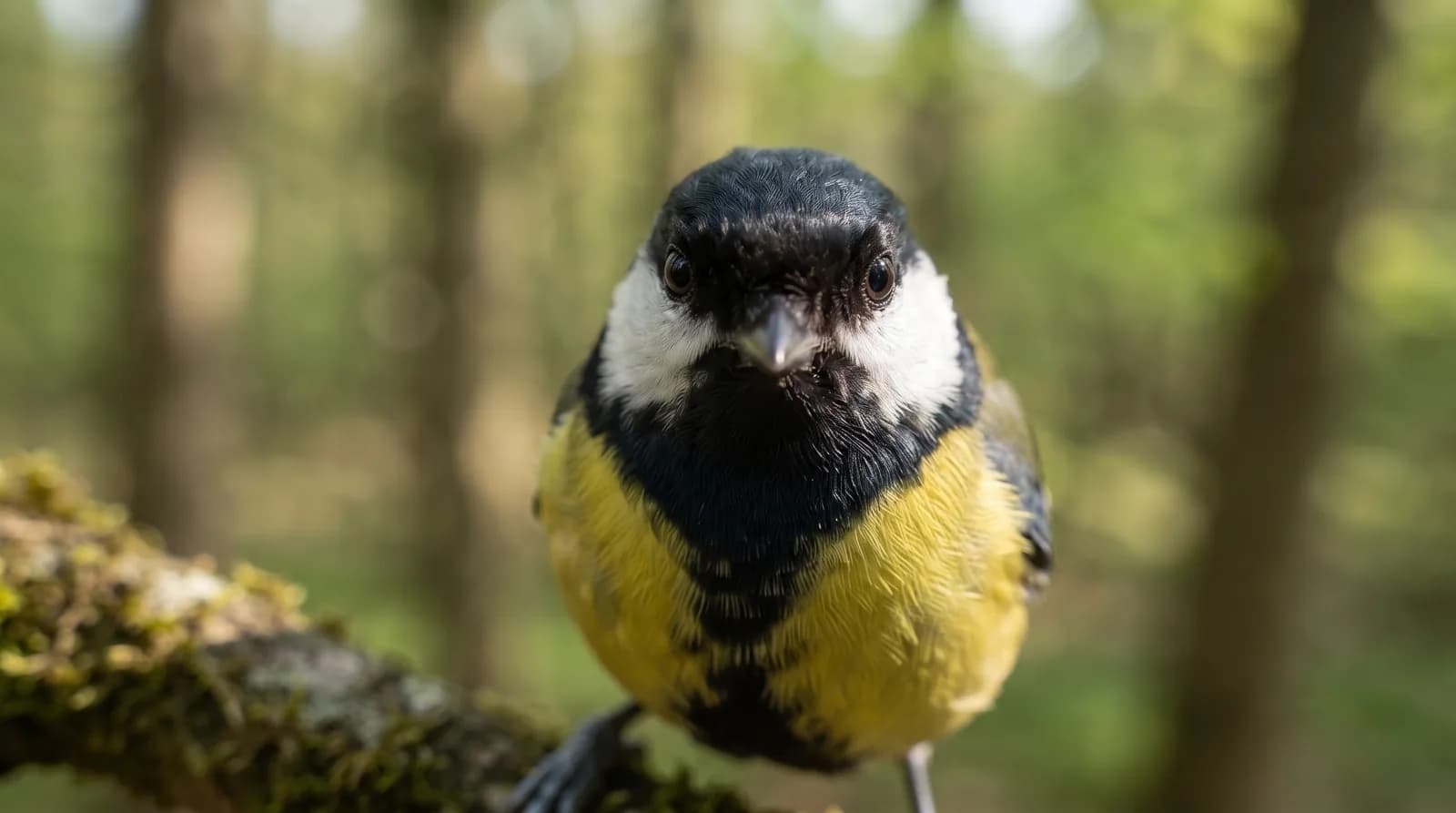
AI-generated images: illustrations, not photographs.

Fun facts

  • Each island in the archipelago has its own subspecies, with distinct plumage and song, and the populations of Gran Canaria and those of the western islands are so genetically separate that several authors propose treating them as different species.
  • It is one of the few birds that can be seen both inside the humid laurel forest and in the dry summit pine woods and the gardens of the Canarian towns.

Life cycle and biology

Skeleton type
Vertebrate - internal bony skeleton (bird)
Habitat and environment
Laurel forest, Canary pine woods, palm groves, wooded farmland and gardens of the Canary Islands
Sexual maturity
12 months
Gestation / incubation
14 days of incubation
Litter / clutch size
5 eggs

Sources consulted: https://www.iucnredlist.org/ | https://animaldiversity.org/ | https://es.wikipedia.org/

Where to find it

Loading map…

The pins mark the parks where its presence is documented.

Where to see it

Parks and dive sites where this species has been documented.

Related species

Other species in the catalogue with the most in common with African Blue Tit — same habitat, park, country, tags or family.

Same taxonomic family
Shares a park
Shares a park
Shares a park

Keep exploring

Based on what we already know about african blue tit.

Comments

Share an experience, a fun fact or a tip for seeing the african blue tit.

Be the first to comment.

See full glossary
This page in other languages: Español · Deutsch · Français · Português · Italiano
See its range on the interactive map→
TeideSpain
GarajonaySpain
TimanfayaSpain
Caldera de TaburienteSpain
Least Concern

European Crested Tit

Lophophanes cristatus

Great TitLeast Concern

Great Tit

Parus major

Coal TitLeast Concern

Coal Tit

Periparus ater

Eleonora's FalconLeast Concern

Eleonora's Falcon

Falco eleonorae

FirecrestLeast Concern

Firecrest

Regulus ignicapilla

Least Concern

Blue Rock Thrush

Monticola solitarius

CountriesSpain
ParksTeideSpain
TagsInsectivore
Insectivore
Diurnal
In pairs
Bird
Temperate forest
Mountain
Islands
Spain
Algeria
Libya
Morocco
Tunisia