 Least Concern
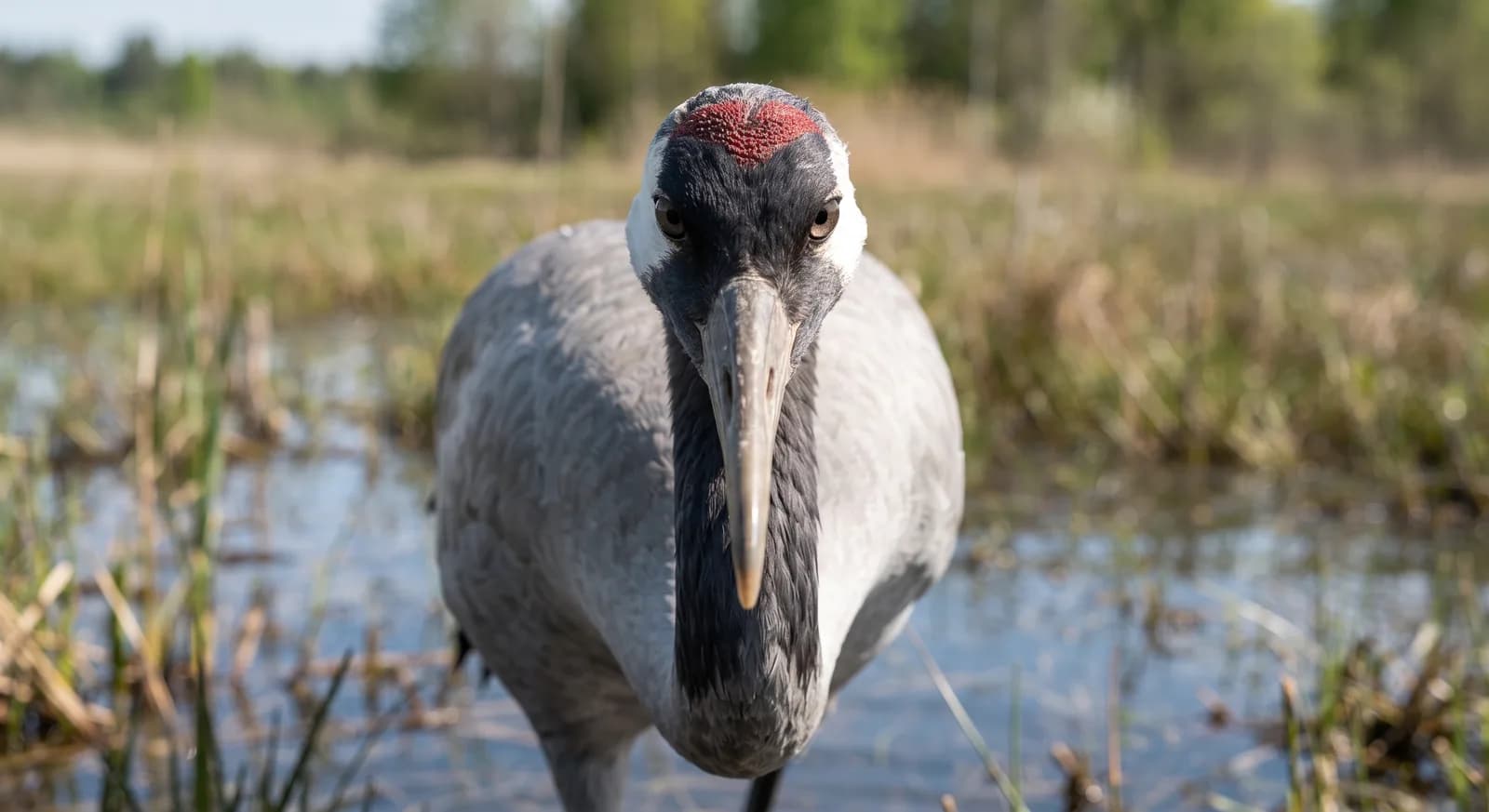
Common Crane
Grus grus
Spain's most visited national park; the highest peak in Spain (3,718 m)
Area
190 km²
Protection category
IUCN II
Parque nacional —
Designated in
1954
Teide National Park occupies the high ground of Tenerife, above the sea of clouds formed by the trade wind. Its structural element is the Las Cañadas Caldera, a depression some sixteen kilometres across enclosed by a sheer-walled escarpment, within which rises the Teide-Pico Viejo stratovolcano. Teide is the highest point in Spain and, measured from the ocean floor, one of the most voluminous volcanic edifices on the planet. The landscape brings together practically the whole repertoire of volcanic forms: ropy and block lava flows, domes, cinder cones, obsidian and pumice. The aridity and extreme radiation of the high mountains have selected a flora with a very high proportion of endemics, among them the red tajinaste, whose flower spike can exceed two metres. The fauna is mainly invertebrate and highly endemic, alongside the Tenerife lizard and birds such as the blue chaffinch.
1 dive site within 300 km is also shown.
Ecosystems found in Spain, where Teide lies.
Where can I dive near here?
150 km away
What is worth looking out for this month in Spain?
Now is a good time: Common crane wintering at Gallocanta Lagoon (October to March (passage peaks in November and February))
Now is a good time: Soaring bird migration across the Strait of Gibraltar (Spring passage February to May and autumn passage July to November)
Now is a good time: Soaring bird migration across the Strait of Gibraltar (Spring passage February to May and autumn passage July to November)
Which other parks are like this one?
Same country: Spain
Same country: Spain
Same country: Spain
Same country: Spain
Based on what we already know about this park.
Region
Iberian Peninsula
Climate
Arid / desert, Temperate, Mediterranean, Mountain
Best season
All year round
Threatened:,,,,
Endemic species of Spain:
Now is a good time: Soaring bird migration across the Strait of Gibraltar (Spring passage February to May and autumn passage July to November)
 Spain