 Critically Endangered
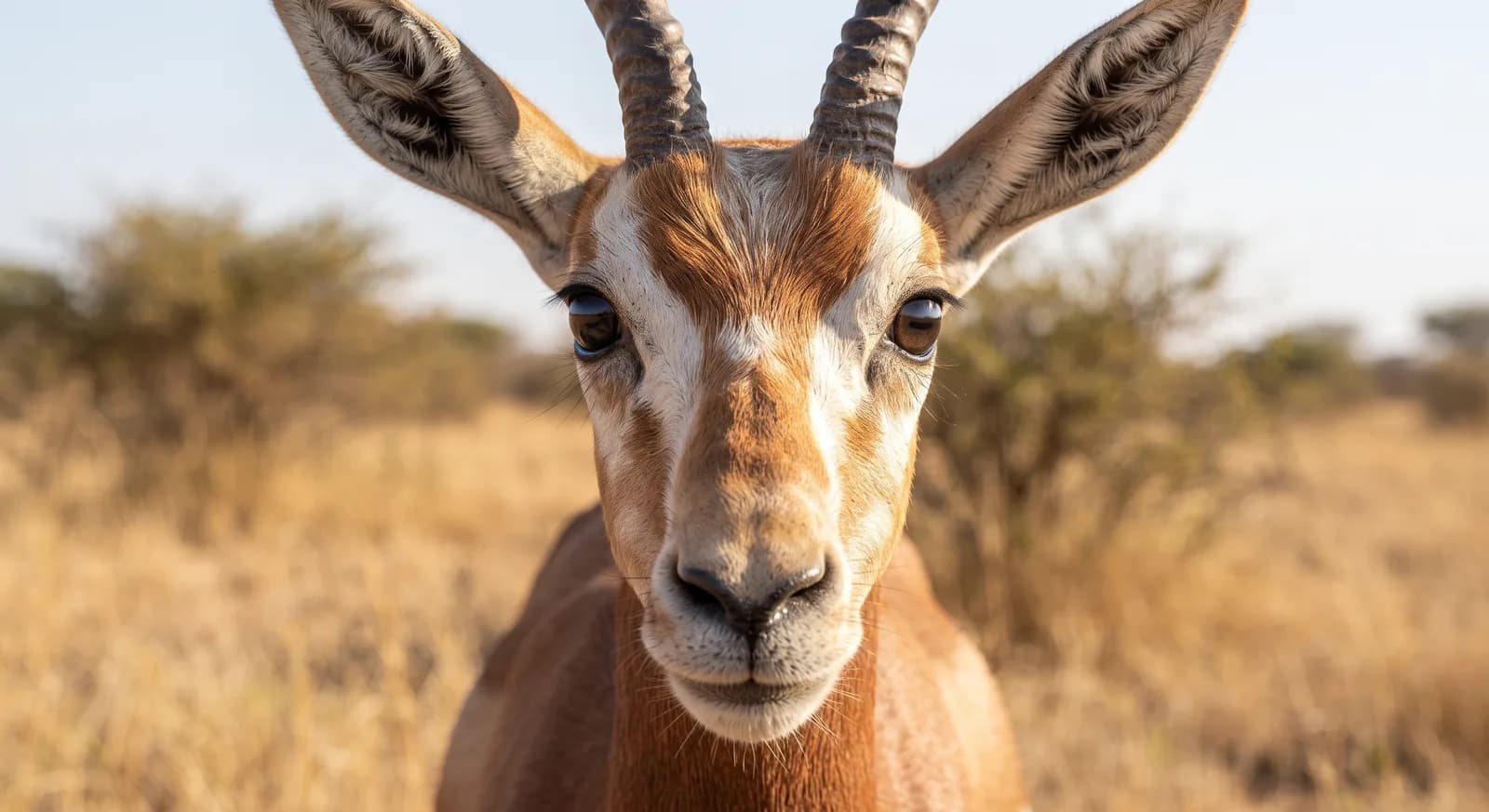
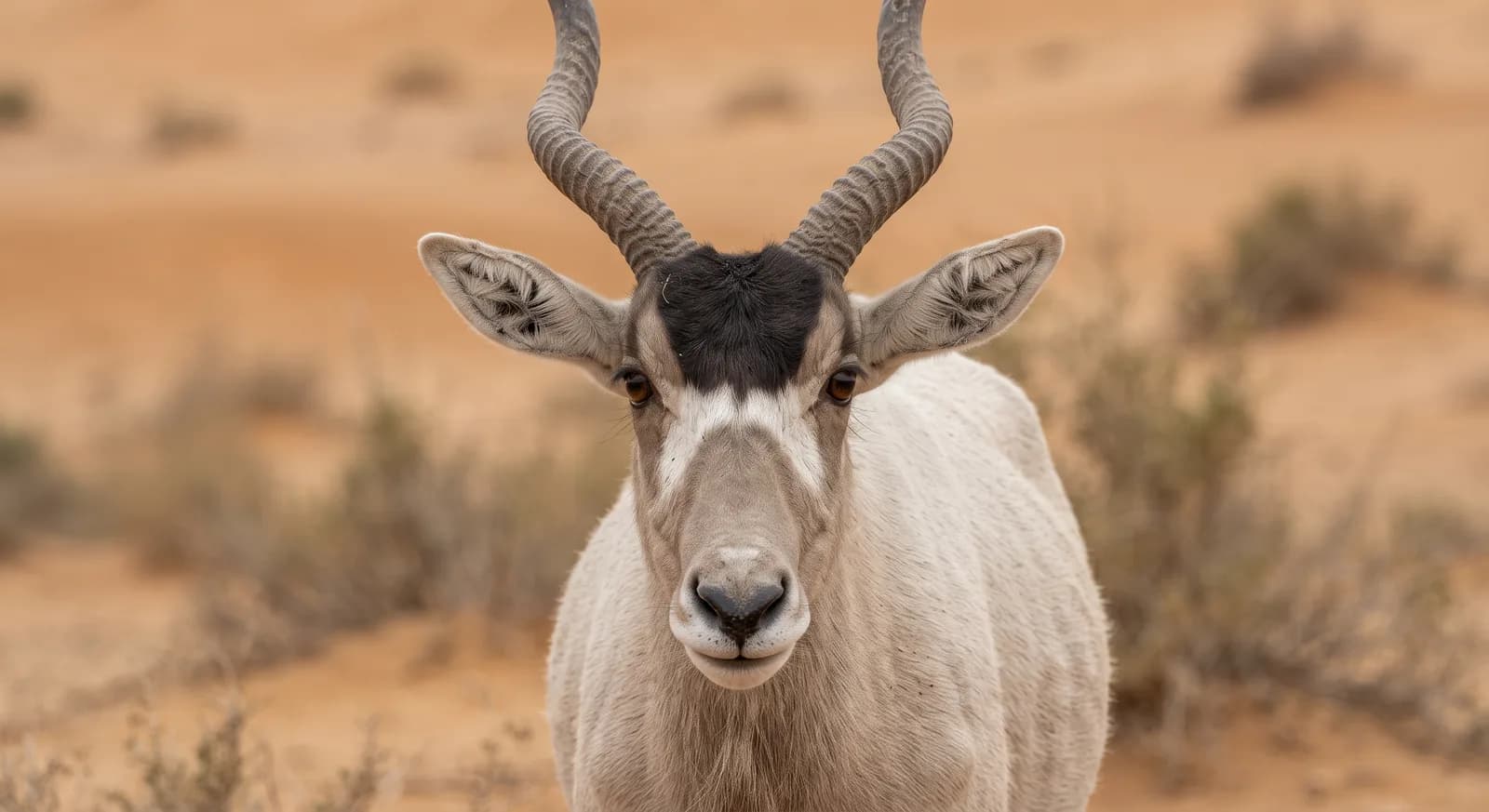
Addax
Addax nasomaculatus
Africa
Libya is more than ninety per cent desert, with dune ergs, stony plateaux and depressions where fossil springs come to the surface. The habitable strip is limited to the Mediterranean coast and two mountain areas: the Jebel Nafusa, to the west, and above all the Jebel Akhdar of Cyrenaica, the Green Mountain, a limestone step that catches the sea moisture and keeps the densest Mediterranean woodland in the country, with junipers, carobs and cypresses. In the Fezzan, the Ubari lakes dot the dunes with hypersaline water where only extremophile crustaceans and algae thrive, and the crater of Waw an Namus rings a volcano of dark lagoons. The Libyan coast, little built up, keeps extensive sandy beaches and salt wetlands that draw flamingos and waders on migration.
National animal: No official national animal; the falcon and the dromedary are the traditional faunal symbols
The Libyan coast, barely transformed by tourism, concentrates a very high share of all the loggerhead turtle nesting in the Mediterranean. Its beaches were not systematically surveyed until the mid-2000s, and the counts then revealed thousands of nests a year spread along deserted stretches of coast, which turned the country into a key piece in the species' survival across the basin.
Political instability has left much of the protected area network without effective management, although paradoxically it has slowed the building-up of the coast. Saharan antelopes have almost completely disappeared through motorised hunting.
The coast of Sirte and Cyrenaica between June and August for loggerhead turtle nesting. The Jebel Akhdar in spring for woodland birds and Mediterranean flora. The Fezzan in winter for Saharan wildlife.
Where else might I want to travel?
Same region: North Africa
Same region: North Africa
Same region: North Africa
Same region: North Africa
232 species found
Based on what we already know about Libya.