Skip to content
WAnimals
  • Map
  • Species
  • Parks
  • Diving
Log inCreate account
WAnimals

The guide for travellers and animal lovers: discover, plan and share your wild adventures around the world.

Discover wildlife

  • Species
  • Ecosystems
  • Glossary
  • Tags

Explore places

  • Map
  • Countries
  • Parks
  • Diving

Plan experiences

  • Guides

Learn

  • Blog

Resources

  • Help centre
  • Contact
  • Install the app

Follow us

Account

  • Log in
  • Create account

© 2026 WAnimals. All rights reserved.

About usHow we build our profilesTerms of servicePrivacyLegal notice
MapSpeciesParksDiving
  1. Home
  2. countries
  3. Egypt

Egypt

Africa

Capital: CairoOctober to April

388

Documented species

7

Parks and reserves

26

Dive sites

Egypt is a desert country crossed by a river: the Nile and its delta concentrate almost all the life and all the population, while the rest is eastern Sahara, with limestone plateaux, dune fields and depressions such as the Qattara. The oases of the western desert, fed by fossil aquifers, form islands of palm groves and salt lagoons. The Red Sea, by contrast, hides one of the richest and most resilient coral reef systems on the planet, with more than a thousand species of fish and corals that withstand temperatures capable of bleaching any other reef in the world. Sinai contributes granite mountains with arid fauna such as the Nubian ibex and the striped hyena, and the delta lakes and Lake Nasser hold Nile crocodiles, wintering waterbirds and traditional fisheries.

Nature in Egypt

National animal: The steppe eagle, depicted as the Eagle of Saladin on the national coat of arms

Did you know?

Deep in the western desert, more than one hundred and fifty kilometres from the sea, the Valley of the Whales holds hundreds of fossil skeletons of primitive whales some forty million years old. The extraordinary part is that many still have tiny hind legs: they are the physical proof that cetaceans descend from four-limbed land mammals that returned to the water, which is why the site is a World Heritage Site.

Biodiversity profile

Conservation

The reefs of the northern Red Sea are considered a thermal refuge against global warming and are the subject of an international scientific programme. Pressure from dive tourism and coastal landfill is the main threat.

Where and when to watch wildlife

The Red Sea year-round for reefs, dugongs and sharks; between May and July for whale sharks. Lake Nasser in winter for waterbirds and crocodiles. Sinai at dawn for ibex.

Parks and reserves

World Heritage Site (Natural)

Whale Valley (Wadi Al-Hitan)

The site that documents how whales stopped walking: fossil cetaceans with hind limbs in the middle of the desert.

See park
National Park

Ras Mohammed

Egypt's first marine national park; vertical coral walls among the most spectacular in the Red Sea

See park
National Park

White Desert

White chalk formations sculpted by the wind in the Western Desert, a landscape with no equivalent in the Sahara.

See park
Protected Area

Gebel Elba

A fog oasis in the Eastern Desert, with Afrotropical flora, in territory disputed with Sudan.

See park
Protected Area

Nabq

The most northerly mangroves of the Red Sea and Indian Ocean, on the Gulf of Aqaba coast beside the Sinai dunes.

See park
National Park

Wadi El Gemal

Red Sea coast and hinterland with mangroves, dugong seagrass beds and the emerald mines of the pharaohs.

See park
Protected Area

Wadi El Rayan

Man-made lakes in the middle of the desert and Egypt's only waterfalls, next to the fossil whale site.

See park

Diving and snorkelling

Isolated oceanic reef / Wall

Daedalus Reef (Abu el Kizan)

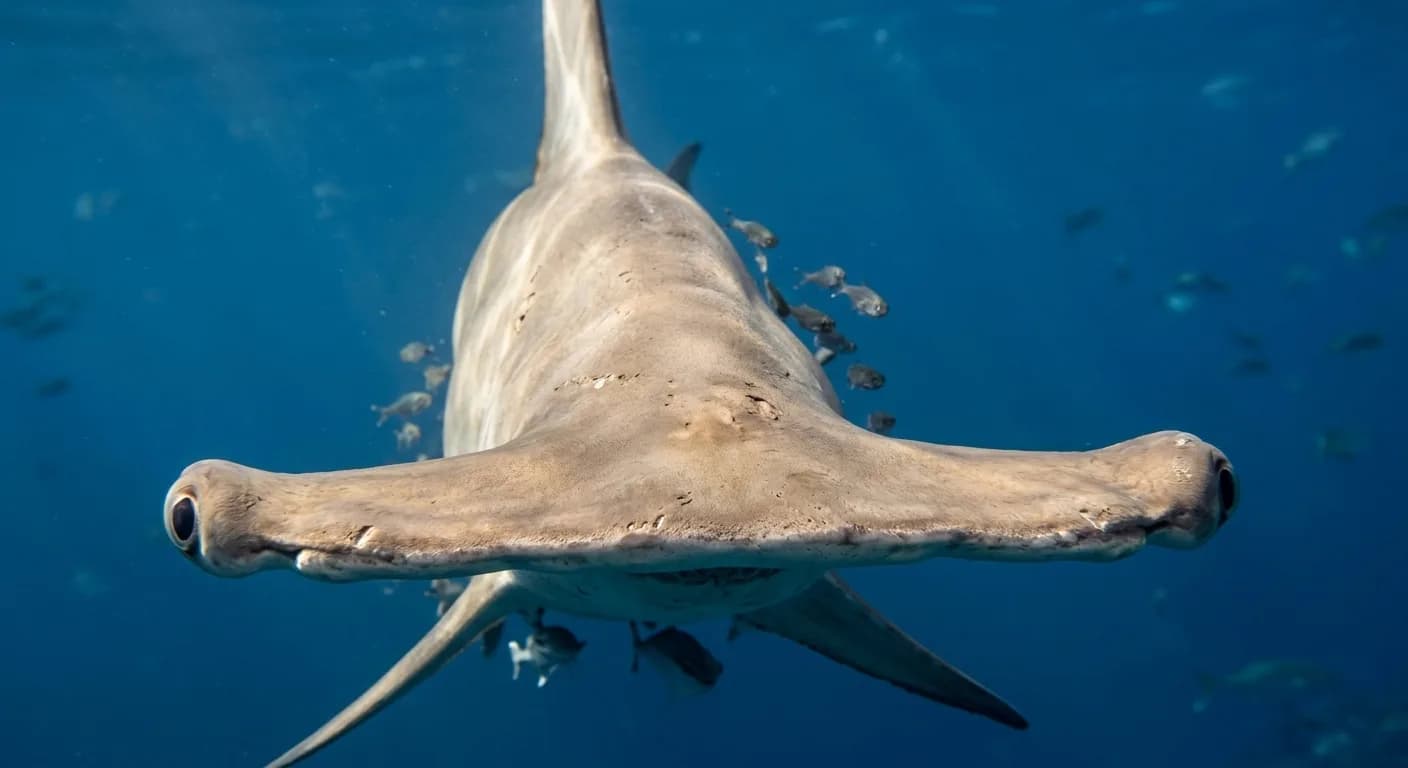
An isolated reef plateau in the middle of the Red Sea, roughly 1,000 m long by 300 m wide, rising from several hundred metres of depth. With no other reefs around it, it is exposed to wind, swell and upwelling currents, and that combination explains both its biological productivity and its reputation. The walls drop sheer to about 20 m, continue as a slope to 40 and then fall away. The northern tip is the classic spot for hammerheads, where the current splits.

See dive site
Wall/Wreck

Brothers Islands (El Akhawein)

Two tiny islands out in open water. Big Brother holds two wrecks: the Numidia, sunk in 1901, which lies roughly between 8 and 80 m down the wall, and the Aida, a supply ship that in September 1957 struck the rocks while trying to unload in heavy seas and slid down the reef. The Aida's bow lies at around 28 m and her stern with the propeller at around 52, so exploring her in full calls for decompression diving. The two wrecks are barely a hundred metres apart.

See dive site
Reef/Wall

Ras Mohammed National Park

The park occupies the tip of Sinai, where the Gulf of Suez meets the Gulf of Aqaba. That confluence generates constant water movement and one of the greatest concentrations of biomass in the Red Sea. The flagship dive is Shark Reef - Yolanda: two coral pinnacles rising from the depths to almost the surface, joined by a sand saddle at 10-15 m, and an outer wall dropping several hundred metres. It is dived as a drift starting at Shark Reef.

See dive site
Wall/Pelagic

Rocky Island

An islet barely 500 m across, comparatively barren above water, ringed by a short reef plateau that drops away at once. The currents sweeping it concentrate dense shoals and predator activity. It is one of the most southerly and most demanding sites in Egypt.

See dive site
Reef/Cave

St John's Reef

It is not one reef but an enormous system of reefs spread across the deep south, rising from an underwater plateau. That scale is exactly what gives the variety: one dive follows a vertical wall vanishing into the blue, the next threads through coral towers, caves and tunnels, and the third opens onto a hard coral garden over white sand. Habili Ali, Habili Gafair and St John's Caves are the landmark sites.

See dive site
Reef/Protected island

Wadi Gimal

A protectorate taking in coast, islands and reefs south of Marsa Alam. Shaab Sharm, an oceanic reef south-east of Marsa Alam with very pronounced vertical drops, falls within its boundaries and is the most sought-after site in the area.

See dive site
Wall/Shipwreck

Zabargad Island

An island of turquoise lagoons, beaches and steep hills, ringed by calm coral gardens and, further out, walls and canyons swept by current. Turtle Bay concentrates the reef fauna and is a turtle nesting site in August. On the southern face lies a wreck partly covered in coral.

See dive site
Seagrass meadow

Abu Dabab (dugongs)

A shallow bay with seagrass meadows, home to a pair of dugongs used to human presence.

See dive site
Wreck

Abu Nuhas (Ghiannis D)

A Greek freighter of about 99 m, launched in Japan in 1969 as the Shoyo Maru. On 19 April 1983 she struck the north-west corner of Abu Nuhas reef at full speed, carrying a cargo of timber from Rijeka bound for Jeddah and Hodeidah. The crew were saved. She broke into three: bow and stern in good condition, the midsection wrecked. The engine room, at around 13 m, allows an easy and very well-lit penetration, and the mast reaches up to 4 m, ideal for the safety stop.

See dive site
Reef/Wall

Big Gubal Reef

A large island in the Strait of Gubal with coral walls and currents that draw shoals of smaller pelagics.

See dive site
Sinkhole/Wall

Blue Hole Dahab

The famous and dangerous 130 m sinkhole connected to the sea by the Arch at 56 m; it has caused numerous deaths among divers without the proper training.

See dive site
Pinnacle

Careless Reef

Unlike the reefs hugging the Hurghada coast, Careless Reef rises abruptly out of open water. The core is a coral plateau between 12 and 16 m from which two large pinnacles emerge, reaching almost to the surface. Being completely exposed, many centres only schedule it in calm seas, but when conditions allow it is rated a first-class dive.

See dive site
Lagoon reef

Dolphin House (Sha'ab Samadai)

A horseshoe-shaped lagoon where a resident pod of bottlenose dolphins rests and socialises daily.

See dive site
Reef/Wall

Elphinstone Reef

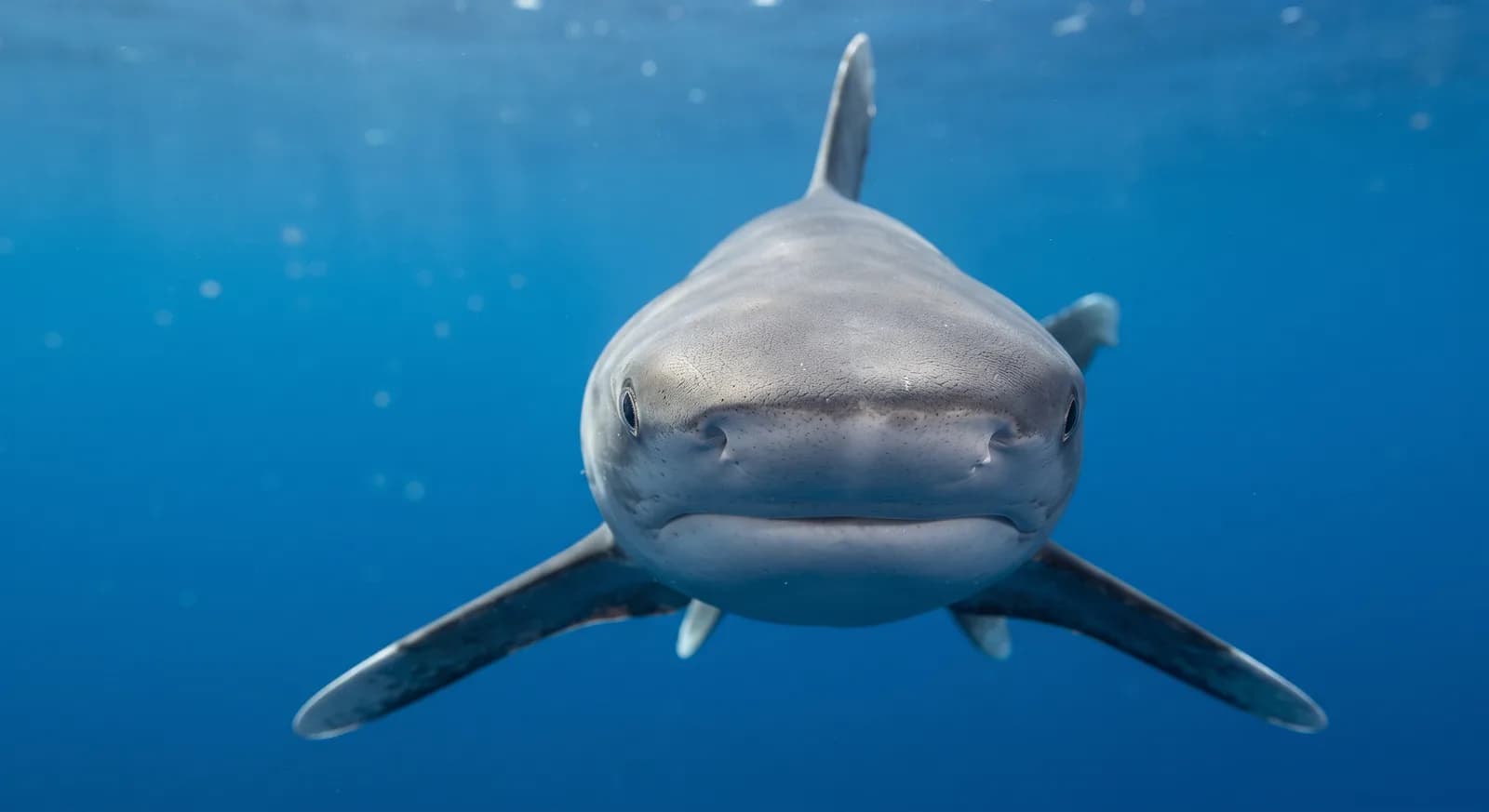
An isolated, spindle-shaped reef some 600 m long, with plateaux to the north and south and walls that fall sheer. The coral community is dominated by soft corals of the genus Dendronephthya. It is one of the most reliable places in the Red Sea for the oceanic whitetip shark, which patrols the shallow part of the reef.

See dive site
Reef/Lagoon

Fury Shoal

A cluster of reefs marking the start of the Egyptian deep south. It combines shallow, sunlit lagoons with steep drop-offs and stronger current. It has several caves and swim-throughs shallower than 10 m, which makes it a good place to start cavern diving, and a couple of small wrecks, among them the tug Tien Hsing and the one known as the Yacht. Abu Galawa Kebir and Shaab Claudia are regular sites.

See dive site
Fringing reef

Giftun Islands

Most Hurghada diving is concentrated in the dozens of sites around Giftun Kebir and Giftun Soraya and their satellite reefs. Despite the enormous volume of courses and try-dives the area absorbs, the reefs remain in remarkably good condition: there are forests of large sea fans, coral gardens and walls with pronounced drop-offs. Erg Sabina, on the eastern side of the narrows, is a shallow reef of 10-12 m that can have strong currents because of the funnel effect.

See dive site
Reef/Wall

Jackson Reef

One of the four reefs of the Strait of Tiran, with hard coral walls and strong channel currents.

See dive site
Lagoon reef

Marsa Egla

A shallow lagoon in the southern Egyptian Red Sea, less visited than Abu Dabab but with similar wildlife.

See dive site
Fringing reef

Marsa Nakari

A quiet bay south of Marsa Alam with shore-accessible reefs, a pioneering ecolodge in the area.

See dive site
Fringing reef

Marsa Shagra

A quiet bay with a shore-accessible reef, one of the first diving ecolodges on the Egyptian Red Sea.

See dive site
Pinnacle/Wall

Panorama Reef

One of the largest reefs in the Safaga area, known for its spectacular vertical drop-offs. It is usually dived as a drift along the north or south walls.

See dive site
Deep Second World War wreck

Rosalie Möller wreck

A 108 m collier launched in Glasgow in 1910 as the Francis. In October 1941 she lay at anchor in the Strait of Gubal, just as the Thistlegorm did, waiting for the entrance to the Suez Canal to clear. Two nights after that ship went down, in the early hours of 8 October 1941, a formation of Heinkel He 111s found her and two bombs burst in hold 4. She sank with the loss of two lives. Today she rests upright and almost intact on a bottom of sand and mud: the masthead reaches to about 17 m, the stern to 35, the bow to 39 and the seabed to 50.

See dive site
Wreck / Maritime grave

Salem Express wreck

A passenger and vehicle ferry of a little over 100 m, built in France in the 1960s, which worked the Jeddah-Safaga route. On the night of 14-15 December 1991 she was returning with pilgrims from the Hajj when, in a storm, the captain took a short cut between Hyndman Reef and the coast; the ship struck and sank with enormous loss of life. The official figure is around 470 victims, but published estimates are far higher and the true number aboard was never established. The wreck lies on her side between about 10 and 32 m.

See dive site
Wreck

Thistlegorm wreck

A British freighter of 126.5 m launched at Sunderland in April 1940. At anchor waiting for the entrance to the Suez Canal to clear, she was attacked on the night of 6 October 1941 by two Heinkel He 111s. A bomb struck hold 4, loaded with ammunition, and the explosion broke the ship in two; she sank within minutes and nine people died. The destruction of the midsection left the holds very accessible.

See dive site
Dolphin lagoon

Satayah Reef (dolphins)

A large reef lagoon in the Fury Shoal area that serves as a daytime resting area for spinner dolphins. The encounter is usually made freediving, not on scuba.

See dive site
Wreck

Wreck of the Louilla

A freighter grounded on the reef in the 1980s, its superstructure resting on the engine block alone; an eerie and photogenic setting.

See dive site

Similar countries

Where else might I want to travel?

Mauritania

Same region: North Africa

Libya

Same region: North Africa

Tunisia

Same region: North Africa

Morocco

Same region: North Africa

Species documented in Egypt

Filter
Class
Family
Habitat
Diet
Conservation

388 species found

Related guides

  • Where to see Turtles and Tortoises in Egypt24 species

Keep exploring

Based on what we already know about Egypt.
ParkWhale Valley (Wadi Al-Hitan)DivingDaedalus Reef (Abu el Kizan)

Explore on the map

Interactive map

This page in other languages: Español · Deutsch · Français · Português · Italiano
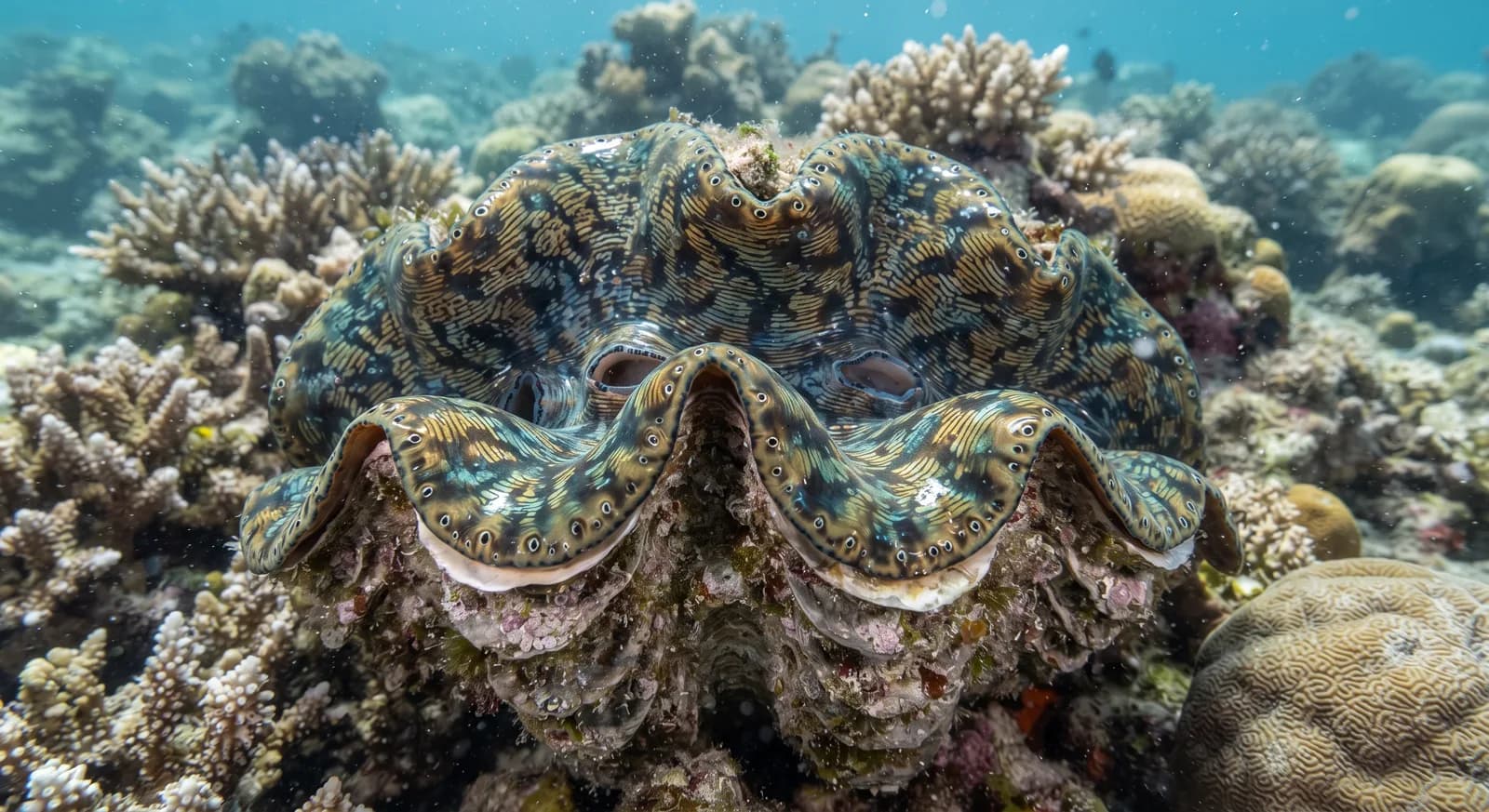
Giant ClamCritically Endangered

Giant Clam

Tridacna gigas

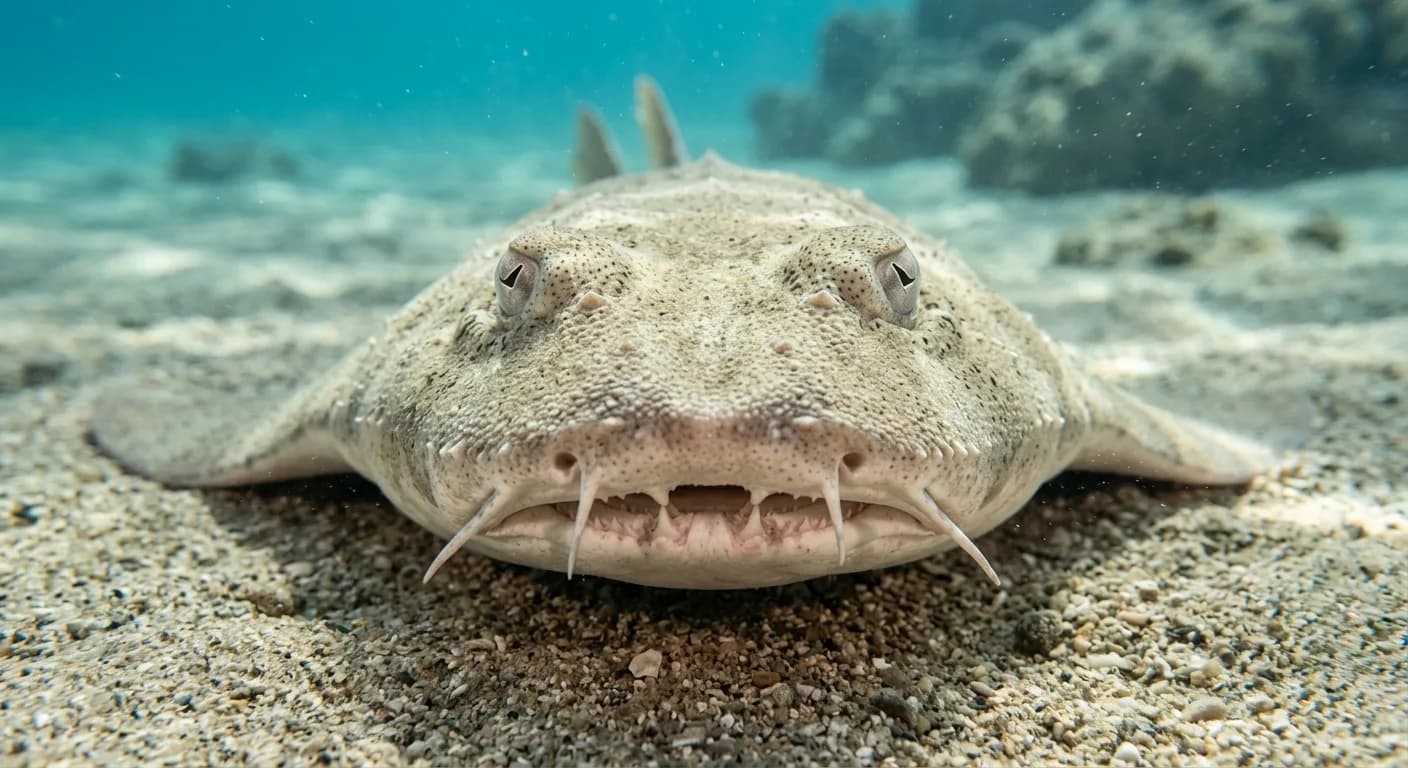
AngelsharkCritically Endangered

Angelshark

Squatina squatina

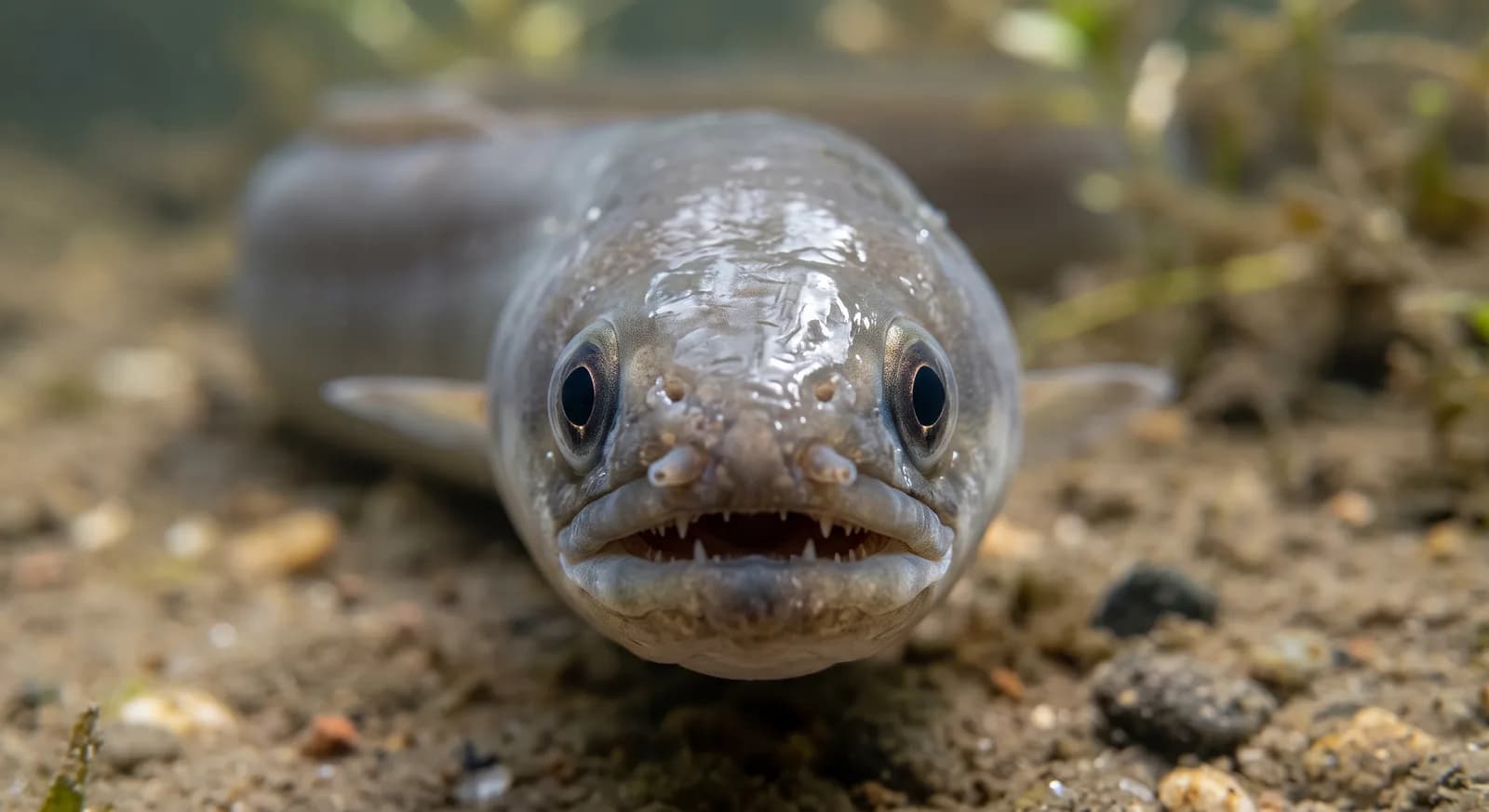
European EelCritically Endangered

European Eel

Anguilla anguilla

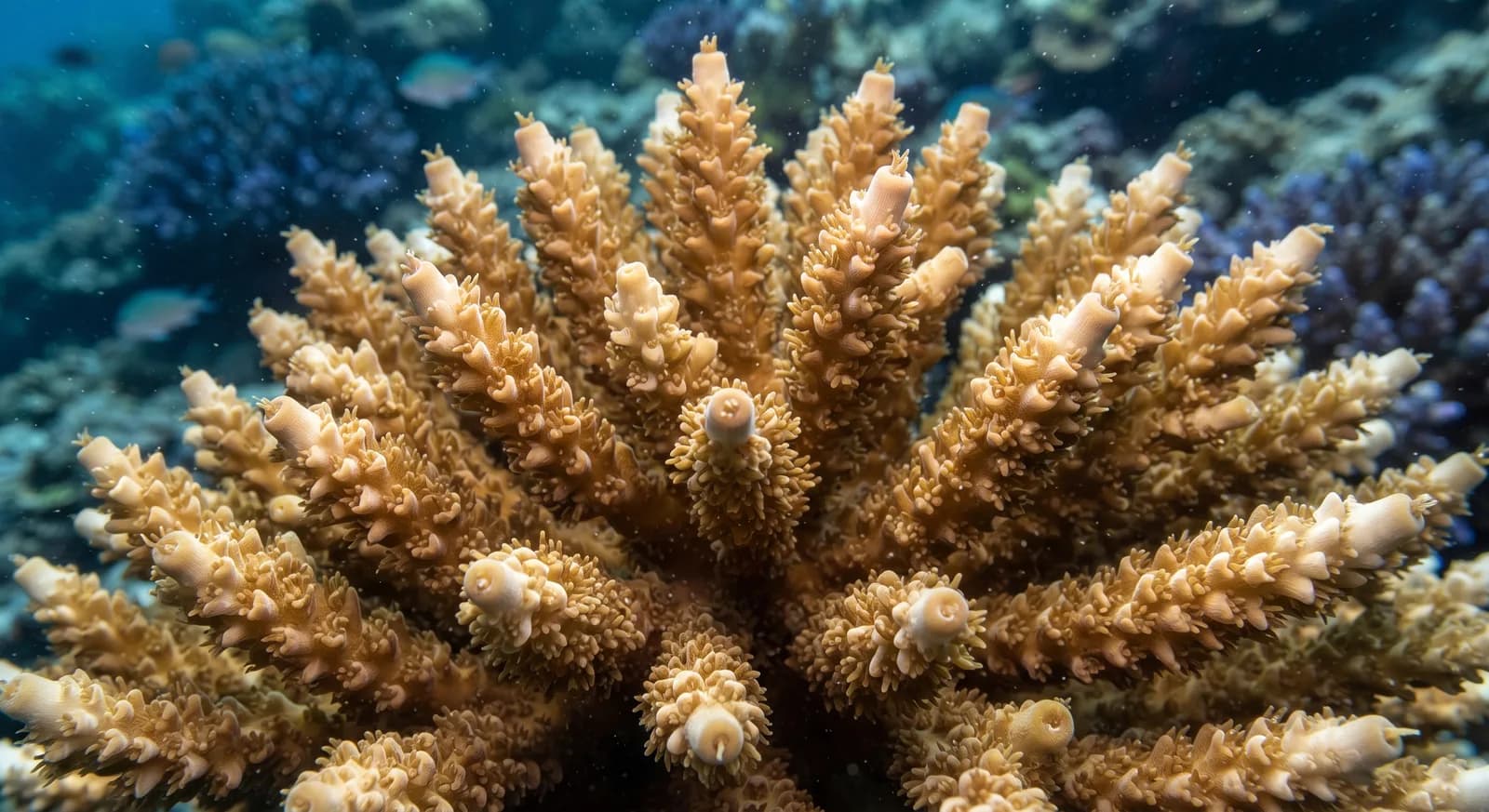
Staghorn CoralCritically Endangered

Staghorn Coral

Acropora cervicornis

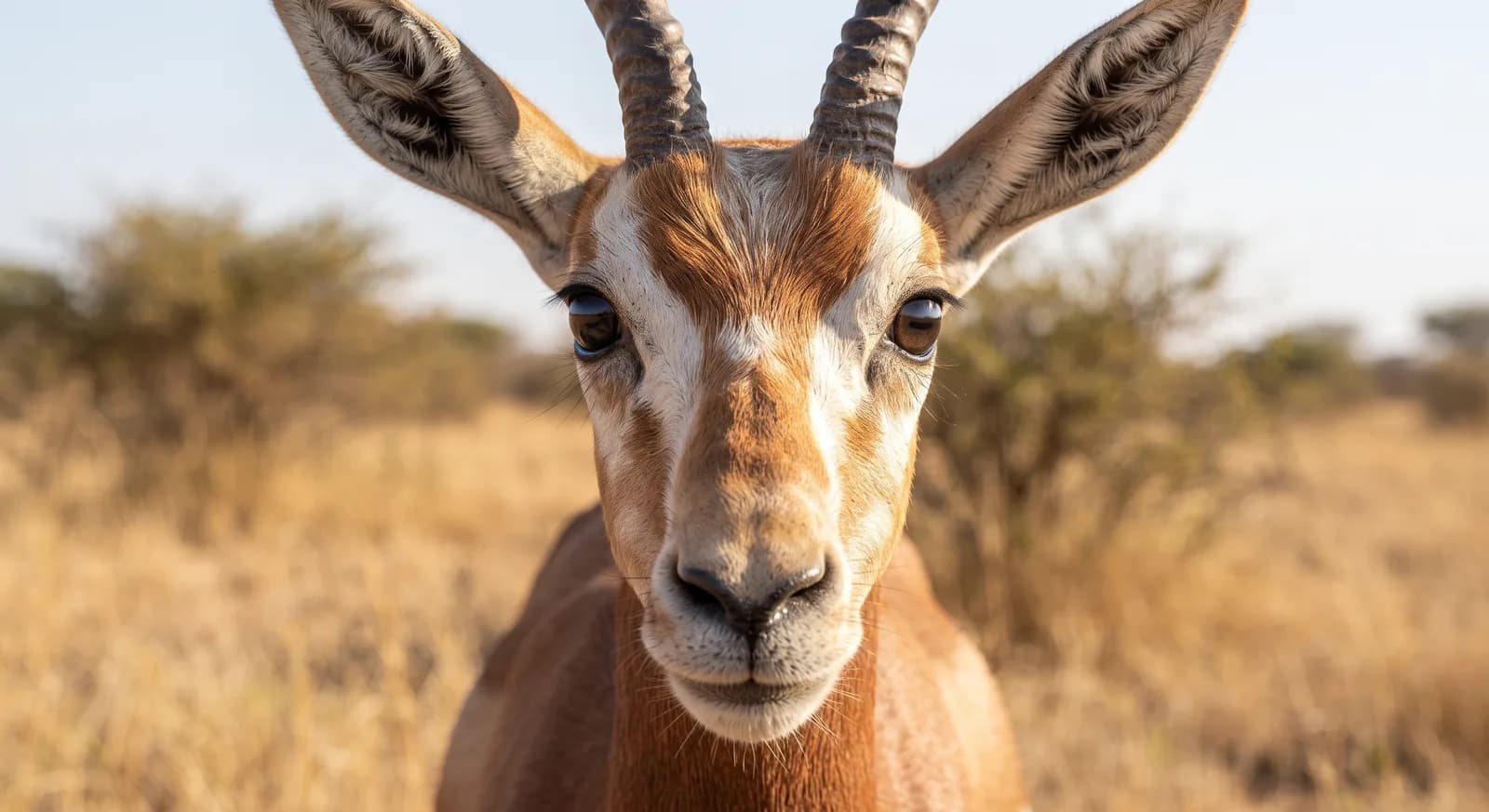
Dama GazelleCritically Endangered

Dama Gazelle

Nanger dama

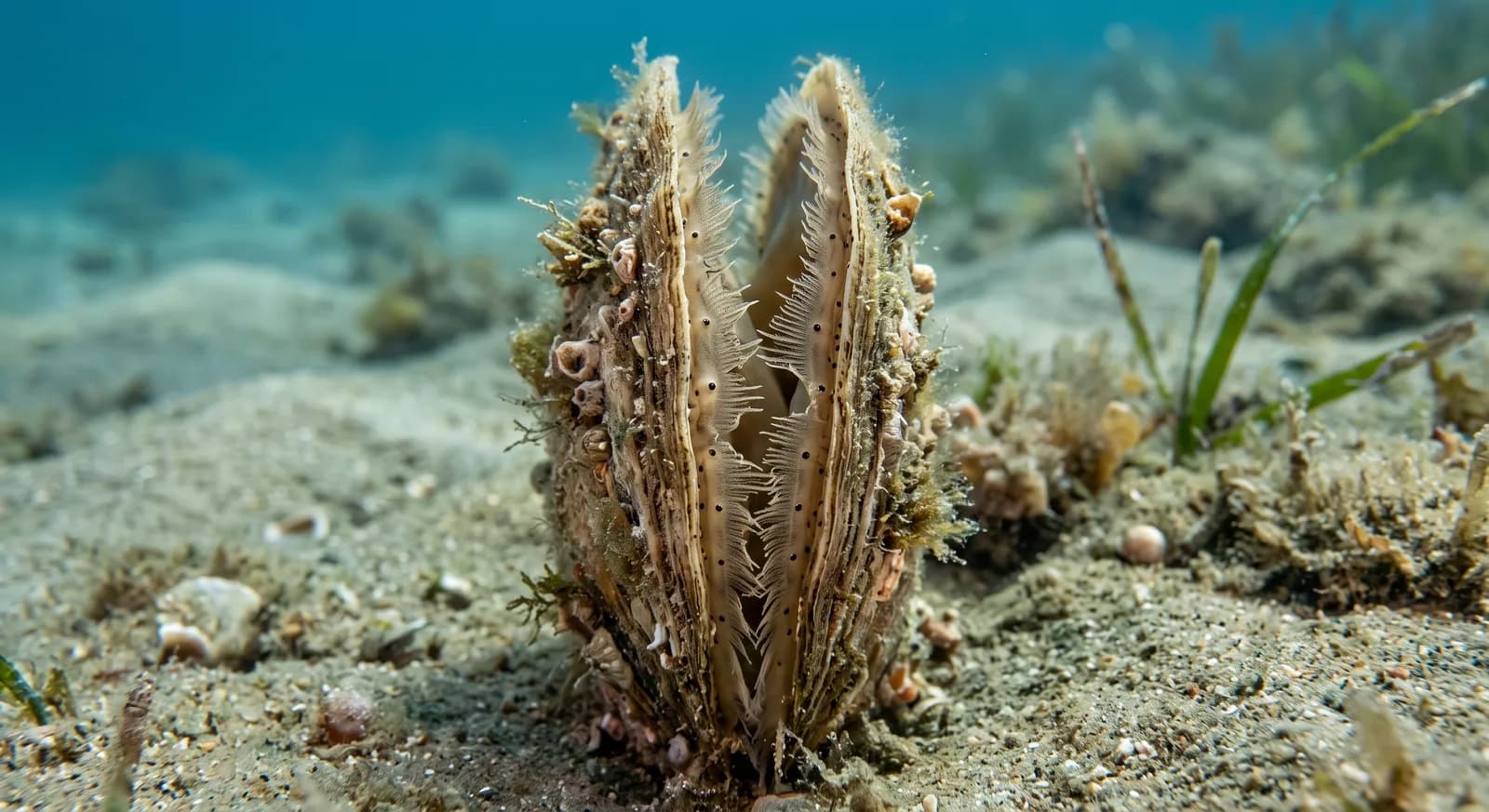
Fan MusselCritically Endangered

Fan Mussel

Pinna nobilis

Scalloped HammerheadCritically Endangered

Scalloped Hammerhead

Sphyrna lewini

Oceanic Whitetip SharkCritically Endangered

Oceanic Whitetip Shark

Carcharhinus longimanus

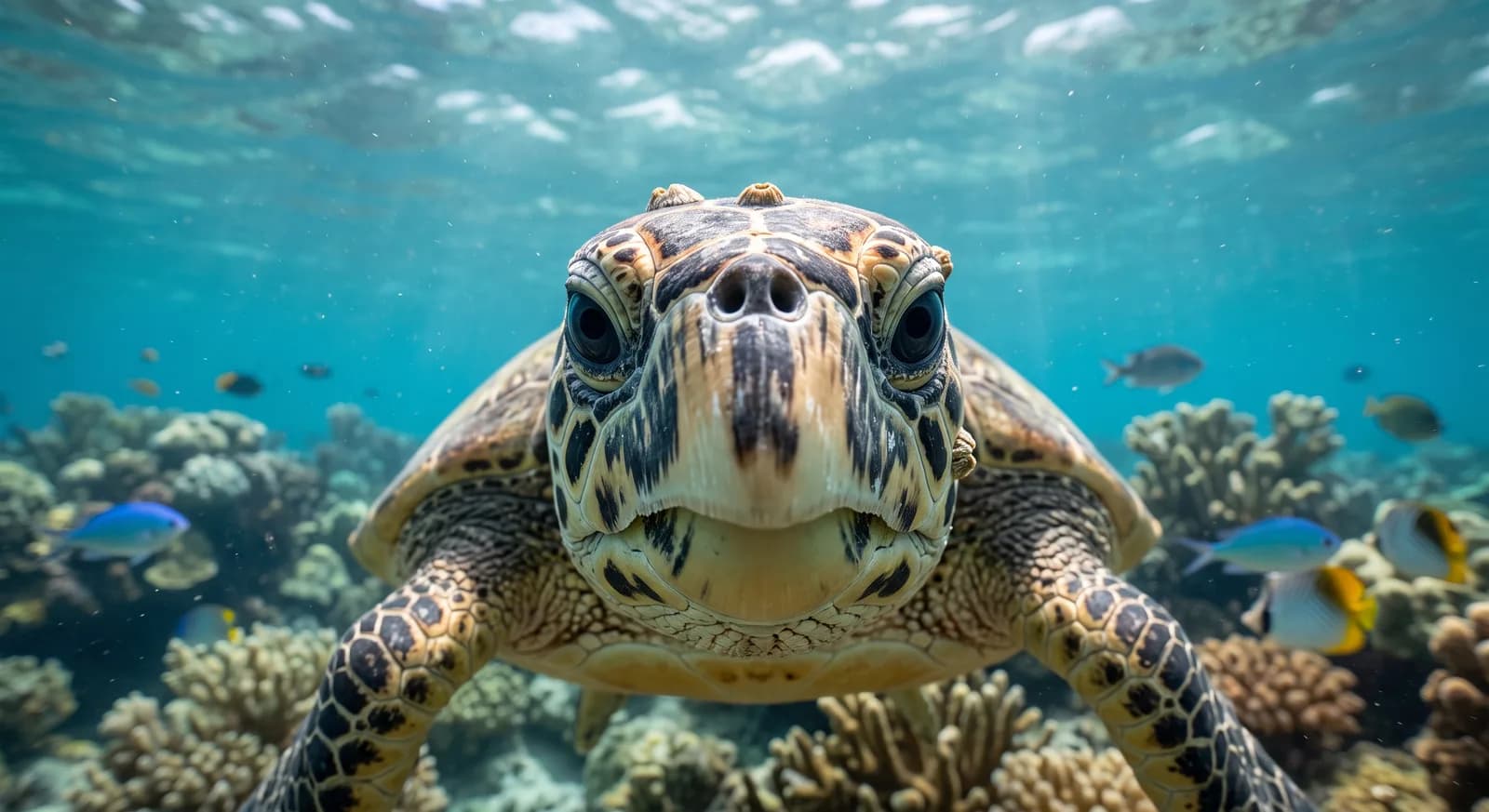
Hawksbill TurtleCritically Endangered

Hawksbill Turtle

Eretmochelys imbricata

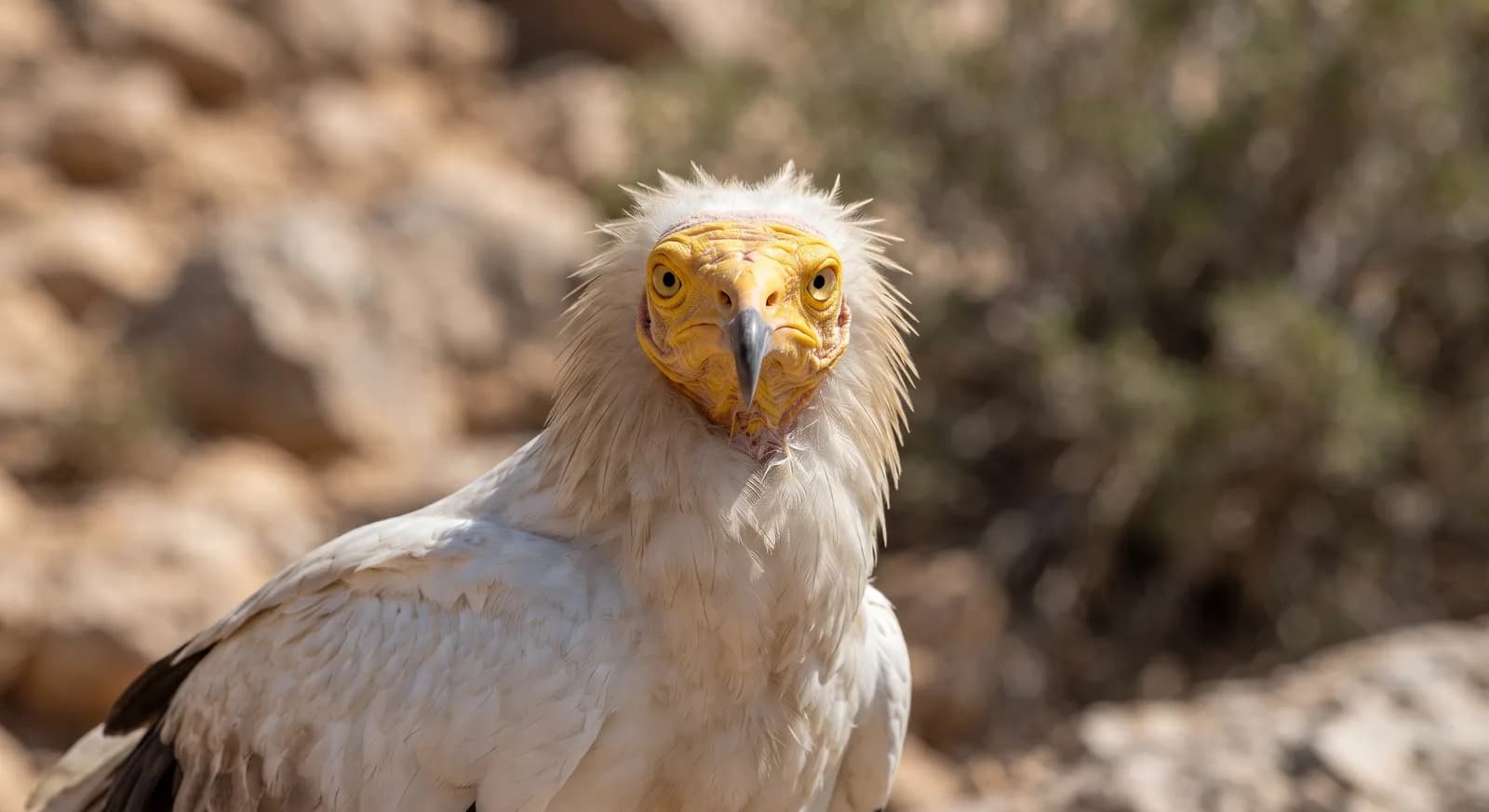
Egyptian VultureEndangered

Egyptian Vulture

Neophron percnopterus

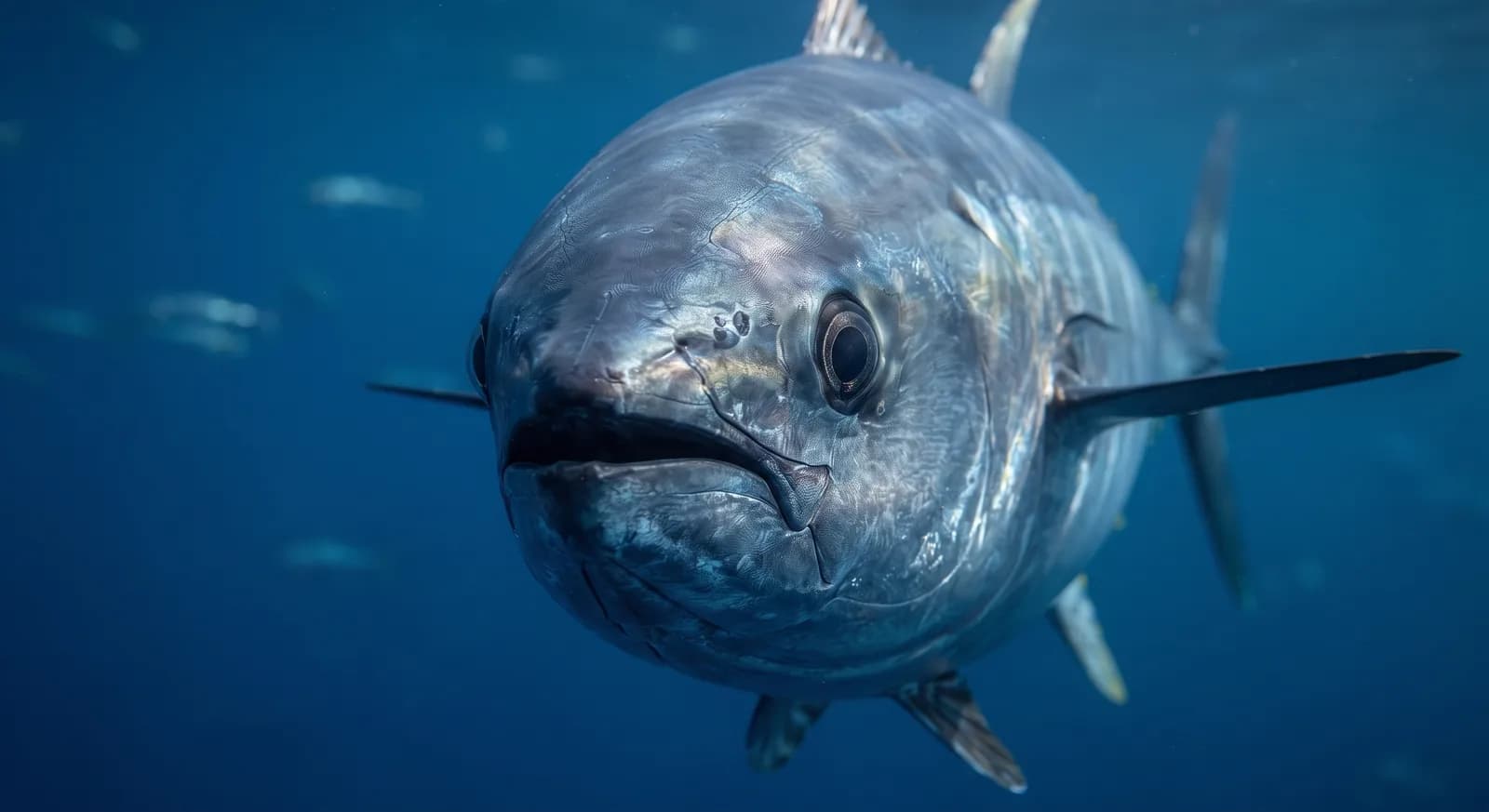
Atlantic Bluefin TunaEndangered

Atlantic Bluefin Tuna

Thunnus thynnus

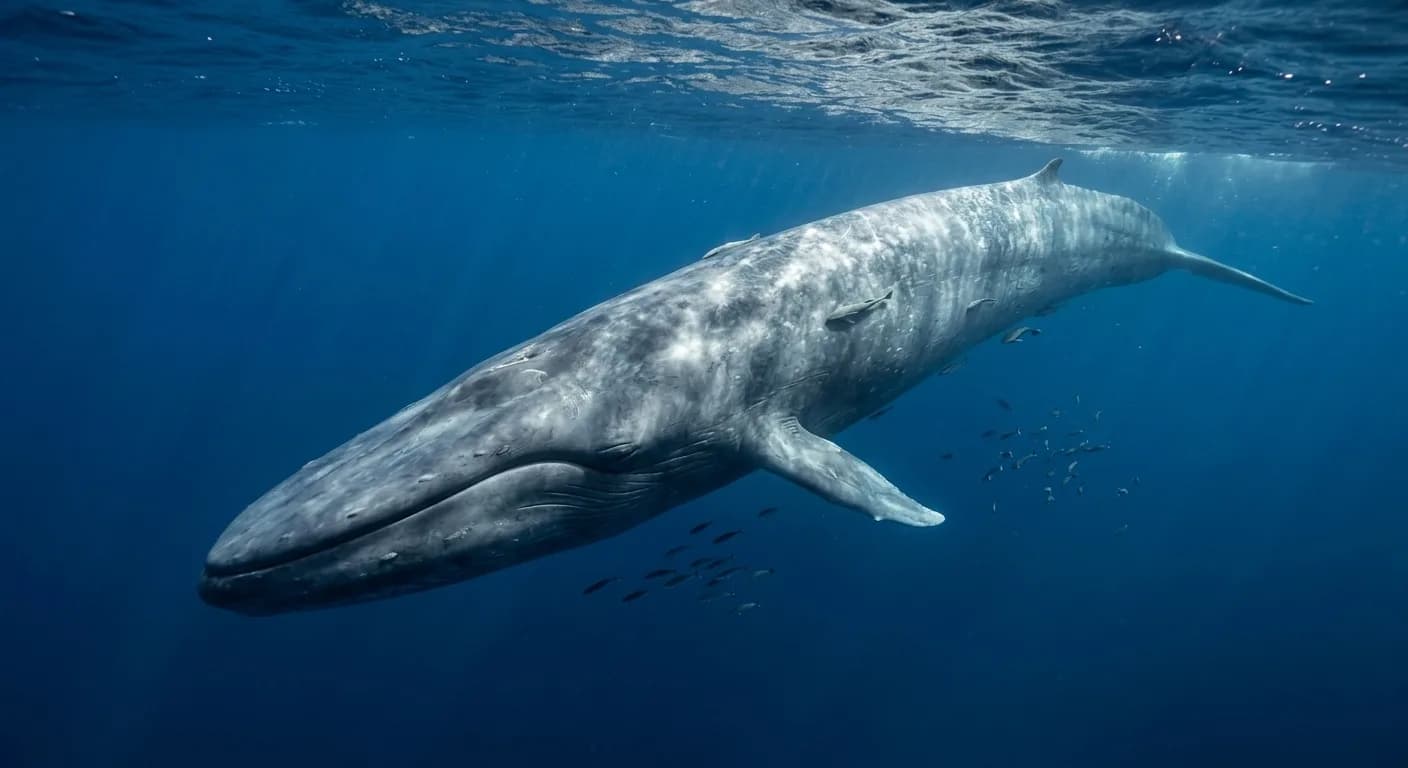
Blue WhaleEndangered

Blue Whale

Balaenoptera musculus

Page 1 of 33
Desert
Mountain
Freshwater
Ocean