Skip to content
WAnimals
  • Map
  • Species
  • Parks
  • Diving
Log inCreate account
WAnimals

The guide for travellers and animal lovers: discover, plan and share your wild adventures around the world.

Discover wildlife

  • Species
  • Ecosystems
  • Glossary
  • Tags

Explore places

  • Map
  • Countries
  • Parks
  • Diving

Plan experiences

  • Guides

Learn

  • Blog

Resources

  • Help centre
  • Contact
  • Install the app

Follow us

Account

  • Log in
  • Create account

© 2026 WAnimals. All rights reserved.

About usHow we build our profilesTerms of servicePrivacyLegal notice
MapSpeciesParksDiving
  1. Home
  2. countries
  3. Australia

Australia

Oceania

Capital: CanberraMarch to May

385

Documented species

65

Parks and reserves

27

Dive sites

Australia has been isolated from the other landmasses for some fifty million years, and that solitude has produced a fauna like nowhere else: marsupials here fill the roles that placental mammals play on other continents, and the world's only egg-laying mammals still survive. The interior is dominated by red deserts and spinifex scrub, the tropical north by savannahs and mangroves flooded by the monsoon, the southeast by eucalypt forests and the southwest by a hotspot of plant diversity. Off the northeast coast, the Great Barrier Reef stretches more than two thousand kilometres and is the largest structure built by living creatures on the planet.

Nature in Australia

National animal: The red kangaroo, the national animal, and the emu, both on the country's coat of arms

Did you know?

The platypus so baffled European naturalists that the first specimens sent to London were dismissed as a hand-stitched hoax. It is a mammal that lays eggs and feeds its young by sweating milk through the skin; the males carry a venomous spur on their hind legs; and it hunts with eyes, ears and nostrils shut, detecting the electric fields generated by its prey's muscles through receptors spread across its bill.

Biodiversity profile

Conservation

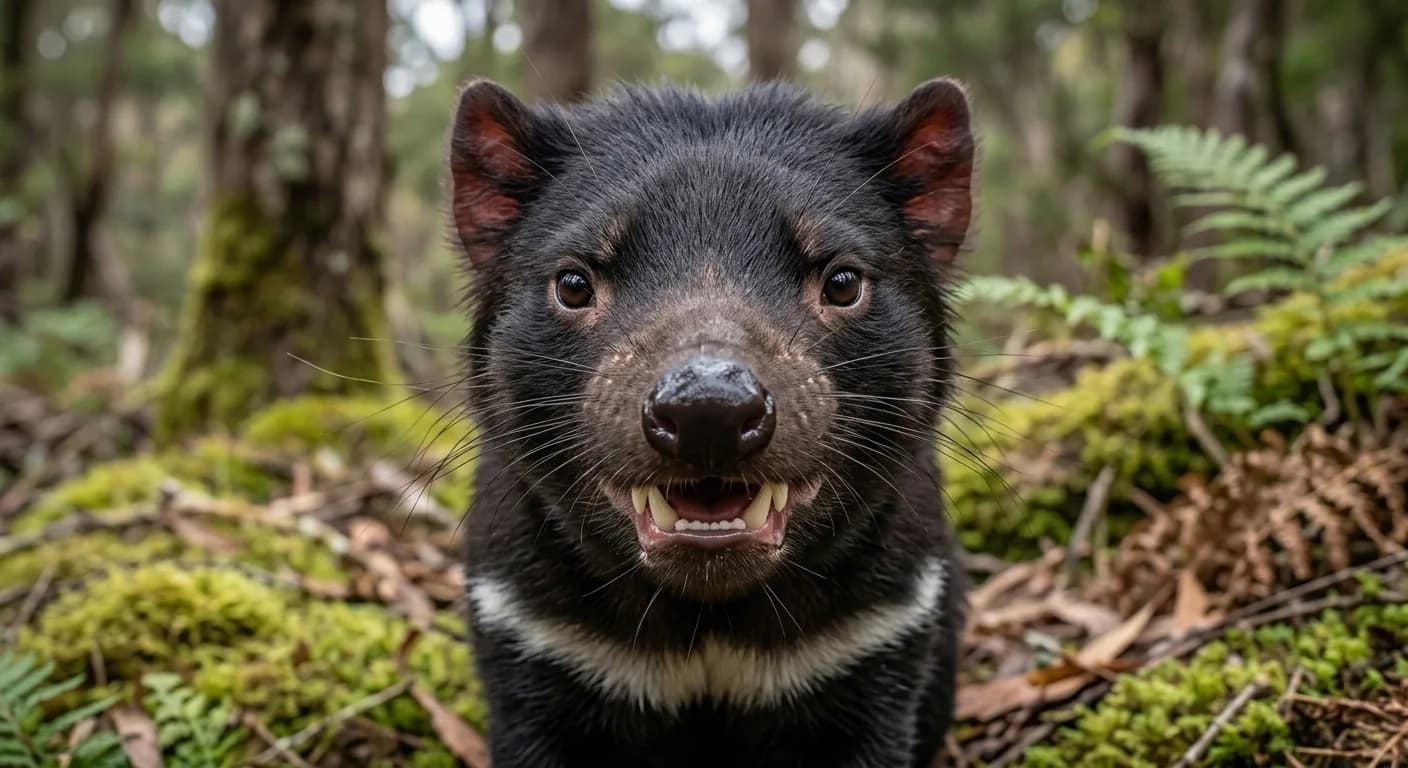
Since the 1990s the Tasmanian devil has suffered a transmissible facial cancer, one of the very few contagious tumours known, which has decimated the species and forced the creation of insurance populations on disease-free islands. Mass coral bleaching events have hit the Great Barrier Reef with growing frequency.

Where and when to watch wildlife

Ningaloo between March and July for whale sharks. Kakadu in the dry season, from May to September, for waterbirds and crocodiles. Tasmania at dusk for devils and wallabies.

Natural phenomena in Australia

  • The Humpback Highway on Australia's east coast — May to November (northbound May to August, southbound return August to November)
  • Red crab migration on Christmas Island — October to January (spawning Nov-Dec)
  • Whale shark migration at Ningaloo Reef — March to August (peak April-June)
  • Mass coral spawning on the Great Barrier Reef — October to December (depending on the full moon)
Parks and reserves

National Park

Uluru-Kata Tjuta

The most famous sandstone monolith in the world, returned to its Anangu owners in 1985; climbing Uluru was banned in 2019

See park
National Park

Coorong

Immortalised in the Australian novel and film Storm Boy; a 140 km coastal lagoon behind a dune barrier

See park
National Park

Kakadu

One of the few places in the world with a dual UNESCO listing for natural and cultural value; Aboriginal rock art over 20,000 years old

See park
National Park

Barrington Tops

One of the last remnants of ancient temperate forest from Australian Gondwana, with Nothofagus trees over 400 years old

See park
National Park

Blue Mountains

Named for the bluish haze its eucalypt forests give off, from the volatile oils they release

See park
National Park

Border Ranges

It protects the eroded remains of a 23-million-year-old shield volcano, one of the largest ever to have existed on the Australian continent

See park
World Heritage Site (Natural)

Ningaloo Coast

Australia's largest fringing reef, where the largest known aggregation of whale sharks gathers every year.

See park
National Park

Cradle Mountain-Lake St Clair

Tasmania's most iconic landscape, with Dove Lake below Cradle Mountain and Australia's deepest natural lake.

See park
National Park

Daintree

Reckoned the oldest continuous rainforest in the world, with more than 180 million years of unbroken history

See park
National Park

Dorrigo

One of the first protected areas in New South Wales; its Skywalk canopy walkway looks out to the Pacific on a clear day

See park
National Park

Franklin-Gordon Wild Rivers

The wild rivers whose defence against a hydroelectric dam changed Australian environmental politics.

See park
Marine Park

Great Barrier Reef

The largest coral reef system in the world and the largest living structure built by organisms on the planet, visible from space

See park
World Heritage Reserve

Macquarie Island

The only place on the planet where rock from the Earth's mantle is continuously exposed above sea level

See park
National Park

Heard and McDonald Islands

The only active volcano in all of Australian territory; one of the areas on the planet least disturbed by human activity

See park
National Park

K'gari (Fraser Island)

The largest sand island in the world, with crystalline freshwater lakes perched on the dunes themselves

See park
National Park

Lamington

Part of the Gondwana Rainforests; it holds the second oldest canopy walkway in the southern hemisphere

See park
Permanent Nature Reserve

Lord Howe Island

The southernmost coral reef in the world, on a volcanic island left over from a sunken seven-million-year-old volcano

See park
National Park

Mount Field

Australia's second oldest national park; the only place in Tasmania where you can ski and see giant fern waterfalls on the same day

See park
National Park

Mungo (Willandra Lakes)

Australia's oldest human remains (Mungo Man and Mungo Lady), more than 40,000 years old, were found here

See park
National Park

Tasmanian Wilderness (Cradle Mountain-Lake St Clair)

It holds Australia's deepest lake and the start of the Overland Track, one of the finest treks in the world

See park
Marine Park

Ningaloo

One of the few places in the world where a coral reef runs parallel to the shore, reachable on foot from the beach

See park
National Park

Purnululu (Bungle Bungle)

Striped sandstone domes over 350 million years old, only "discovered" by the outside world in 1983

See park
Nature Reserve (World Heritage Site)

Shark Bay

It holds the oldest and most extensive living stromatolites in the world, structures identical to the earliest life on Earth

See park
World Heritage Site (Natural)

Riversleigh and Naracoorte Fossil Sites

Two sites 2,000 km apart that document the evolution of Australian mammals over 25 million years.

See park
National Park

Southwest (Tasmania)

Tasmania's largest park and the core of one of the three great temperate wilderness areas in the southern hemisphere.

See park
National Park

Springbrook

Gondwanan subtropical rainforest with waterfalls dropping over the remains of a 23-million-year-old volcano

See park
National Park

Southwest

One of the last three great areas of temperate wilderness surviving in the southern hemisphere, alongside Patagonia and New Zealand

See park
National Park

Croajingolong

A UNESCO Biosphere Reserve since 1977; its remote coast holds one of the least altered stretches of shoreline in south-eastern Australia

See park
National Park

Kosciuszko

It protects Mount Kosciuszko, the highest peak in mainland Australia, at only 2,228 metres

See park
National Park

Christmas Island

The setting of the greatest land migration of crabs on the planet: some 100 million red crabs march to the sea each year

See park
National Park

Ben Lomond

It holds Tasmania's only alpine ski field, on a plateau ringed by The Organ Pipes, volcanic dolerite columns

See park
National Park

Booderee

Formally co-managed by the Wreck Bay Aboriginal community, legal owners of the park's land since 1995

See park
National Park

Boodjamulla (Lawn Hill)

An oasis of limestone gorges and turquoise water deep in the arid interior of Queensland, co-managed with the Waanyi Aboriginal people

See park
Historic Site and Monument / ASPA

Mawson's Huts (Commonwealth Bay)

The base of Douglas Mawson's Australasian Antarctic Expedition (1911-1914), in the windiest place at sea level on Earth

See park
National Park

Cape Range

Adjoining Ningaloo Reef; its limestone gorges hide a subterranean cave fauna unique in the world

See park
National Park

Dhilba Guuranda-Innes

It regained its dual Narungga Aboriginal name in 2021, in recognition of the traditional owners of the Yorke Peninsula

See park
National Park

Eungella

Australia's largest isolated fragment of subtropical rainforest, so far from other similar forest that it evolved its own endemic tree frog

See park
National Park

Flinders Chase

The Remarkable Rocks, sculpted by the wind over 500 million years, are one of the most photographed rock icons in Australia

See park
National Park

Flinders Ranges

Wilpena Pound, a natural quartzite amphitheatre in the arid interior of South Australia, with Ediacaran rocks.

See park
National Park

Freycinet

One of Australia's oldest national parks; it protects Wineglass Bay, reckoned one of the ten best beaches in the world

See park
National Park

Carnarvon Gorge

It holds one of the largest bodies of Aboriginal rock art in Australia, with thousands of hand stencils on the canyon walls

See park
National Park

Girraween

Precariously balanced granite formations that seem to defy gravity, the result of more than 200 million years of erosion

See park
National Park

Grampians (Gariwerd)

The largest body of Aboriginal rock art in Victoria; its indigenous name, Gariwerd, has regained joint official recognition

See park
National Park

Great Otway

Temperate rainforest of tree ferns, waterfalls and coastline at the south-western tip of Victoria.

See park
National Park

Ikara-Flinders Ranges

Wilpena Pound (Ikara), a natural rock amphitheatre formed by the folding of sediments more than 800 million years old

See park
National Park

Kalbarri

The Murchison River gorge in red sandstone and a stretch of cliffs above the Indian Ocean, in Western Australia.

See park
National Park

Karijini

Banded iron gorges more than 2,500 million years old, among the oldest exposed rock on Earth

See park
National Park

Ku-ring-gai Chase

The fourth oldest national park in the world, on the doorstep of Sydney; it holds one of the largest bodies of urban Aboriginal rock art

See park
National Park

Litchfield

Celebrated for its magnetic termite mounds up to 2 metres high, aligned precisely north-south to regulate their internal temperature

See park
National Park

Maria Island

An island park off Tasmania combining a World Heritage convict settlement with a predator-free wildlife sanctuary.

See park
National Park

Mount Buffalo

One of Australia's first national parks; its granite formations drew the country's first sport climbers in the late 19th century

See park
National Park

Namadgi

The southern half of the Australian Capital Territory, mountains of the Australian Alps on the doorstep of Canberra.

See park
National Park

Nambung (the Pinnacles Desert)

Thousands of limestone columns up to 3.5 metres high rise out of the dunes, formed from plant roots fossilised 25,000-30,000 years ago

See park
National Park

Nitmiluk (Katherine Gorge)

Thirteen gorges cut into 1,600-million-year-old sandstone by the Katherine River, jointly owned and managed with the Jawoyn people

See park
National Park

Norfolk Island

Forests of Norfolk pine, a tree so distinctive that it bears the island's name and is grown today as an ornamental plant around the world

See park
National Park

Port Campbell

The Twelve Apostles and the shipwreck coast: limestone stacks sculpted by Southern Ocean swell.

See park
National Park

Rinyirru (Lakefield)

The largest wetland on the Cape York Peninsula, with seasonal floodplains and joint Aboriginal management.

See park
National Park

Royal National Park

The second oldest national park in the world after Yellowstone, declared barely seven years later in 1879

See park
National Park

South Bruny

It holds the Cape Bruny lighthouse, one of the oldest in Australia still working, built with convict labour in 1838

See park
National Park

Tjoritja (West MacDonnell)

A chain of gorges and permanent waterholes in the central Australian desert, sacred to the Arrernte people since ancestral times

See park
National Park

Undara Volcanic

It holds one of the longest lava tube systems in the world, formed by a single volcanic eruption 190,000 years ago

See park
National Park

Warrumbungle

Australia's first internationally certified Dark Sky Park, home of the country's principal astronomical observatory

See park
National Park

Watarrka (Kings Canyon)

Its 100-metre sandstone walls shelter the Garden of Eden inside, an oasis with relict plant species 400 million years old

See park
National Park

Whitsunday Islands

An archipelago of continental islands within the Great Barrier Reef, with the silica sand of Whitehaven Beach.

See park
National Park

Wilsons Promontory

The southernmost point of the Australian mainland; one of the oldest national parks in Australia

See park

Diving and snorkelling

Outer reef

Agincourt Reefs

A group of ribbon reefs on the outer edge, close to the continental shelf, which gives them excellent visibility. The Caves is one of its sites, with small and highly photogenic caverns.

See dive site
Reef

Cod Hole

A site on the Ribbon Reefs known worldwide for its group of potato cod, which are enormous and completely used to divers. It can only be reached by liveaboard from Cairns or Port Douglas.

See dive site
Platform reef

Flynn Reef

An outer reef with individual coral bommies ringed by sand, popular for both macro and wide-angle photography.

See dive site
Coral reef

Heron Island

A coral cay in the southern section of the Great Barrier Reef, with a research station of its own. 3 Rocks is one of its classic drift sites.

See dive site
Coral reef

Lady Elliot Island

The southernmost coral cay in the whole system. It is famous for its manta rays and for its visibility, far above the Great Barrier Reef average.

See dive site
Coastal reef

Ningaloo Reef

Australia's longest fringing reef, some 260 km, and one of the few great reefs in the world that literally hugs the land. The continental shelf is unusually narrow here, so that deep ocean water, the reef and the coast lie very close together: that concentrates an amount of marine life out of all proportion to the size of the place.

See dive site
Platform reef

Norman Reef

One of the most popular day-trip reefs from Cairns, with shallow coral gardens ideal for beginners.

See dive site
Wreck

SS Yongala

A 109 m passenger ship that sank during a cyclone in 1911. She is probably the most cited wreck in Australia and appears regularly in lists of the ten best dives in the world. Being exposed and subject to strong currents, she is reserved for experienced divers.

See dive site
Coral reef

Whitsunday Islands (Chalkies Beach)

An archipelago of 74 islands beside the Great Barrier Reef, with reefs reachable on day trips from Airlie Beach.

See dive site
Oceanic swim-through cave

Fish Rock Cave (South West Rocks)

A tunnel some 120-125 m long running through Fish Rock from east to west: the only true ocean cave in Australia that is dived regularly. The shallow entrance lies at about 12 m and is a wide cavern with natural light and pink gorgonians; the deep one, at 24 m, is where the sharks gather. Around 80 m of the route lies outside the light zone, so a torch is essential, and there are blind side passages that demand attention.

See dive site
Vertical oceanic wall / Cave

Christmas Island

The summit of a submarine volcano rising from the Java Trench, with a shelf so narrow that the wall begins almost at the shoreline. Perpendicular Wall is a sheer cliff that falls away into the abyss and is rated one of the finest wall dives in Australia. Thundercliffe Cave lets you enter underwater, surface inside the cave and carry on exploring it on foot.

See dive site
Subtropical rocky reef

Julian Rocks (Byron Bay)

A marine sanctuary where tropical and temperate waters meet, producing an unusual mix of species: tropical reef fauna living alongside cold-water animals.

See dive site
Wall/Pelagic

Osprey Reef (Coral Sea)

An isolated oceanic atoll in the Coral Sea, with vertical walls and very high visibility. North Horn is its signature site, known for its concentration of sharks.

See dive site
Temperate coral reef

Abrolhos Islands

The southernmost coral reef in the Indian Ocean, where tropical and temperate species coexist in a unique way.

See dive site
Subtropical rocky reef

Cook Island (Fingal Head)

A marine reserve on the border between New South Wales and Queensland, with volcanic rock formations.

See dive site
Temperate rocky reef

Esperance

A remote stretch of southern Western Australian coast with turquoise water and a notable sea lion population.

See dive site
Remote atoll

Cocos (Keeling) Islands

A remote Australian territory in the Indian Ocean, with coral reefs among the most pristine on the planet thanks to its isolation.

See dive site
Freshwater limestone sinkhole

Kilsby Sinkhole

A limestone shaft about 65 m deep overall, shaped like a boot and filled with extraordinarily clear fresh water. It combines open, roofless sections accessible on a basic qualification with enclosed areas that require cave training.

See dive site
Subtropical coral reef

Lord Howe Island

See dive site
Temperate rocky reef

Montague Island

A sanctuary island with one of the largest fur seal colonies in New South Wales, in temperate water.

See dive site
Military pier/Macro

Navy Pier (Exmouth)

See dive site
Pelagic/Cage

Neptune Islands

The only place in Australia where cage diving with great white sharks is permitted. The islands' fur seal colony is what sustains the presence of the sharks.

See dive site
Temperate bay/Pier

Port Phillip Bay (leafy seadragon)

A bay near Melbourne famous for pier diving with regular sightings of the cryptic weedy seadragon.

See dive site
Temperate reef/Wreck

Rottnest Island

An island where the warm Leeuwin Current meets temperate water, mixing tropical and subantarctic wildlife.

See dive site
Remote atoll

Rowley Shoals

Three remote atolls of pristine coral reachable only on multi-day cruises from Broome.

See dive site
Tropical-temperate transition reef

Solitary Islands

A unique transition zone where tropical and temperate currents meet, creating an unusual mix of species.

See dive site
Volcanic pinnacle

Wolf Rock

Submerged volcanic craters that serve as an aggregation point for grey nurse sharks in the southern winter.

See dive site

Wildlife you can see now

What is worth looking out for this month in Australia?

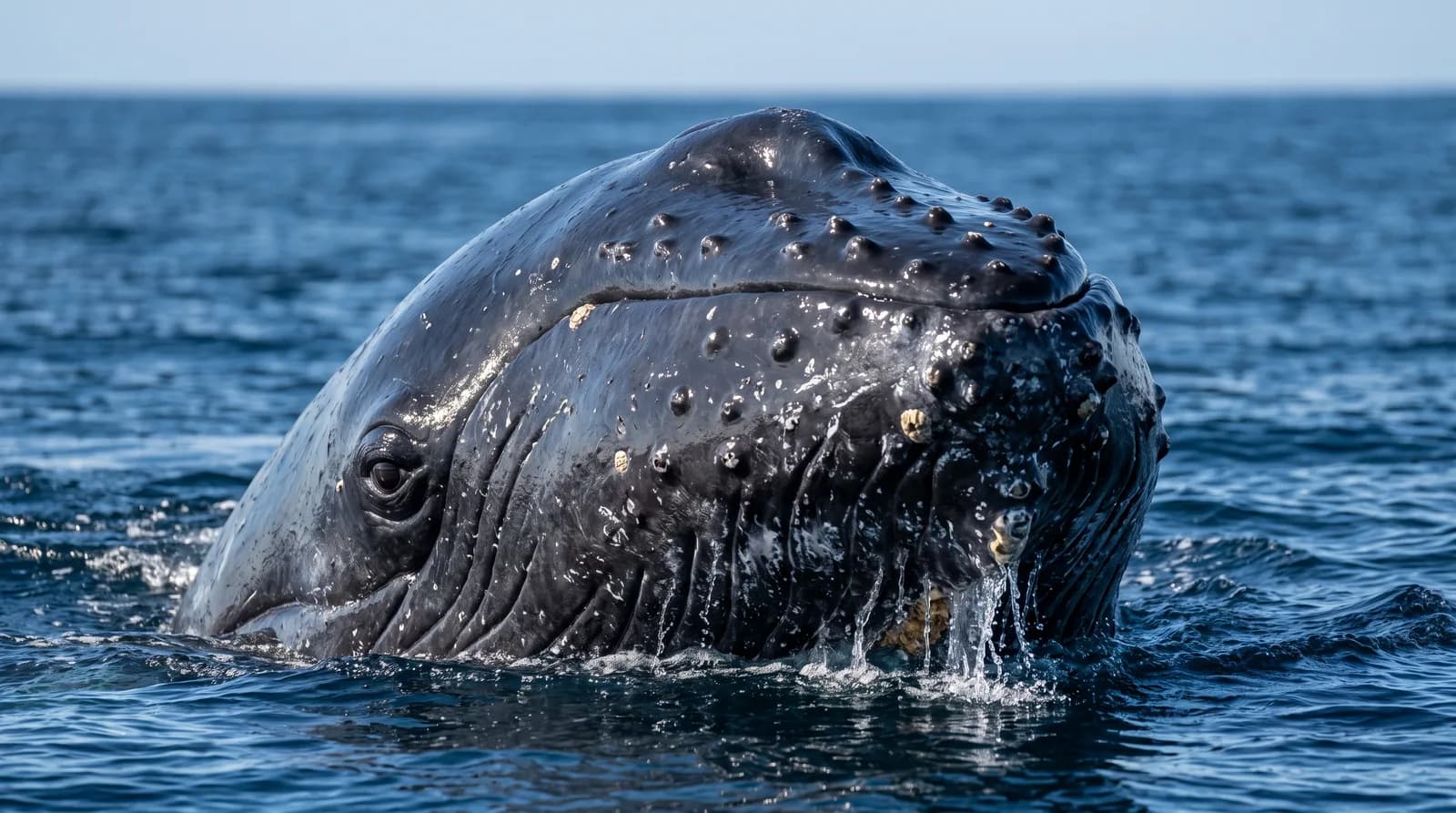
Humpback WhaleLeast Concern

Humpback Whale

Megaptera novaeangliae

Now is a good time: The Humpback Highway on Australia's east coast (May to November (northbound May to August, southbound return August to November))

Christmas Island Red CrabNot Evaluated

Christmas Island Red Crab

Gecarcoidea natalis

Now is a good time: Red crab migration on Christmas Island (October to January (spawning Nov-Dec))

Similar countries

Where else might I want to travel?

Papua New Guinea

Same region: Oceania

Palau

Same region: Oceania

Solomon Islands

Same region: Oceania

Vanuatu

Same region: Oceania

Species documented in Australia

Filter
Class
Family
Habitat
Diet
Conservation

385 species found

Related guides

  • Where to see Kangaroos in Australia29 species
  • Where to see Eagles in Australia27 species
  • Where to see Whales in Australia26 species
  • Where to see Emu in Australia14 species
  • Where to see Humphead Wrasse in Australia14 species
  • Where to see Sharks in Australia13 species
  • See all 11 guides in this section

Keep exploring

Based on what we already know about Australia.

ParkUluru-Kata TjutaDivingAgincourt Reefs

Explore on the map

Interactive map

This page in other languages: Español · Deutsch · Français · Português · Italiano
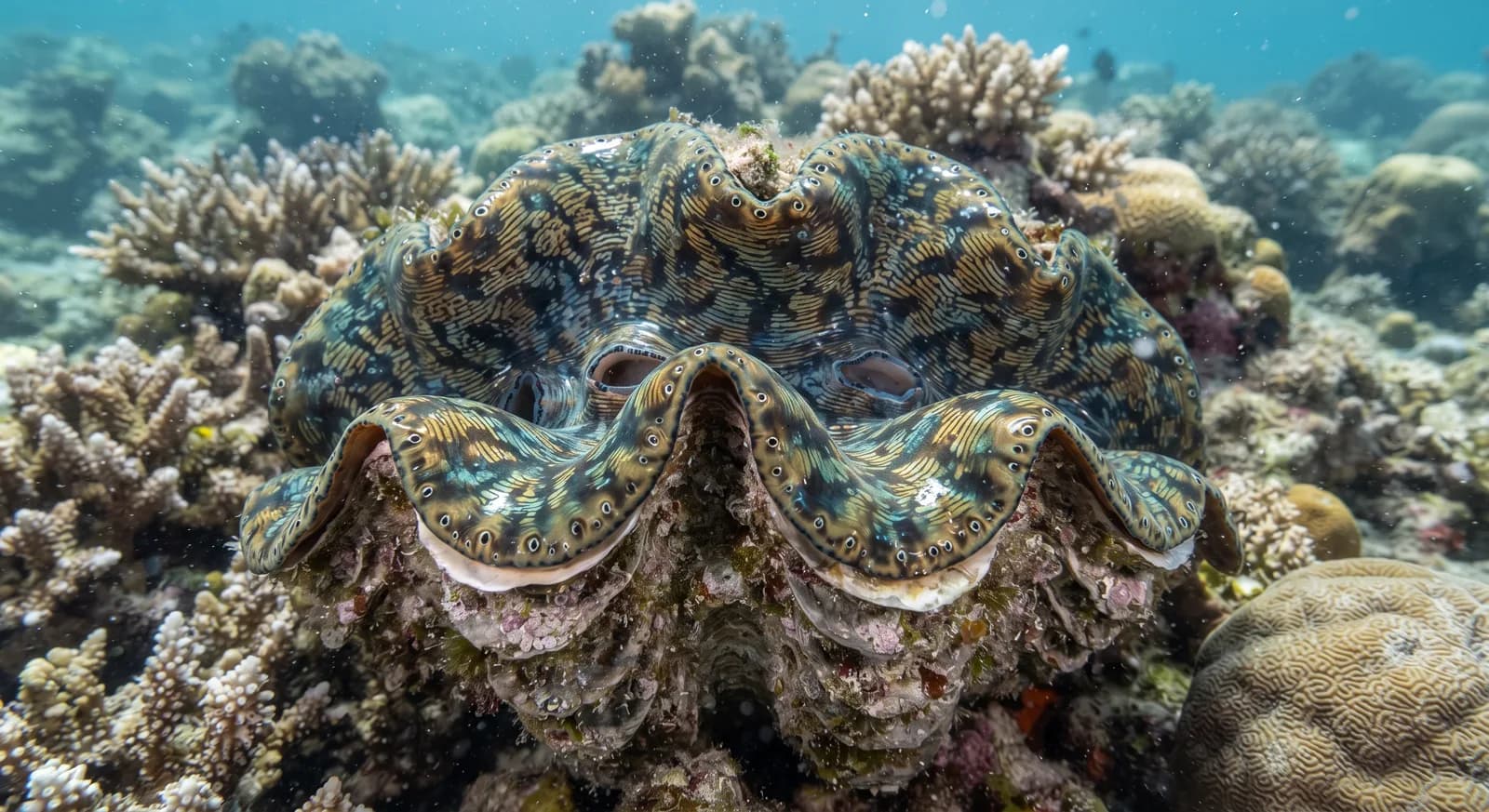
Giant ClamCritically Endangered

Giant Clam

Tridacna gigas

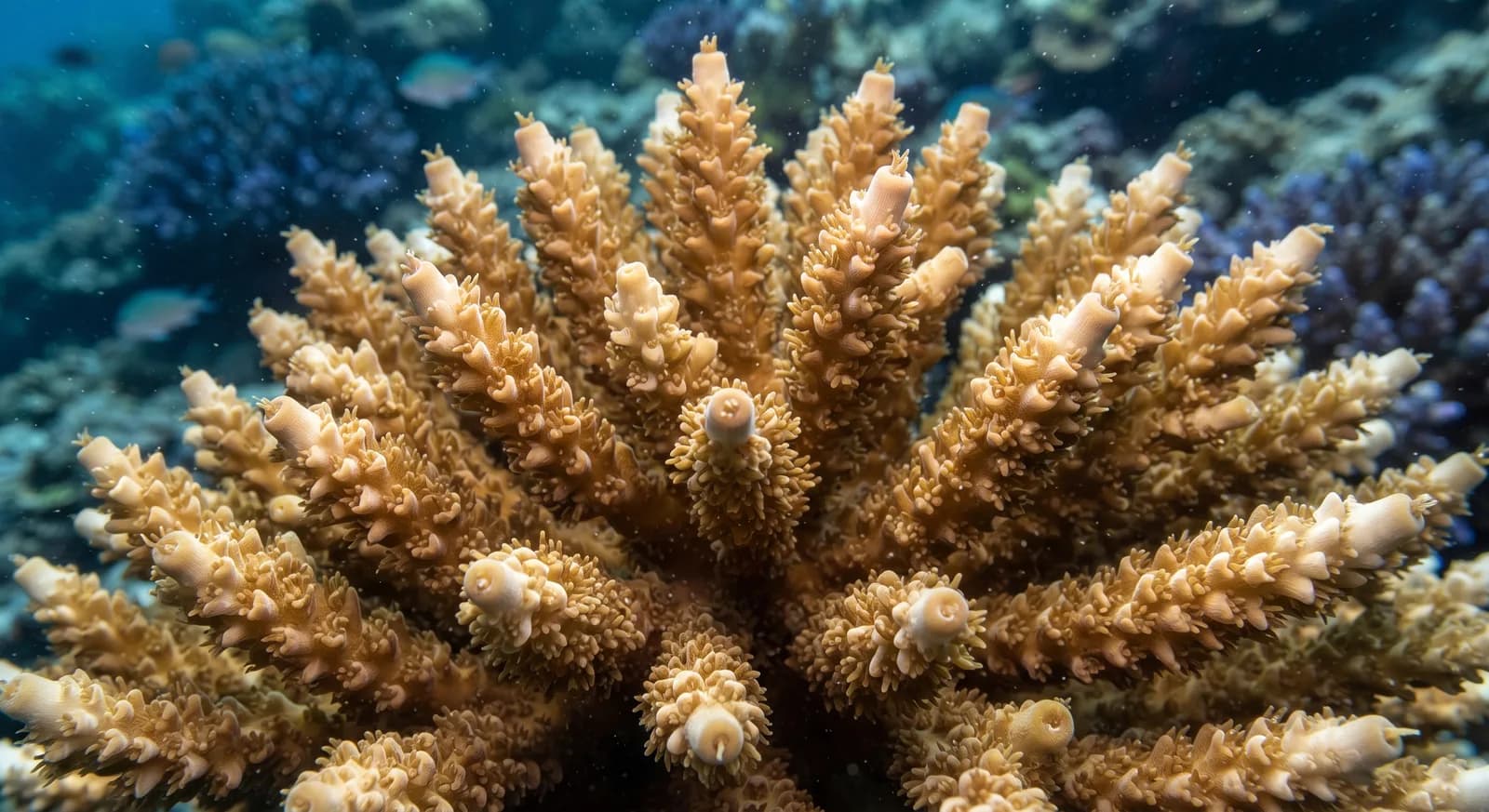
Staghorn CoralCritically Endangered

Staghorn Coral

Acropora cervicornis

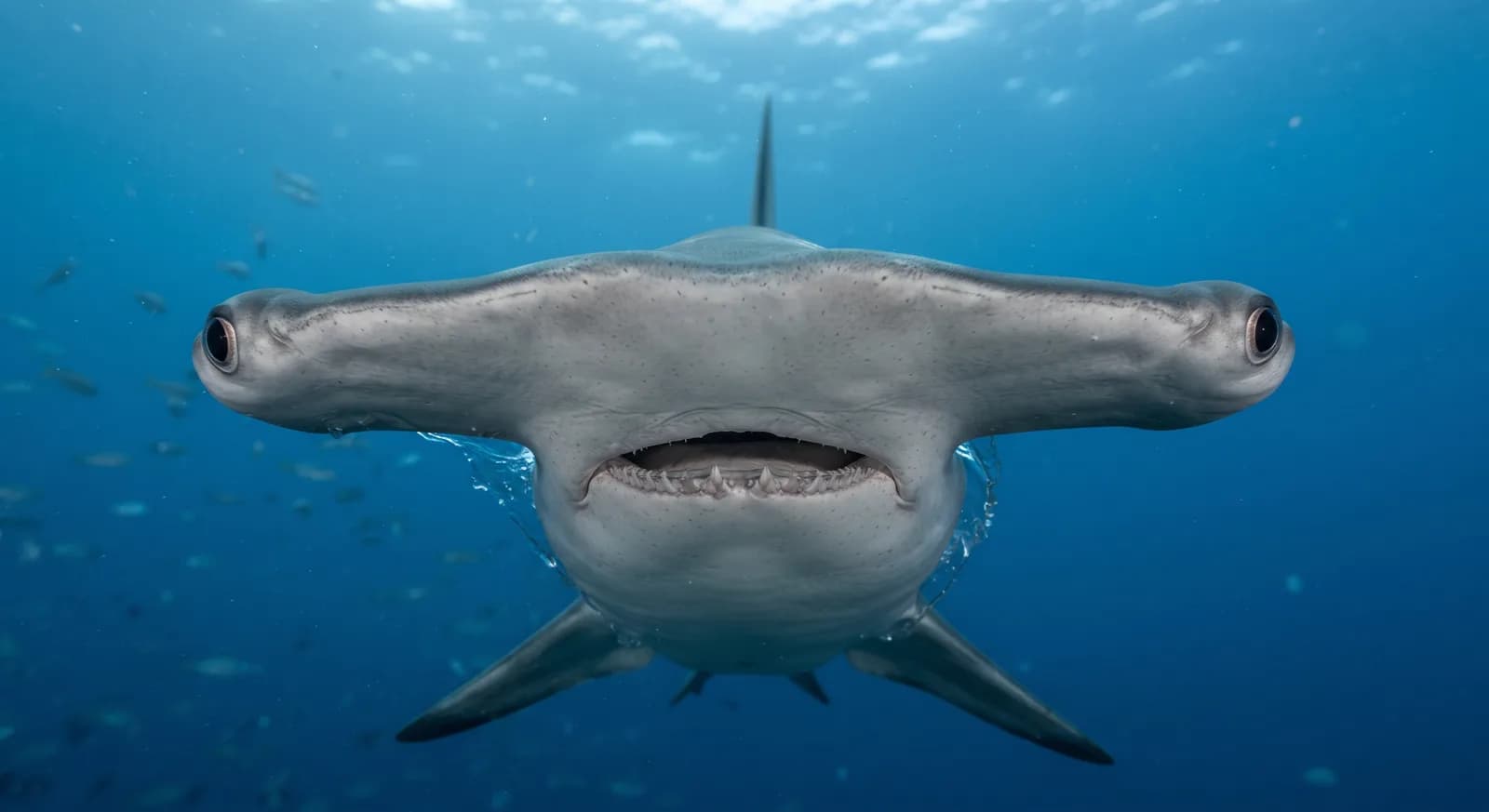
Great HammerheadCritically Endangered

Great Hammerhead

Sphyrna mokarran

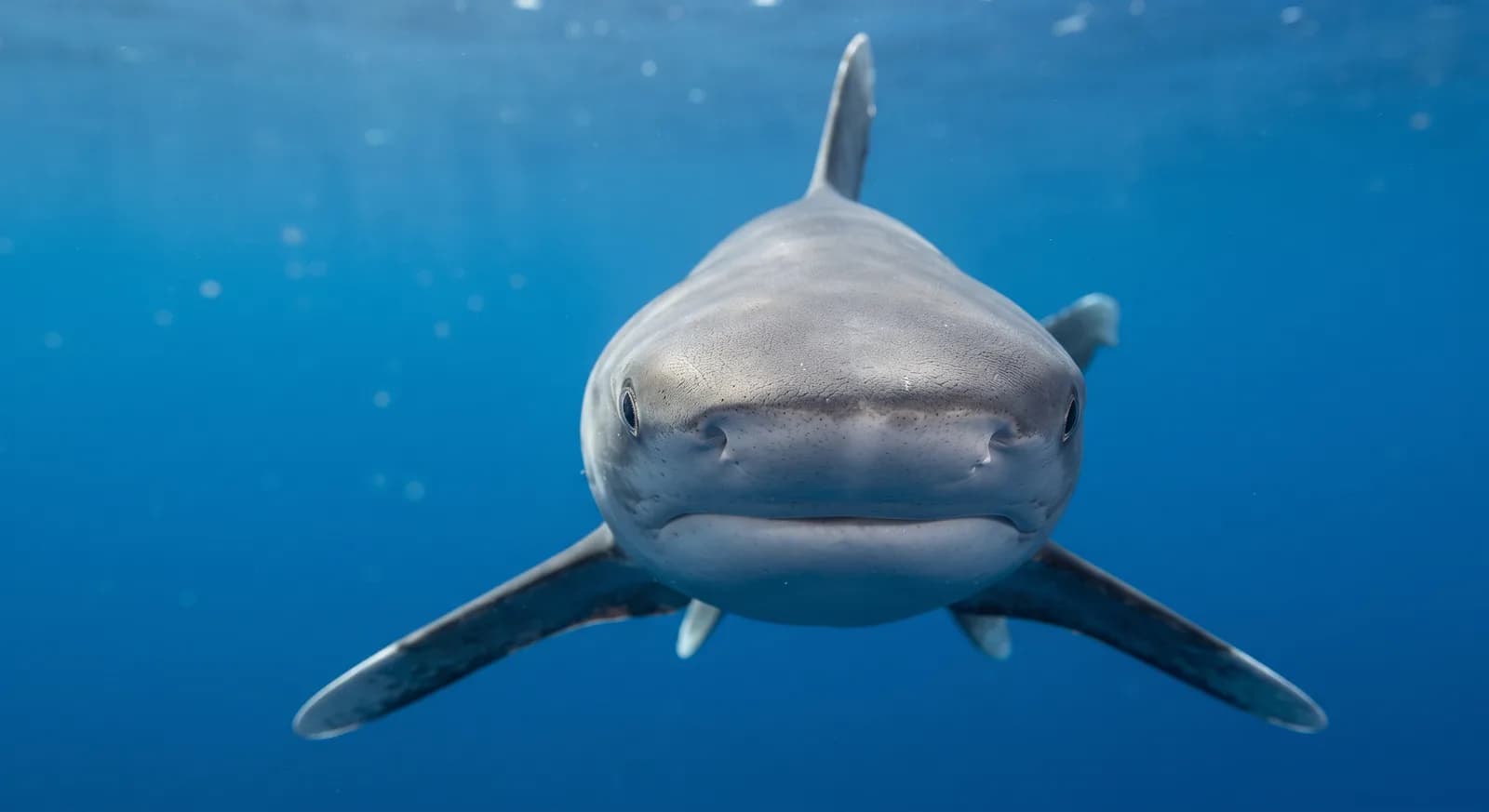
Oceanic Whitetip SharkCritically Endangered

Oceanic Whitetip Shark

Carcharhinus longimanus

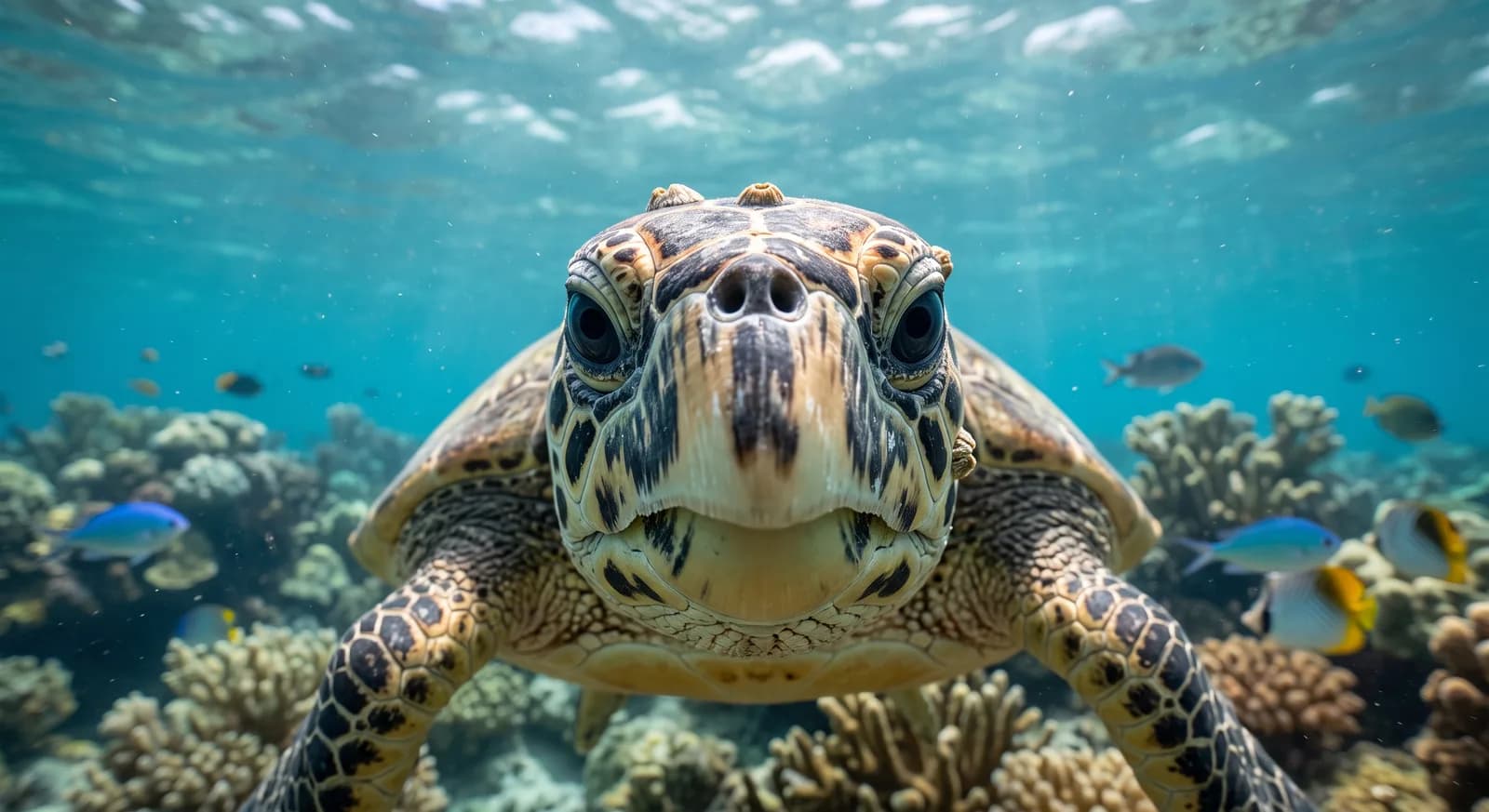
Hawksbill TurtleCritically Endangered

Hawksbill Turtle

Eretmochelys imbricata

Grey-Headed AlbatrossEndangered

Grey-Headed Albatross

Thalassarche chrysostoma

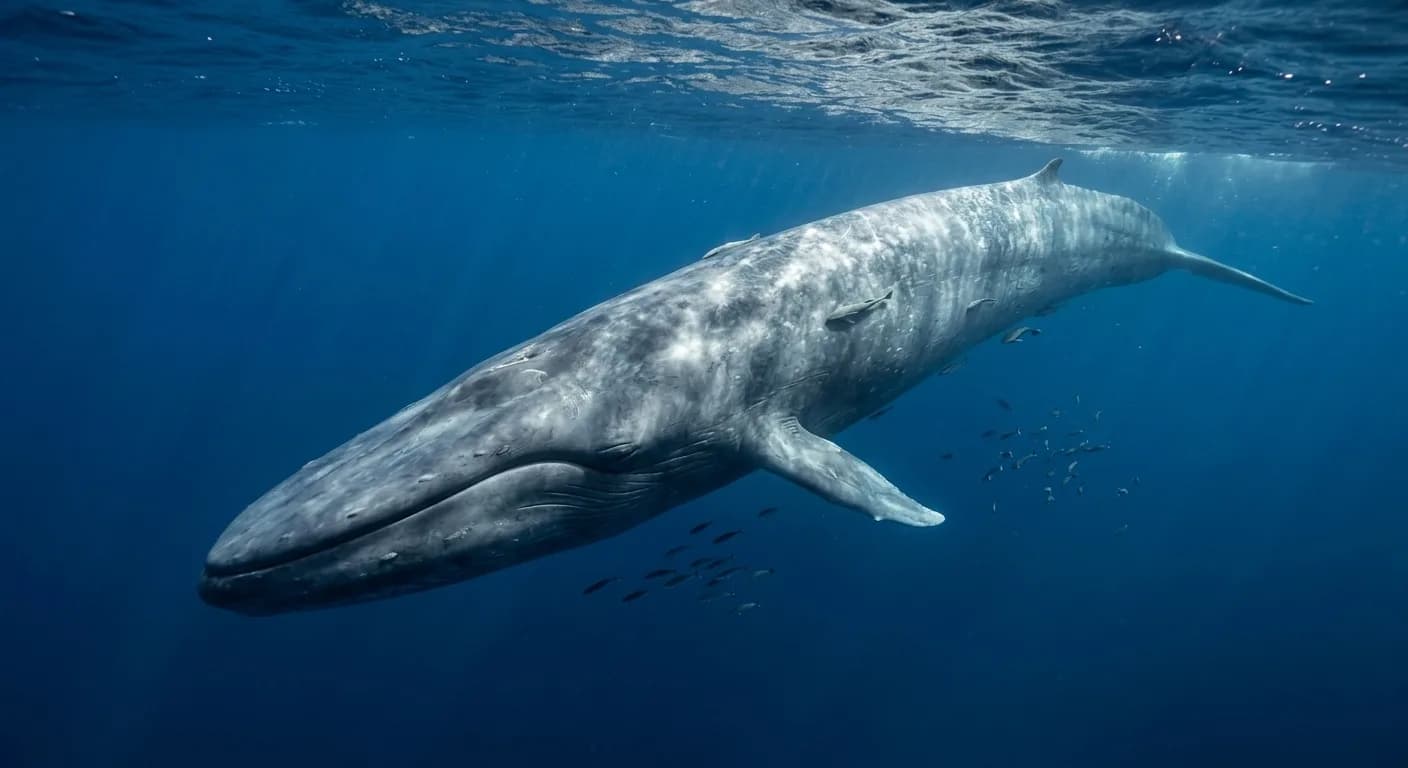
Blue WhaleEndangered

Blue Whale

Balaenoptera musculus

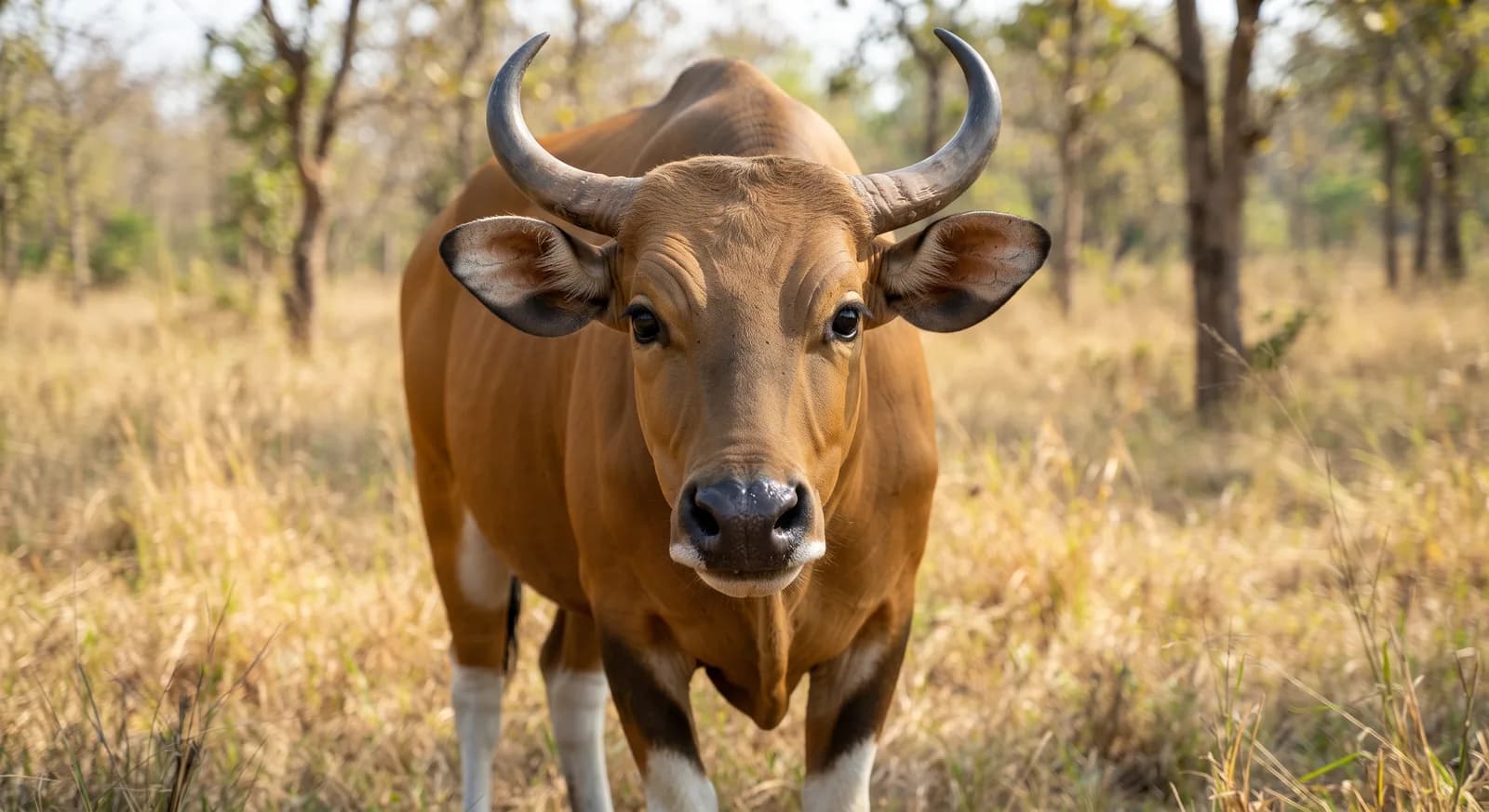
BantengEndangered

Banteng

Bos javanicus

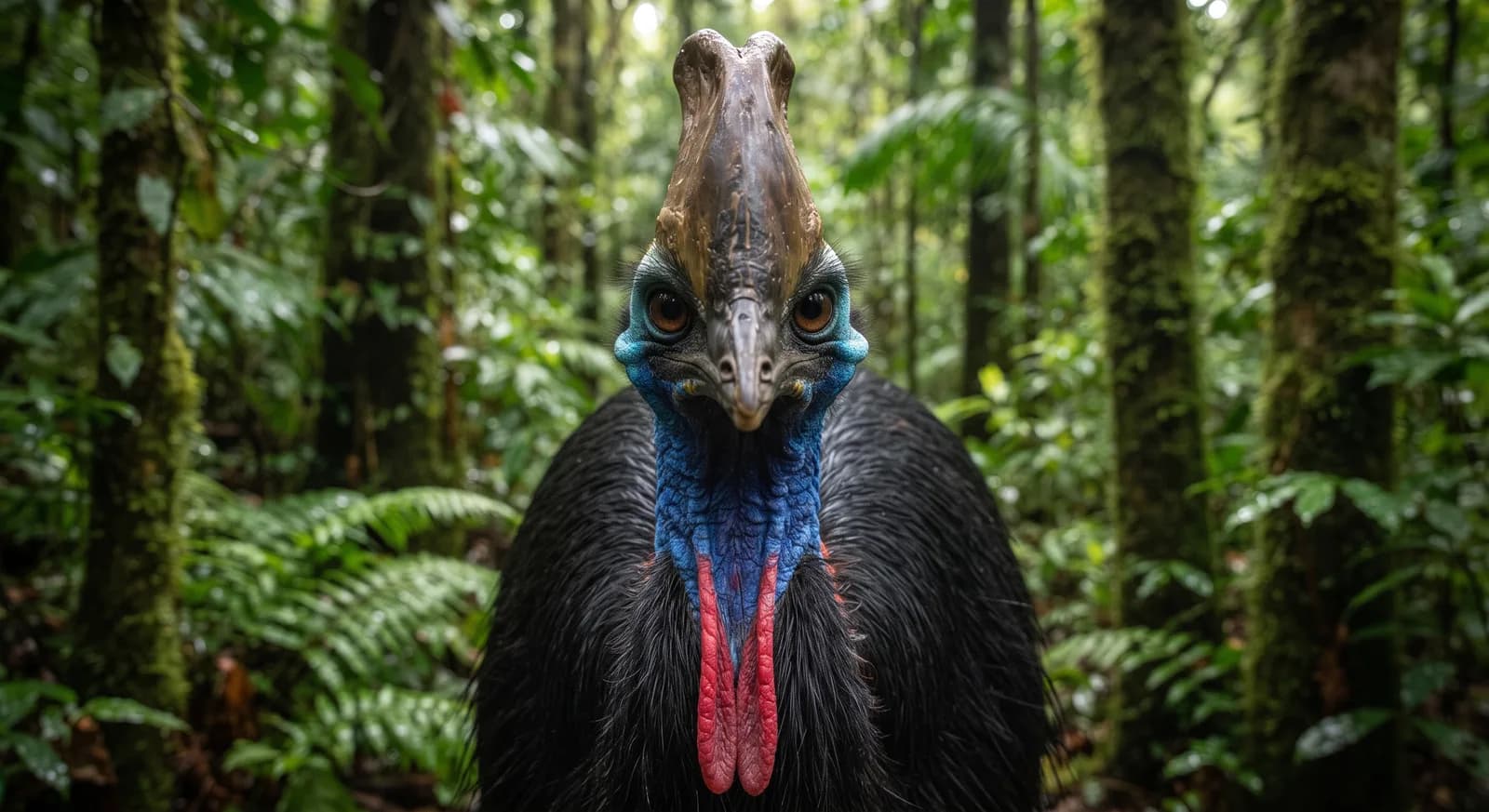
Southern CassowaryEndangered

Southern Cassowary

Casuarius casuarius

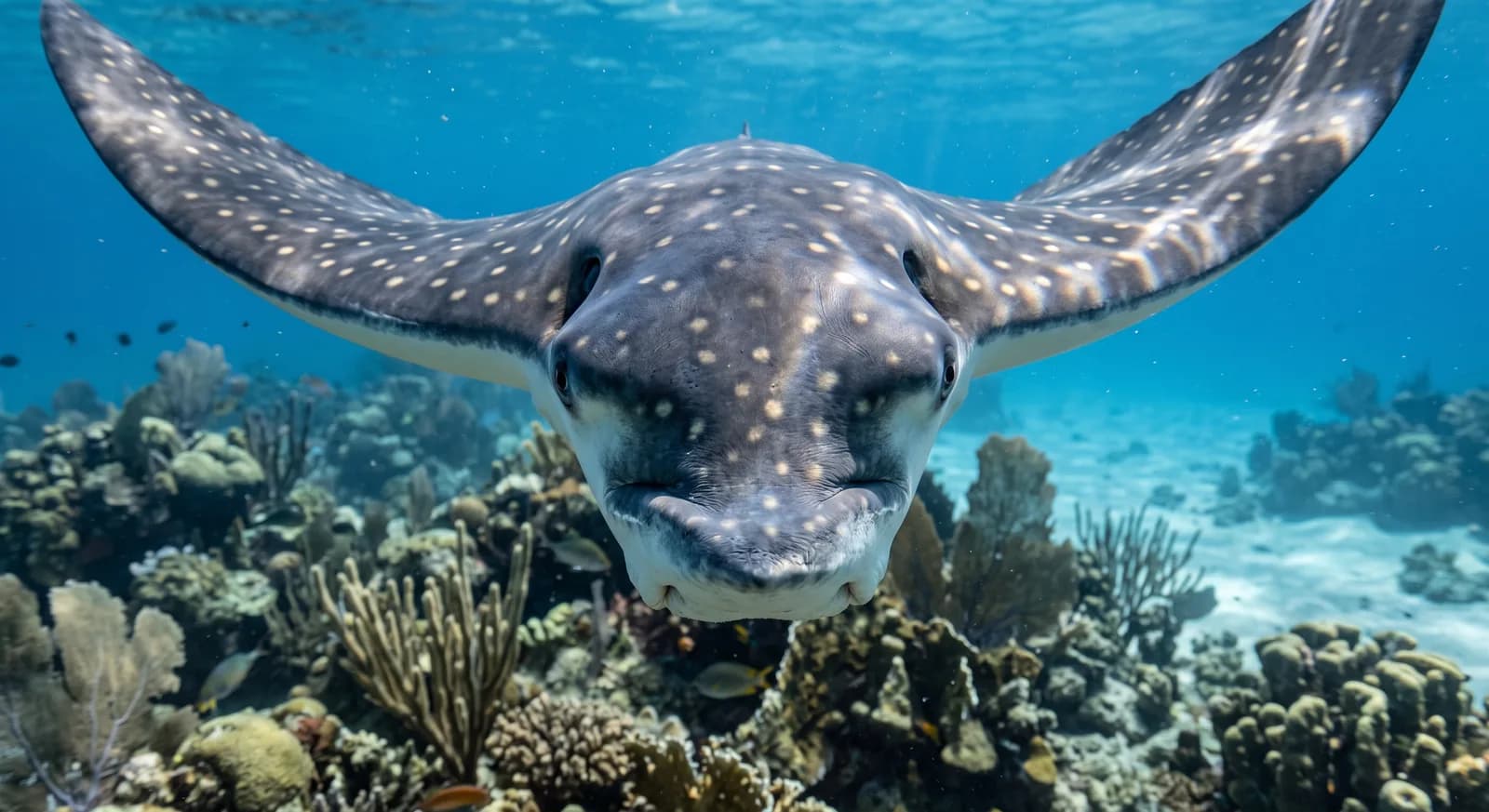
Spotted Eagle RayEndangered

Spotted Eagle Ray

Aetobatus narinari

Hog DeerEndangered

Hog Deer

Axis porcinus

Tasmanian DevilEndangered

Tasmanian Devil

Sarcophilus harrisii

Page 1 of 33
Savanna
Rainforest
Desert
Grassland
Ocean