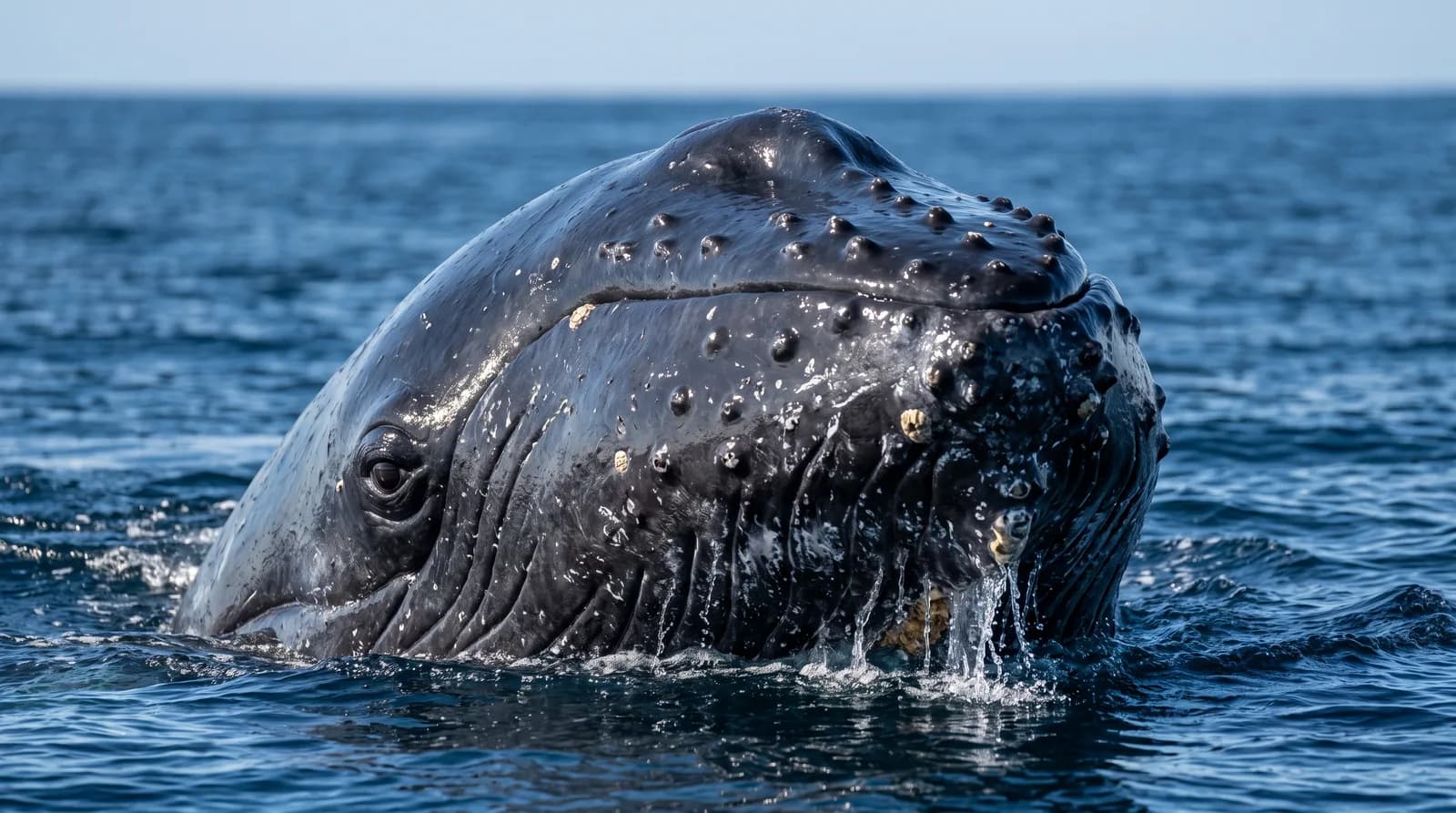
 Least Concern
Humpback Whale
Megaptera novaeangliae
Tasmania's most iconic landscape, with Dove Lake below Cradle Mountain and Australia's deepest natural lake.
Area
1,614 km²
Designated in
1922
Region
Australia
Glacial landforms of Cradle Mountain and Lake St Clair
Cradle Mountain-Lake St Clair National Park occupies the northern sector of the Tasmanian Wilderness World Heritage Area and is the most visited and most recognisable in the state. Its best-known image is that of Dove Lake at the foot of the jagged silhouette of Cradle Mountain, a landscape shaped by the Quaternary glaciers that left cirques, U-shaped valleys, moraines and a constellation of mountain lakes.
At the southern end of the park lies Lake St Clair, the deepest natural freshwater lake in Australia, also gouged out by ice. Between the two ends runs the Overland Track, an itinerary of some 65 kilometres over six days that is the country's benchmark alpine walk and one of the best known in the southern hemisphere.
The vegetation combines temperate rainforest of southern beech, eucalypt forest, alpine heathland and communities of conifers endemic to Tasmania, some extremely slow-growing and with individuals a thousand years old. The fauna is characteristic of the island: wombats, which graze quite unconcerned on the alpine meadows, wallabies, echidnas, platypuses in the watercourses and the Tasmanian devil, threatened by a transmissible facial tumour that has decimated its populations. The park has formed part of the World Heritage property since its inscription in 1982.
Ecosystems found in Australia, where Cradle Mountain-Lake St Clair lies.
What is worth looking out for this month in Australia?
Now is a good time: The Humpback Highway on Australia's east coast (May to November (northbound May to August, southbound return August to November))
Now is a good time: Red crab migration on Christmas Island (October to January (spawning Nov-Dec))
Which other parks are like this one?
Same country: Australia
Same country: Australia
Same country: Australia
Same country: Australia
Based on what we already know about this park.
Share your experience visiting Cradle Mountain-Lake St Clair, or a tip for other travellers.
Be the first to comment.
Climate
Tropical, Arid / desert, Temperate, Mediterranean
Best season
March to May

 Australia