Maria Island lies off the east coast of Tasmania and was declared a wildlife sanctuary in 1971 and a national park in 1972. The island is divided into two halves joined by a tombolo, a sand bar linking the two landmasses, and it has no permanent population and no vehicles: access is by ferry and it is explored on foot or by bicycle.
Its human history is eventful. Between 1825 and 1832 Darlington operated as a penal colony for male convicts, and between 1842 and 1850 as a probation station, during the last phase of the eastern Australian convict system. Of the 78 stations of that kind built in Tasmania, the one on Maria Island is regarded as the most representative and complete example preserved, with thirteen or fourteen period buildings still standing, most of them Georgian in style, plain and functional, whitewashed and almost without decoration. Later, in 1884, the entrepreneur and silk merchant Diego Bernacchi set up a cement works here using the island's limestone; the settlement prospered for a time and the company eventually went bankrupt, leaving the buildings in ruins.
Today the island works as a wildlife sanctuary. The absence of introduced predators and of traffic has made Maria one of the best places in Australia to see wildlife at close range: wombats grazing beside the ruins, wallabies, Cape Barren geese, and a population of Tasmanian devils established as a genetic reserve against the transmissible facial tumour that is decimating the species on the Tasmanian mainland. There are also geological attractions such as the Painted Cliffs, sandstones tinted by iron oxides, and the fossil-bearing cliffs of the north.
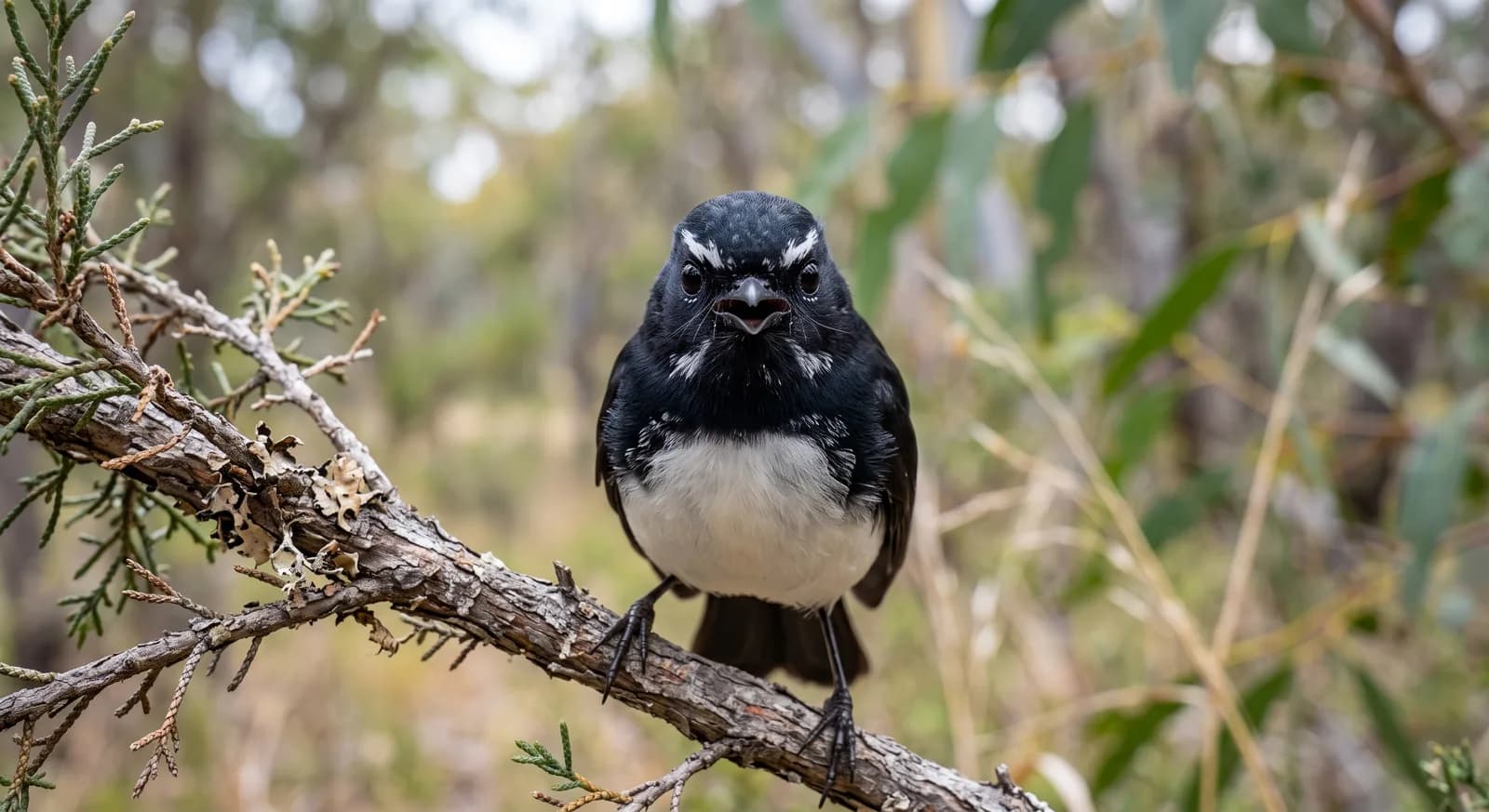 Least Concern
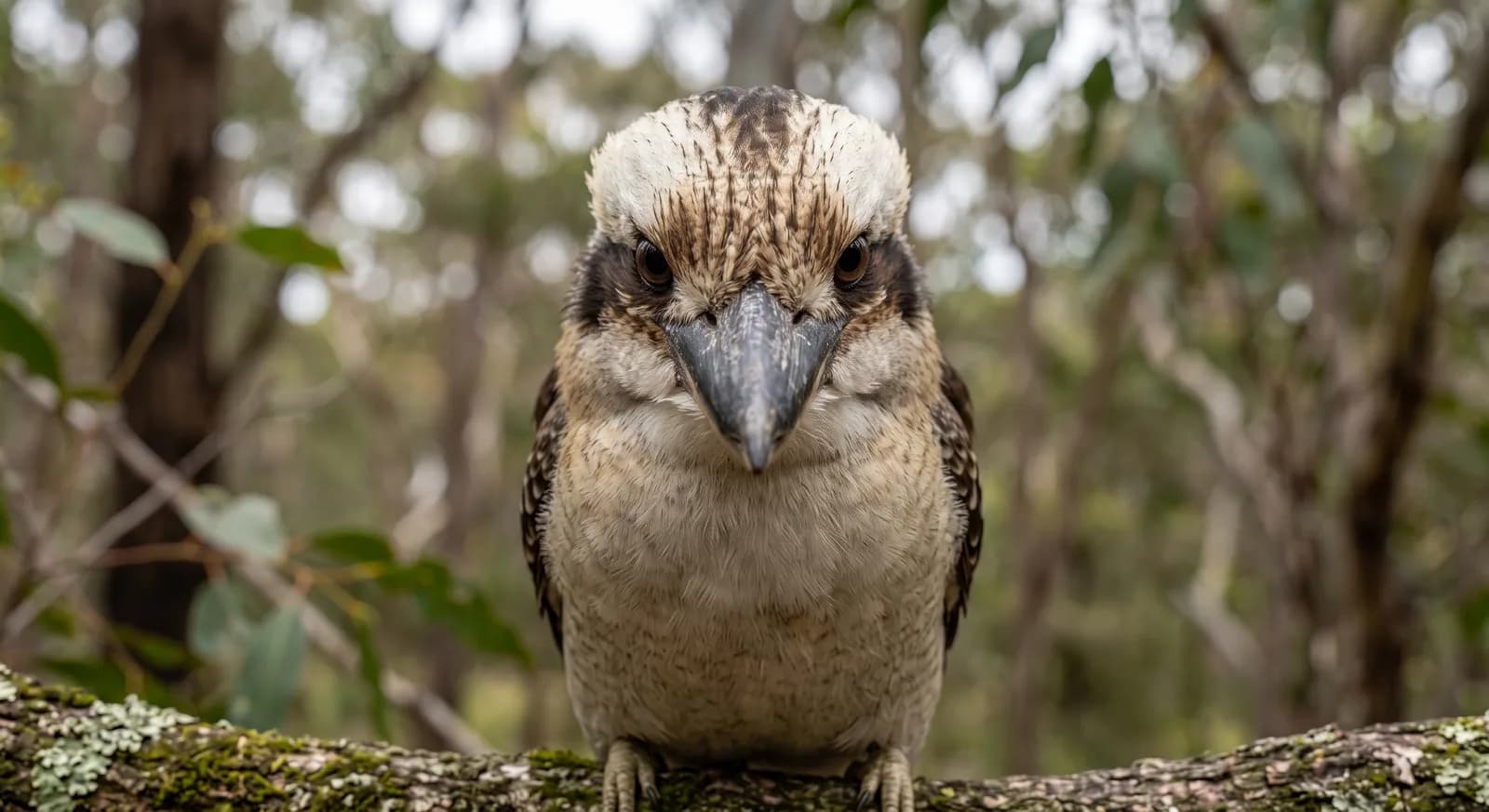 Least Concern
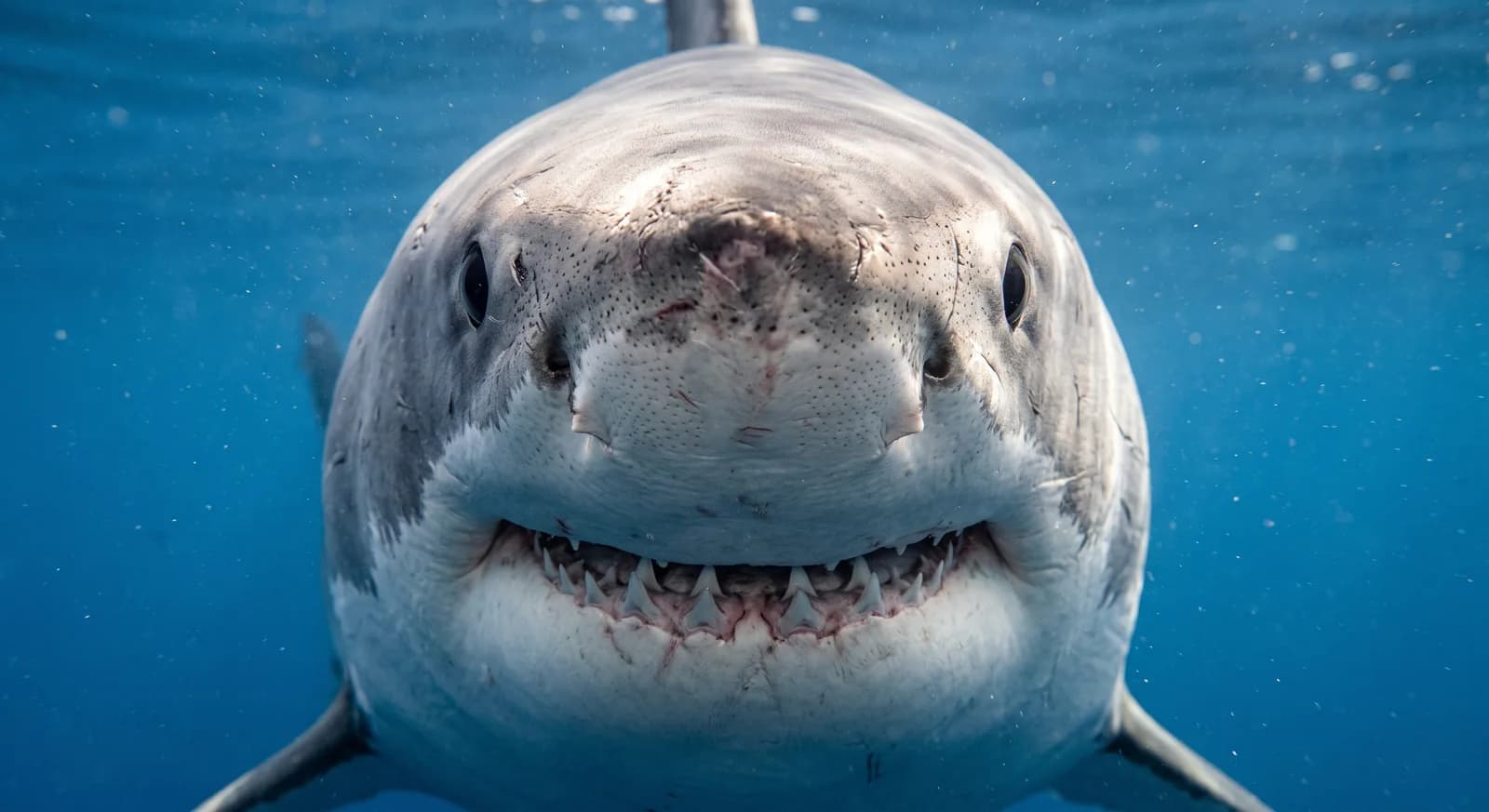 Vulnerable
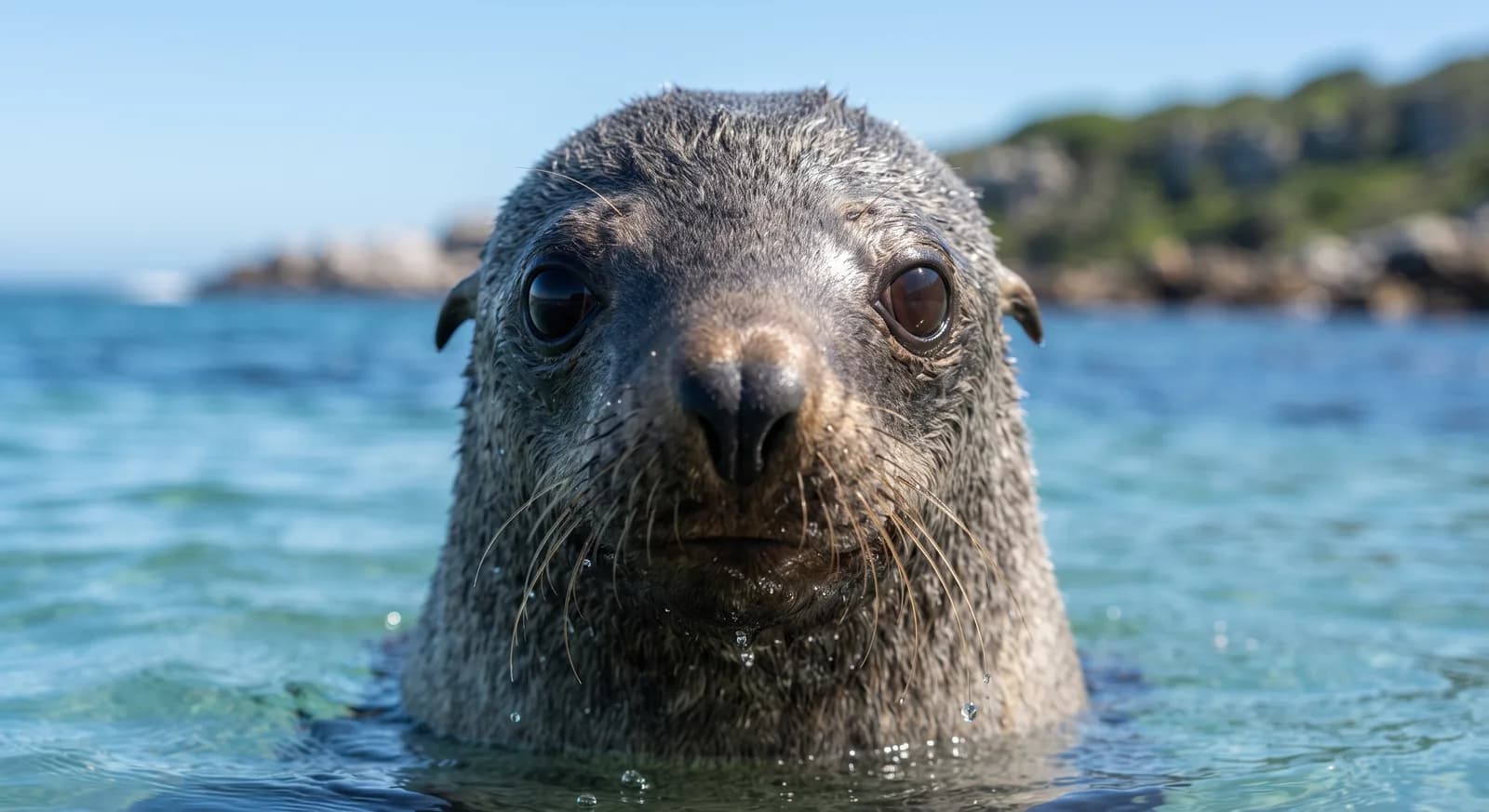 Least Concern
 Least Concern
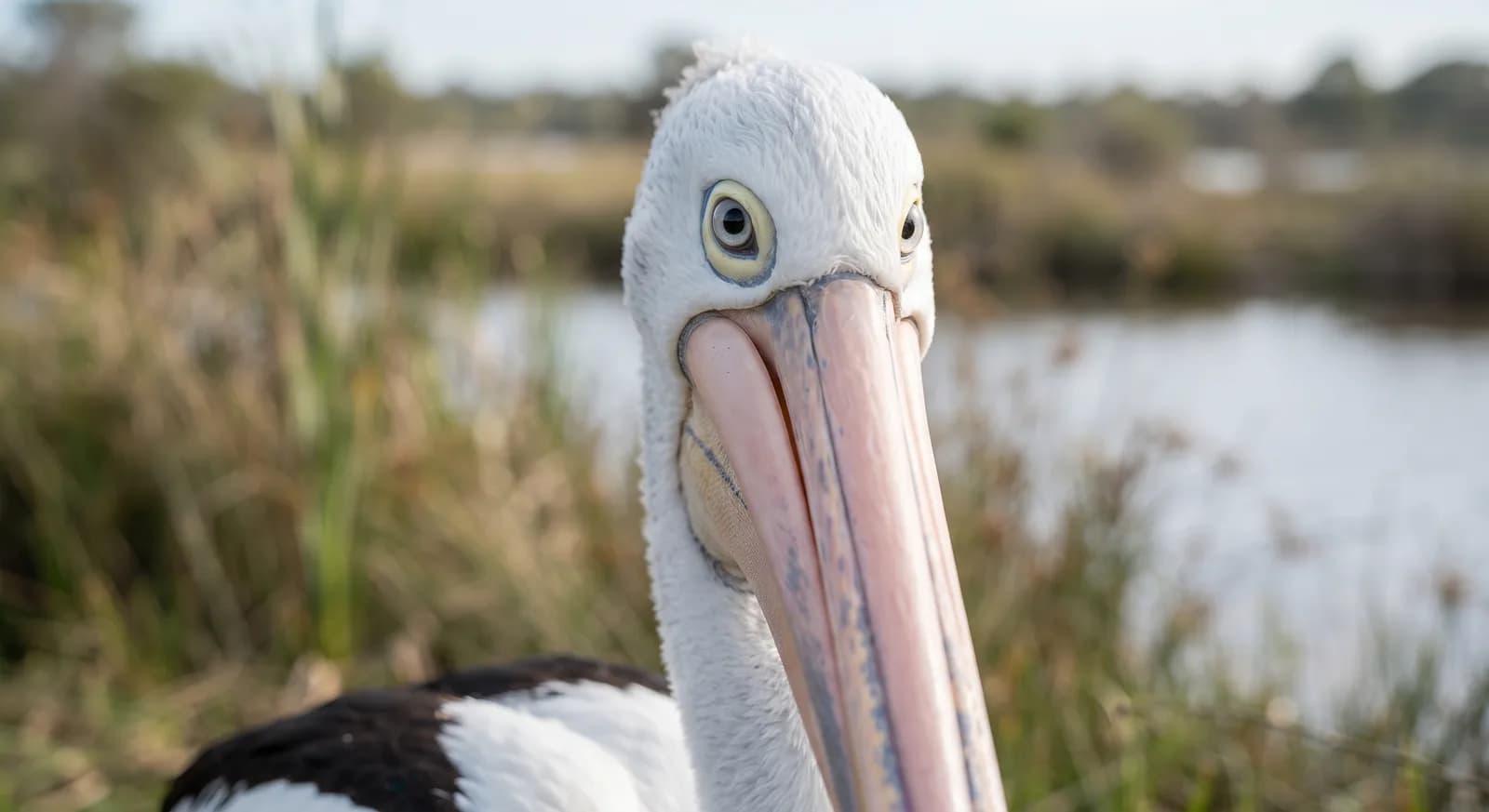 Least Concern
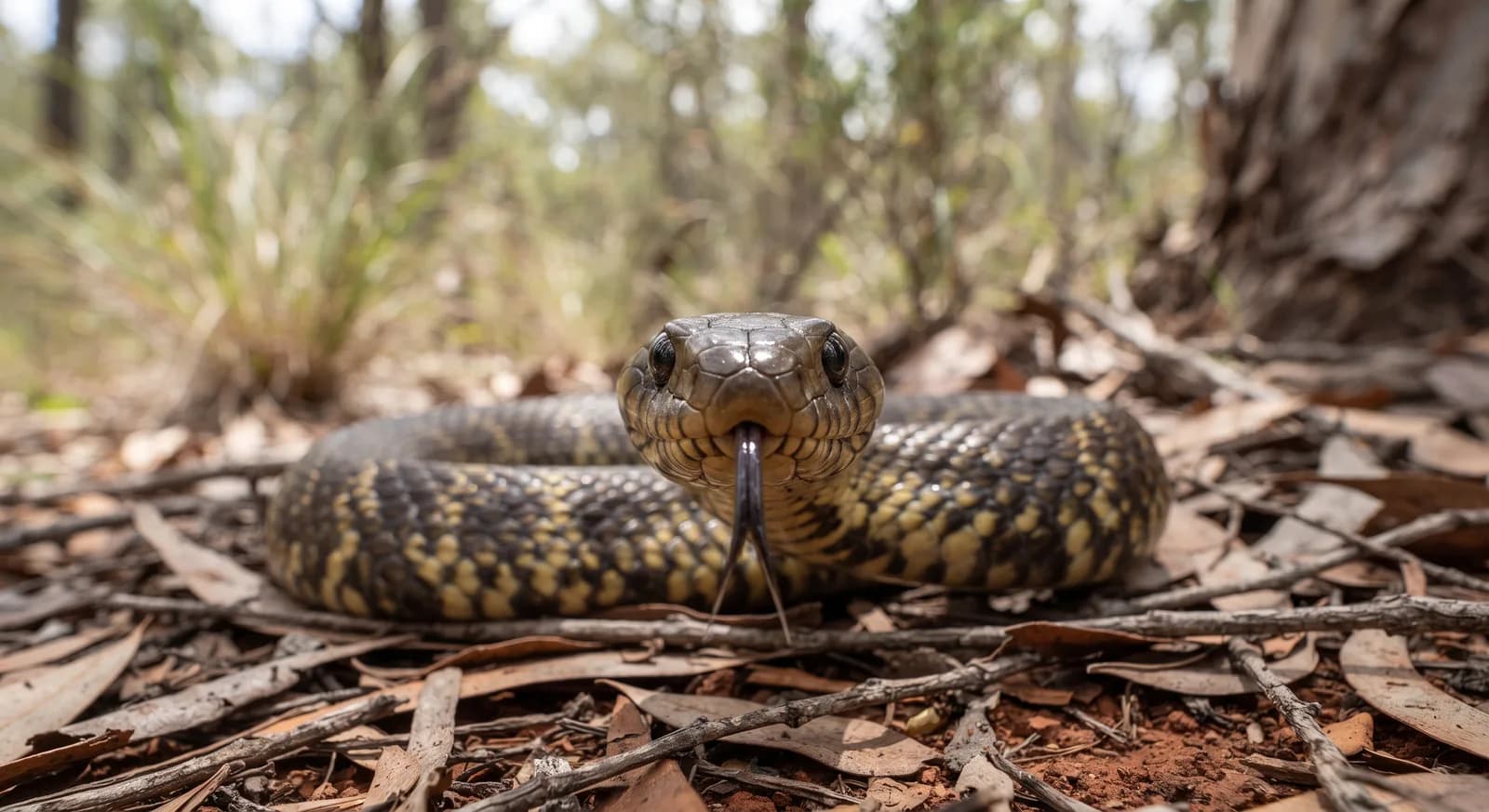 Least Concern
 Least Concern
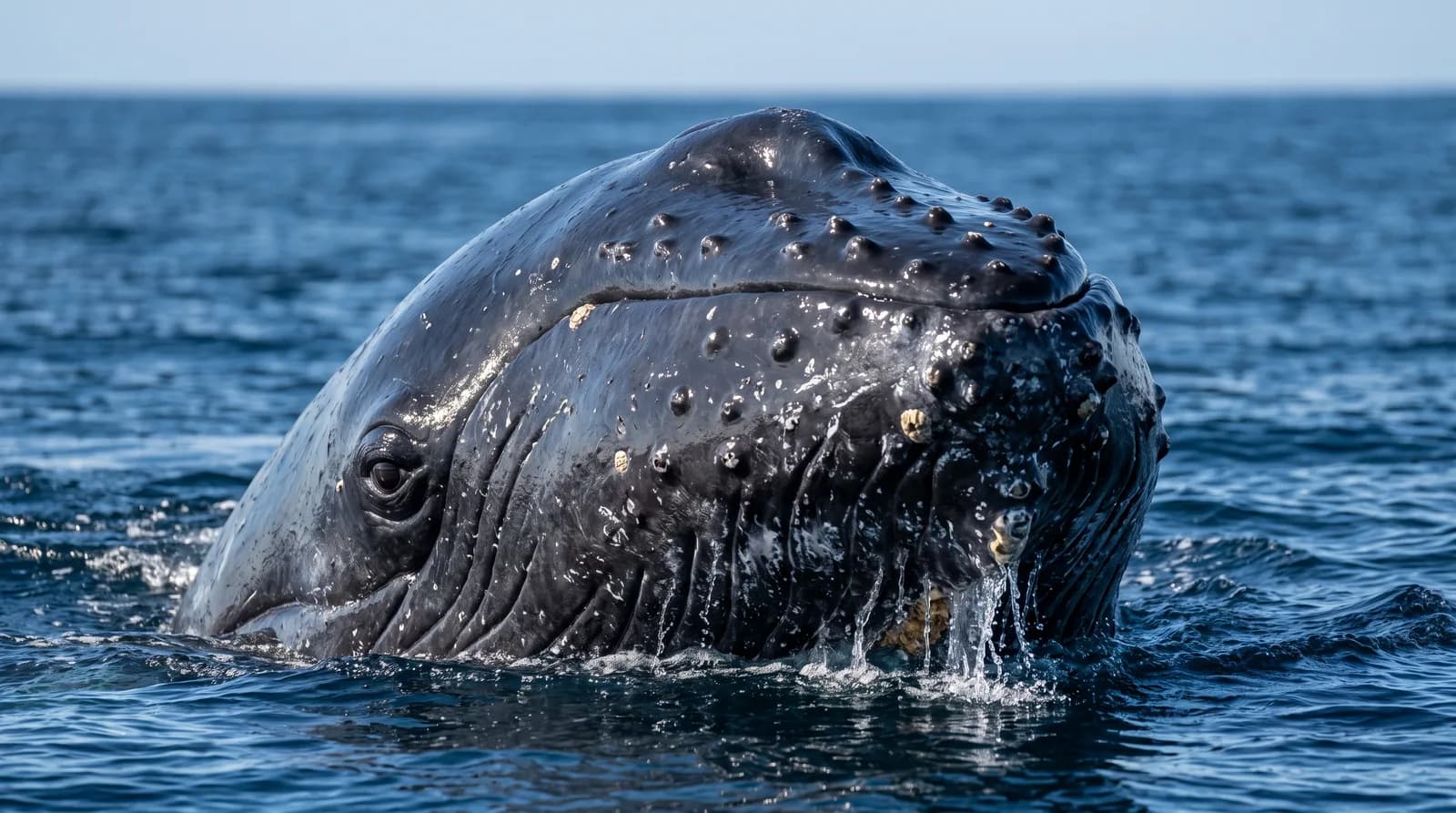

 Australia