Skip to content
WAnimals
  • Map
  • Species
  • Parks
  • Diving
Log inCreate account
WAnimals

The guide for travellers and animal lovers: discover, plan and share your wild adventures around the world.

Discover wildlife

  • Species
  • Ecosystems
  • Glossary
  • Tags

Explore places

  • Map
  • Countries
  • Parks
  • Diving

Plan experiences

  • Guides

Learn

  • Blog

Resources

  • Help centre
  • Contact
  • Install the app

Follow us

Account

  • Log in
  • Create account

© 2026 WAnimals. All rights reserved.

About usHow we build our profilesTerms of servicePrivacyLegal notice
MapSpeciesParksDiving
  1. Home
  2. Species
  3. Redback

One of the 26 spiders on WAnimals

Arachnids · Araneae · Theridiidae

Redback

Latrodectus hasselti

Not Evaluated

It has not yet been assessed against the IUCN criteria.

Spotted something wrong?

The Australian black widow, also known as the redback spider, is an araneomorph spider of the family Theridiidae. It is a venomous species native to Australia. It takes its specific epithet in honour of the Dutch toxicologist Alexander Willem Michiel van Hasselt (1814-1902).

Size

up to 1.5 cm

Diet

Carnivore

Feeds mainly on other animals.

Activity

Nocturnal

Active mainly at night.

Social structure

Solitary

Lives and hunts alone, joining others only to breed.

Sighting difficulty

Unknown

Grassland
3countries57parks3same family

Fun facts

  • GeneralThe female usually eats the male during mating.
  • It practises a unique form of sexual cannibalism: during copulation the male performs a somersault that places his abdomen right over the female's fangs, and she begins to digest him while they are still mating.
  • It is a sacrifice with an evolutionary logic. By prolonging copulation the male fertilises more eggs, the female becomes less receptive to other males, and the tip of his copulatory organ breaks off inside her and acts as a plug. Males that let themselves be eaten more than double their chances of paternity.
  • Between 65 and 83% manage to escape the first bite and repeat the manoeuvre with the second palp; most do not survive the process.
  • The size difference between the sexes is enormous: the female's body measures some 10 to 15 mm and the male's barely 3 or 4.
  • An antivenom has existed since 1956, and in Australia it is given in more than 250 cases a year. Deaths have been extremely rare ever since.

Life cycle and biology

Skeleton type
Invertebrate - chitin exoskeleton (arachnid)
Habitat and environment
Sheds, letterboxes, gardens and built-up areas
Litter / clutch size
Hundreds of eggs per sac, and several sacs per female

Sources consulted: https://es.wikipedia.org/wiki/Latrodectus_hasselti

Where to find it

Loading map…

Where to see it

Parks and dive sites where this species has been documented — showing 10 of 57.

Related species

Other species in the catalogue with the most in common with Redback — same habitat, park, country, tags or family.

Same taxonomic family
Shares a park
Shares a park
Shares a park
Shares a park
Shares a park

Keep exploring

Based on what we already know about redback.

Comments

Share an experience, a fun fact or a tip for seeing the redback.

Be the first to comment.

See full glossary
This page in other languages: Español · Deutsch · Français · Português · Italiano

The pins mark the parks where its presence is documented.
See its range on the interactive map→
Fuji-Hakone-IzuJapan
KakaduAustralia
Uluru-Kata TjutaAustralia
DaintreeAustralia
Blue MountainsAustralia
K'gari (Fraser Island)Australia
Purnululu (Bungle Bungle)Australia
FreycinetAustralia
KosciuszkoAustralia
Nitmiluk (Katherine Gorge)Australia
See all 57 parks
Not Evaluated

Brown Widow

Latrodectus geometricus

Least Concern

Common Death Adder

Acanthophis antarcticus

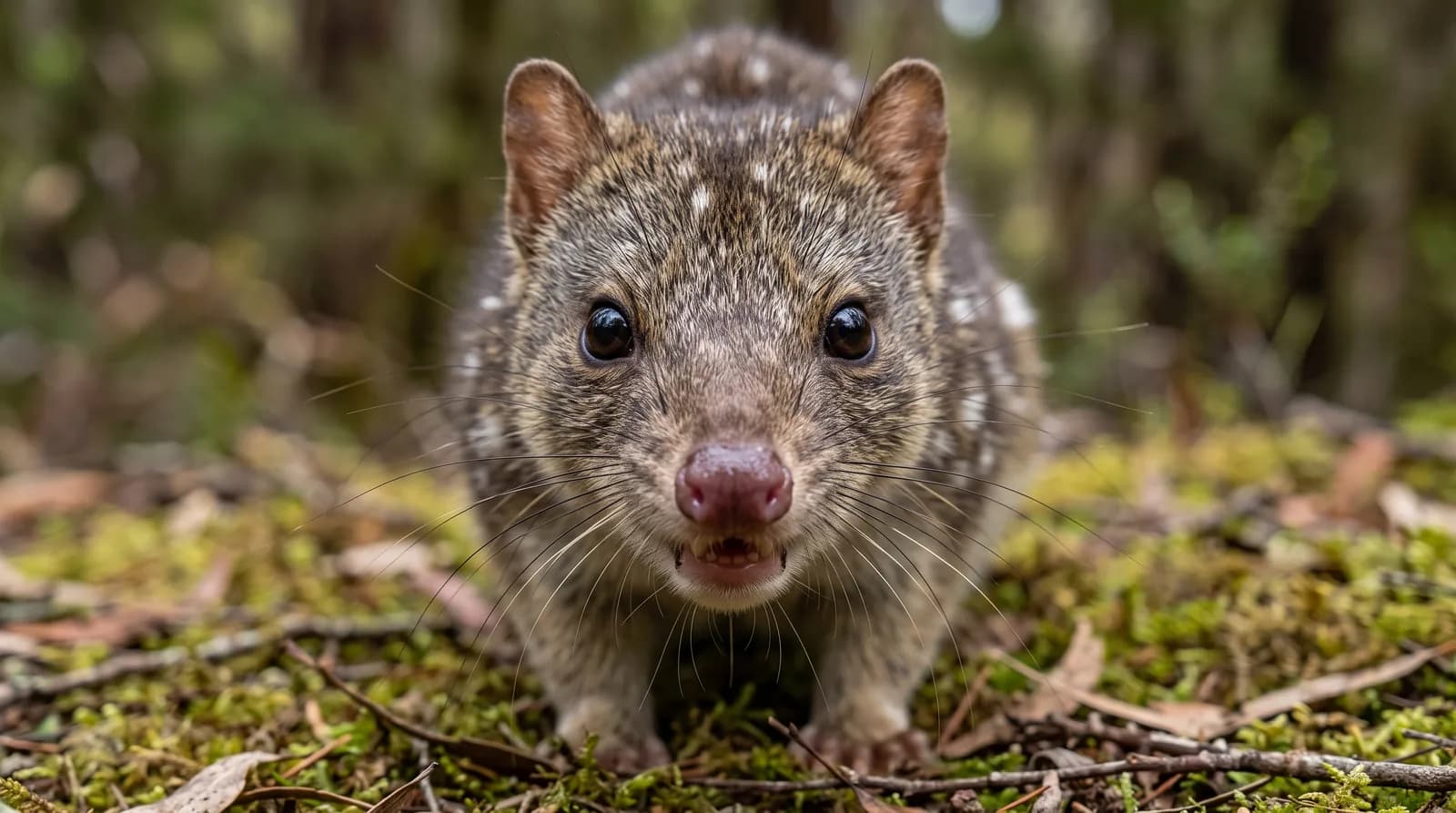
Eastern QuollEndangered

Eastern Quoll

Dasyurus viverrinus

Not Evaluated

Flying Peacock Spider

Maratus volans

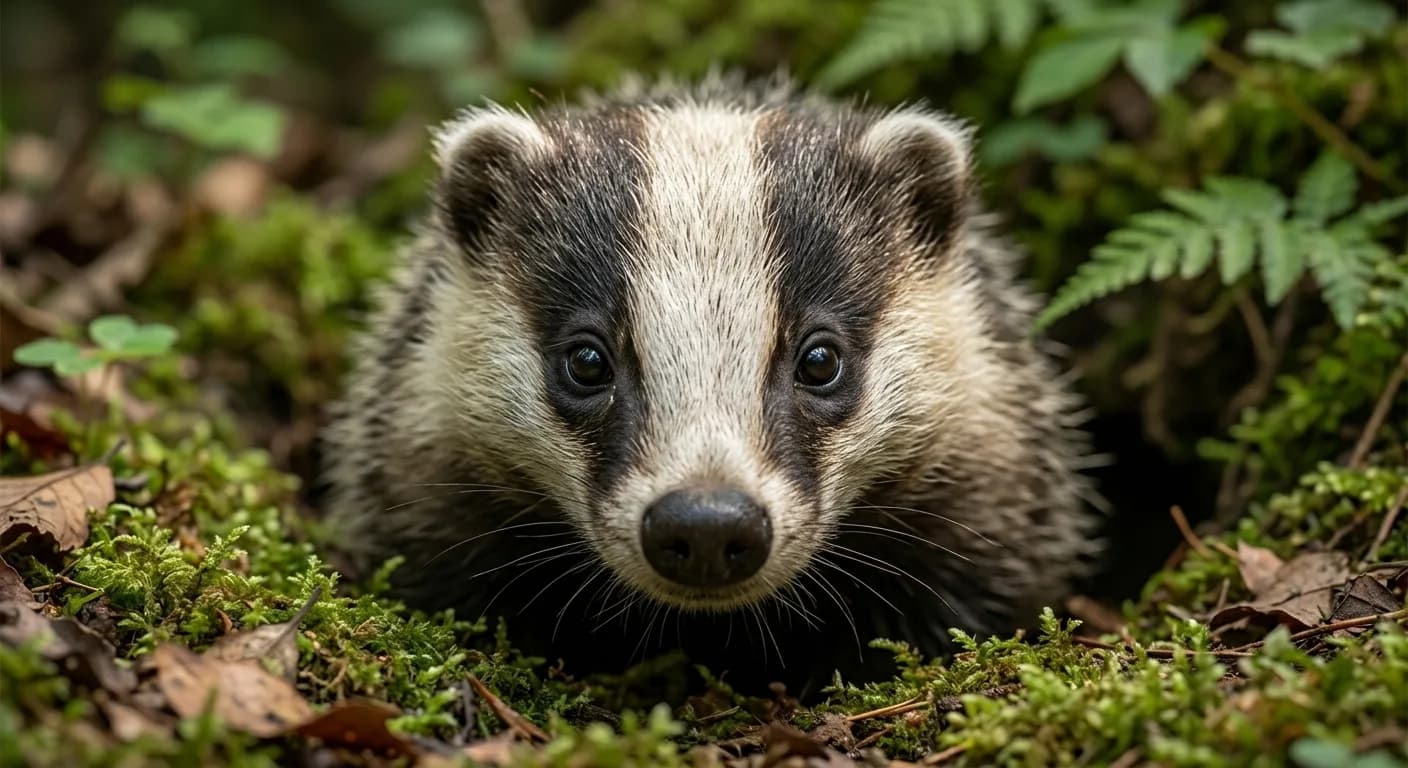
Japanese BadgerLeast Concern

Japanese Badger

Meles anakuma

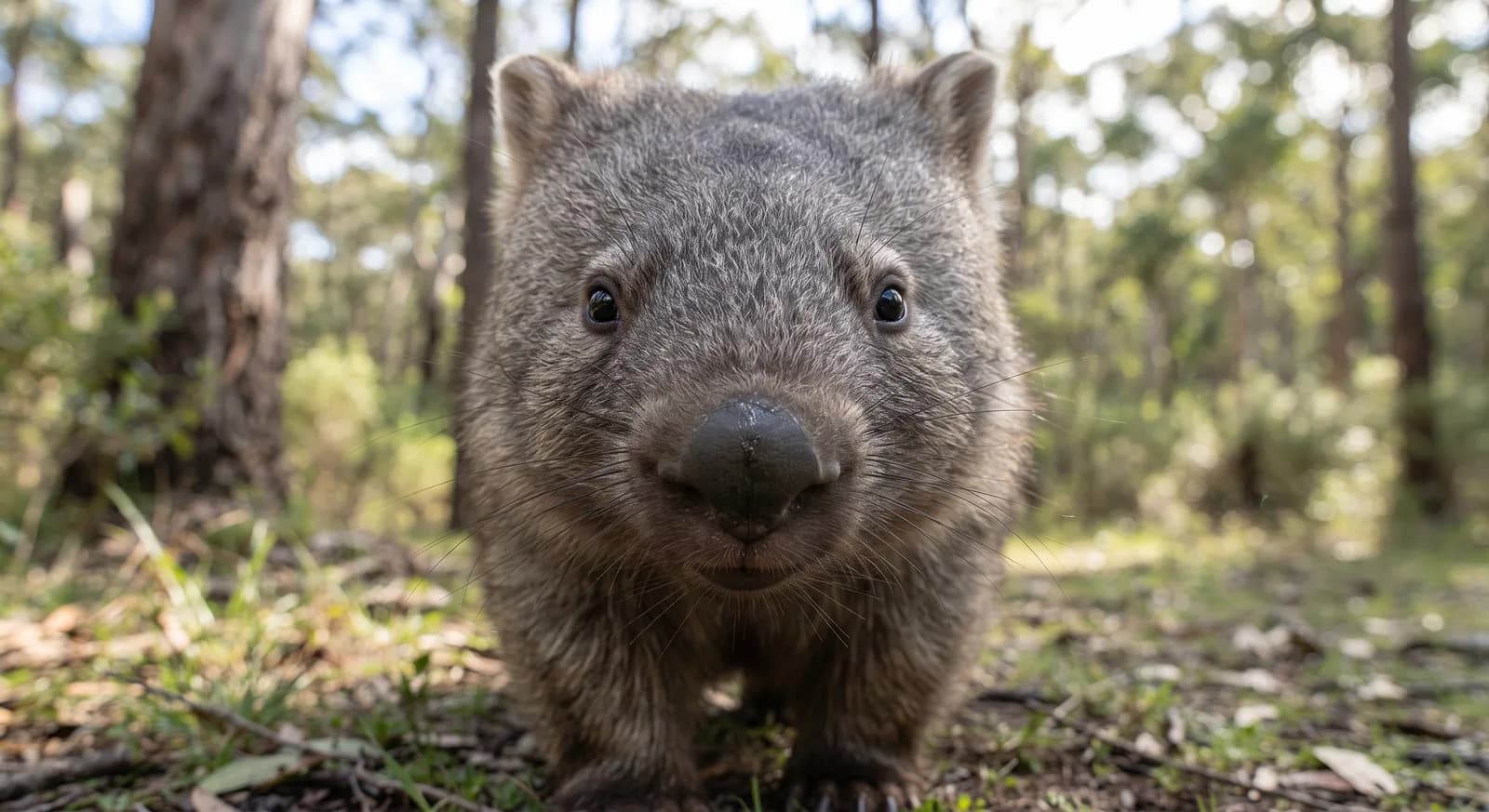
Bare-nosed WombatLeast Concern

Bare-nosed Wombat

Vombatus ursinus

CountriesAustralia
ParksFuji-Hakone-IzuJapan
TagsCarnivore
Carnivore
Nocturnal
Solitary
Grassland
Arachnid
Australia
New Zealand
Japan