One of the few places in the world with a dual UNESCO listing for natural and cultural value; Aboriginal rock art over 20,000 years old
Area
19,804 km²
Protection category
IUCN II
Parque nacional —
Designated in
1979
Declared in 1979 and extended in stages until 1991, Kakadu is one of the few places on the planet with a dual UNESCO World Heritage listing, for its natural and cultural values alike. The Bininj/Mungguy people have lived in the region continuously for more than 50,000 years, and their rock art sites — among the most extensive and best documented in the world — tell stories running from animals now extinct to the first contacts with European explorers, making up one of the longest continuous historical records of any people on the planet. In the 1990s, the proposal to mine the Jabiluka uranium deposit inside the park's boundaries set off intense international controversy between the Australian government and Aboriginal communities and conservation organisations, which finally stopped the project.
Ecosystems found in Australia, where Kakadu lies.
What is worth looking out for this month in Australia?
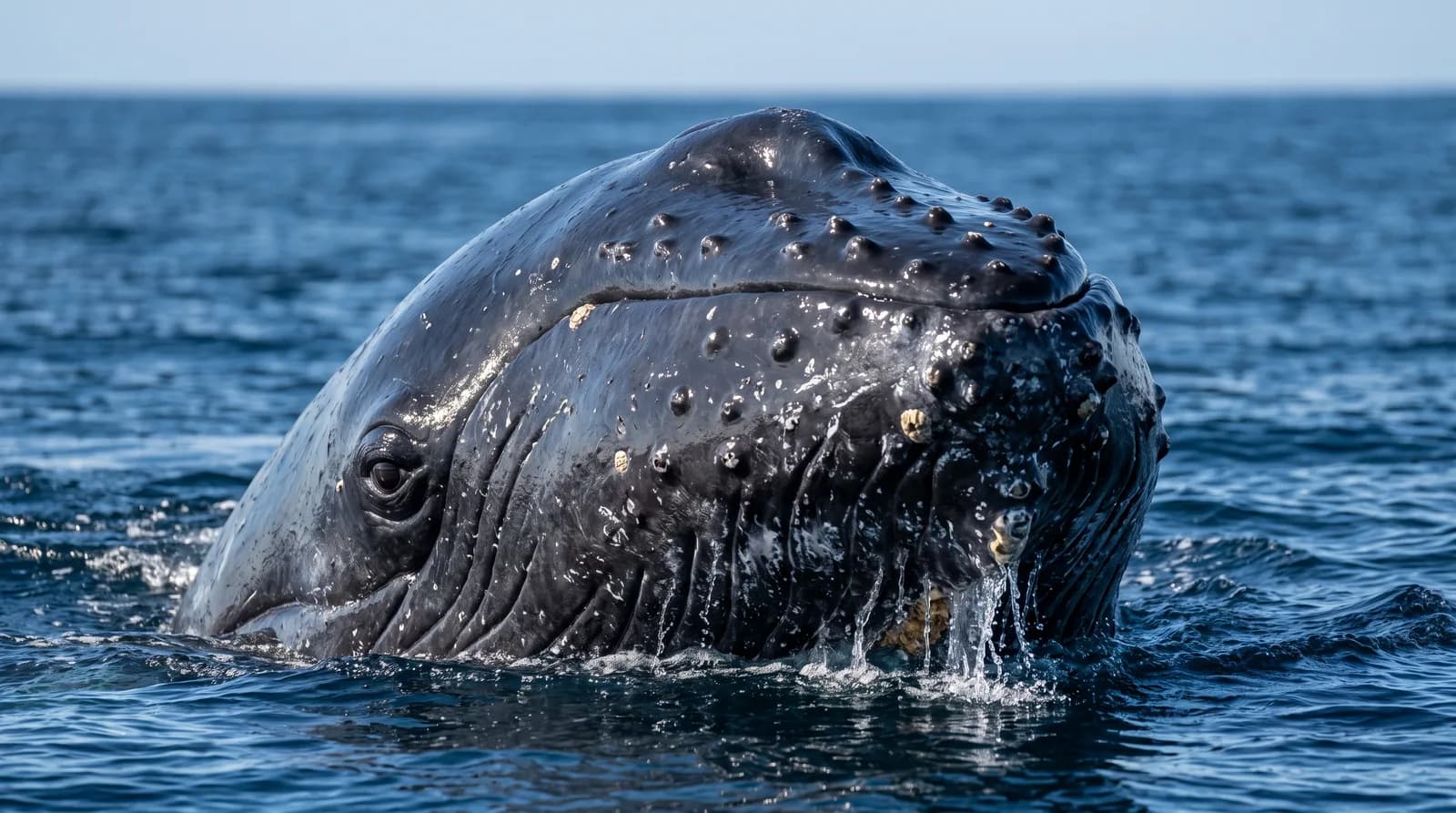
Now is a good time: The Humpback Highway on Australia's east coast (May to November (northbound May to August, southbound return August to November))
Now is a good time: Red crab migration on Christmas Island (October to January (spawning Nov-Dec))
Which other parks are like this one?
Same country: Australia
Based on what we already know about this park.
Share your experience visiting Kakadu, or a tip for other travellers.
Be the first to comment.
Region
Northern Territory
Climate
Tropical, Arid / desert, Temperate, Mediterranean
Best season
March to May
Threatened:Dingo,Sarus Crane,Pig-Nosed Turtle,Spectacled Flying Fox
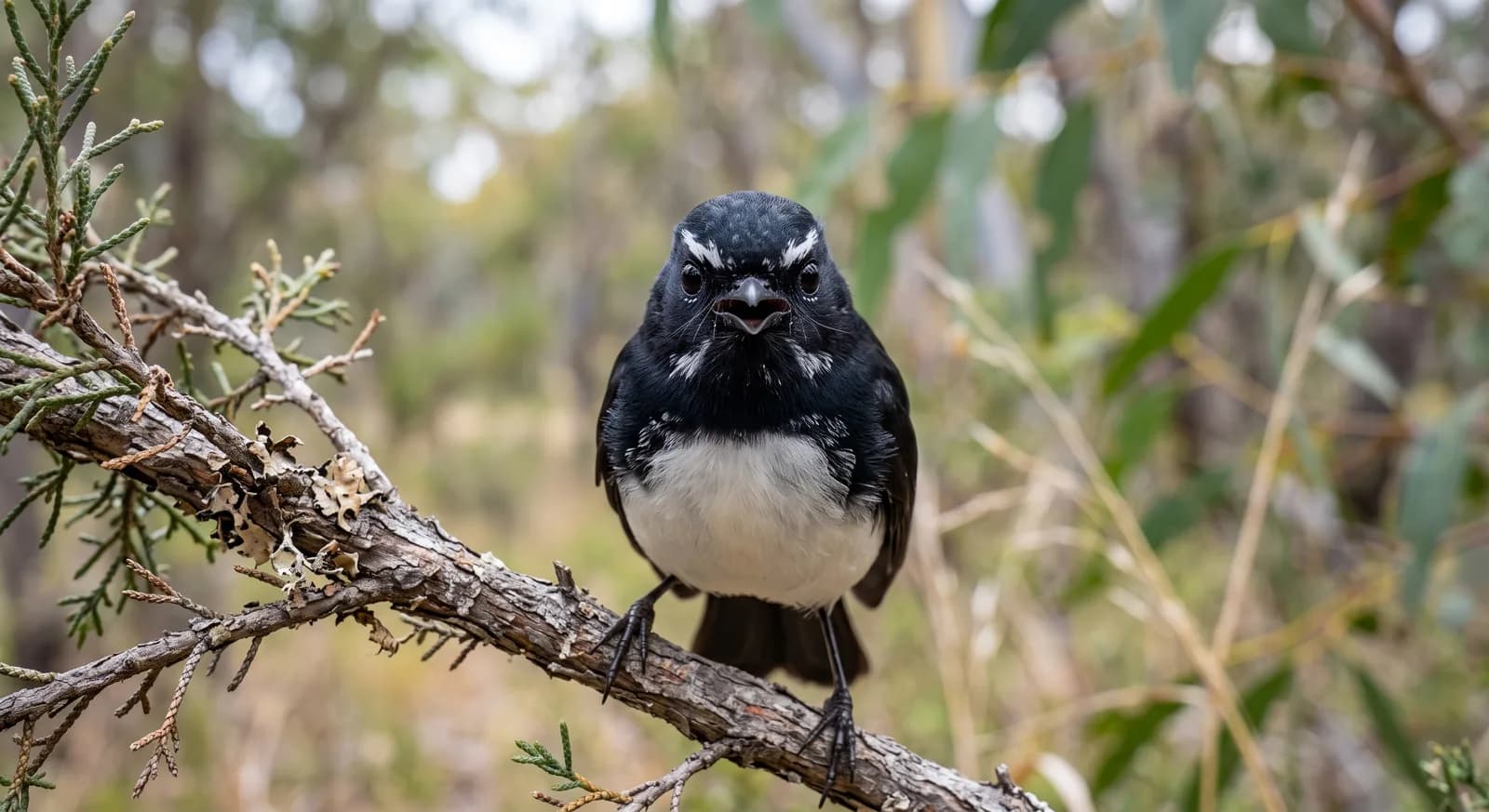
Least ConcernWillie Wagtail
Rhipidura leucophrys
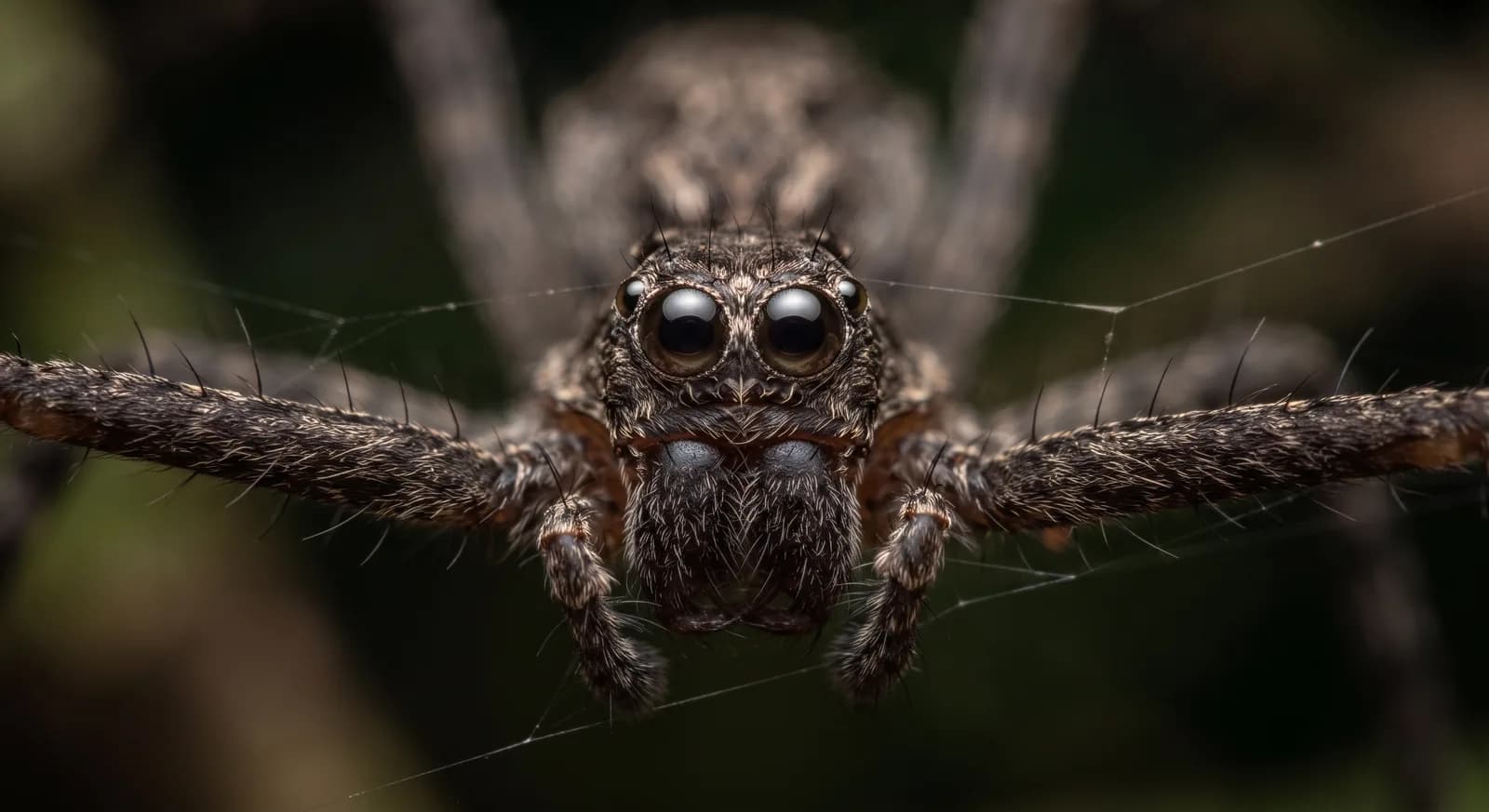
Not EvaluatedOgrefaced Spider
Deinopis spinosa
Least ConcernAntilopine Kangaroo
Osphranter antilopinus
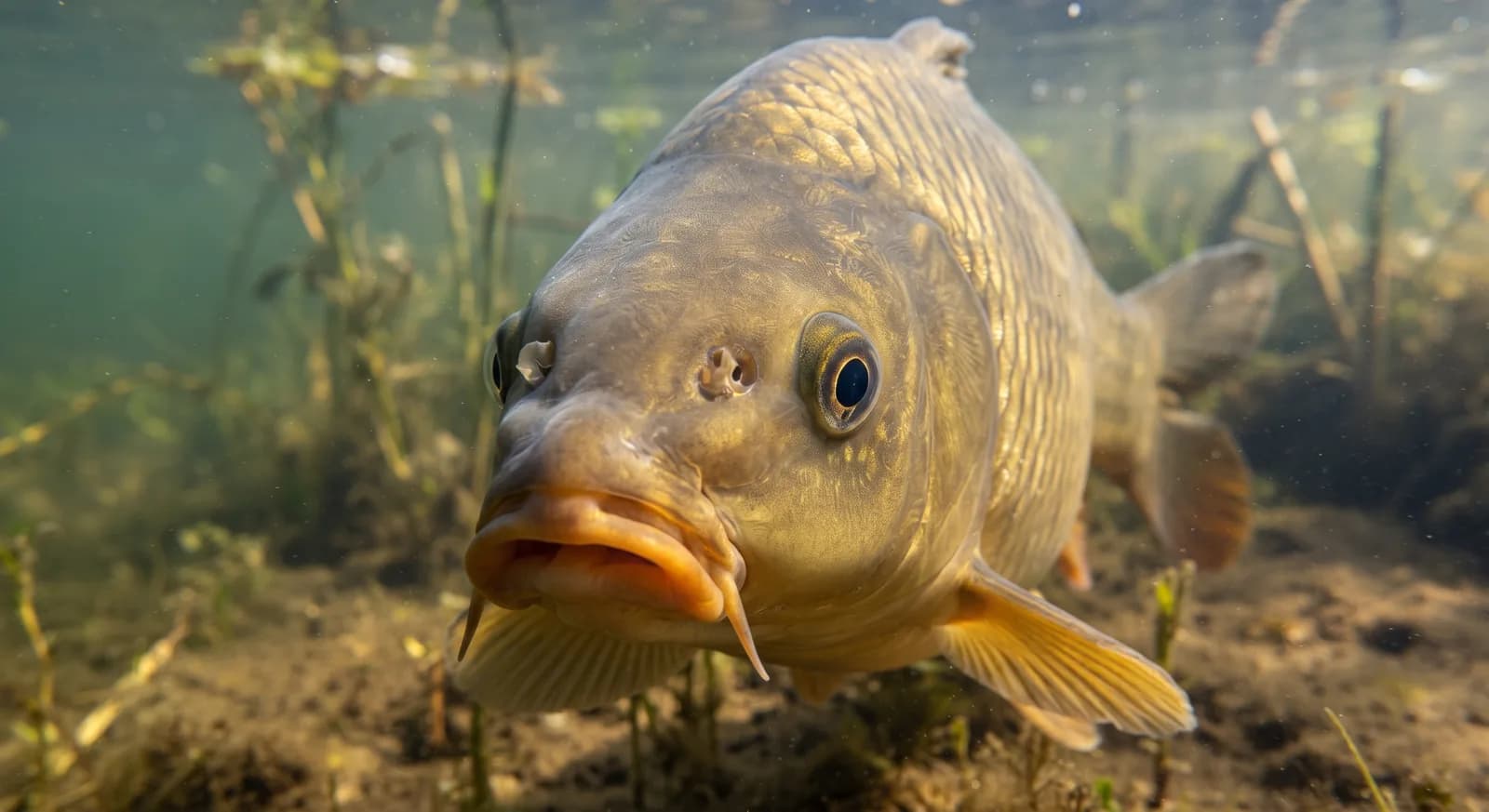
Least ConcernCommon Carp
Cyprinus carpio
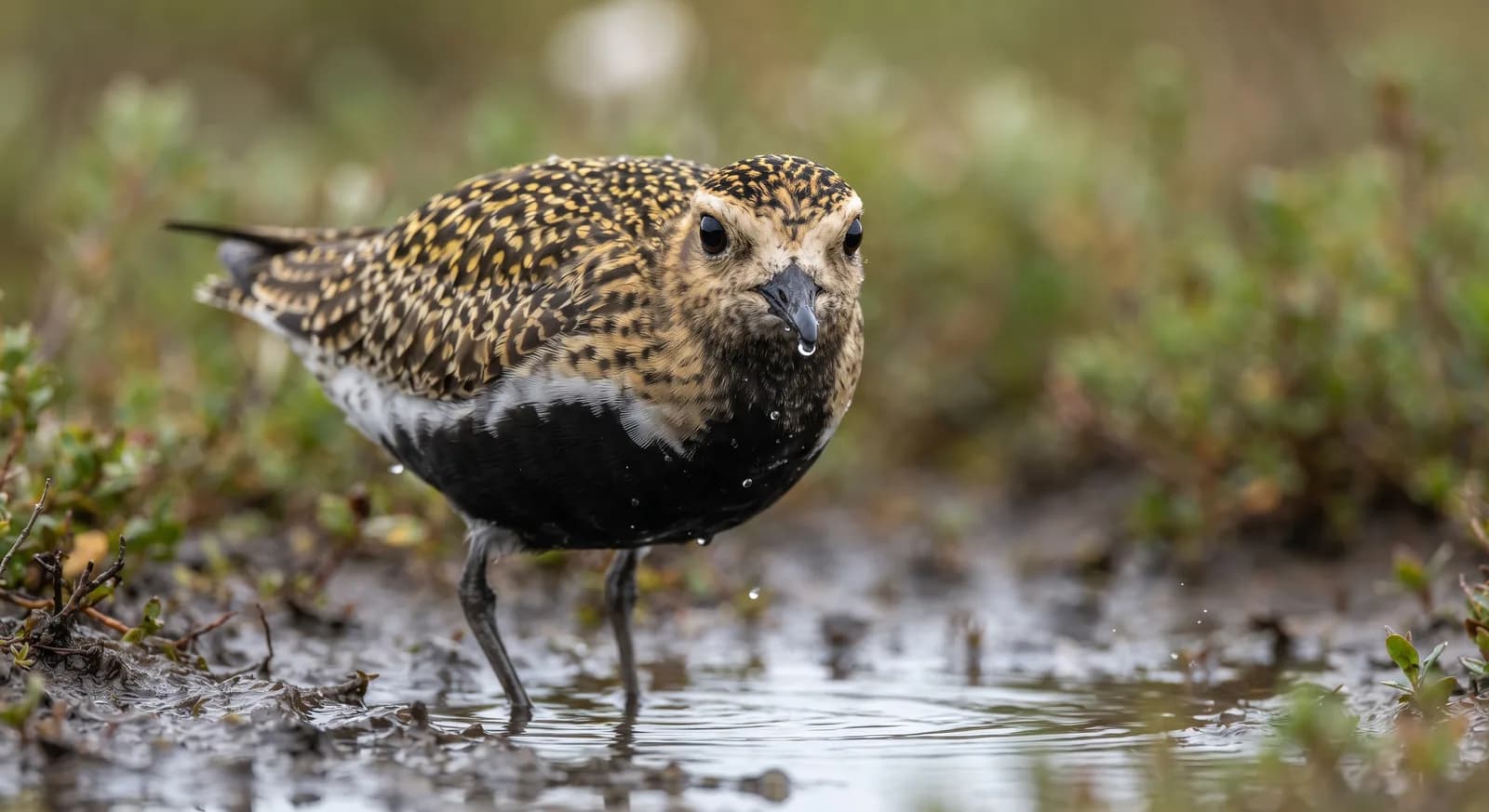
Least ConcernPacific Golden Plover
Pluvialis fulva
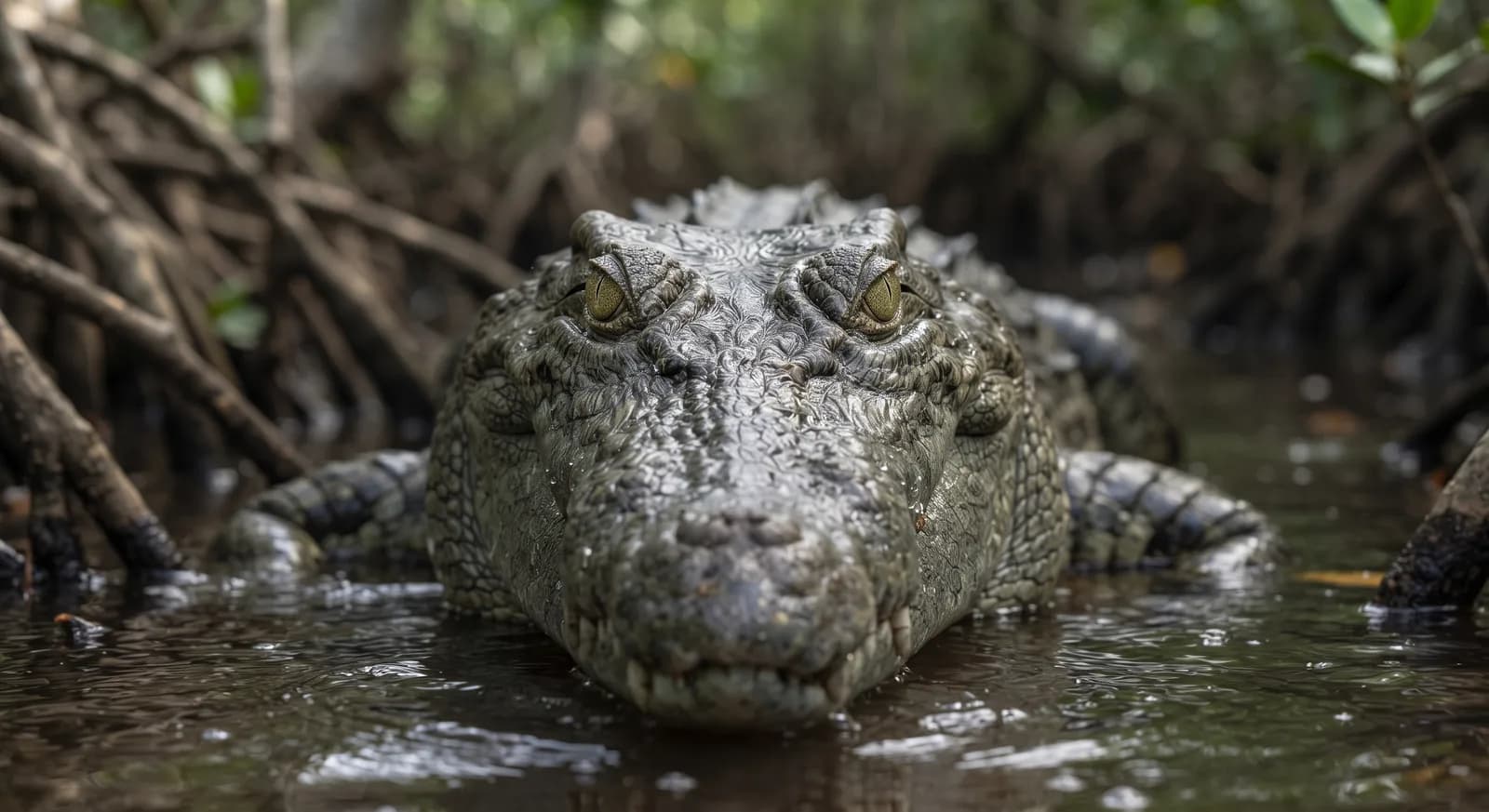
Least ConcernSaltwater Crocodile
Crocodylus porosus
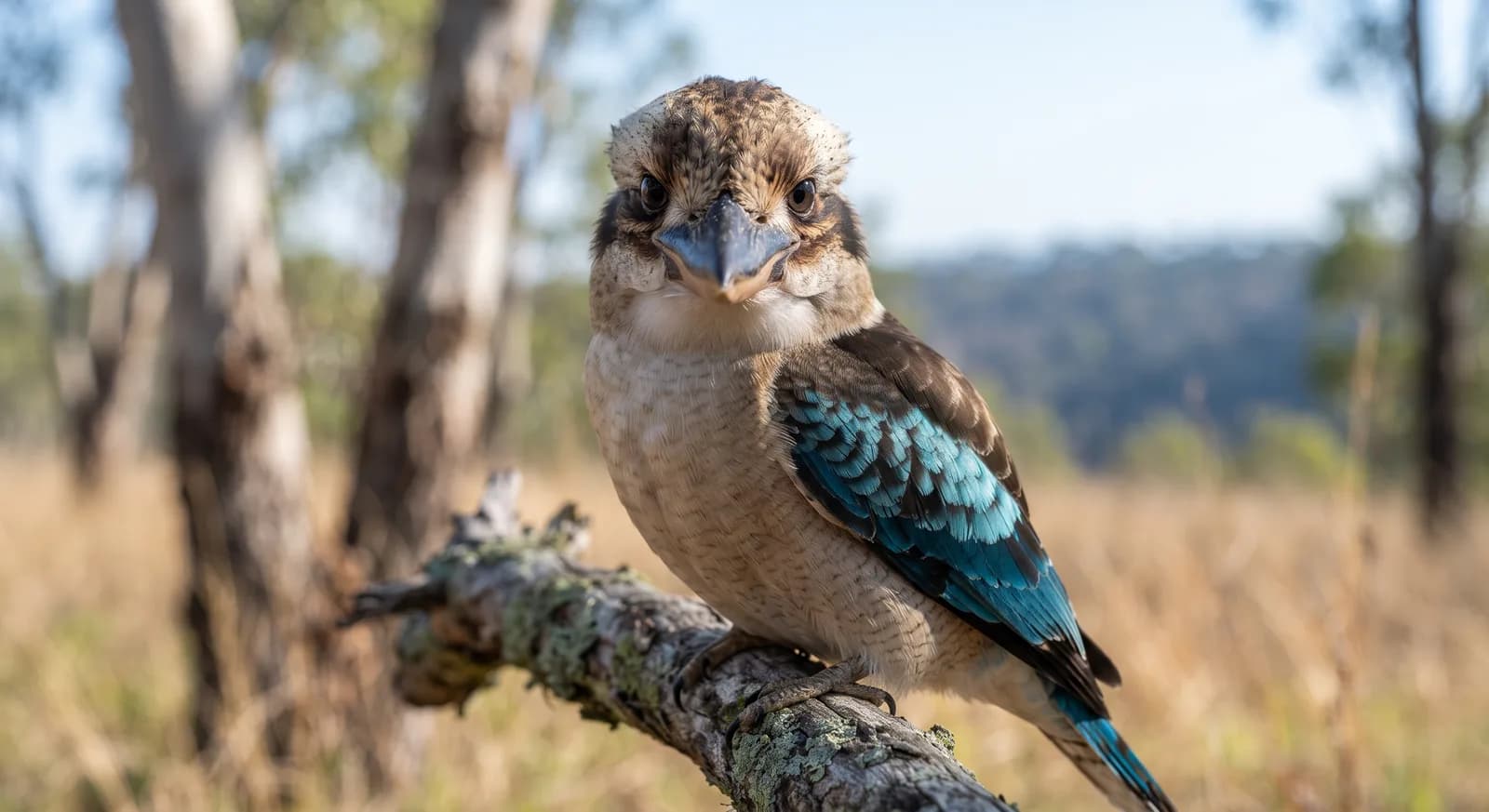
Least ConcernBlue-winged Kookaburra
Dacelo leachii
VulnerableDingo
Canis lupus dingo
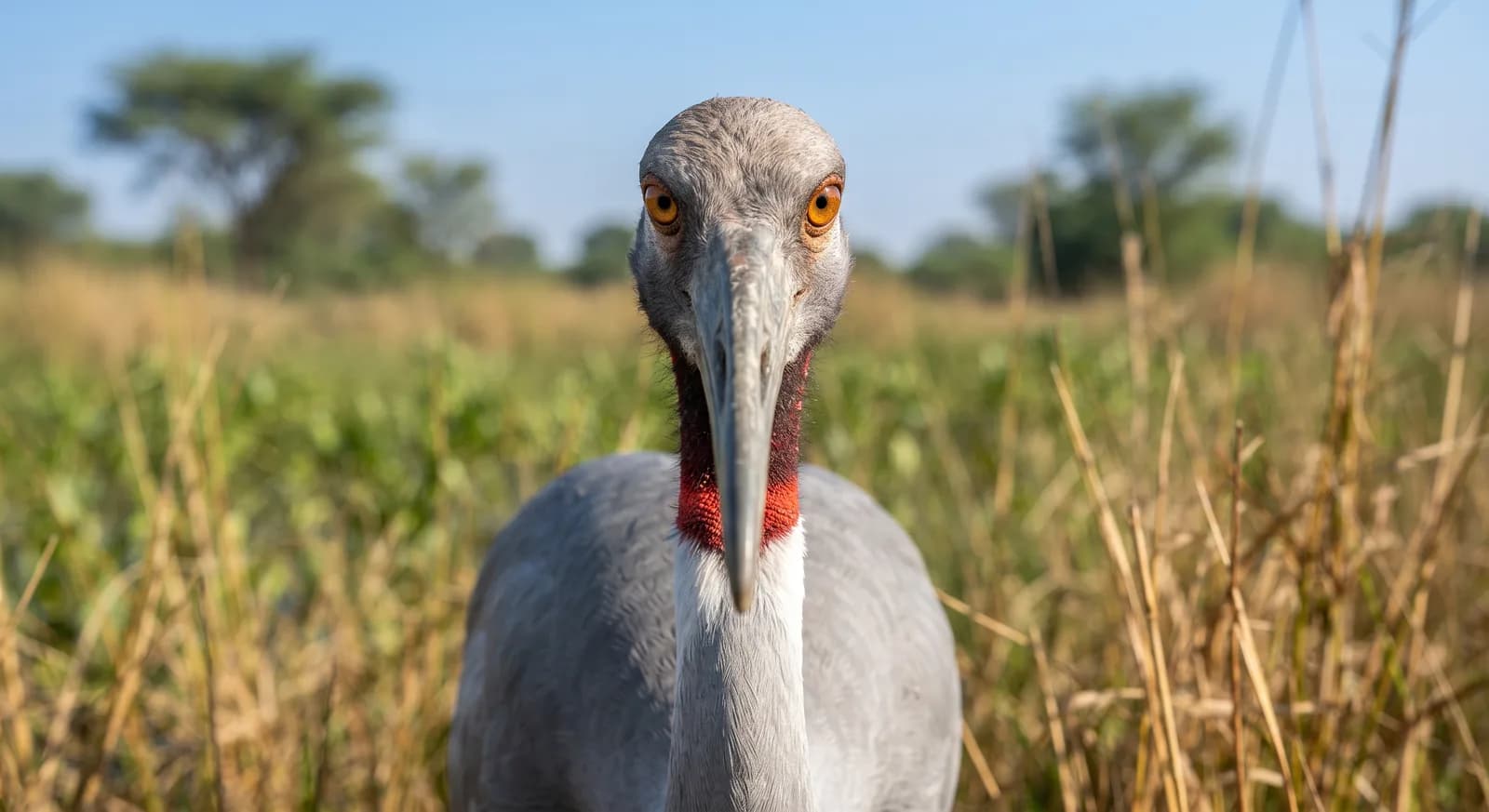
VulnerableSarus Crane
Antigone antigone
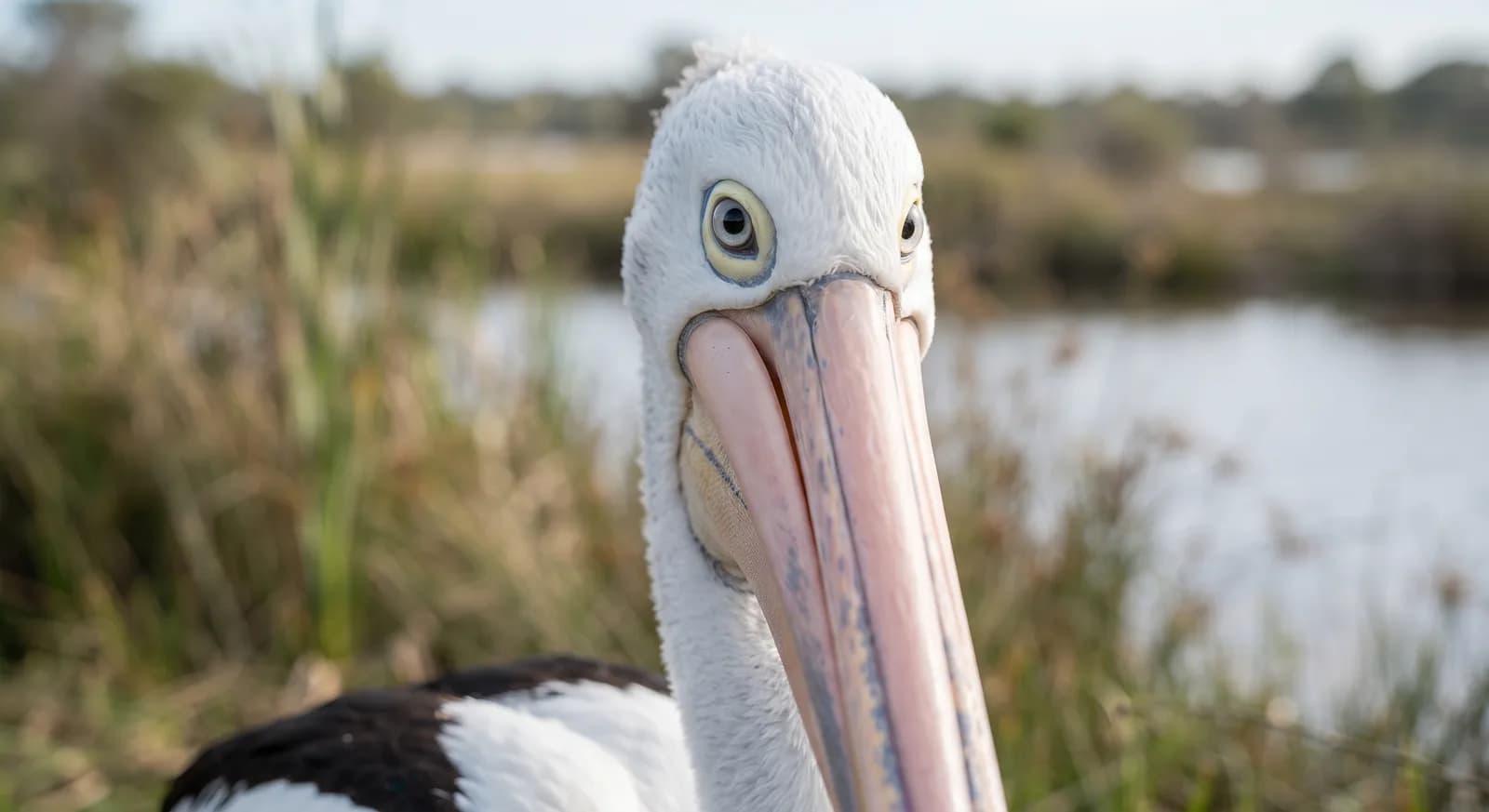
Least ConcernAustralian Pelican
Pelecanus conspicillatus
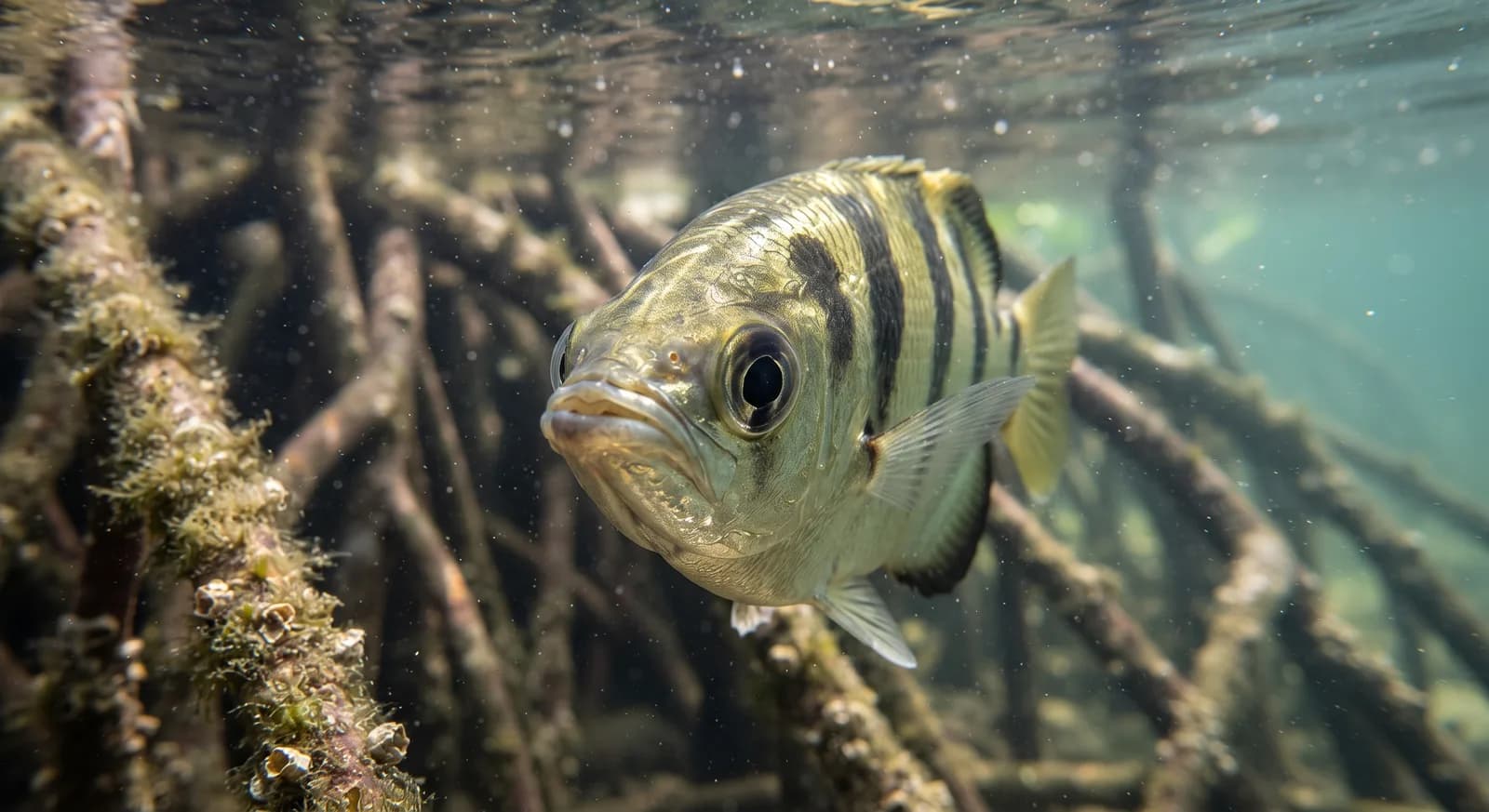
Least ConcernBanded Archerfish
Toxotes jaculatrix
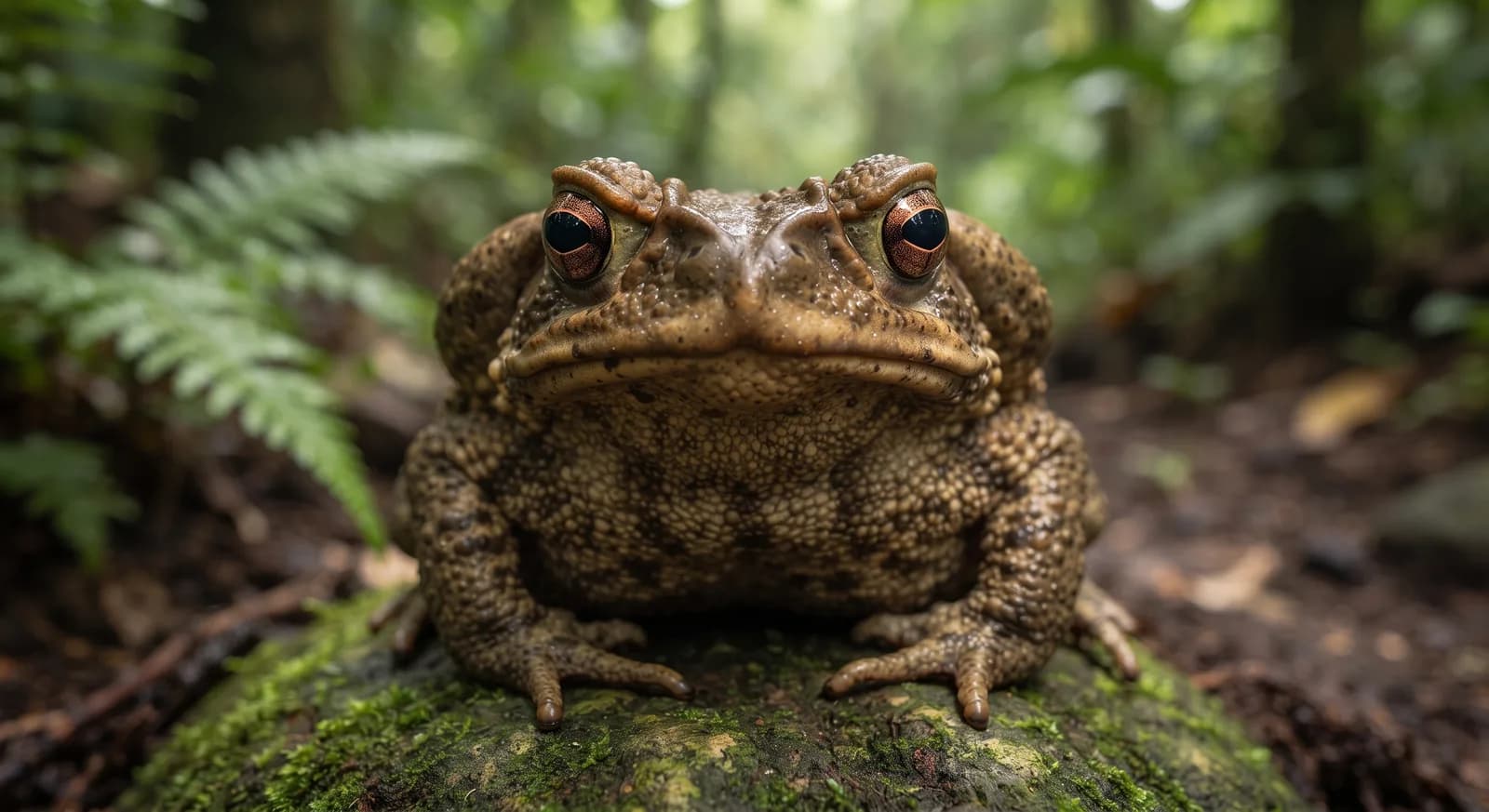
Least ConcernCane Toad
Rhinella marina