Skip to content
WAnimals
  • Map
  • Species
  • Parks
  • Diving
Log inCreate account
WAnimals

The guide for travellers and animal lovers: discover, plan and share your wild adventures around the world.

Discover wildlife

  • Species
  • Ecosystems
  • Glossary
  • Tags

Explore places

  • Map
  • Countries
  • Parks
  • Diving

Plan experiences

  • Guides

Learn

  • Blog

Resources

  • About us
  • How we build our profiles
  • Help centre
  • Contact
  • Install the app

Follow us

Account

  • Log in
  • Create account

© 2026 WAnimals. All rights reserved.

Terms of servicePrivacyCookiesLegal notice
MapSpeciesParksDiving
  1. Home
  2. Species
  3. Pig-Nosed Turtle

One of the 41 turtles and tortoises on WAnimals

Reptiles · Testudines · Carettochelyidae

Pig-Nosed Turtle

Carettochelys insculpta

Endangered

At very high risk of extinction in the wild in the near future.

Spotted something wrong?

The pig-nosed turtle is a cryptodire turtle of the family Carettochelyidae. It is the only species in the genus Carettochelys and the only living member of the family Carettochelyidae. It is found in southern New Guinea and the Northern Territory of Australia. No subspecies are recognised.

Weight

10 kg – 22 kg

Size

45 cm – 70 cm

Life expectancy

40 years

Diet

Omnivore

Combines animal and plant food depending on availability.

Activity

Irregular activity

Active at irregular times, by day or night depending on circumstances.

Social structure

Solitary

Lives and hunts alone, joining others only to breed.

OceanFreshwater
3countries5parks

Fun facts

  • It is the only freshwater turtle in the world with true flippers rather than webbed feet: it swims exactly like a sea turtle despite living in rivers, and it is the last survivor of a family that was once diverse.
  • Its hatchlings wait inside the egg fully developed until rising water triggers them: then they all hatch at once within minutes. If the water does not come, they can hold on for weeks in diapause.
  • It is the most trafficked turtle in Oceania: tens of thousands of hatchlings leave New Guinea every year for the Asian pet trade.

Life cycle and biology

Skeleton type
Vertebrate - internal bony skeleton with a shell (reptile)
Habitat and environment
Rivers, lagoons and estuaries of southern New Guinea and northern Australia
Sexual maturity
18 years
Gestation / incubation
70 days of incubation
Litter / clutch size
20 eggs

Sources consulted: Wikipedia (es): Carettochelys insculpta

Where to find it

Loading map…

The pins mark the parks where its presence is documented.

Where to see it

Parks and dive sites where this species has been documented.

Related species

Other species in the catalogue with the most in common with Pig-Nosed Turtle — same habitat, park, country, tags or family.

Shares a park
Shares a park
Shares a park
Shares a park
Shares a park
Shares a park

How to help

The pig-nosed turtle is classified as endangered. Organisations such as the IUCN, WWF and the Wildlife Conservation Society work specifically on its conservation and that of its habitat; looking into their programmes is a good starting point if you want to get involved.

It's documented in 2 protected areas — one reason why protecting these places matters for its conservation.

Keep exploring

Based on what we already know about pig-nosed turtle.
Share an experience, a fun fact or a tip for seeing the pig-nosed turtle.
See full glossary
This page in other languages: Español · Deutsch · Français · Português · Italiano
See its range on the interactive map→
LorentzIndonesia
KakaduAustralia
Nitmiluk (Katherine Gorge)Australia
LitchfieldAustralia
WasurIndonesia
Data Deficient

Flatback

Natator depressus

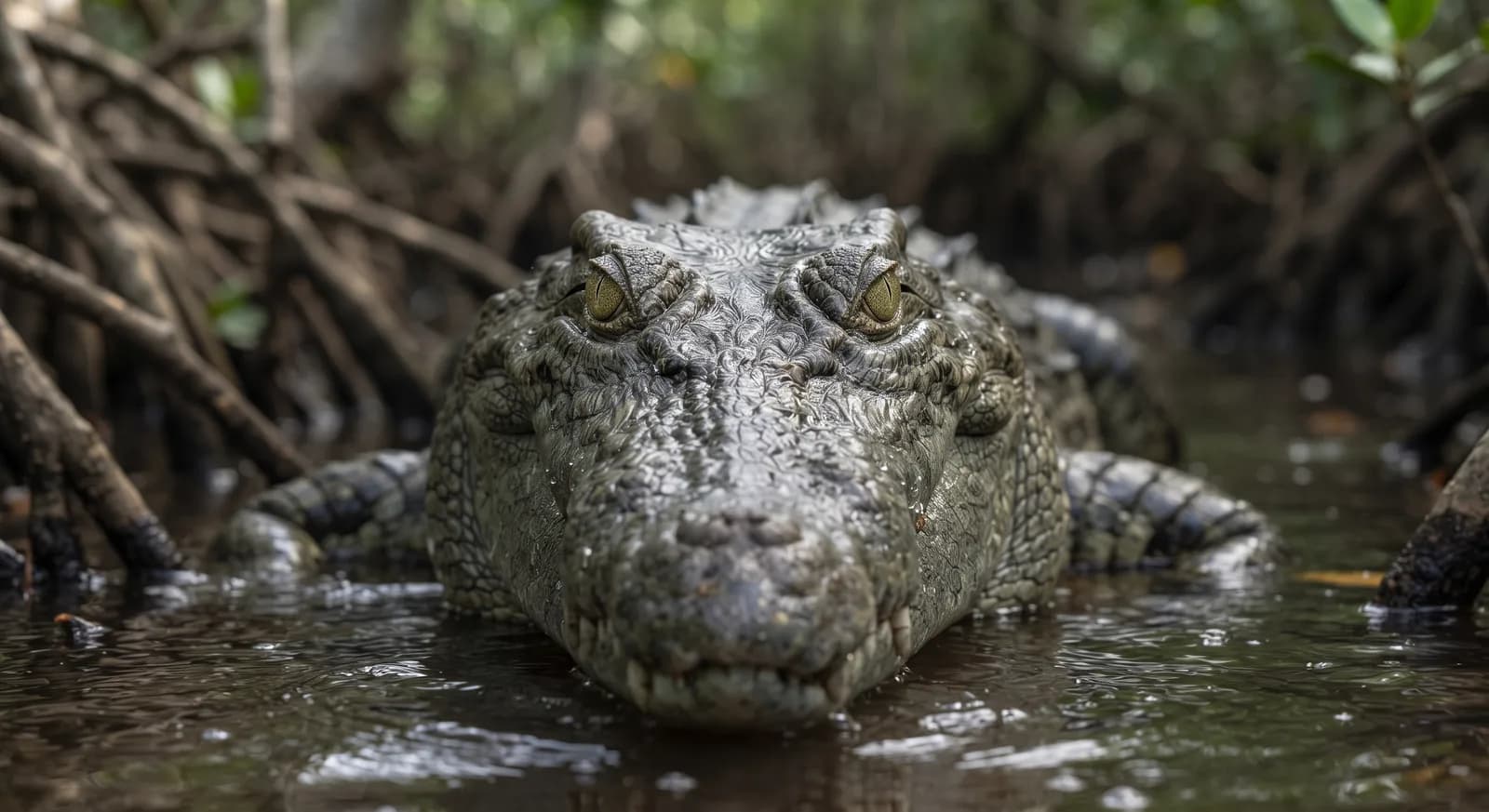
Saltwater CrocodileLeast Concern

Saltwater Crocodile

Crocodylus porosus

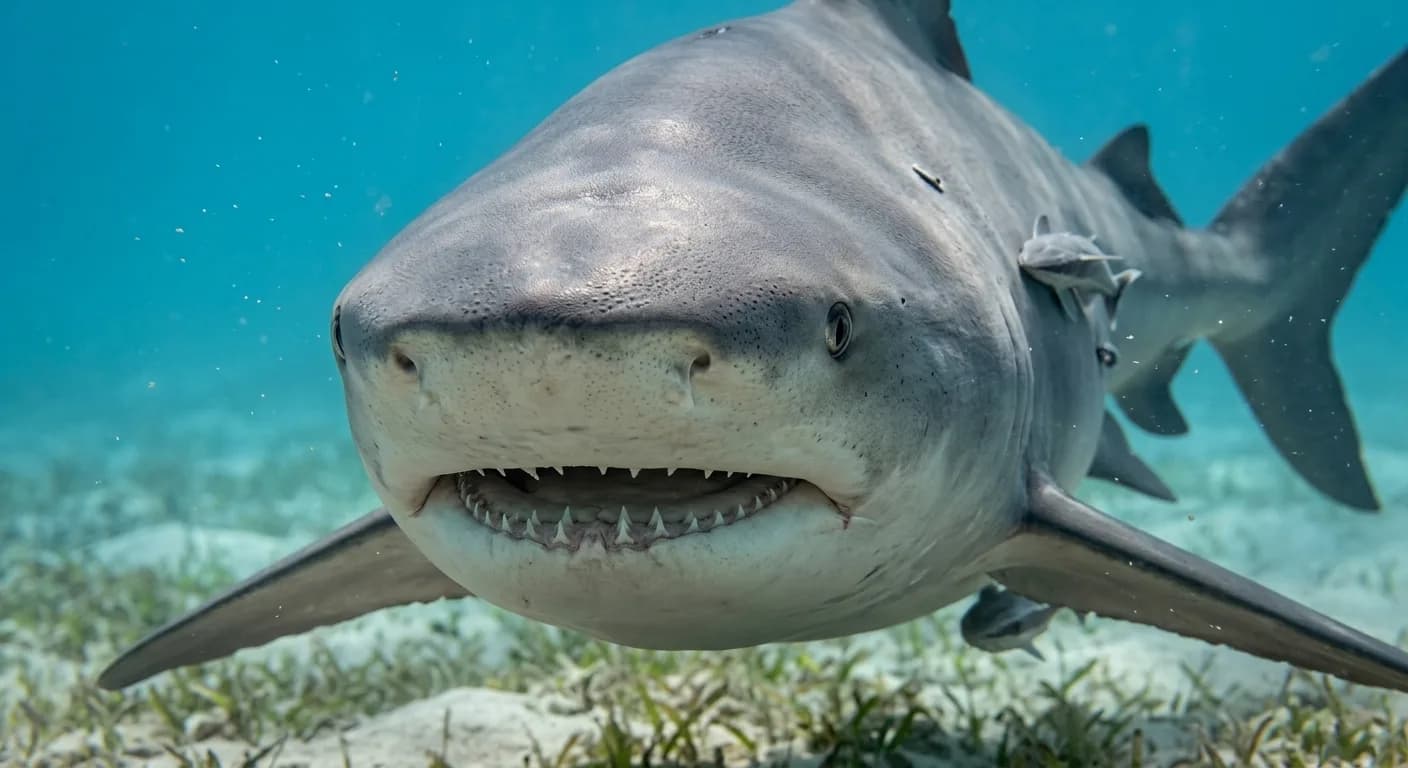
Bull SharkNear Threatened

Bull Shark

Carcharhinus leucas

Least Concern

Freshwater Crocodile

Crocodylus johnstoni

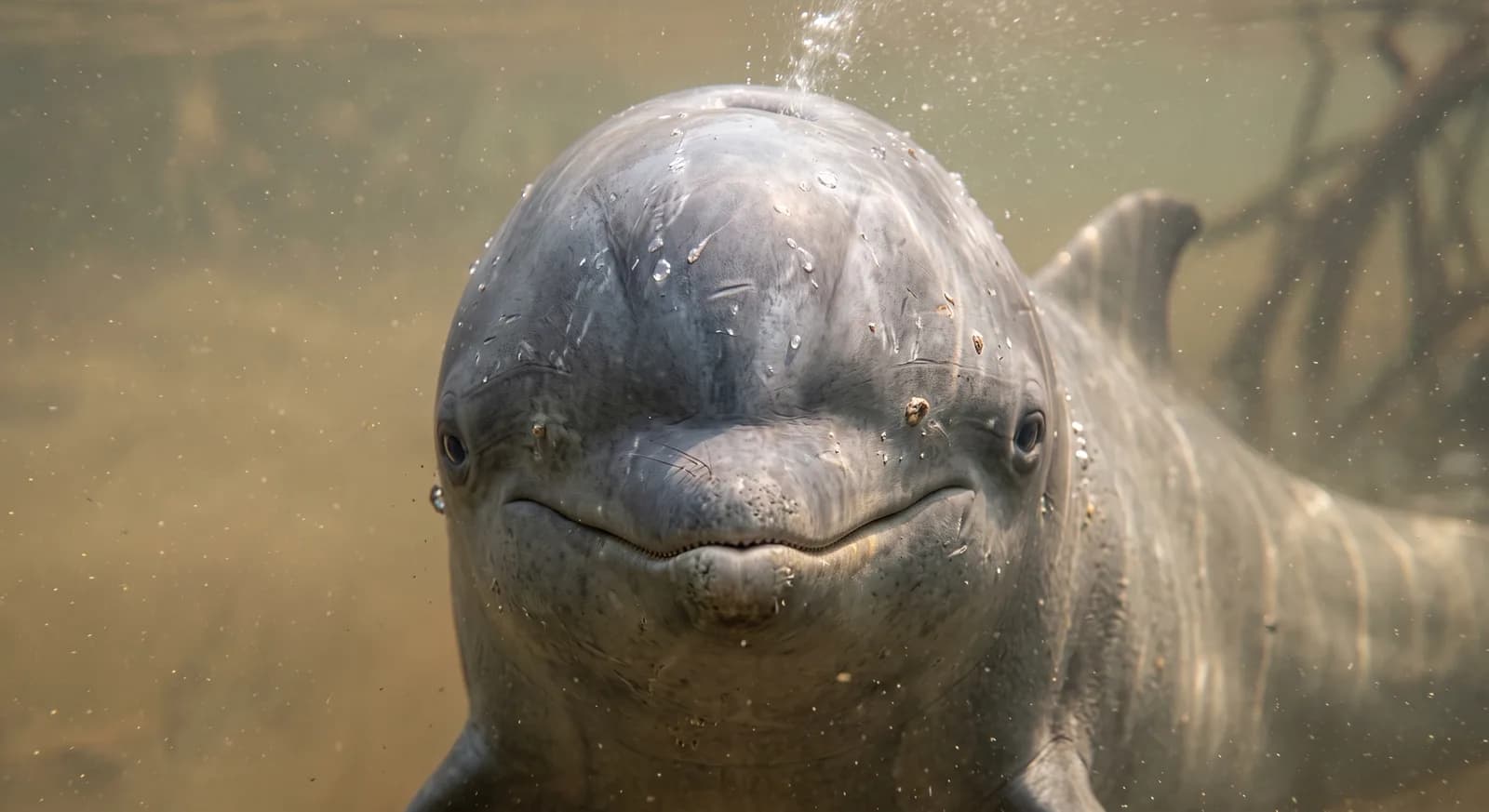
Irrawaddy DolphinEndangered

Irrawaddy Dolphin

Orcaella brevirostris

Least Concern

New Guinea Crocodile

Crocodylus novaeguineae

CountriesAustralia
ParksLorentzIndonesia
TagsOmnivore
Omnivore
Nocturnal
Variable activity
Solitary
Endangered
Reptile
Ocean
Freshwater
Australia
Indonesia
Papua New Guinea