 Critically Endangered
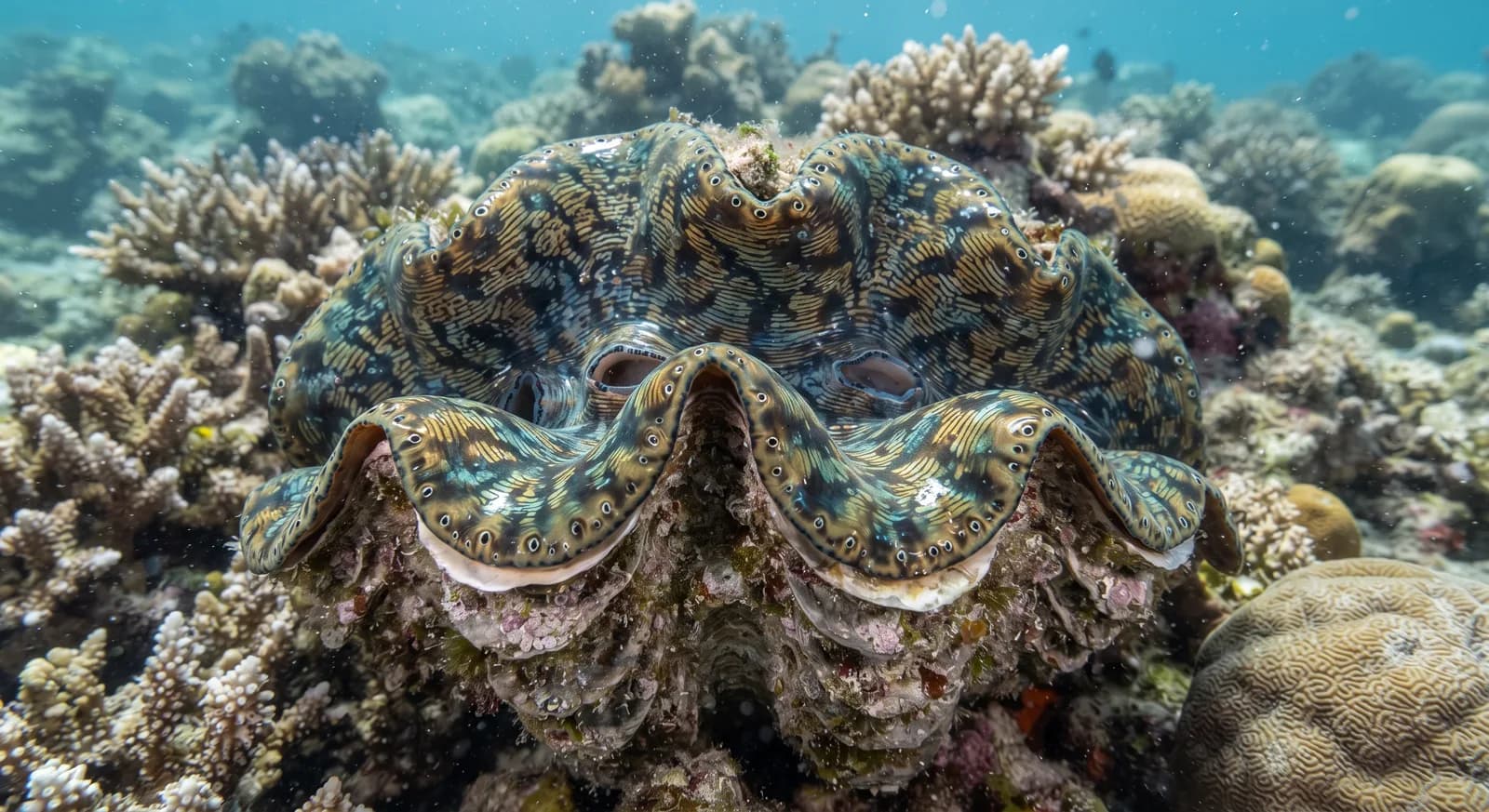
Giant Clam
Tridacna gigas
Asia
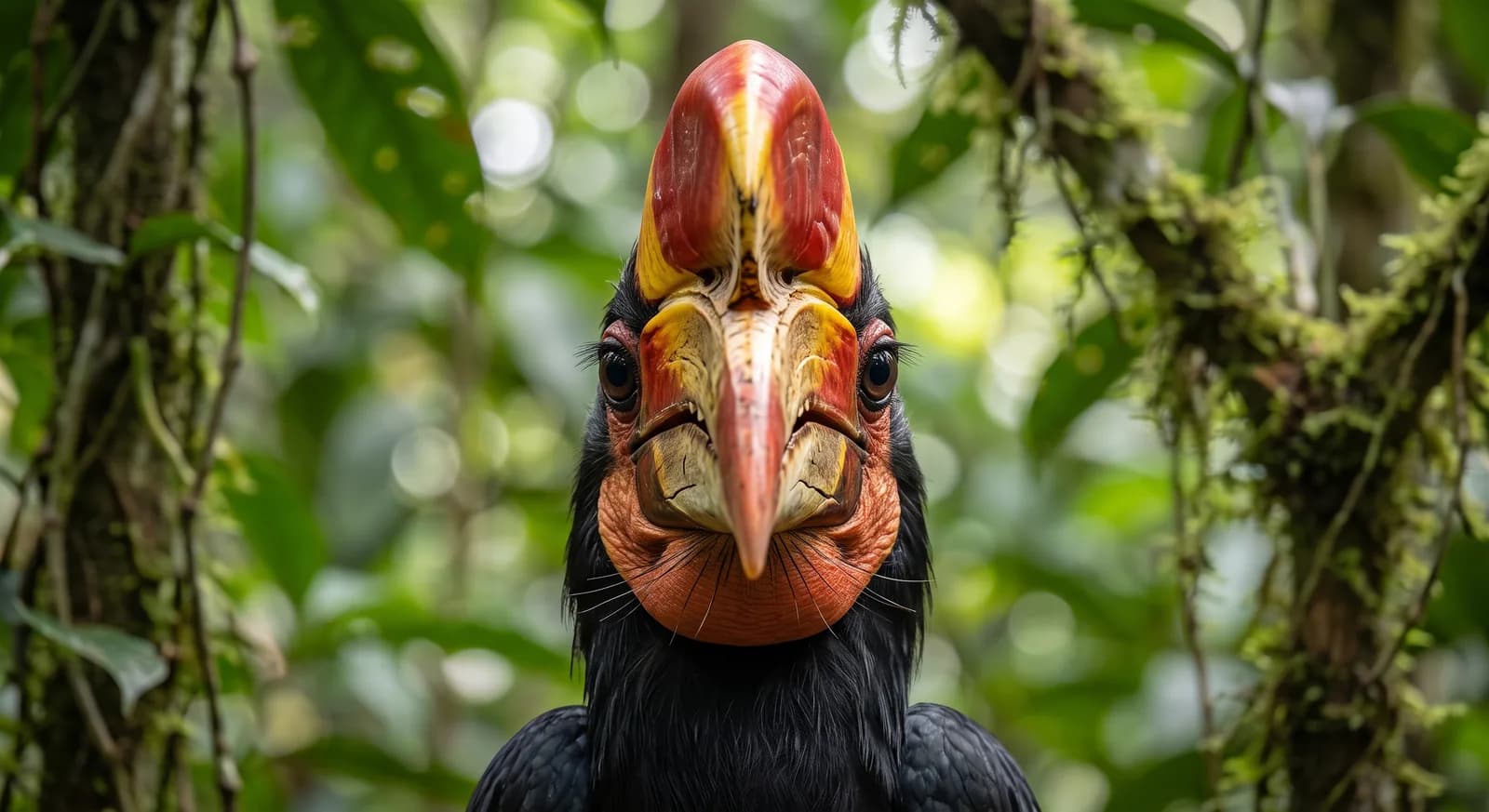
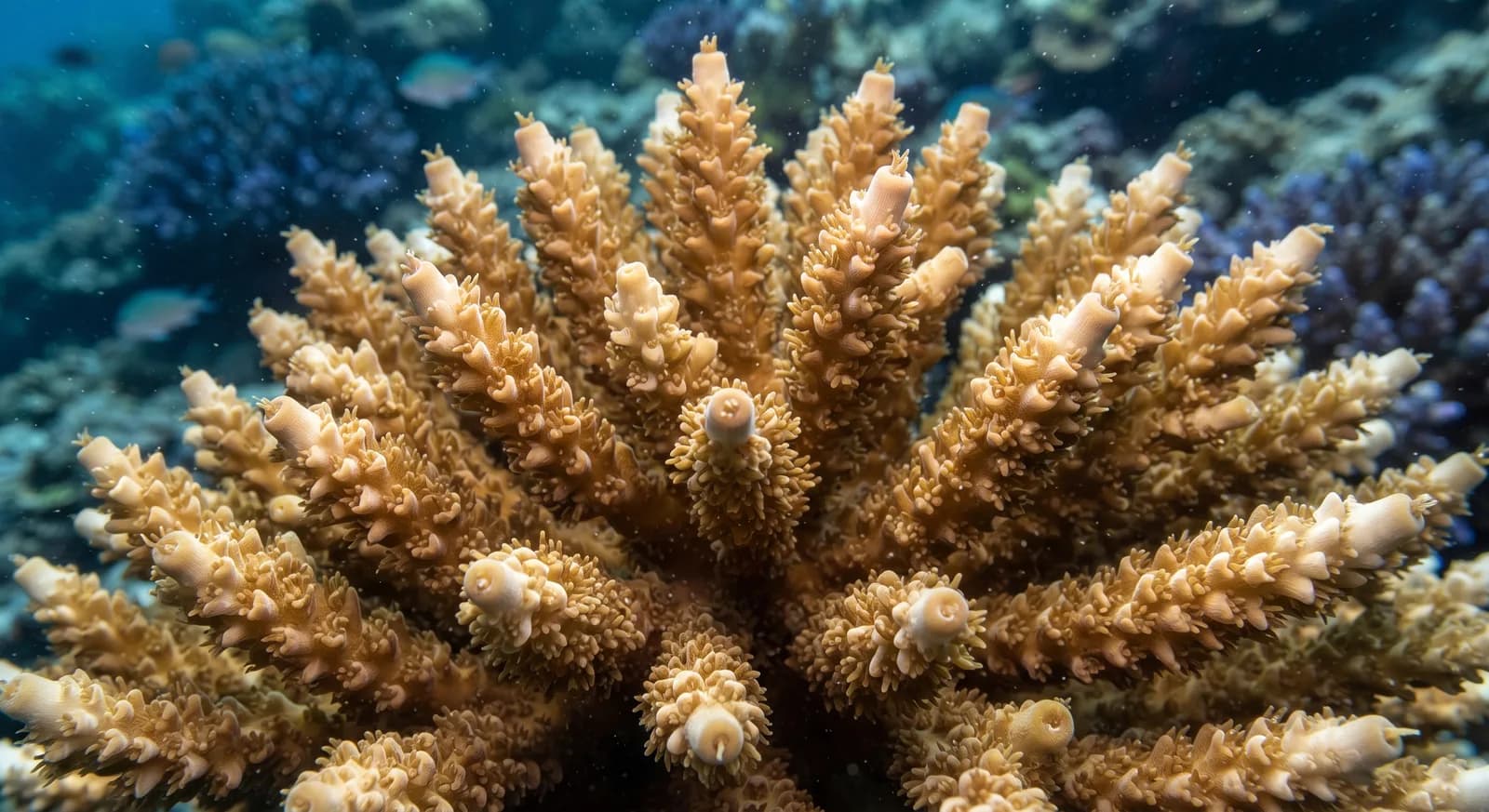
Indonesia is the largest archipelago in the world, with more than seventeen thousand islands spread across five thousand kilometres, and one of the two or three most biodiverse countries on the planet. Its territory is split by the Wallace Line, an invisible biogeographical frontier separating fauna of Asian origin, to the west, from that of Australian origin, to the east, which explains why neighbouring islands hold tigers and orangutans on one side and tree kangaroos and birds of paradise on the other. The country is part of the Coral Triangle, the richest marine region on the planet, and more coral species have been counted in Raja Ampat than anywhere else. Its active volcanoes, more than one hundred and thirty of them, constantly renew soils and landscapes.
National animal: The Komodo dragon, the national animal; the garuda, a mythical bird, is the emblem of the state
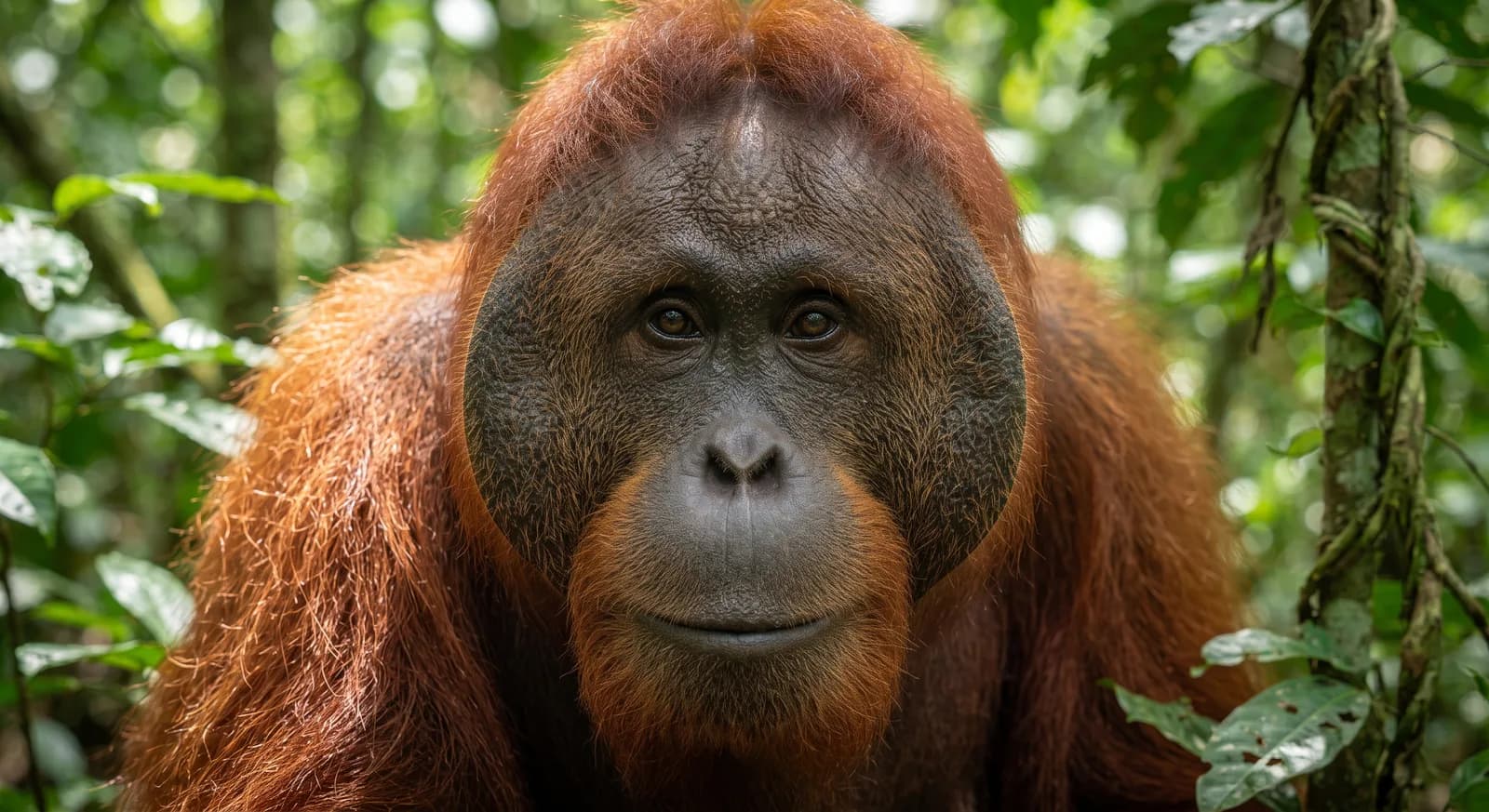
The Tapanuli orangutan was described in 2017, the first new great ape species identified in almost a century. It lives in a single block of forest in northern Sumatra, numbers fewer than eight hundred individuals and is therefore the rarest great ape in the world. It differs from its relatives in its coat, the shape of its skull and, above all, the long high-pitched call given by the males.
The Javan rhinoceros survives only in Ujung Kulon, with a few dozen animals in a single park, which leaves it extremely vulnerable to an eruption or an epidemic. Peatland fires set to clear land for palm plantations are the country's largest cause of habitat destruction.
Komodo between April and June for the dragons. Raja Ampat between October and April for reefs and mantas. Tanjung Puting and Leuser year-round for orangutans.
Where else might I want to travel?
Same region: South-East Asia
Same region: South-East Asia
Same region: South-East Asia
Same region: South-East Asia
339 species found
Based on what we already know about Indonesia.