Skip to content
WAnimals
  • Map
  • Species
  • Parks
  • Diving
Log inCreate account
WAnimals

The guide for travellers and animal lovers: discover, plan and share your wild adventures around the world.

Discover wildlife

  • Species
  • Ecosystems
  • Glossary
  • Tags

Explore places

  • Map
  • Countries
  • Parks
  • Diving

Plan experiences

  • Guides

Learn

  • Blog

Resources

  • Help centre
  • Contact
  • Install the app

Follow us

Account

  • Log in
  • Create account

© 2026 WAnimals. All rights reserved.

About usHow we build our profilesTerms of servicePrivacyLegal notice
MapSpeciesParksDiving
  1. Home
  2. countries
  3. Indonesia

Indonesia

Asia

Capital: JakartaApril to October

339

Documented species

20

Parks and reserves

42

Dive sites

Indonesia is the largest archipelago in the world, with more than seventeen thousand islands spread across five thousand kilometres, and one of the two or three most biodiverse countries on the planet. Its territory is split by the Wallace Line, an invisible biogeographical frontier separating fauna of Asian origin, to the west, from that of Australian origin, to the east, which explains why neighbouring islands hold tigers and orangutans on one side and tree kangaroos and birds of paradise on the other. The country is part of the Coral Triangle, the richest marine region on the planet, and more coral species have been counted in Raja Ampat than anywhere else. Its active volcanoes, more than one hundred and thirty of them, constantly renew soils and landscapes.

Nature in Indonesia

National animal: The Komodo dragon, the national animal; the garuda, a mythical bird, is the emblem of the state

Did you know?

The Tapanuli orangutan was described in 2017, the first new great ape species identified in almost a century. It lives in a single block of forest in northern Sumatra, numbers fewer than eight hundred individuals and is therefore the rarest great ape in the world. It differs from its relatives in its coat, the shape of its skull and, above all, the long high-pitched call given by the males.

Biodiversity profile

Conservation

The Javan rhinoceros survives only in Ujung Kulon, with a few dozen animals in a single park, which leaves it extremely vulnerable to an eruption or an epidemic. Peatland fires set to clear land for palm plantations are the country's largest cause of habitat destruction.

Where and when to watch wildlife

Komodo between April and June for the dragons. Raja Ampat between October and April for reefs and mantas. Tanjung Puting and Leuser year-round for orangutans.

Natural phenomena in Indonesia

  • Komodo dragon mating season — May to August

Parks and reserves

National Park

Bukit Barisan Selatan

One of the three parks that make up the Tropical Rainforest Heritage of Sumatra, on the List of World Heritage in Danger since 2011.

See park
National Park

Gunung Leuser

One of the last places on the planet where the Sumatran orangutan, tiger, rhino and elephant still live side by side

See park
National Park

Kerinci Seblat

The largest national park in Sumatra; it holds Indonesia's highest active volcano

See park
National Park

Komodo

The archipelago that gives its name to, and is the only home of, the largest living lizard on the planet.

See park
National Park

Lorentz

The largest national park in South-East Asia; the only place on the planet with permanent equatorial snow beside rainforest

See park
National Park

Ujung Kulon

The last refuge of the Javan rhinoceros, with fewer than 80 animals left on the planet, all of them in this one park

See park
National Park

Alas Purwo

Java's "first forest", where legend says the land rose from the ocean, with mangroves, savannah and the G-Land wave.

See park
National Park

Baluran

Java's "Africa": open savannah at the foot of a volcano, an oddity on an island of tropical forest.

See park
National Park

Bunaken

Vertical coral walls off Manado, one of Indonesia's first marine parks.

See park
National Park

Gunung Rinjani

Indonesia's second-highest volcano, with a caldera lake and an active cone inside it.

See park
National Park

Karimunjawa

A Java Sea archipelago with reefs, mangroves and lowland tropical forest.

See park
National Park

Lore Lindu

The largest montane rainforest left on Sulawesi, a biosphere reserve since the 1970s and scattered with megaliths.

See park
National Park

Wakatobi

One of Indonesia's largest marine parks, with 39 islands and five atolls in the Coral Triangle.

See park
National Park

Way Kambas

Sumatra's first elephant training centre, for patrol and conservation work

See park
National Park

Bali Barat

Bali's only national park, the last wild refuge of the Bali myna, one of the most endangered birds in the world.

See park
National Park

Bogani Nani Wartabone

The most important site for the conservation of Sulawesi's wildlife, according to the Wildlife Conservation Society.

See park
National Park

Bromo Tengger Semeru

Mount Semeru is the highest volcano in Java and one of the most active in Indonesia, erupting almost continuously for decades

See park
National Park

Manusela

The mountainous heart of Seram, in the Moluccas, with Mount Binaiya and fourteen endemic birds.

See park
National Park

Tanjung Puting

Home of Camp Leakey, founded in 1971 by the primatologist Biruté Galdikas, a protégée of the same mentor who launched Jane Goodall and Dian Fossey

See park
National Park

Wasur

The "Serengeti of Papua": savannahs and seasonal wetlands at the south-eastern tip of Indonesian New Guinea.

See park

Diving and snorkelling

Reef/Pelagic

Komodo National Park

The park combines two very different regimes: the north, warm and with high visibility, and the south, colder through upwelling and with an explosion of soft coral. The landmark sites are Castle Rock and Crystal Rock (pinnacles with pelagic action), Batu Bolong (iconic biodiversity), Manta Alley and Karang Makassar (manta cleaning), The Cauldron — also called Shotgun — for drift diving, Cannibal Rock in Horseshoe Bay south of Rinca, and Pillarsteen, a vertical limestone cliff on the south-west of Komodo riddled with swim-throughs and caverns.

See dive site
Coastal pelagic

Cenderawasih Bay (whale shark)

The only place in the world with a resident whale shark population all year round. The animals come to the bagan, floating fishing platforms, to feed on the small fish trapped in the nets suspended beneath. The encounter happens in a few metres of crystal-clear water, with the sharks circling the platform quite unbothered by the bubbles.

See dive site
Pinnacle/Cleaning station

Blue Magic (Raja Ampat)

A seamount rising from deep water to form a shallow reef top — the crest sits at around 10 m — before falling away in a steep slope towards the blue. It is a compact but extremely dense reef: the nutrient-laden currents make it a gathering point, and along its edges are cleaning stations to which the manta rays return regularly.

See dive site
Wall

Bunaken Marine Park

Wall diving in its purest form: vertical drops that begin at 2 m and disappear beyond 40, with dense hard coral cover. The typical plan is a multilevel dive spending the whole tank on a single stretch of wall. The park takes in five islands: Bunaken, Manado Tua, Mantehage, Nain and Siladen.

See dive site
Sloping reef

Cape Kri

A submerged ridge running out from the eastern tip of Kri island, right in the middle of the Dampier Strait. It is the best-known site in Raja Ampat and holds one of the greatest densities of large fish in the north of the archipelago. Working depth is usually around 15 m along the wall and about 8 m on the spine of the ridge.

See dive site
Bommie reef

Kri Island (Raja Ampat)

A living reef beginning some 6 m below the surface, with large table coral formations under which the wobbegongs rest and huge sea fans in which to look for pygmy seahorses. Sorido Wall, on the same island, is reckoned one of the best soft coral walls in the area.

See dive site
Cleaning station

Manta Ridge (Arborek)

A manta ray cleaning station on the ridge off Arborek. Together with Manta Sandy — shallower, between 5 and 8 m, and workable even on a breath-hold — it forms the most reliable pairing for manta encounters in the Coral Triangle. At Manta Sandy the protocol is to sit still on a patch of sand while the mantas let themselves be cleaned overhead; the encounters last between 15 and 30 minutes.

See dive site
Wall

Menjangan Island (Bali Barat)

An island within West Bali National Park, with coral walls and very good visibility. Eels Garden is one of its best-known sites.

See dive site
Pinnacle / Soft coral reef

Misool (Boo Windows and Magic Mountain)

Misool is the least visited of Raja Ampat's four main islands and holds some of the richest reefs in the Coral Triangle. Boo Windows takes its name from two openings in the rock that pierce the pinnacle and frame the blue. Magic Mountain is a seamount with a plateau at around 15 m that works as a manta cleaning station and is spectacular even when they fail to show. The Fiabacet area completes the classic trio.

See dive site
Reef/Wall

Raja Ampat

The epicentre of the Coral Triangle and the greatest marine biodiversity known on the planet: around 75% of all described coral species and more than 1,500 species of fish. The Bird's Head Seascape that contains it covers more than 4.5 million hectares of reef, mangrove and island. Water temperature runs at 27-30 °C, with occasional thermoclines of 22 °C at the deep sites in the south.

See dive site
Reef/Wall

Wakatobi National Park

Indonesia's third-largest national park, between the Banda Sea and the Flores Sea. The name is an acronym of its four main islands: Wangi-Wangi, Kaledupa, Tomia and Binongko. The archipelago brings together all three reef types — fringing, barrier and atoll — in a single destination, which is why its appeal is not one particular animal but structural variety.

See dive site
Wall/Current

Alor Archipelago

A remote region of eastern Indonesia with some of the most colourful soft corals in the world.

See dive site
Muck diving

Ambon (Twilight Zone)

Laha, the flagship site also known as the Twilight Zone, is dived over sand and volcanic rubble inside the harbour. From the surface the place promises nothing; below it holds a density of rare macro life comparable to Lembeh's. The bay combines a nutrient supply with small sheltered coves, and that mixture sustains the ecosystem.

See dive site
Sloping reef

Amed and Jemeluk Bay

A former fishing village on the east coast of Bali with sloping reefs ideal for macro photography.

See dive site
Coral reef

Bali (Nusa Dua)

A tourist area in southern Bali with accessible reefs, an alternative to the island's more remote sites.

See dive site
Granite rocky reef

Bangka Belitung

Java Sea islands famous for underwater granite formations much like those of the Seychelles.

See dive site
Sloping reef

Bunutan

An uncrowded part of Amed, with gently sloping reefs ideal for courses and relaxed diving.

See dive site
Reef/Wreck

Gili Trawangan

A trio of islands off Lombok with accessible reefs and a pioneering coral restoration project using Biorock structures.

See dive site
Muck diving/Reef

Halmahera (walking sharks)

A remote Coral Triangle island home to the walking shark, an endemic species that walks along the bottom on its fins.

See dive site
Coral lagoon

Anambas Islands

A remote archipelago described by CNN as one of the most beautiful island groups in Asia, with all but pristine reefs.

See dive site
Volcanic wall

Banda Islands

An inner arc of volcanoes with steep drop-offs and sloping reefs covered in hard coral, huge sea fans and giant sponges. The seamounts and volcanic islands push nutrient-rich water up from the depths. The most reliable sites for hammerheads are Ameth on Nusa Laut, Serua, Nil Desperandum and Manuk.

See dive site
Reef/Endemic species

Banggai Islands

The only natural habitat of the Banggai cardinalfish, an endemic species very popular in the world aquarium trade.

See dive site
Reef/Wreck

Batam Islands

An industrial island near Singapore with barge and freighter wrecks reachable on short trips.

See dive site
Jellyfish lake/Reef

Derawan Islands (Kakaban / Sangalaki)

An archipelago of 31 islands, only two of them inhabited. Its coral diversity is the second highest in Indonesia after Raja Ampat — more than 460 coral species and 870 of fish — with a fraction of the divers. Each island has its part to play: Sangalaki for the manta rays and turtle nesting, Maratua for schooling fish, Derawan for macro life and turtles, and Kakaban for the lake and the outer wall.

See dive site
Reef/Wreck

Riau Islands (Bintan)

An archipelago near Singapore with reefs and wrecks reachable on a weekend from the city state.

See dive site
Reef of the 17 islands

Riung Islands (Flores)

A marine park of 17 islets off the north coast of Flores, with coral reefs barely touched by tourism.

See dive site
Turtle nesting reef

Sangalaki Islands

One of the largest green turtle nesting concentrations in South-East Asia, in the Derawan archipelago.

See dive site
Coral wall

Wakatobi Islands (Hoga)

An island within Wakatobi park with international marine research stations and pristine reefs.

See dive site
Remote reef

Widi Islands

An archipelago recently promoted as a luxury diving destination, with more than 100 uninhabited islets.

See dive site
Wall/Reef

Kalimantan (Maratua)

A raised atoll next to Derawan with pristine coral walls and nutrient-rich currents.

See dive site
Coral reef

Karimunjawa

A little-known archipelago in the Java Sea, with all but pristine coral reefs.

See dive site
Urban reef

Kepulauan Seribu

The Thousand Islands archipelago near Jakarta, with urban reefs recovering from pollution.

See dive site
Sandy bottom (muck diving)

Lembeh Strait

The strait is the opposite of Bunaken: shallow, silty, slow and extraordinary. Muck diving means moving slowly over bottoms of volcanic sand, silt or rubble looking for small, camouflaged or rare animals, rarely below 25 m. For macro photographers there is nothing to match it anywhere in the world.

See dive site
Reef/Pelagic

Morotai (shark diving)

A remote island in North Maluku with reliable shark sightings without baiting, in historic Second World War waters.

See dive site
Reef/Pelagic

Nusa Lembongan

An island next to Nusa Penida with the same mola mola and manta ray sites but easier accommodation.

See dive site
Pinnacle/Pelagic

Nusa Penida (Manta Point / Crystal Bay)

Manta Point is a reef manta cleaning station reliable all year round. Crystal Bay works differently: cold water rising from the channel draws the sunfish in season, and those same thermoclines make the dive demanding despite its modest depth.

See dive site
Bay reef

Padang Bai (Blue Lagoon)

A sheltered bay used as a base for trips to Nusa Penida and Tulamben. The Padang Bai jetty, built in 2009 and never used for its intended purpose, has become one of the best macro sites in Bali.

See dive site
Volcanic reef

Pulau Weh

An island at the north-western tip of Indonesia with underwater volcanic fumaroles and little-visited reefs.

See dive site
Oceanic pelagic

Solor / Lembata (blue whales)

A deep-water strait on the blue whale migration route, with the traditional artisanal whaling of Lamalera nearby.

See dive site
Reef/Atoll

Togean Islands

A remote archipelago in the Gulf of Tomini, with atolls, fringing reefs and barrier reefs in a very small area.

See dive site
Soft coral reef / Coastal pelagic

Triton Bay

South-east of Raja Ampat and not part of it, Triton Bay offers a different underwater landscape: greener, nutrient-rich water, walls carpeted in soft coral and a remarkable density of fish. The classic sites are Little Komodo, Larry's Heaven (also called The Aquarium), Macro Wall and Walker's Reef. Off the island of Namatota, whale sharks come to the bagan, the floating fishing platforms.

See dive site
Wreck

USAT Liberty (Tulamben)

A United States Army transport of some 120 m, built in 1918 and used in the First World War to carry animals. On 11 January 1942, bound for the Philippines from Australia with a cargo of rubber and railway parts, she was torpedoed in the Lombok Strait by the Japanese submarine I-166. She did not sink: the USS Paul Jones and the Dutch Van Ghent tried to tow her to Singaraja, but she was taking on too much water and on 14 January they beached her at Tulamben to save the cargo.

See dive site

Similar countries

Where else might I want to travel?

Timor-Leste

Same region: South-East Asia

Thailand

Same region: South-East Asia

Vietnam

Same region: South-East Asia

Malaysia

Same region: South-East Asia

Species documented in Indonesia

Filter
Class
Family
Habitat
Diet
Conservation

339 species found

Related guides

  • Where to see Green Turtle in Indonesia22 species
  • Where to see Manta Rays in Indonesia17 species
  • Threatened primates of Indonesia15 species
  • Molluscs in Indonesia10 species
  • Threatened birds of Indonesia8 species
  • Carnivorous mammals in Indonesia6 species

Keep exploring

Based on what we already know about Indonesia.
ParkBukit Barisan SelatanDivingKomodo National Park

Explore on the map

Interactive map

This page in other languages: Español · Deutsch · Français · Português · Italiano
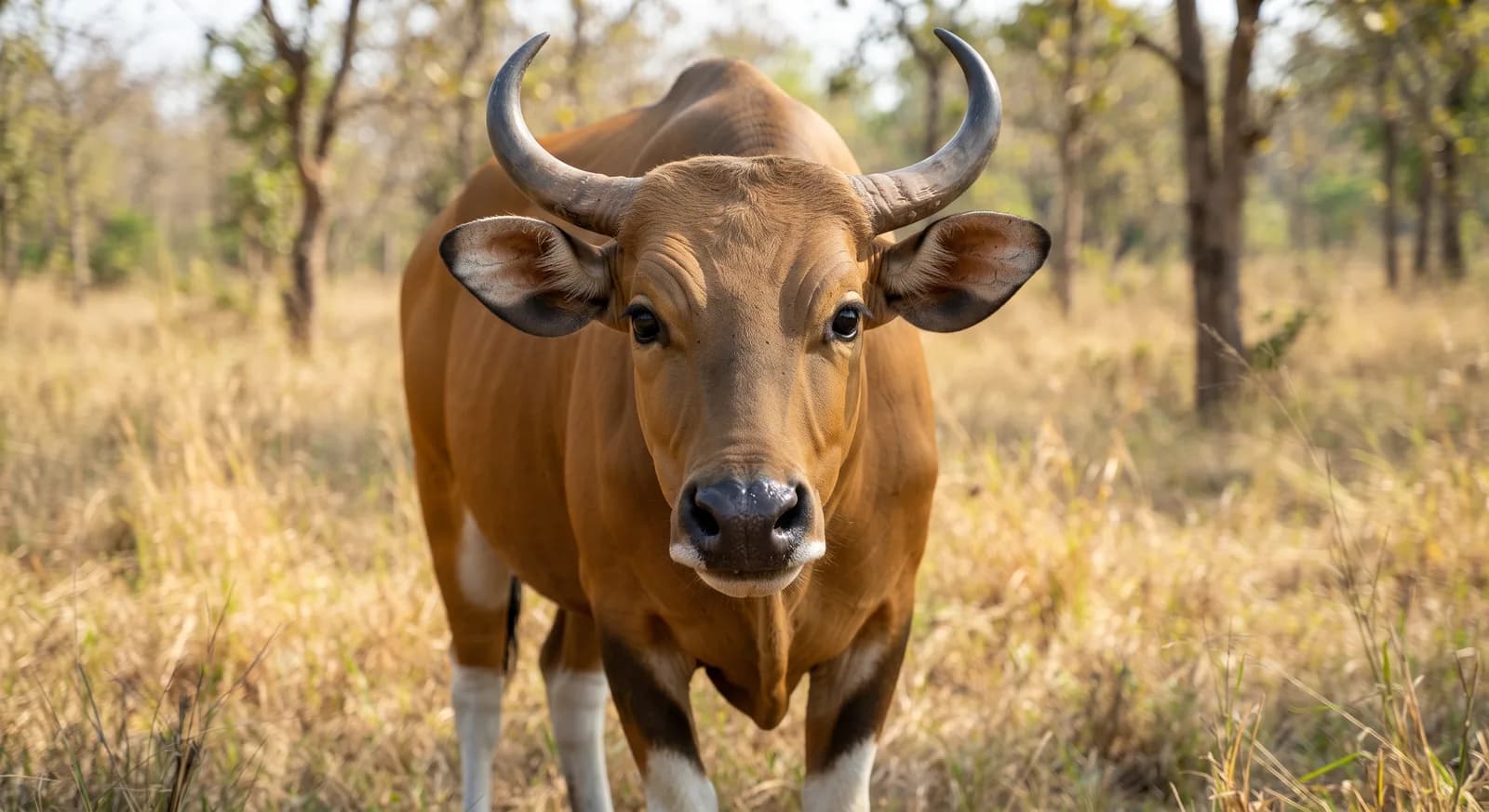
BantengEndangered

Banteng

Bos javanicus

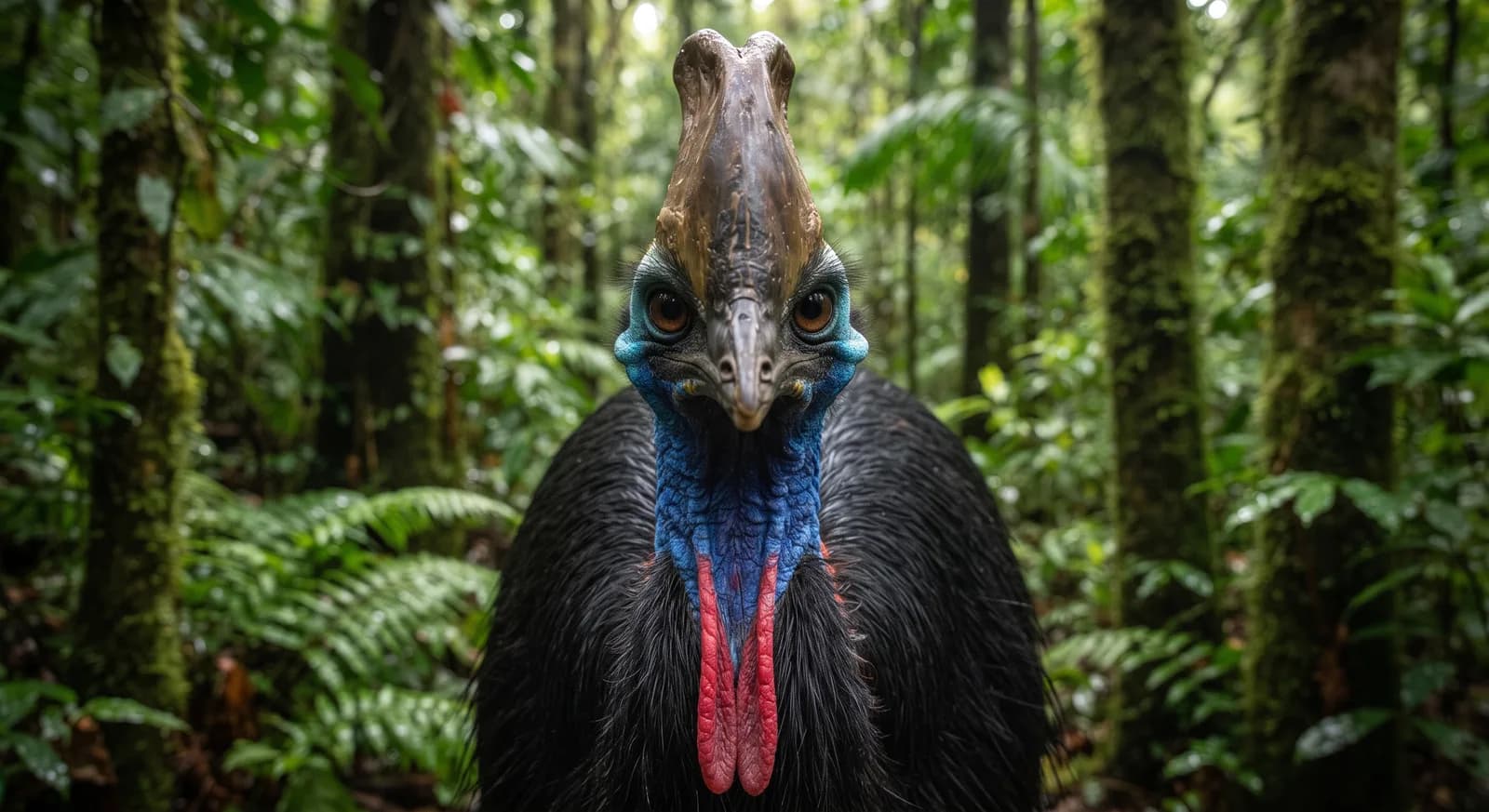
Southern CassowaryEndangered

Southern Cassowary

Casuarius casuarius

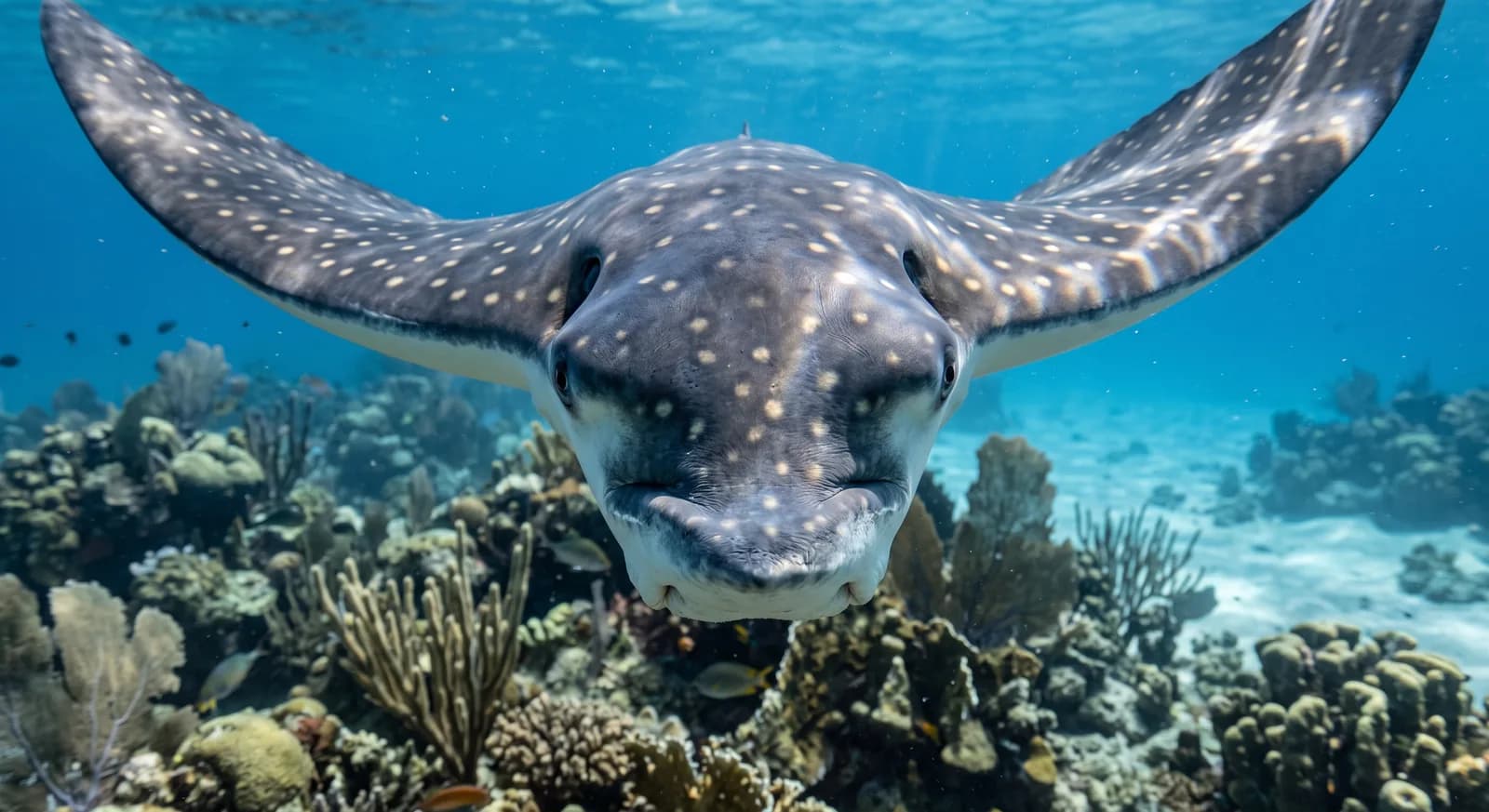
Spotted Eagle RayEndangered

Spotted Eagle Ray

Aetobatus narinari

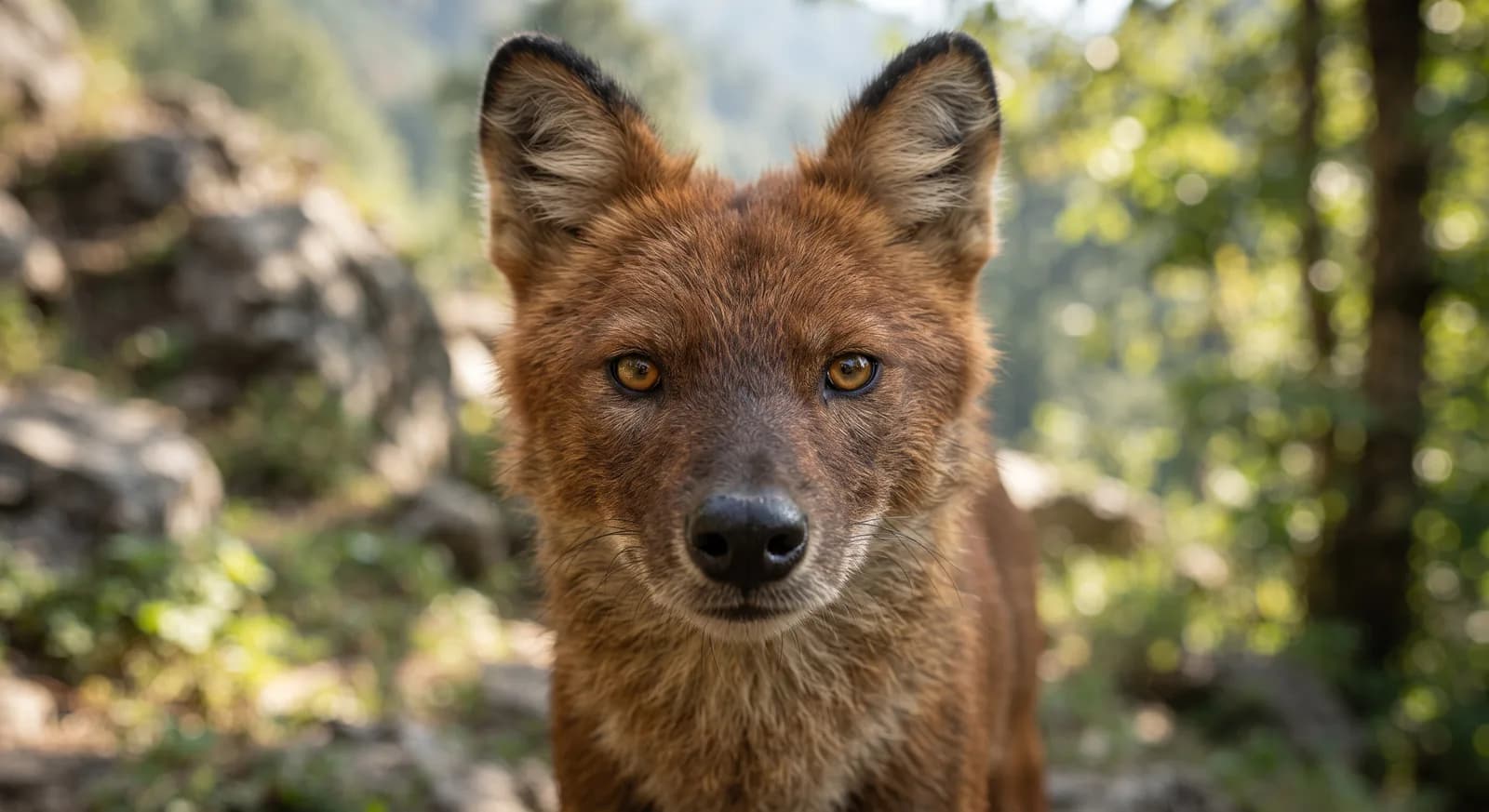
DholeEndangered

Dhole

Cuon alpinus

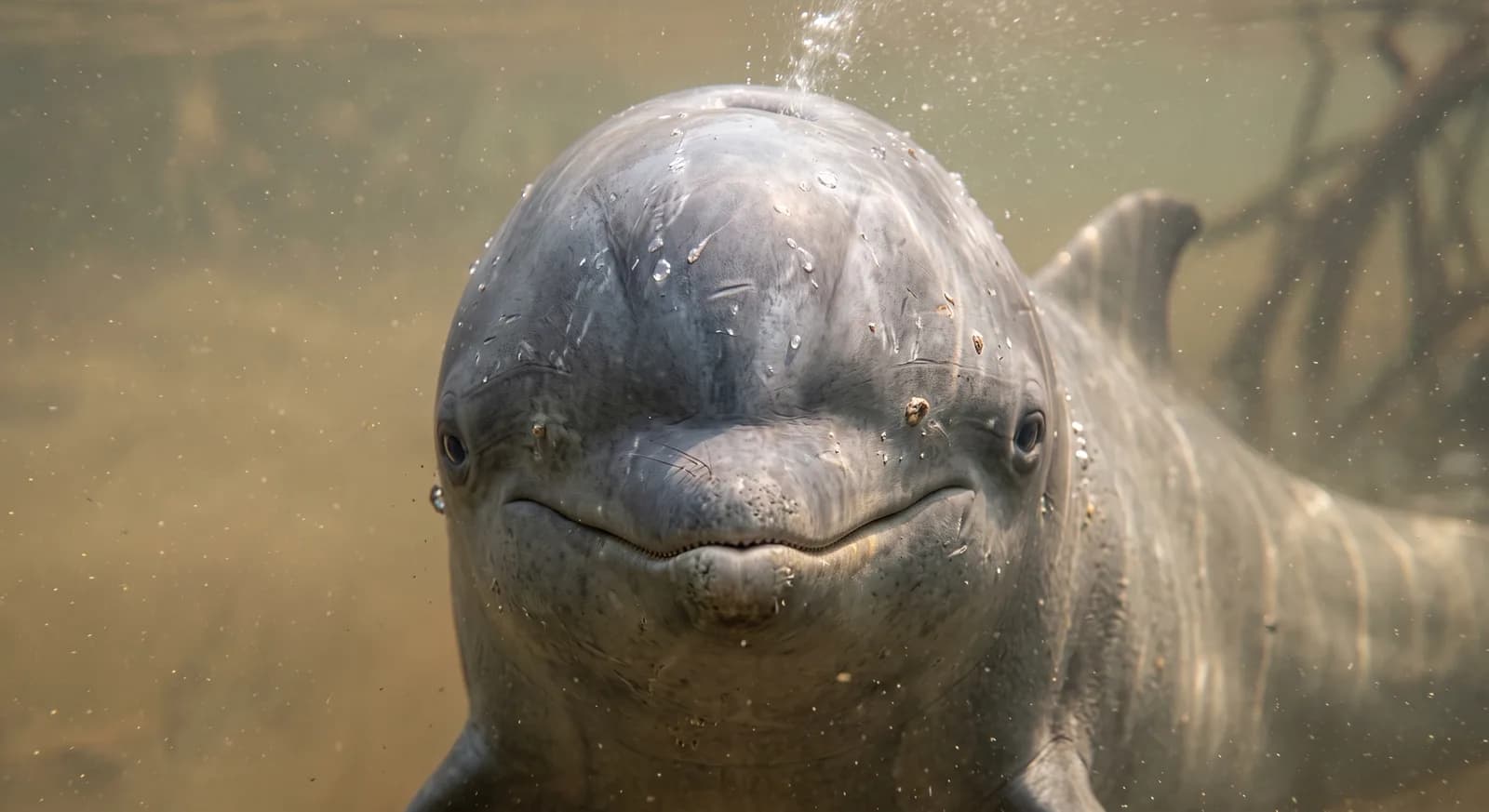
Irrawaddy DolphinEndangered

Irrawaddy Dolphin

Orcaella brevirostris

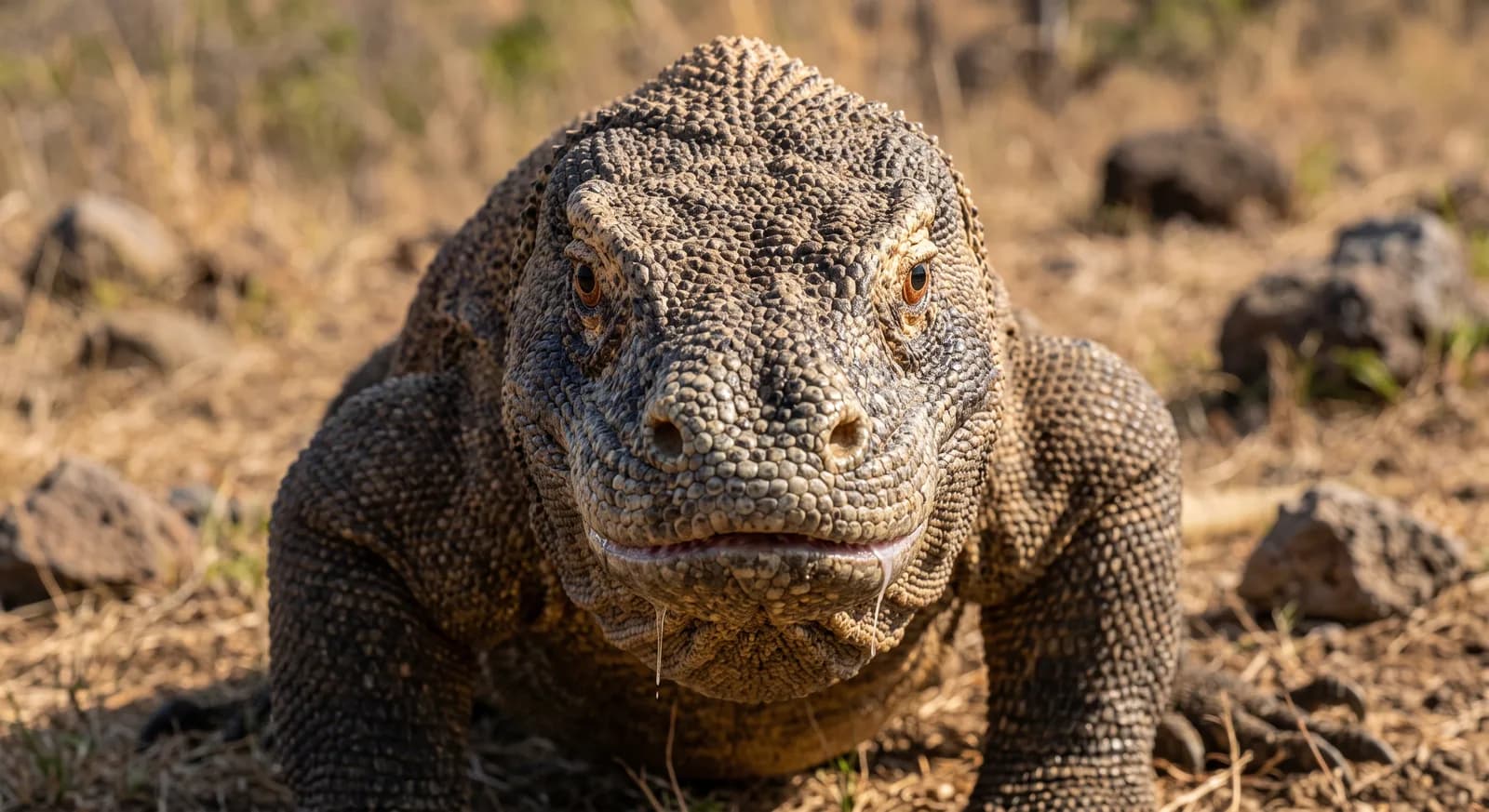
Komodo DragonEndangered

Komodo Dragon

Varanus komodoensis

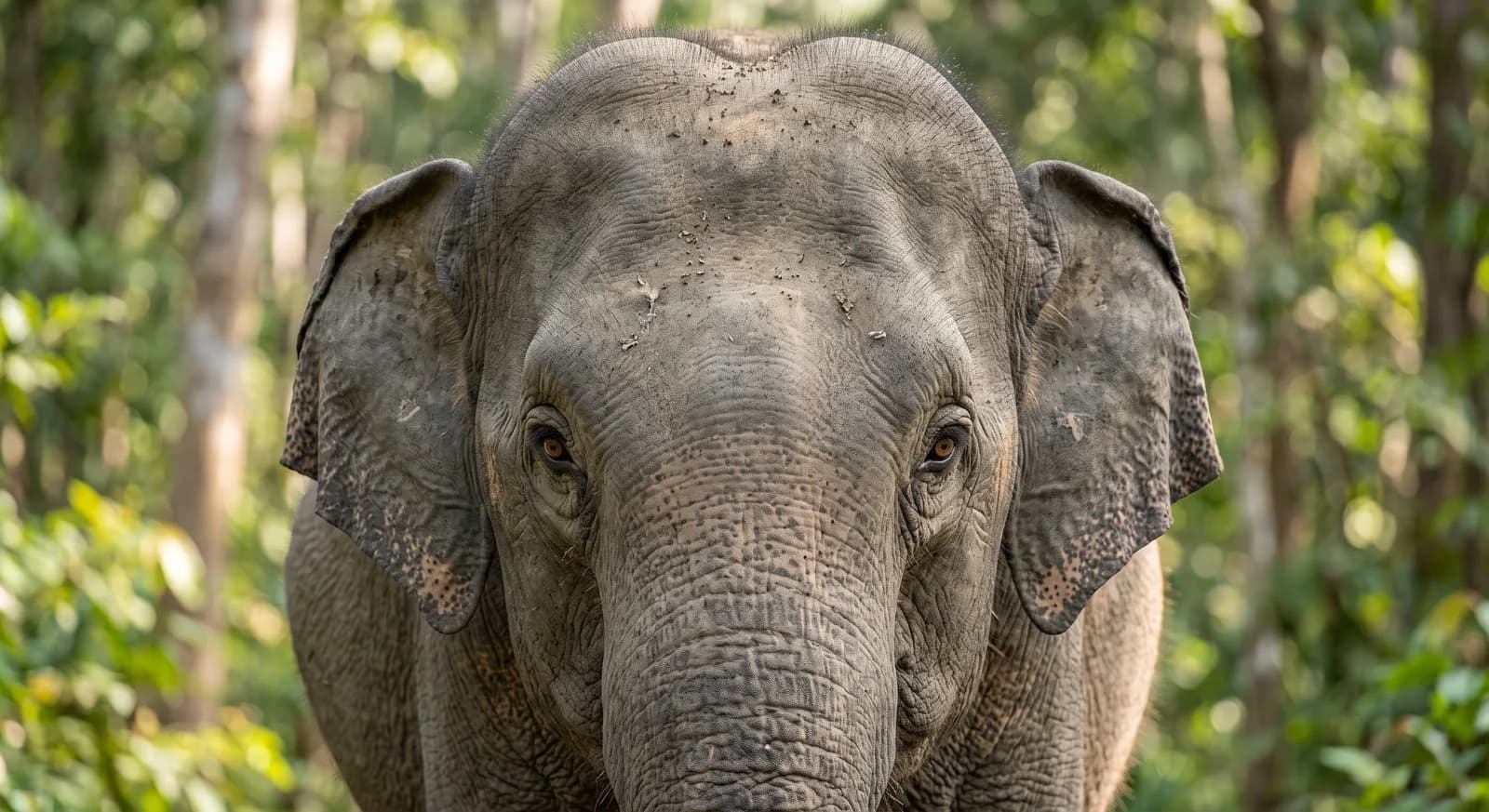
Asian ElephantEndangered

Asian Elephant

Elephas maximus

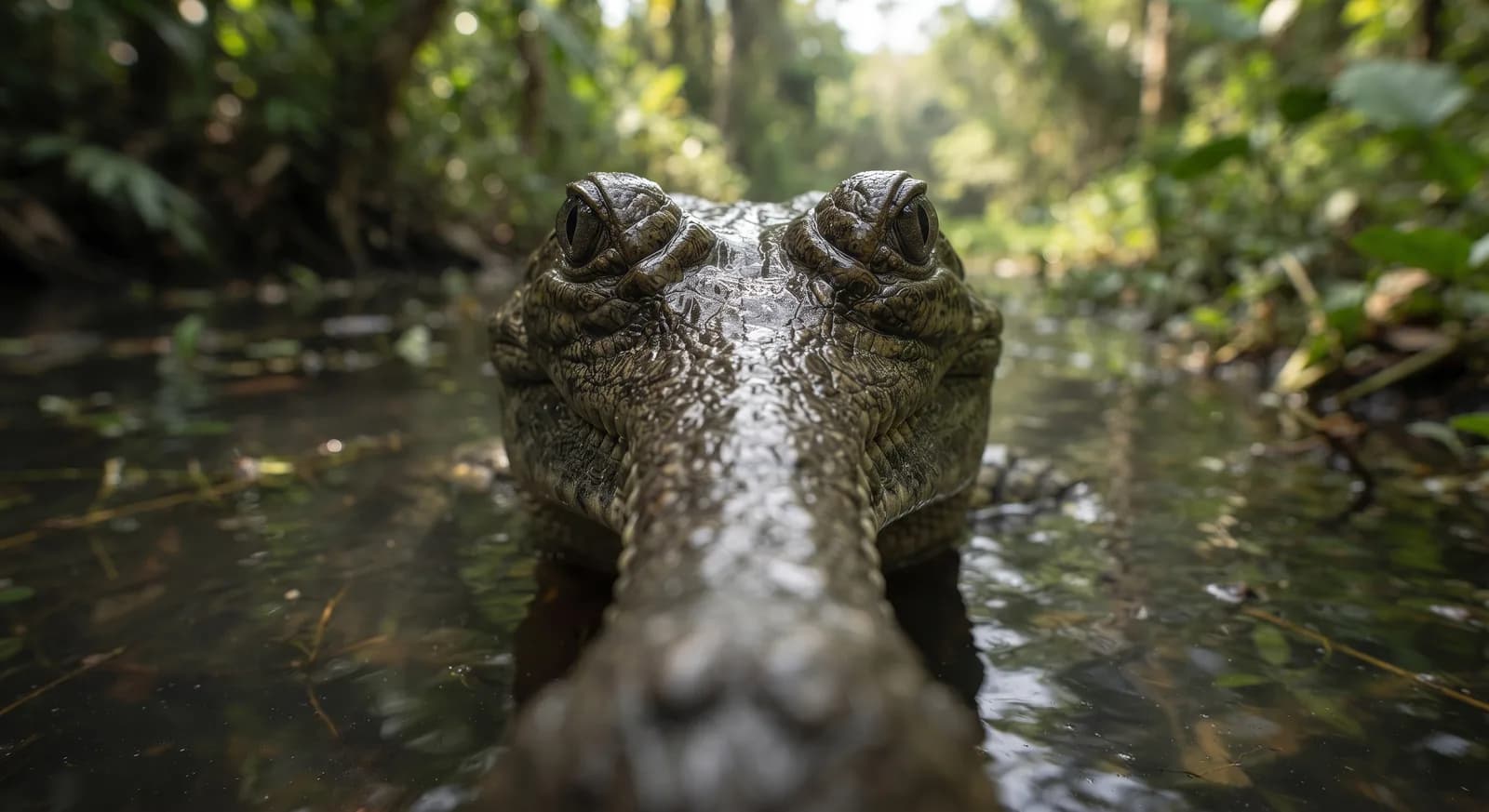
Sunda GharialEndangered

Sunda Gharial

Tomistoma schlegelii

Agile GibbonEndangered

Agile Gibbon

Hylobates agilis

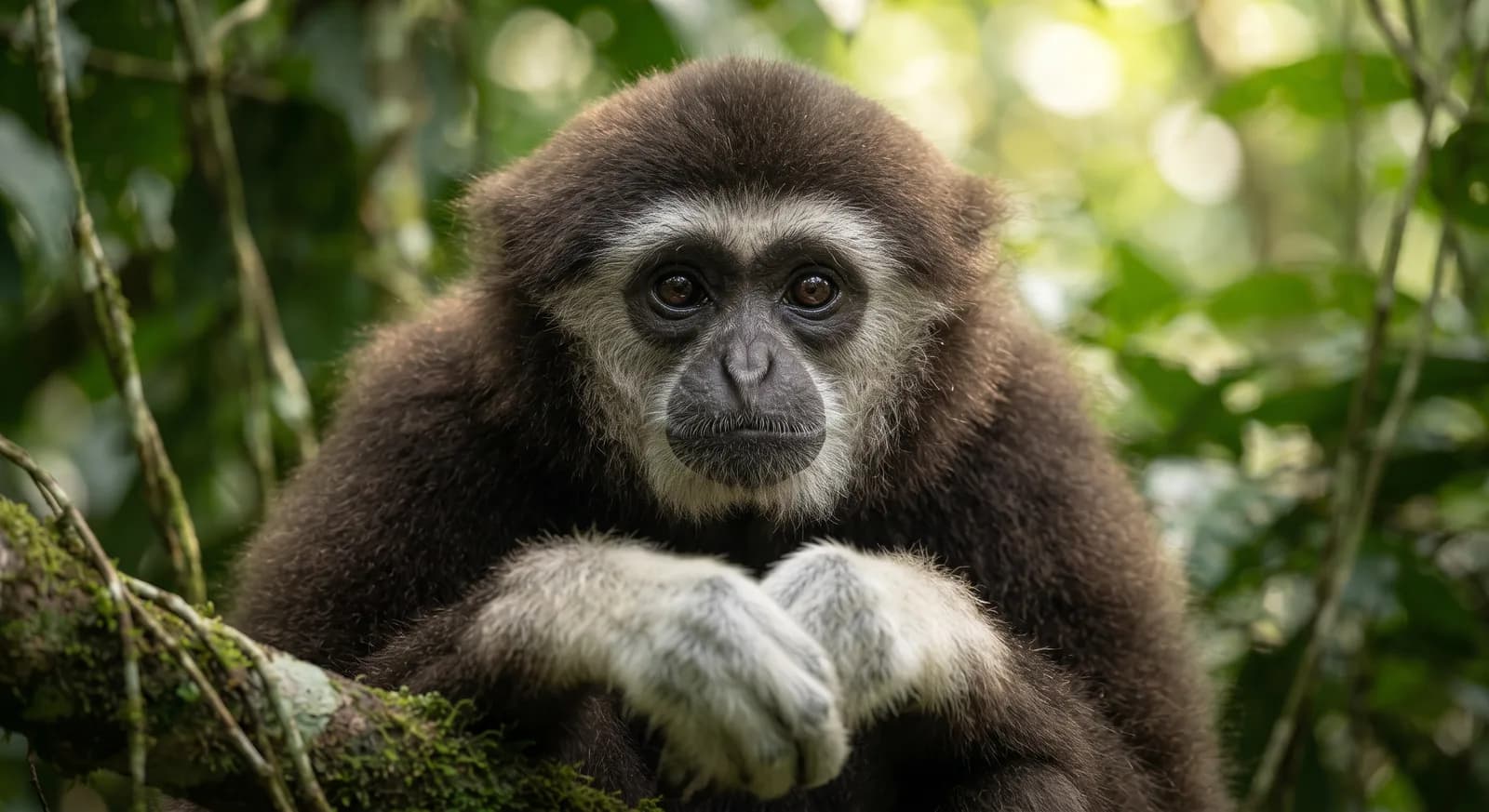
Lar GibbonEndangered

Lar Gibbon

Hylobates lar

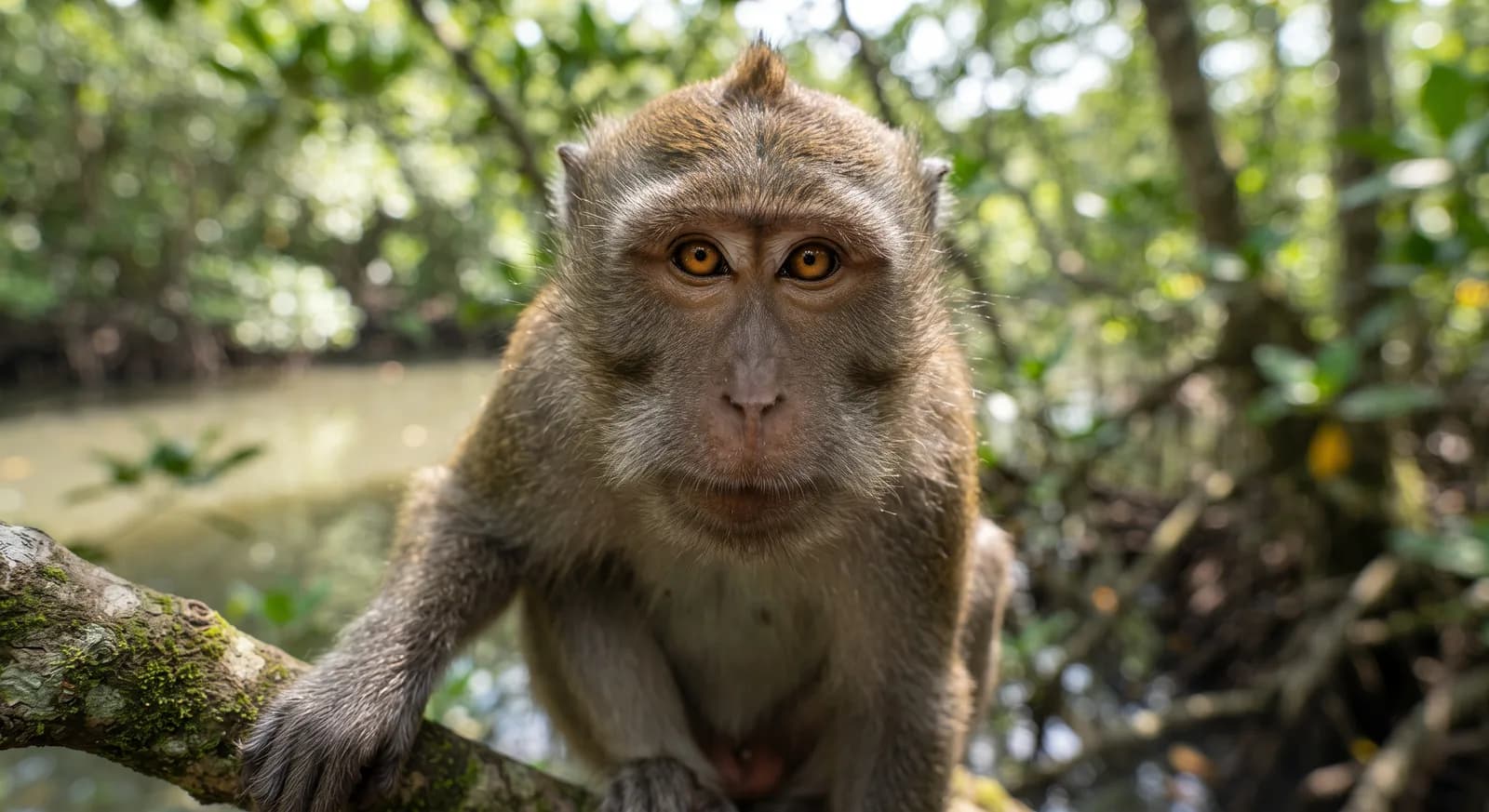
Long-tailed MacaqueEndangered

Long-tailed Macaque

Macaca fascicularis

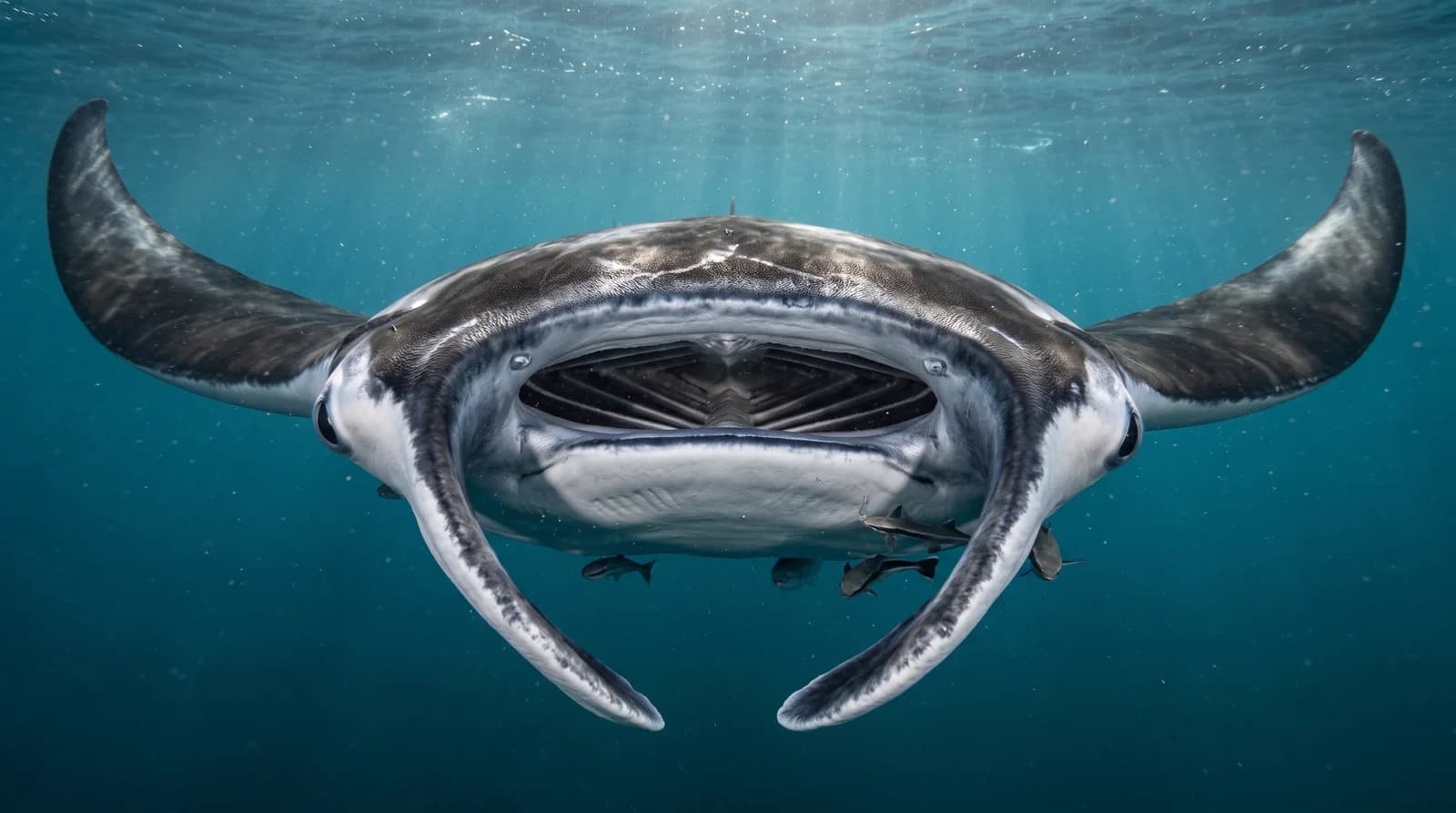
Giant MantaEndangered

Giant Manta

Mobula birostris

Page 2 of 29
Rainforest
Ocean