National Park
Lore Lindu
Indonesia
 Indonesia
Lowland Anoa · Hairy Babirusa
April to October
See parkThe "Serengeti of Papua": savannahs and seasonal wetlands at the south-eastern tip of Indonesian New Guinea.
Area
4,138 km²
Designated in
1990
Region
South-East Asia
Savannah and seasonal wetlands of the Papuan plain
Wasur National Park was established in 1990 in Merauke regency, at the south-eastern tip of Papua, next to the border with Papua New Guinea, and protects some 4,138 km². It adjoins the Tonda Wildlife Management Area on the other side of the border, with which it forms a cross-border protected block of great extent.
It is known as the Serengeti of Papua for its open landscape: a plain of eucalypt and melaleuca savannah dotted with wetlands that flood during the monsoon and dry out afterwards, concentrating wildlife in the residual pools. That seasonal cycle produces spectacular gatherings of waterbirds and is the basis of its ecological value. Much of the park is listed as a wetland of international importance under the Ramsar Convention.
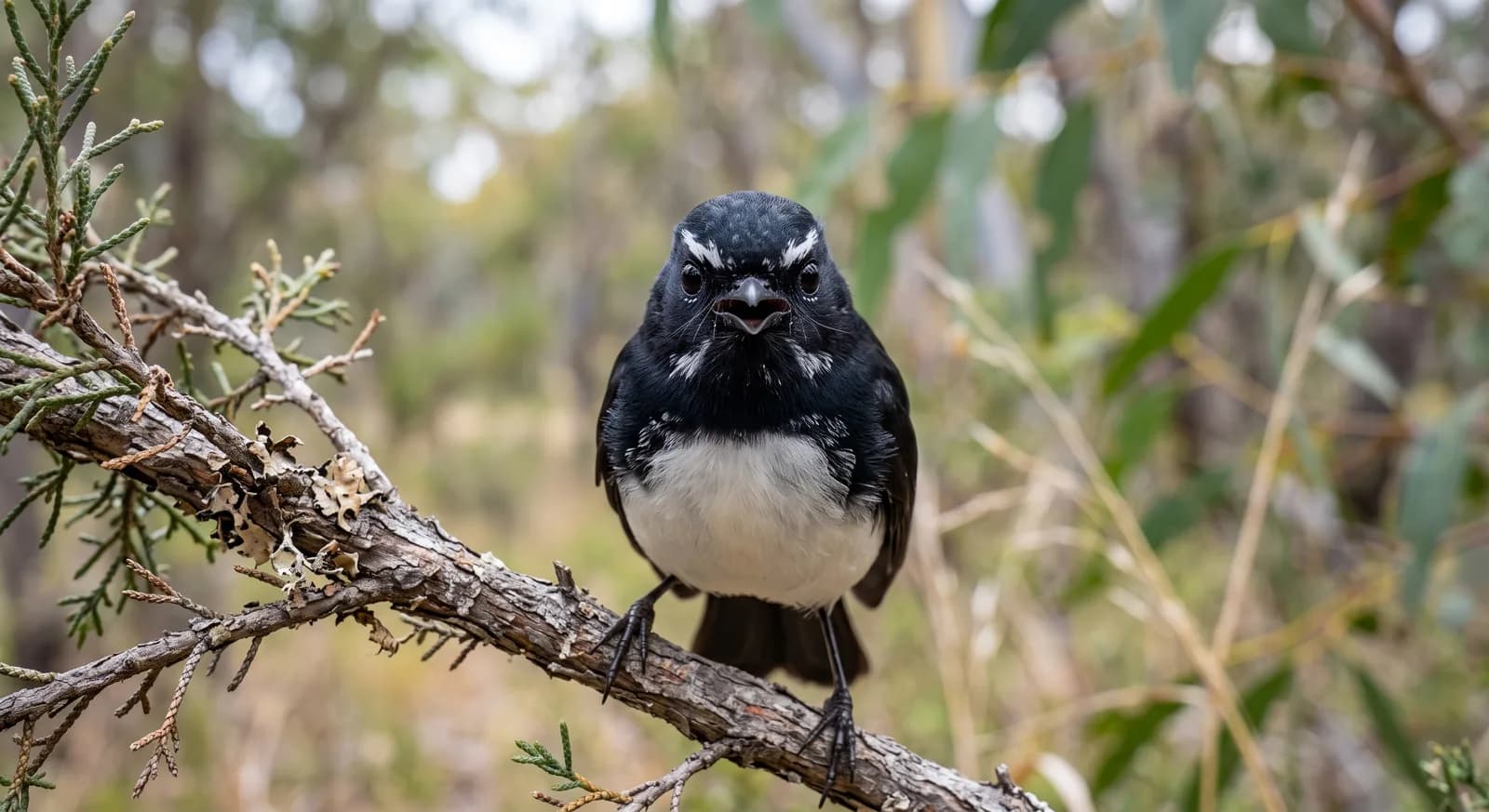
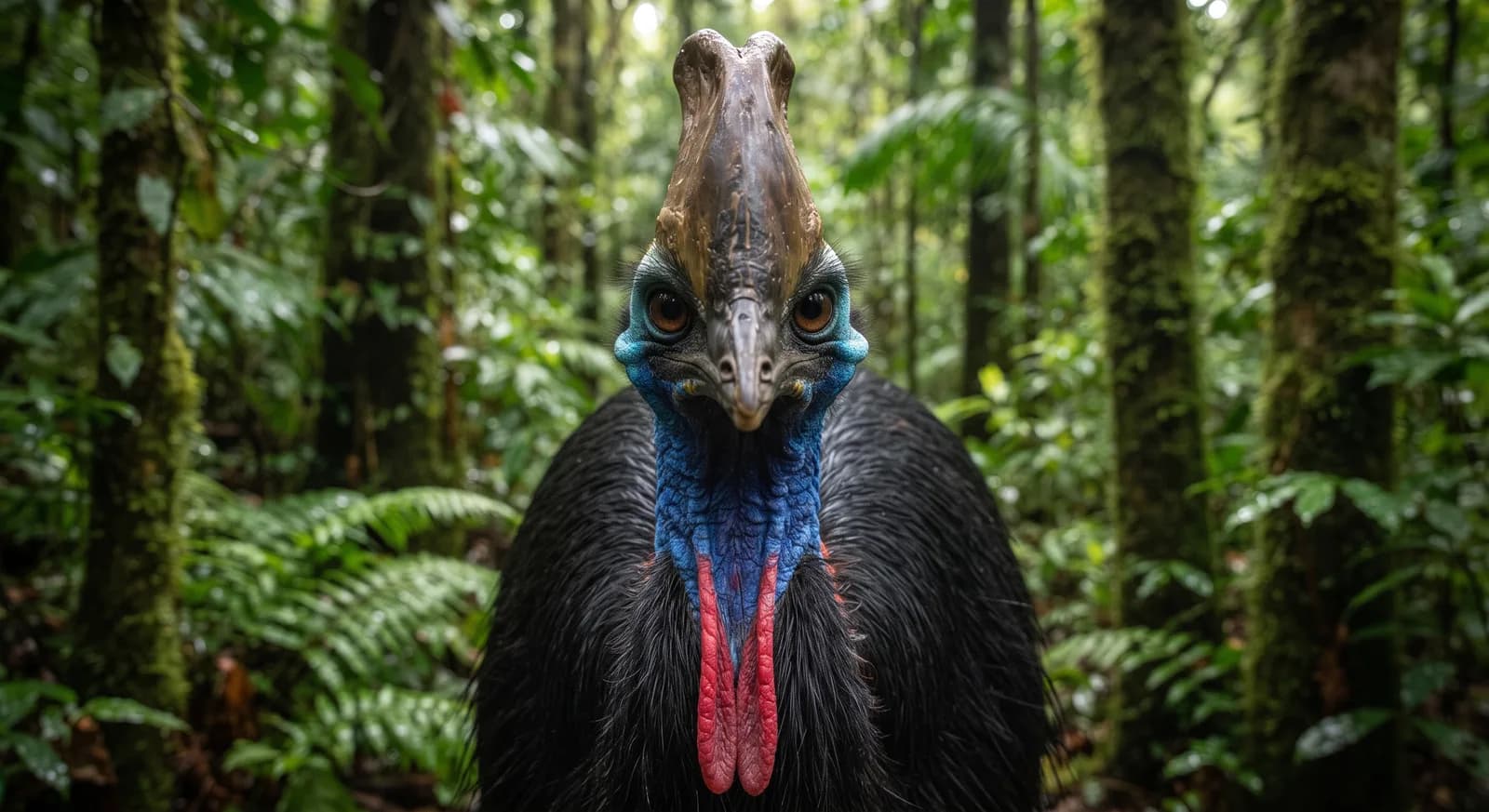
Its fauna is Australian, not Asian, because New Guinea shares a continental shelf with Australia: there are agile wallabies, cassowaries, magpie geese, brolgas, black-necked storks and a very abundant waterbird fauna, with hundreds of thousands of birds in the dry season. The park is inhabited by four indigenous groups — Marind, Kanum, Yei and Marori — who hold customary rights over the territory and practise traditional hunting and gathering; management rests on agreements with those communities. The main threats are introduced species, in particular the rusa deer and the cane toad, and fires outside the natural cycle.
Ecosystems found in Indonesia, where Wasur lies.
Which other parks are like this one?
Same country: Indonesia
Same country: Indonesia
Same country: Indonesia
Same country: Indonesia
Based on what we already know about this park.
Share your experience visiting Wasur, or a tip for other travellers.
Be the first to comment.
Climate
Tropical
Best season
April to October
Threatened:,,,