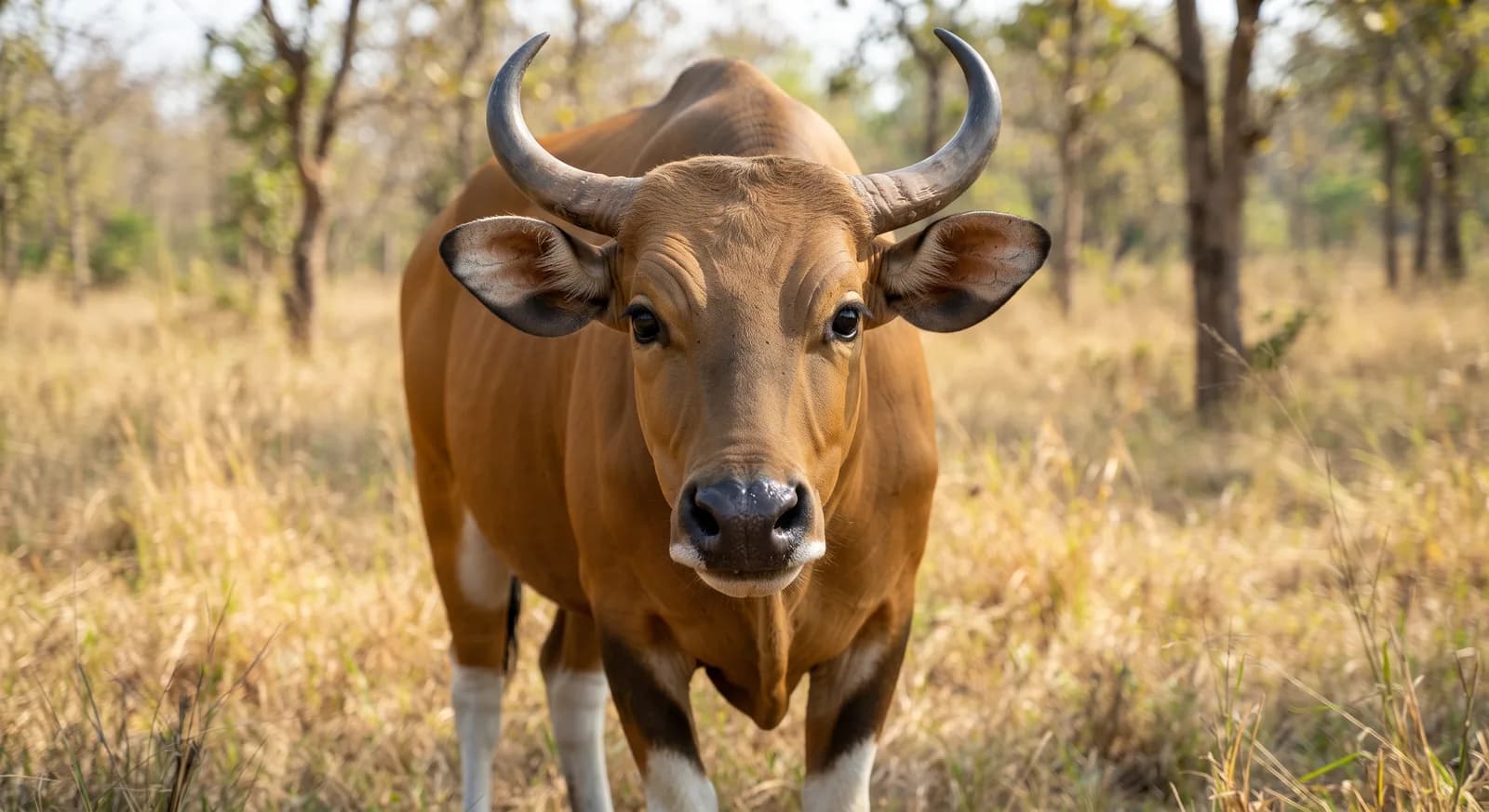
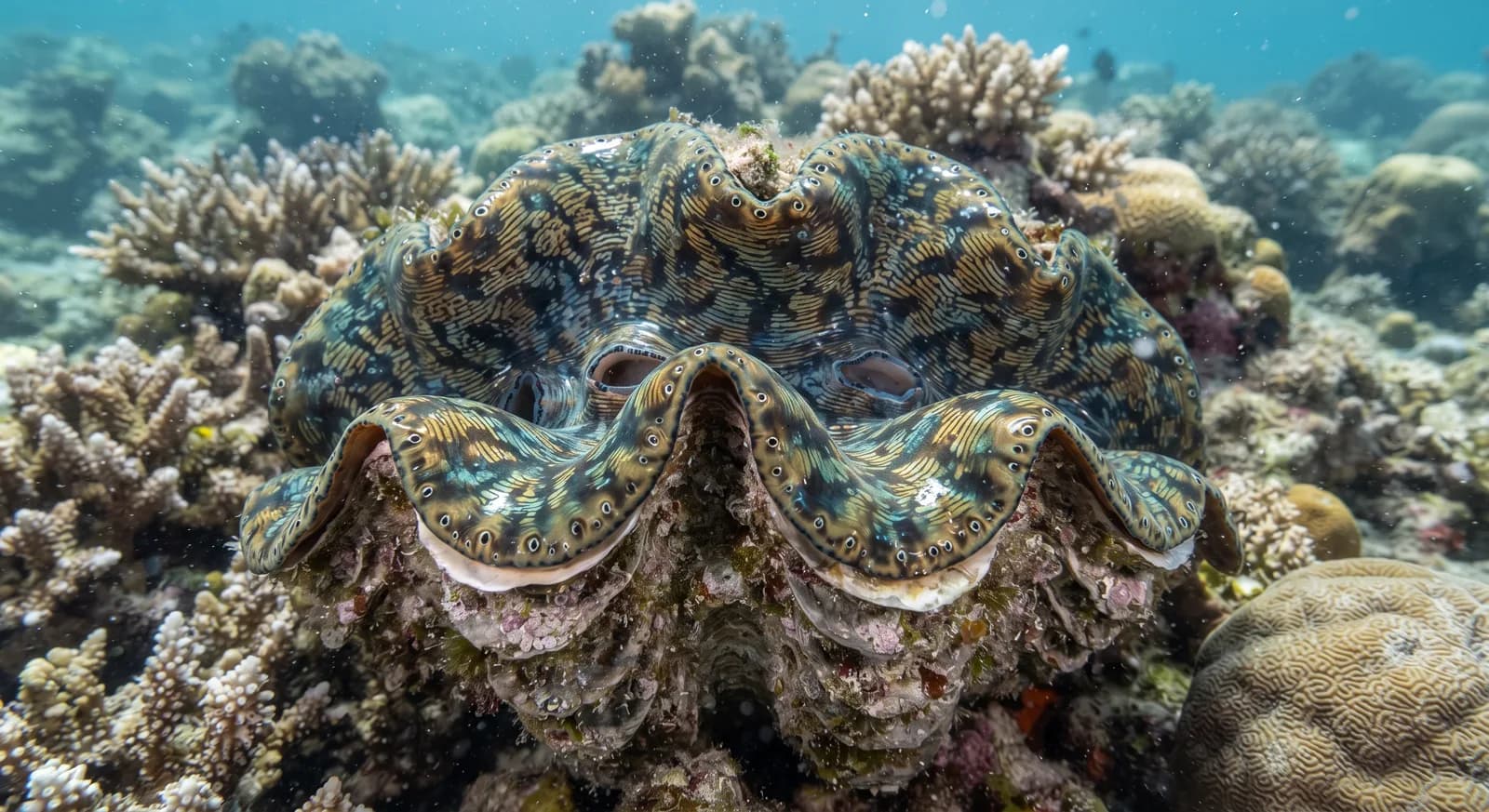
 Critically Endangered
Giant Clam
Tridacna gigas
Asia
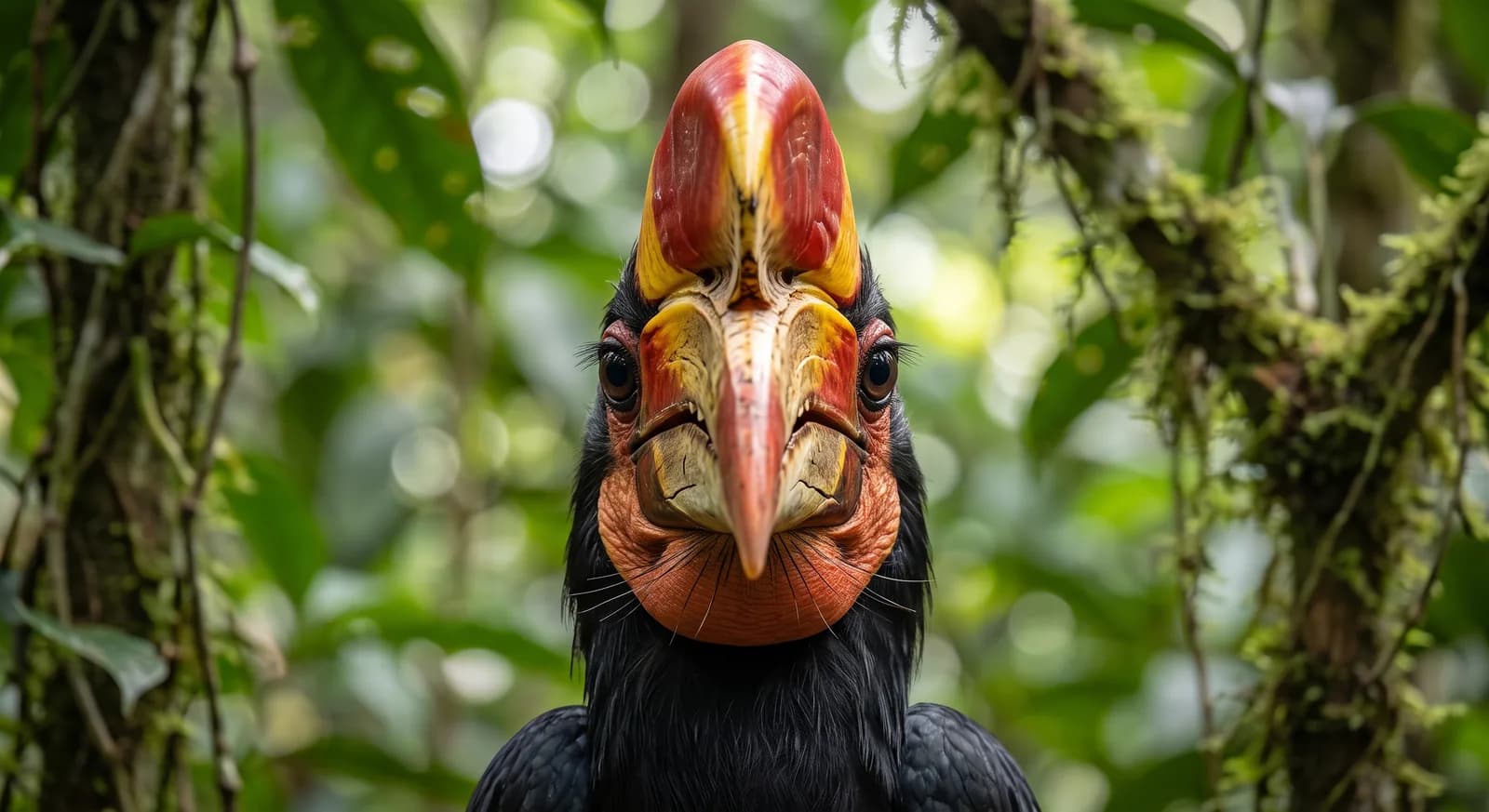
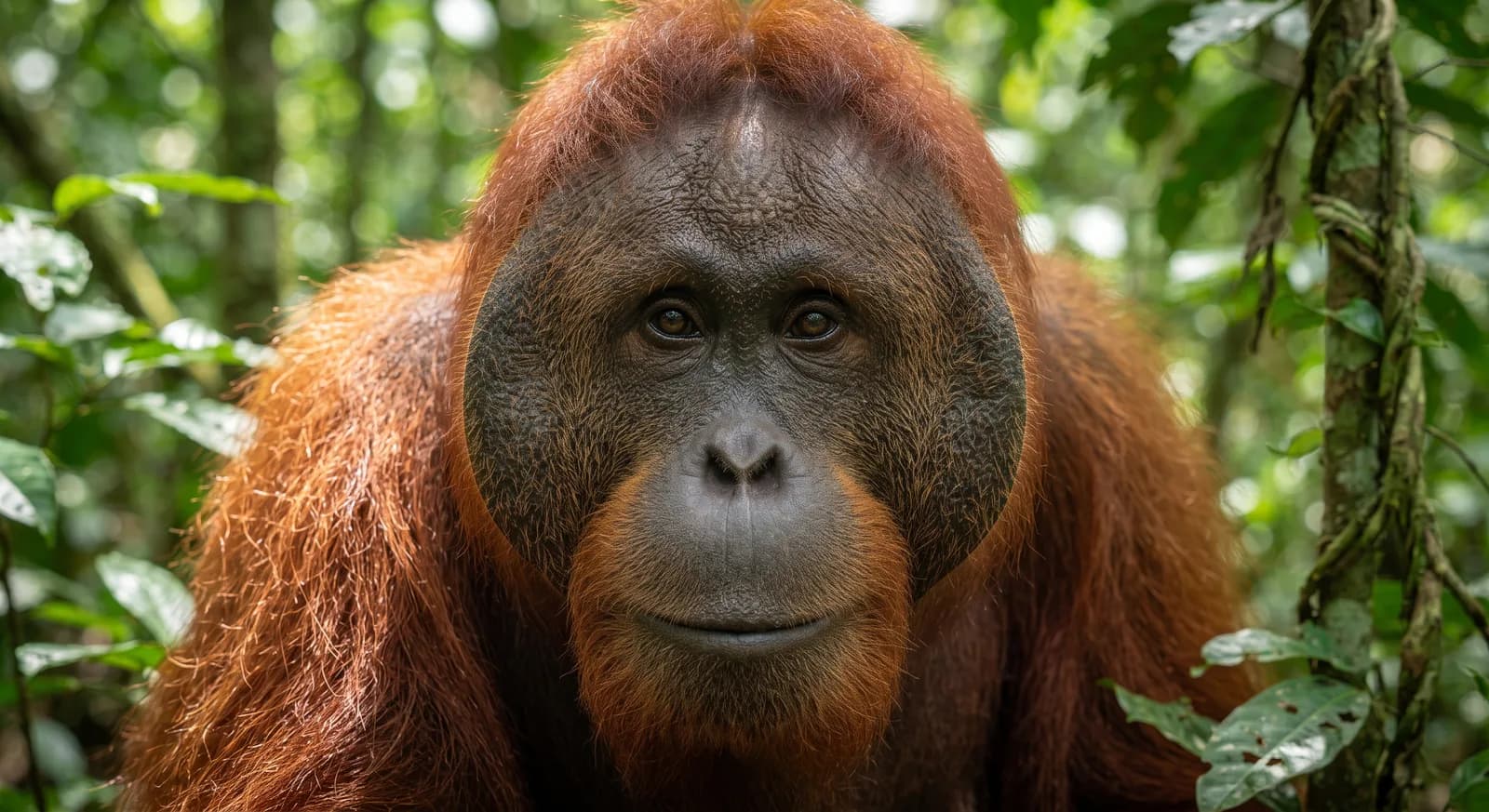
Malaysia is split into two halves separated by the South China Sea: the peninsula, with the Titiwangsa range and lowland rainforests among the oldest in the world, and the states of Sabah and Sarawak, in northern Borneo. Taman Negara, on the peninsula, protects a rainforest that has gone more than one hundred and thirty million years without glaciations or major climatic change. In Borneo, Mount Kinabalu rises above four thousand metres and concentrates an astonishing number of plants found nowhere else, and the Danum Valley and the Kinabatangan River hold orangutans, pygmy elephants and proboscis monkeys. The Mulu caves, with the largest known underground chamber by volume, complete a country of natural superlatives.
National animal: The Malayan tiger, the national animal, on the state's coat of arms
Every evening, a river of bats pours out of Deer Cave in Mulu: up to three million of them emerge in undulating columns that take more than an hour to leave completely. They do not fly at random: the spirals and tight ribbons they form make it harder for the hawks waiting at the cave mouth to fix on a single individual and take it.
The Sumatran rhinoceros became extinct in Malaysia in 2019 with the death of the last animal in captivity. The spread of oil palm has fragmented the habitat of orangutans and elephants, and work is now under way on forest corridors along the Kinabatangan.
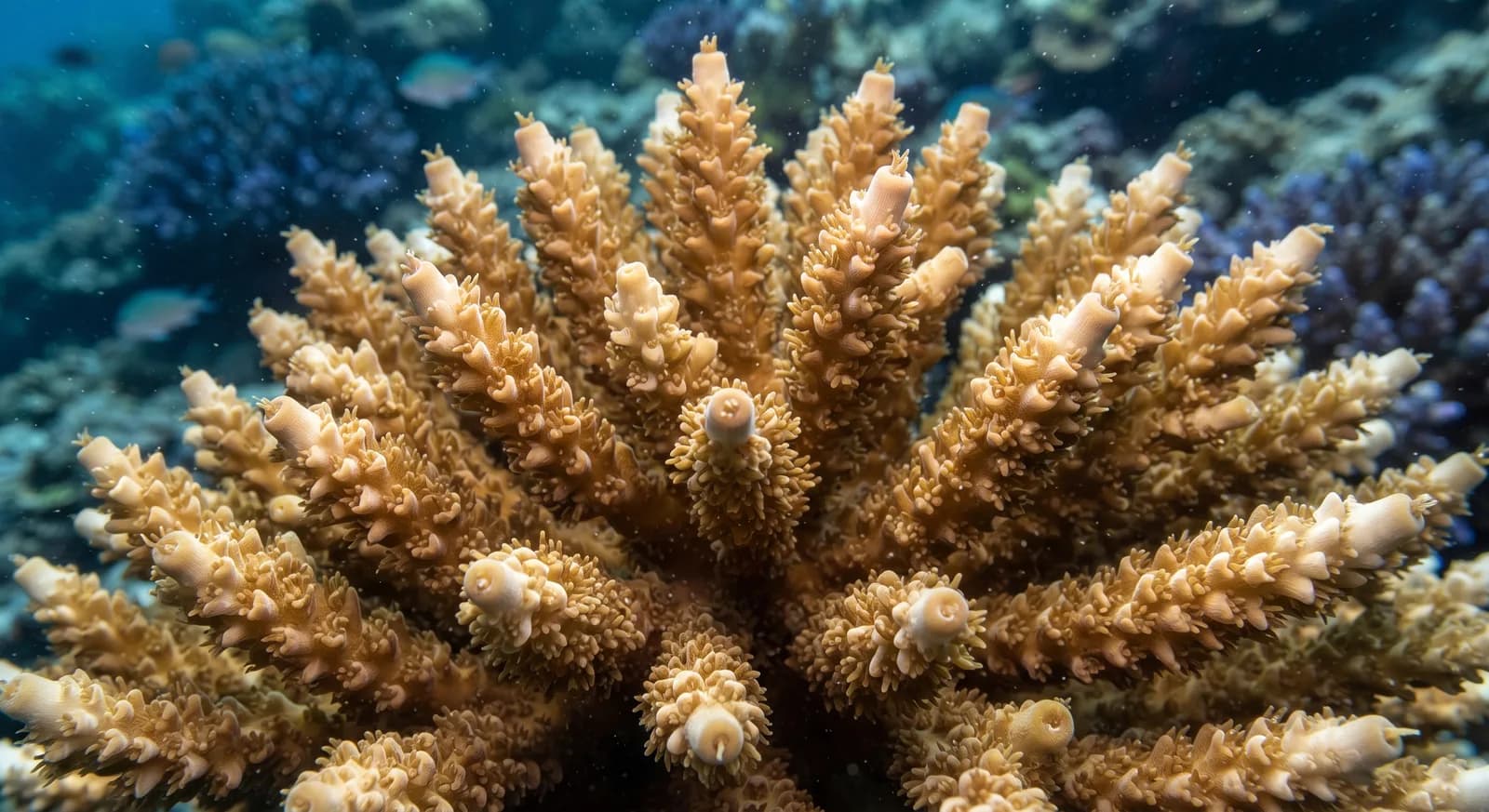
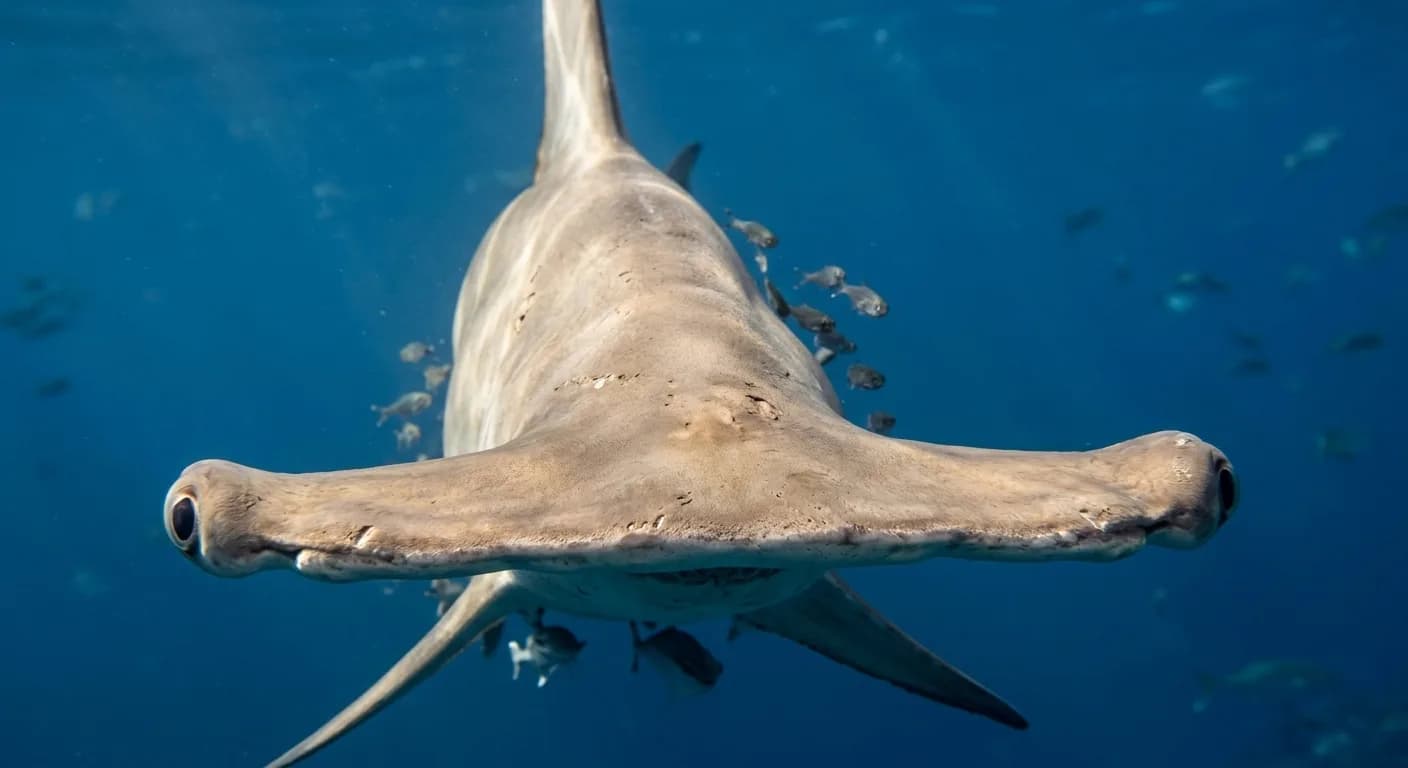
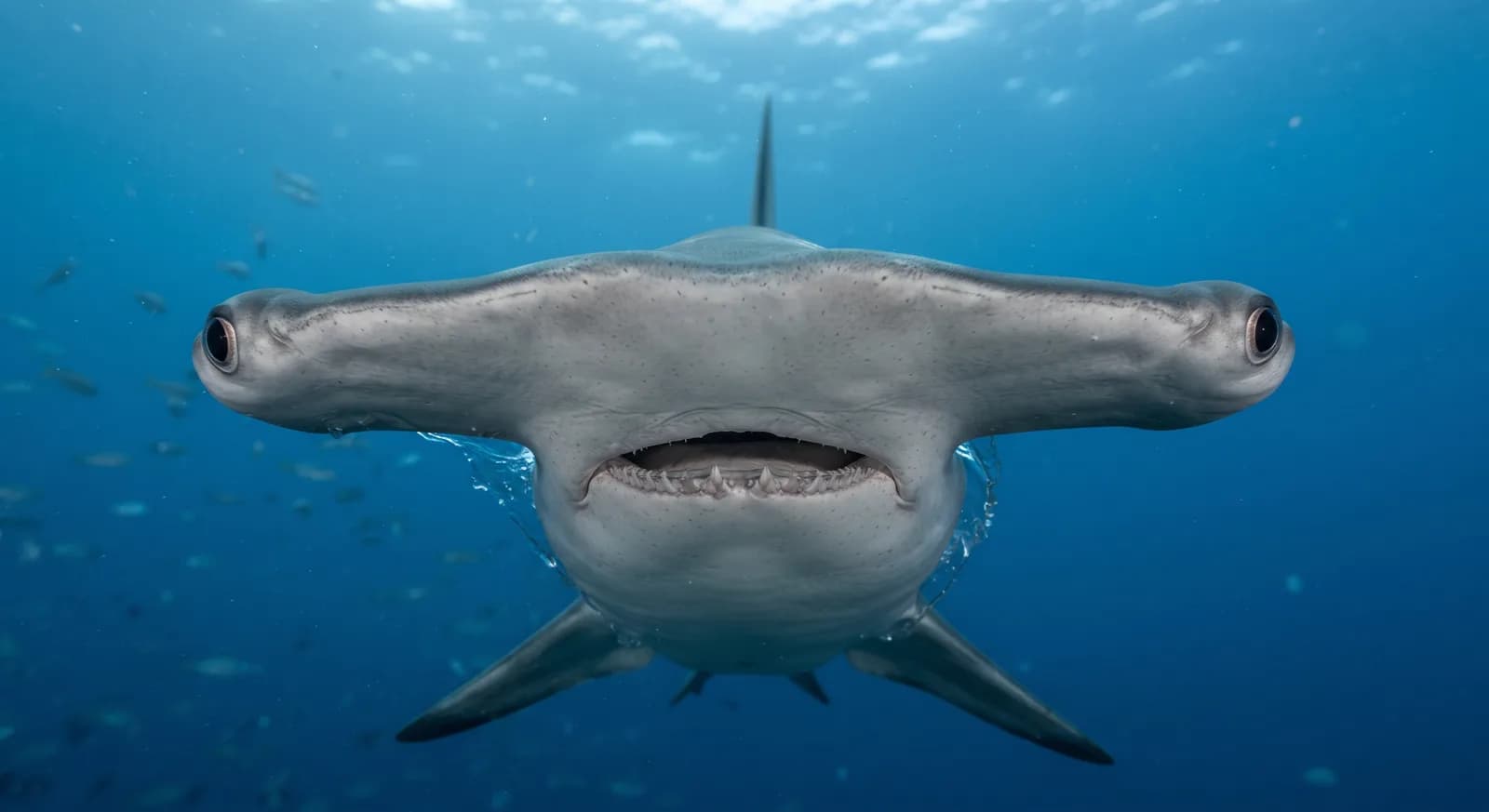
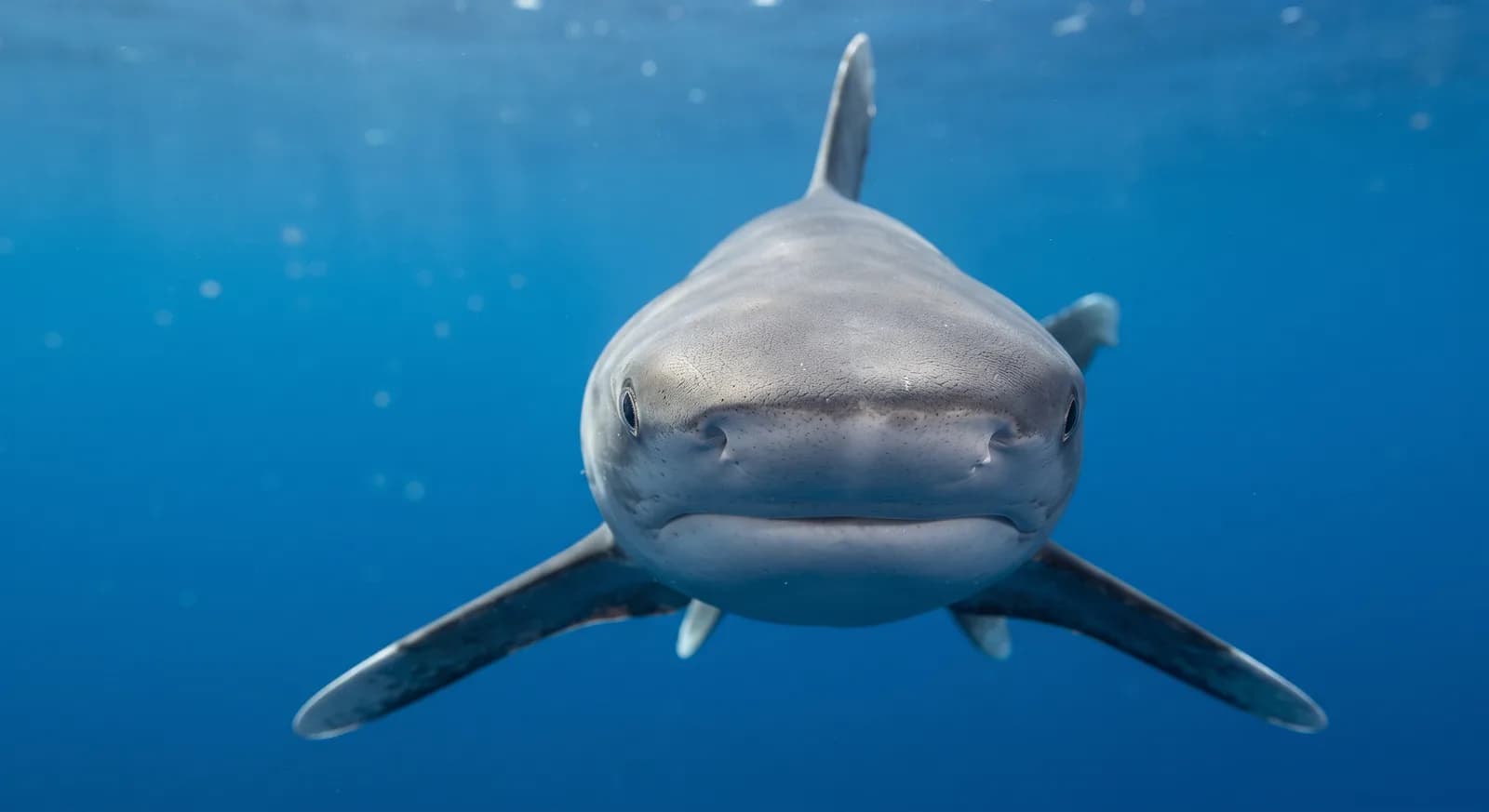
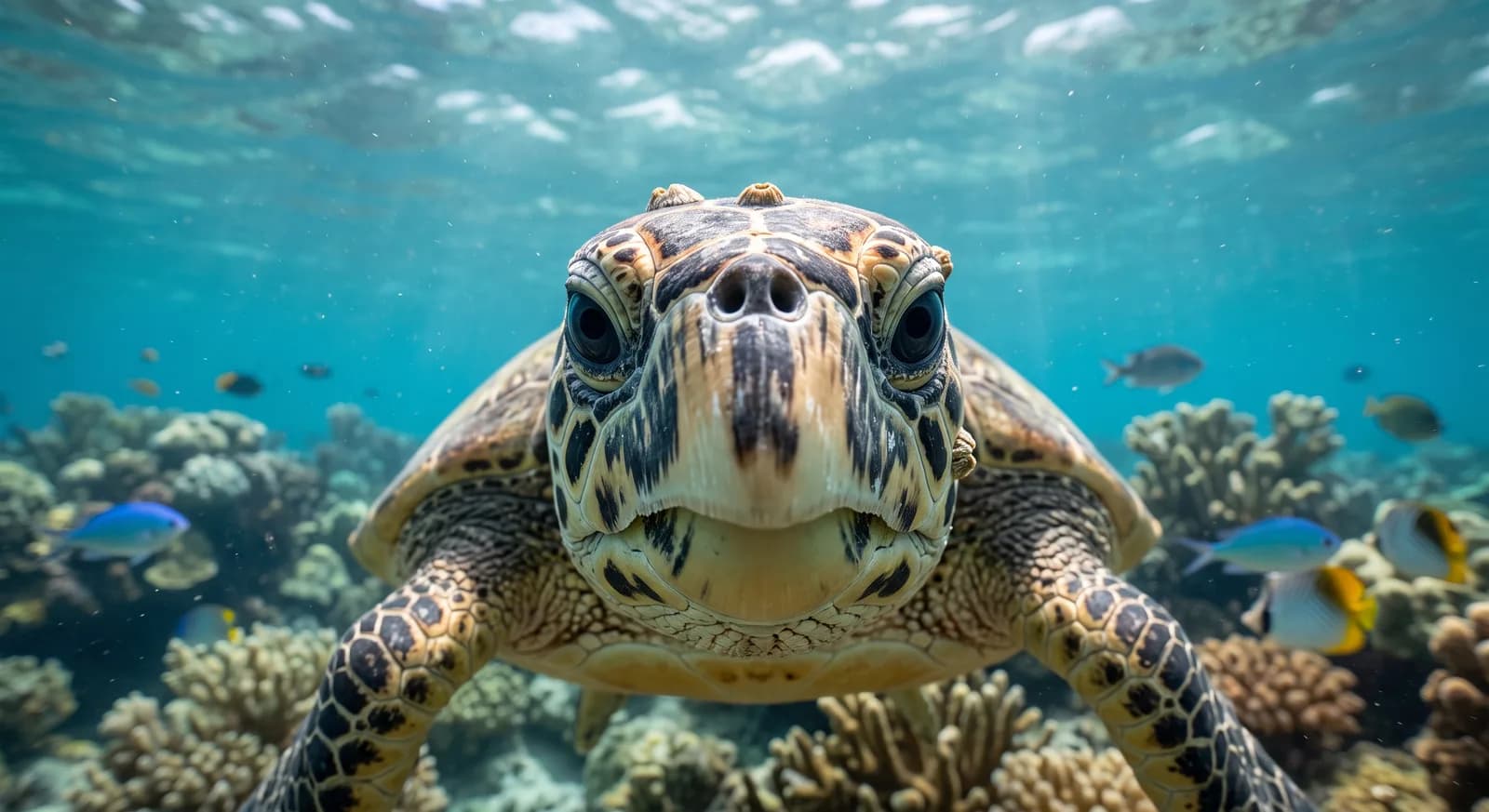
Mulu at dusk for the bat exodus. The Kinabatangan at dawn by boat for orangutans and proboscis monkeys. Sipadan year-round for turtles and sharks.
255 species found
Based on what we already know about Malaysia.