Skip to content
WAnimals
  • Map
  • Species
  • Parks
  • Diving
Log inCreate account
WAnimals

The guide for travellers and animal lovers: discover, plan and share your wild adventures around the world.

Discover wildlife

  • Species
  • Ecosystems
  • Glossary
  • Tags

Explore places

  • Map
  • Countries
  • Parks
  • Diving

Plan experiences

  • Guides

Learn

  • Blog

Resources

  • Help centre
  • Contact
  • Install the app

Follow us

Account

  • Log in
  • Create account

© 2026 WAnimals. All rights reserved.

About usHow we build our profilesTerms of servicePrivacyLegal notice
MapSpeciesParksDiving
  1. Home
  2. Species
  3. Sumatran Rhinoceros

One of the 5 rhinoceroses on WAnimals

Sumatran Rhinoceros (Dicerorhinus sumatrensis)

Mammals · Perissodactyla · Rhinocerotidae

Sumatran Rhinoceros

Dicerorhinus sumatrensis

Critically Endangered

At extremely high risk of imminent extinction in the wild.

Spotted something wrong?

The Sumatran rhinoceros is the smallest of the five living rhinos and the only Asian one with two horns. It is also the hairiest: it retains a reddish coat that visually links it to the extinct woolly rhinoceros, its closest relative. It browses leaves, shoots and fruit in dense understorey. Its population, already fragmented into tiny pockets in Sumatra and Borneo, has fallen below fifty animals, and the greatest problem is no longer hunting but that the few survivors cannot find one another to breed.

Weight

500 kg – 960 kg

Size

2.3 m – 3.2 m

Life expectancy

35 years
Diet

Herbivore

Feeds mainly on plants.

Activity

Nocturnal

Active mainly at night.

Social structure

Solitary

Lives and hunts alone, joining others only to breed.

Sighting difficulty

Very hard

Estimated population

Fewer than 50 individuals

RainforestMountain
3countries4parks4same family

AI-generated images: illustrations, not photographs.

Fun facts

  • anatomíaIt is the smallest living rhinoceros and the only one with two horns and a notable coat of hair, which ties it more closely to the extinct woolly rhinos than to its living relatives.
  • It is the closest living relative of the Pleistocene woolly rhinoceros, and keeps a reddish coat that no other living rhino has.
  • Its main threat is no longer poaching but isolation: the few animals left are so scattered that females go years without meeting a male, and the lack of pregnancies gives them uterine cysts and tumours that eventually leave them infertile.

Life cycle and biology

Skeleton type
Vertebrate - internal bony skeleton (mammal)
Habitat and environment
Montane and lowland rainforest of Sumatra and Borneo, with abundant understorey
Sexual maturity
7.5 years
Gestation / incubation
7.8 months
Litter / clutch size
1

Sources consulted: https://es.wikipedia.org/wiki/Dicerorhinus_sumatrensis

Where to find it

Loading map…

The pins mark the parks where its presence is documented.

Where to see it

Parks and dive sites where this species has been documented.

Related species

Other species in the catalogue with the most in common with Sumatran Rhinoceros — same habitat, park, country, tags or family.

Same taxonomic family
Shares a park
Shares a park
Shares a park
Shares a park
Shares a park

How to help

The sumatran rhinoceros is classified as critically endangered. Organisations such as the IUCN, WWF and the Wildlife Conservation Society work specifically on its conservation and that of its habitat; looking into their programmes is a good starting point if you want to get involved.

It's documented in 4 protected areas — one reason why protecting these places matters for its conservation.

Keep exploring

Based on what we already know about sumatran rhinoceros.

Comments

Share an experience, a fun fact or a tip for seeing the sumatran rhinoceros.

Be the first to comment.

See full glossary
This page in other languages: Español · Deutsch · Français · Português · Italiano
See its range on the interactive map→
Gunung LeuserIndonesia
Way KambasIndonesia
Kerinci SeblatIndonesia
Bukit Barisan SelatanIndonesia
Critically Endangered

Javan Rhinoceros

Rhinoceros sondaicus

Critically Endangered

Sumatran Orangutan

Pongo abelii

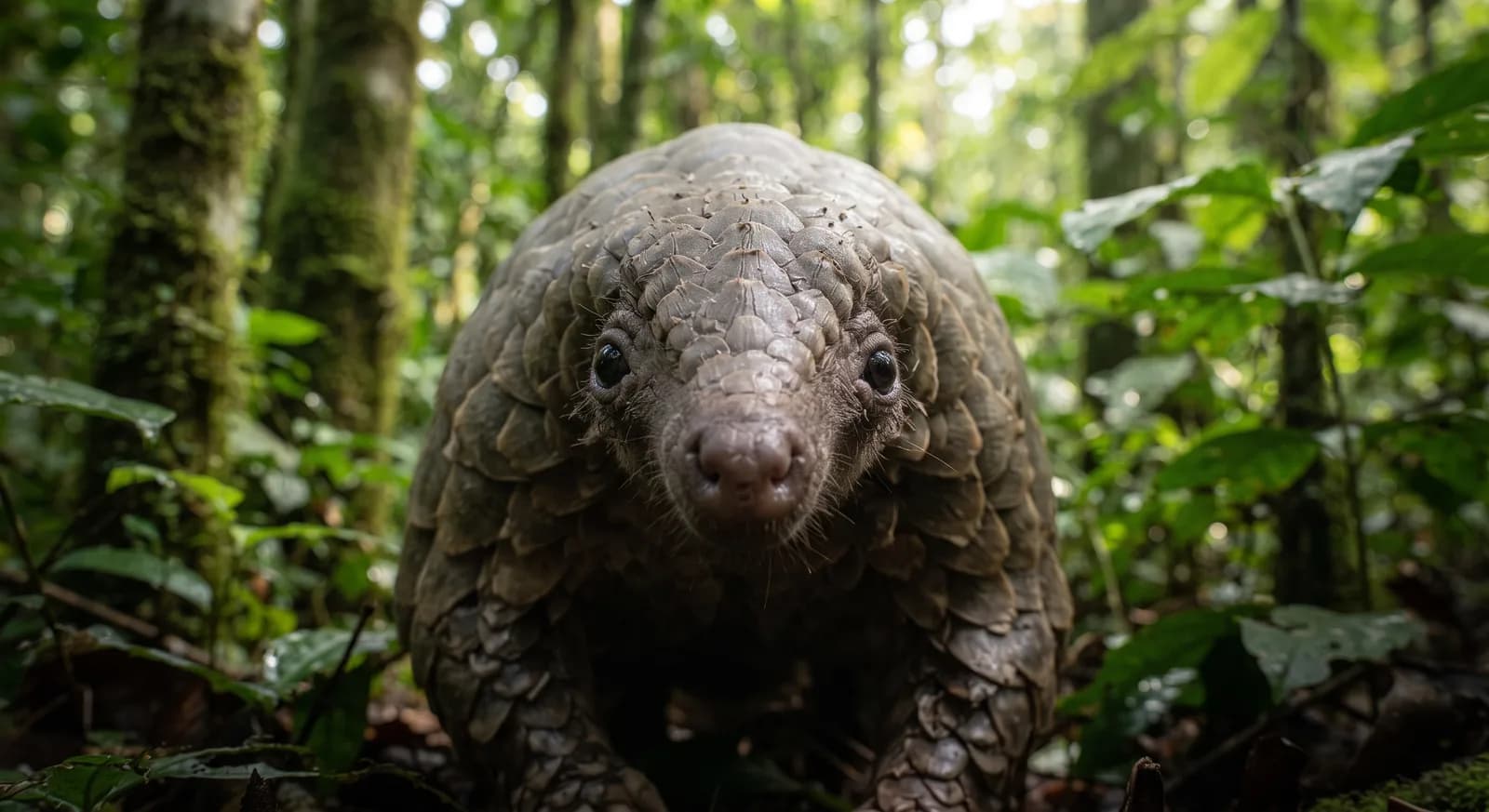
Sunda PangolinCritically Endangered

Sunda Pangolin

Manis javanica

Critically Endangered

Sumatran Tiger

Panthera tigris sumatrae

Least Concern

Sunda Flying Lemur

Galeopterus variegatus

Least Concern

Short-tailed Gymnure

Hylomys suillus

CountriesIndonesia
ParksGunung LeuserIndonesia
TagsHerbivore
Herbivore
Nocturnal
Solitary
Critically Endangered
Rainforest
Mountain
Mammal
Indonesia
Malaysia
Myanmar