Skip to content
WAnimals
  • Map
  • Species
  • Parks
  • Diving
Log inCreate account
WAnimals

The guide for travellers and animal lovers: discover, plan and share your wild adventures around the world.

Discover wildlife

  • Species
  • Ecosystems
  • Glossary
  • Tags

Explore places

  • Map
  • Countries
  • Parks
  • Diving

Plan experiences

  • Guides

Learn

  • Blog

Resources

  • About us
  • How we build our profiles
  • Help centre
  • Contact
  • Install the app

Follow us

Account

  • Log in
  • Create account

© 2026 WAnimals. All rights reserved.

Terms of servicePrivacyCookiesLegal notice
MapSpeciesParksDiving
  1. Home
  2. Species
  3. Short-tailed Gymnure

Mammals · Eulipotyphla · Erinaceidae

Short-tailed Gymnure

Hylomys suillus

Least Concern

The species is abundant and widely distributed; it faces no significant short-term risk.

Spotted something wrong?

The short-tailed gymnure belongs to a surprising group: it is a hedgehog without spines. The gymnures form an ancient subfamily within the Erinaceidae and retain an appearance closer to that of a large shrew or a rat, with the body covered in coarse hair and a long, mobile snout. It works through the leaf litter of the humid forests of South-East Asia in search of insects, worms and a little fruit. It is active in bouts throughout the day and shelters in hollows among roots and fallen trunks.

Weight

40 g – 80 g

Size

10 cm – 15 cm

Life expectancy

3 years

Diet

Omnivore

Combines animal and plant food depending on availability.

Activity

Irregular activity

Active at irregular times, by day or night depending on circumstances.

Social structure

Solitary

Lives and hunts alone, joining others only to breed.

RainforestMountain
9countries23parks5same family

Fun facts

  • It is a hedgehog without a single spine: its lineage split from that of the spiny hedgehogs tens of millions of years ago and it retains features regarded as primitive.
  • It gives off a strong, penetrating smell, like garlic or ammonia, from scent glands that probably deter predators.

Life cycle and biology

Skeleton type
Vertebrate - internal bony skeleton (mammal)
Habitat and environment
Ground and leaf litter of humid montane forest in South-East Asia
Gestation / incubation
30 days
Litter / clutch size
3

Sources consulted: IUCN Red List · Animal Diversity Web · Wikipedia (es)

Where to find it

Loading map…

The pins mark the parks where its presence is documented.

Where to see it

Parks and dive sites where this species has been documented — showing 10 of 23.

Related species

Other species in the catalogue with the most in common with Short-tailed Gymnure — same habitat, park, country, tags or family.

Shares a park
Shares a park
Shares a park
Shares a park
Shares a park
Shares a park

Keep exploring

Based on what we already know about short-tailed gymnure.
Share an experience, a fun fact or a tip for seeing the short-tailed gymnure.
See full glossary
This page in other languages: Español · Deutsch · Français · Português · Italiano
See its range on the interactive map→
Gunung LeuserIndonesia
Way KambasIndonesia
Khao YaiThailand
Gunung MuluMalaysia
KinabaluMalaysia
Ulu TemburongBrunei
BakoMalaysia
Taman NegaraMalaysia
Kerinci SeblatIndonesia
Bromo Tengger SemeruIndonesia
See all 23 parks
Least Concern

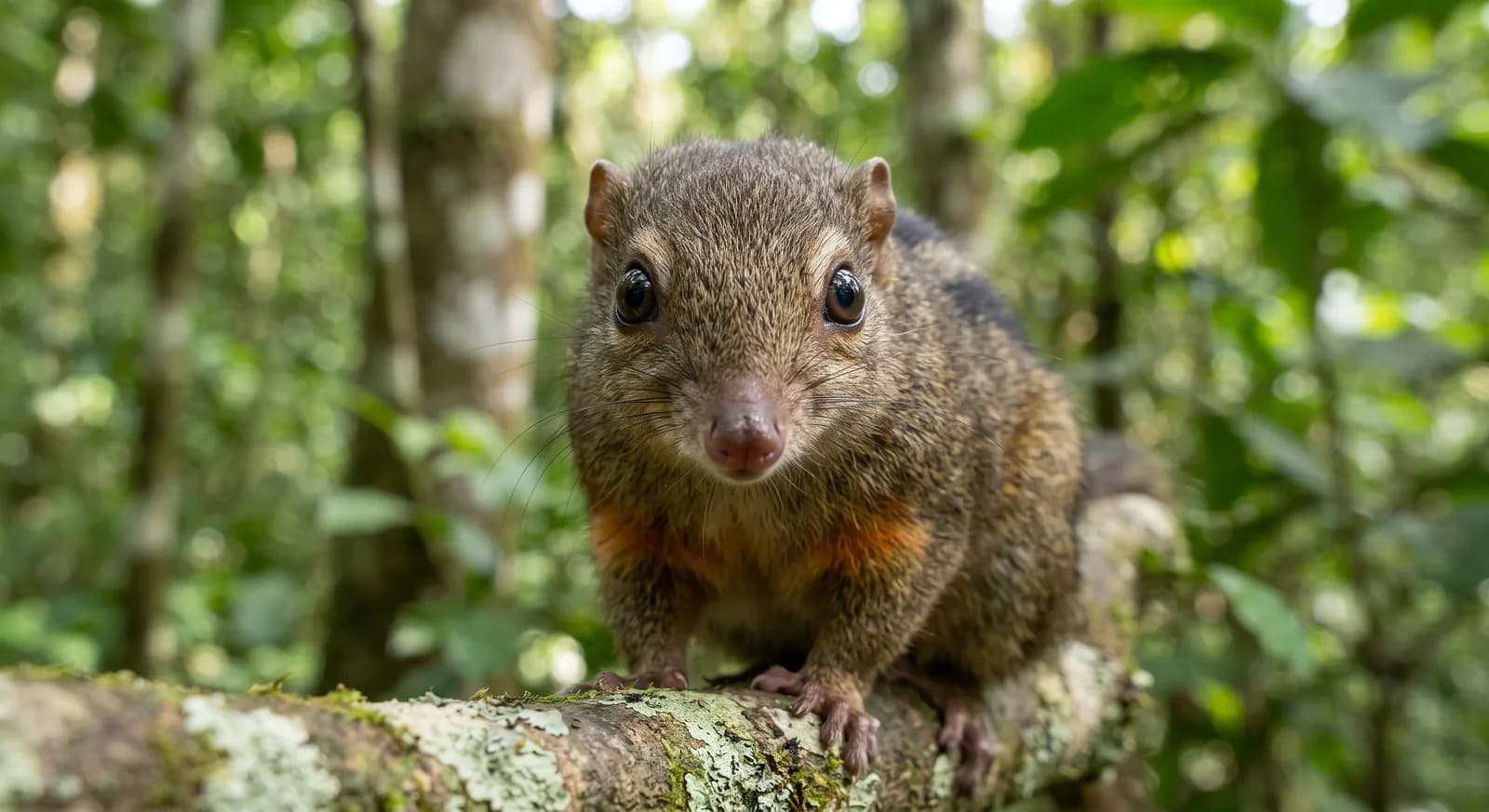
Common Treeshrew

Tupaia glis

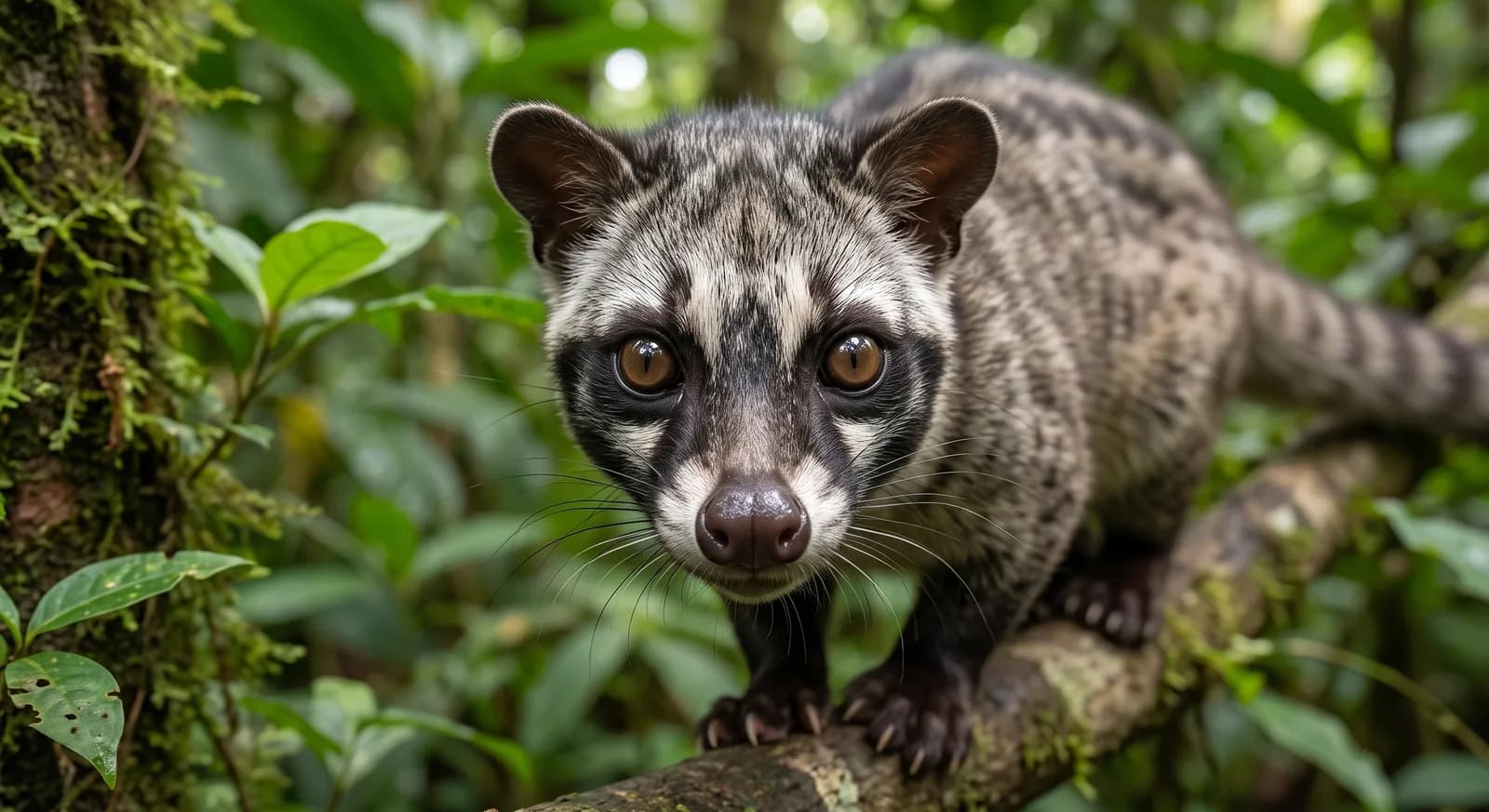
Common Palm CivetLeast Concern

Common Palm Civet

Paradoxurus hermaphroditus

Yellow-throated MartenLeast Concern

Yellow-throated Marten

Martes flavigula

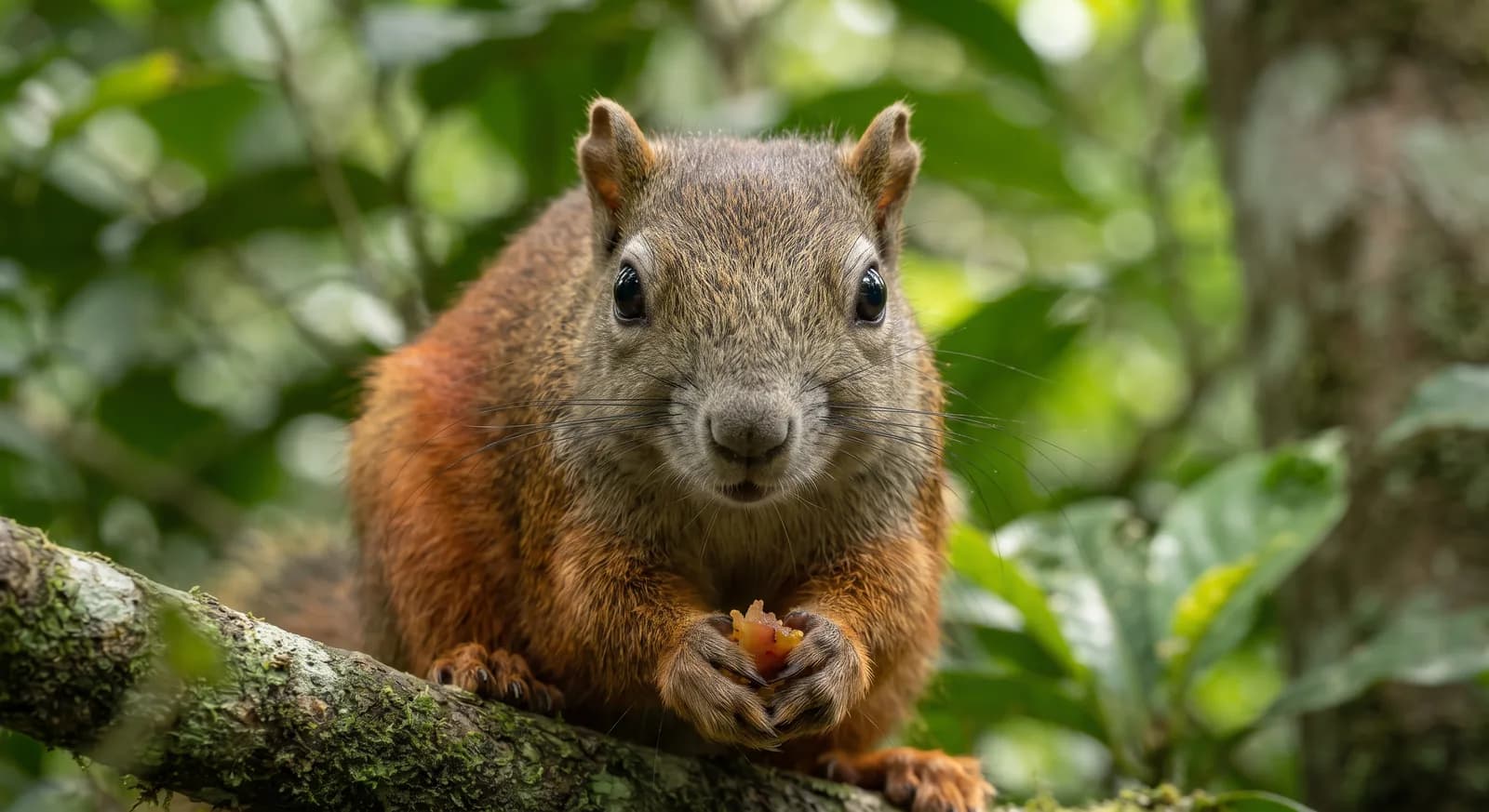
Pallas's SquirrelLeast Concern

Pallas's Squirrel

Callosciurus erythraeus

Mountain TreeshrewLeast Concern

Mountain Treeshrew

Tupaia montana

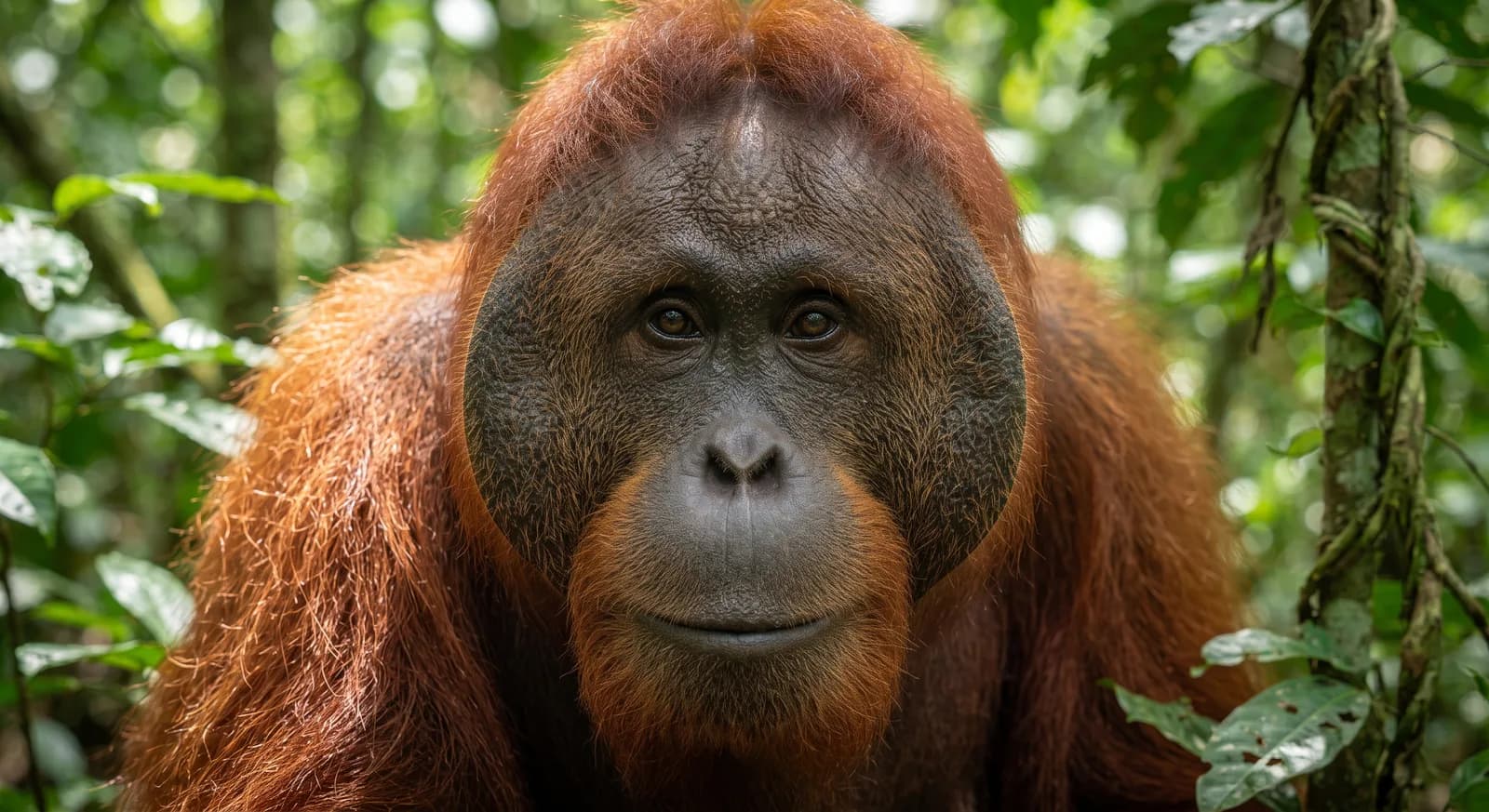
Bornean OrangutanCritically Endangered

Bornean Orangutan

Pongo pygmaeus

CountriesMalaysia
ParksGunung LeuserIndonesia
TagsOmnivore
Omnivore
Variable activity
Solitary
Rainforest
Mountain
Mammal
Malaysia
Indonesia
Thailand
China
Brunei
Laos
Brunei
Cambodia
China
Indonesia
Laos
Malaysia
Myanmar
Thailand
Vietnam