 Critically Endangered
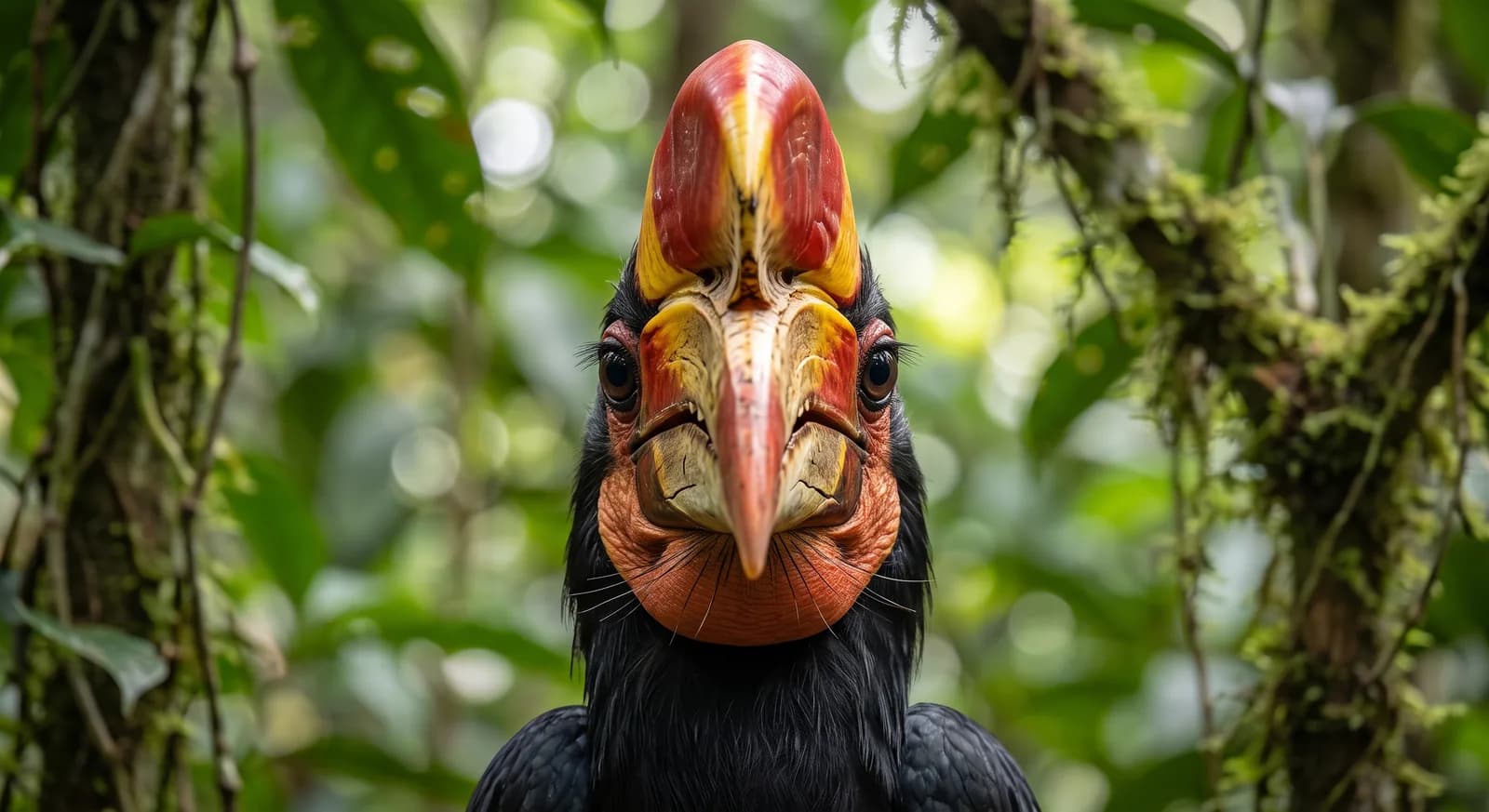
Helmeted Hornbill
Rhinoplax vigil
Asia
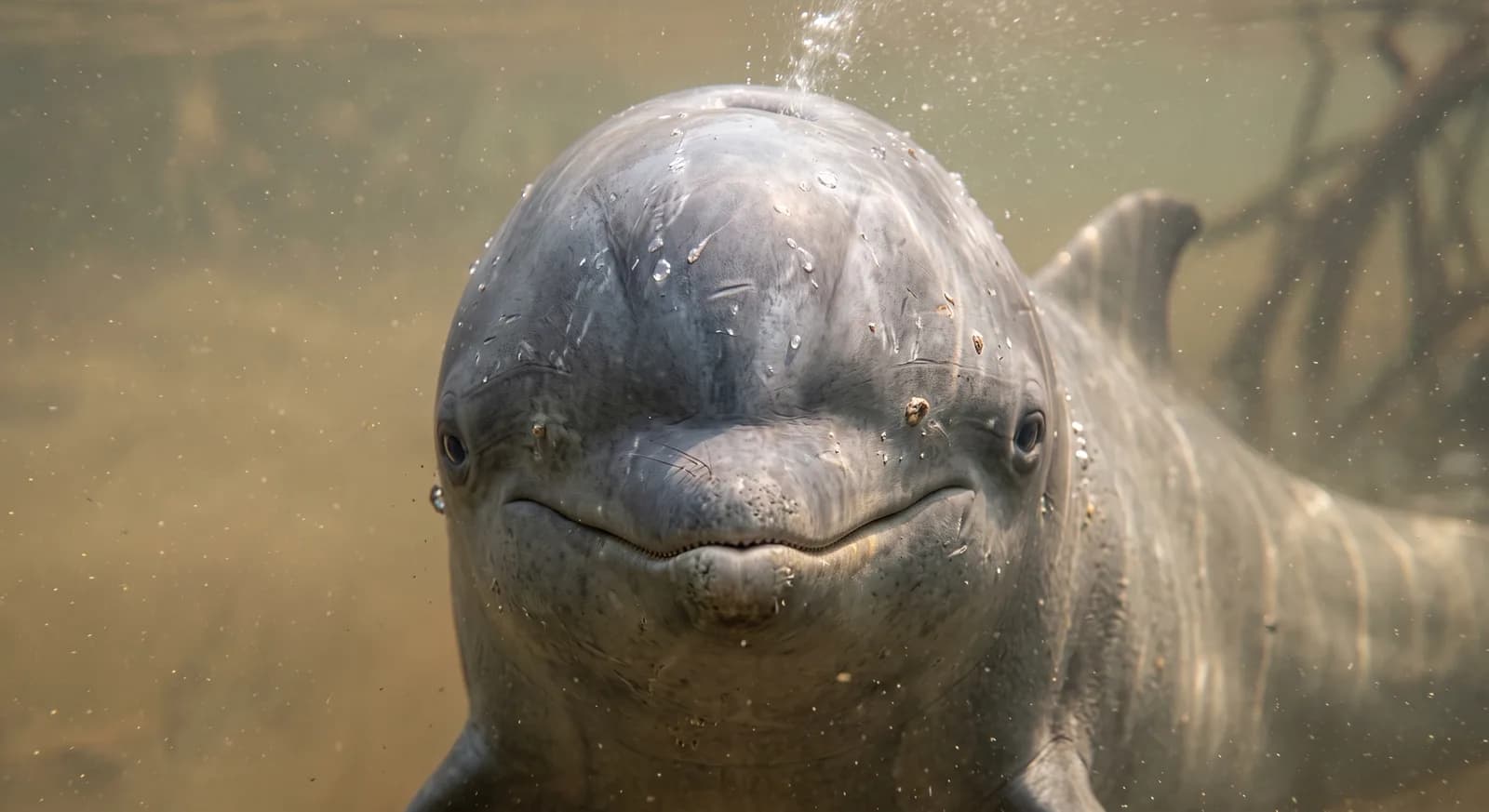
Laos is the only landlocked country in South-East Asia and also one of the most forested and mountainous in the region. The Annamite range, which marks the border with Vietnam, is one of the biologically most surprising areas on the planet: its isolation and its humid climate have allowed the survival of large mammals unknown to science until a few decades ago. The Mekong runs through the country from north to south and at its southern end opens out into the Four Thousand Islands archipelago and the Khone falls, the widest waterfall in the world, where the river's last Irrawaddy dolphins survive. The Bolaven plateau, with its volcanic soils, and the Khammouane karsts, with their underground rivers, complete the mosaic.
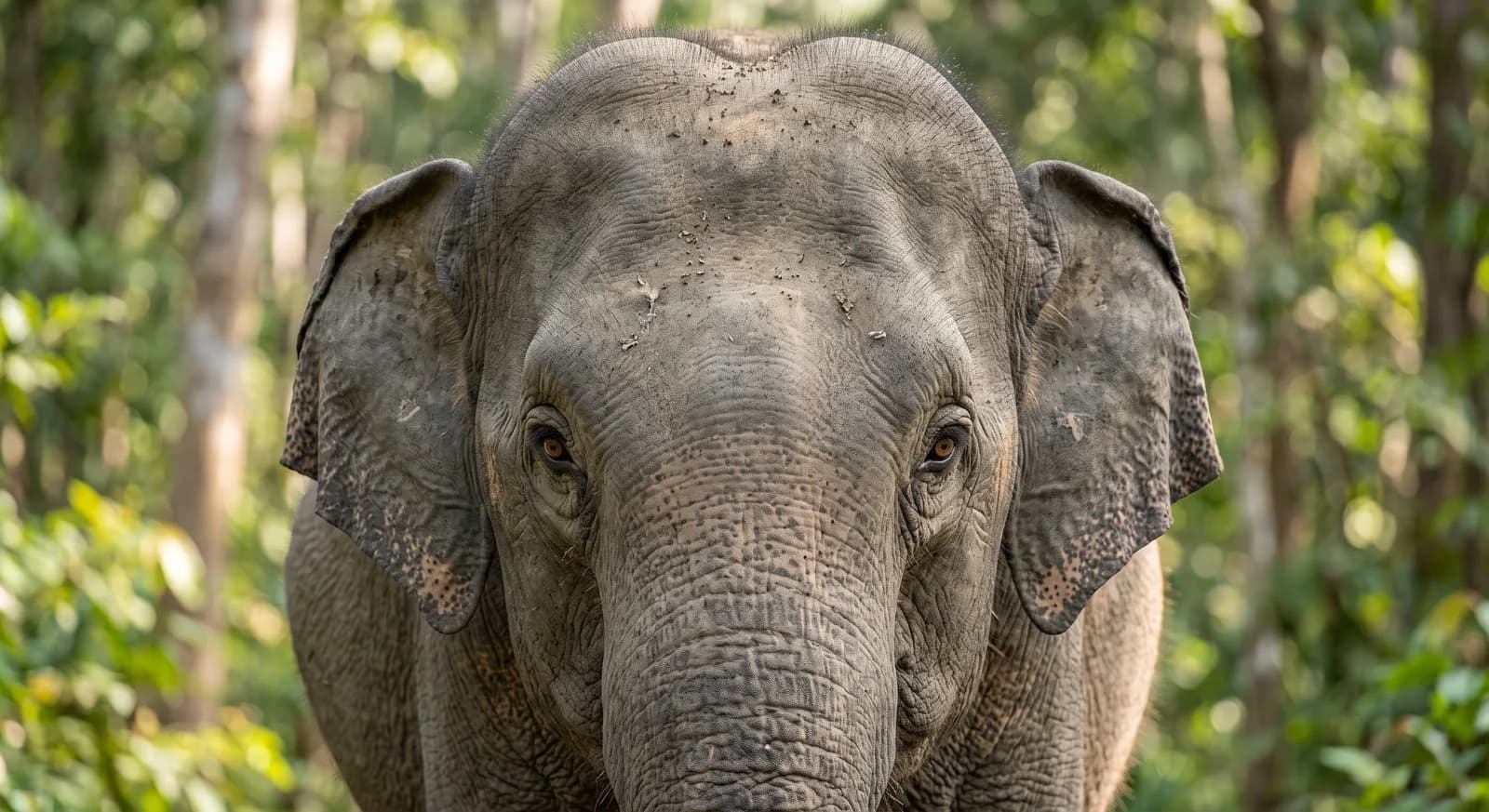
National animal: The Asian elephant, historic symbol of a country once known as the land of a million elephants
In 1992 the saola, a bovid with straight, parallel horns nicknamed the Asian unicorn, was identified in the forests of the Annamite range. It was the first large mammal new to science in more than half a century, and it remains an enigma: no biologist has ever observed it in the wild, and everything known about it comes from village trophies, from a few captured animals and from a handful of camera-trap photographs, the last of them from 2013.
The Laotian rock rat, discovered in a market in 2005, turned out to belong to a family that was believed to have been extinct for eleven million years. The dams on the Mekong and its tributaries threaten the migratory fish on which much of the region's protein depends.
Nam Et-Phou Louey in the dry season for night safaris by boat. The Four Thousand Islands for the last Irrawaddy dolphins. The Khammouane karsts for bats and cliff-dwelling birds.
118 species found
Based on what we already know about Laos.