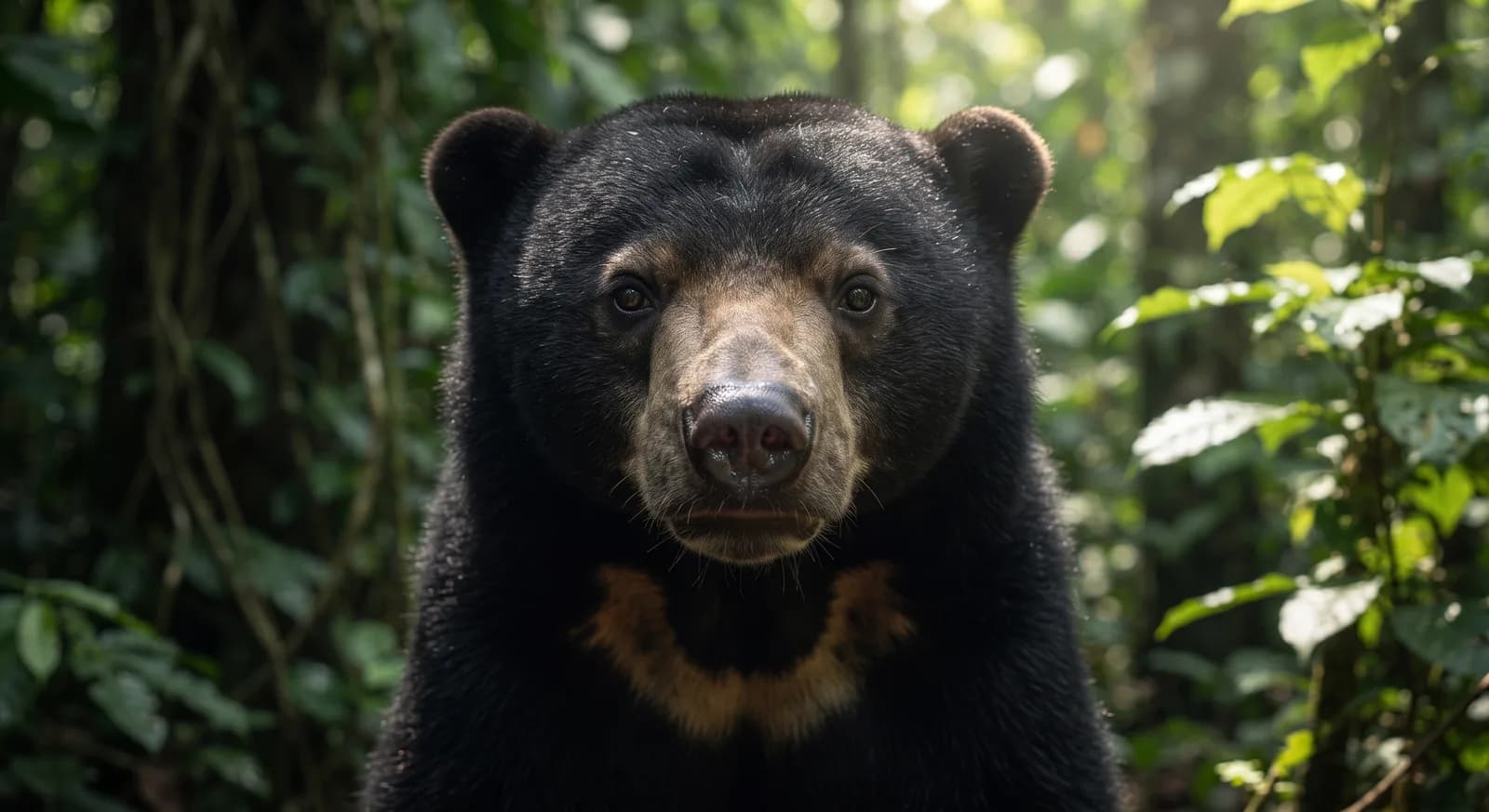
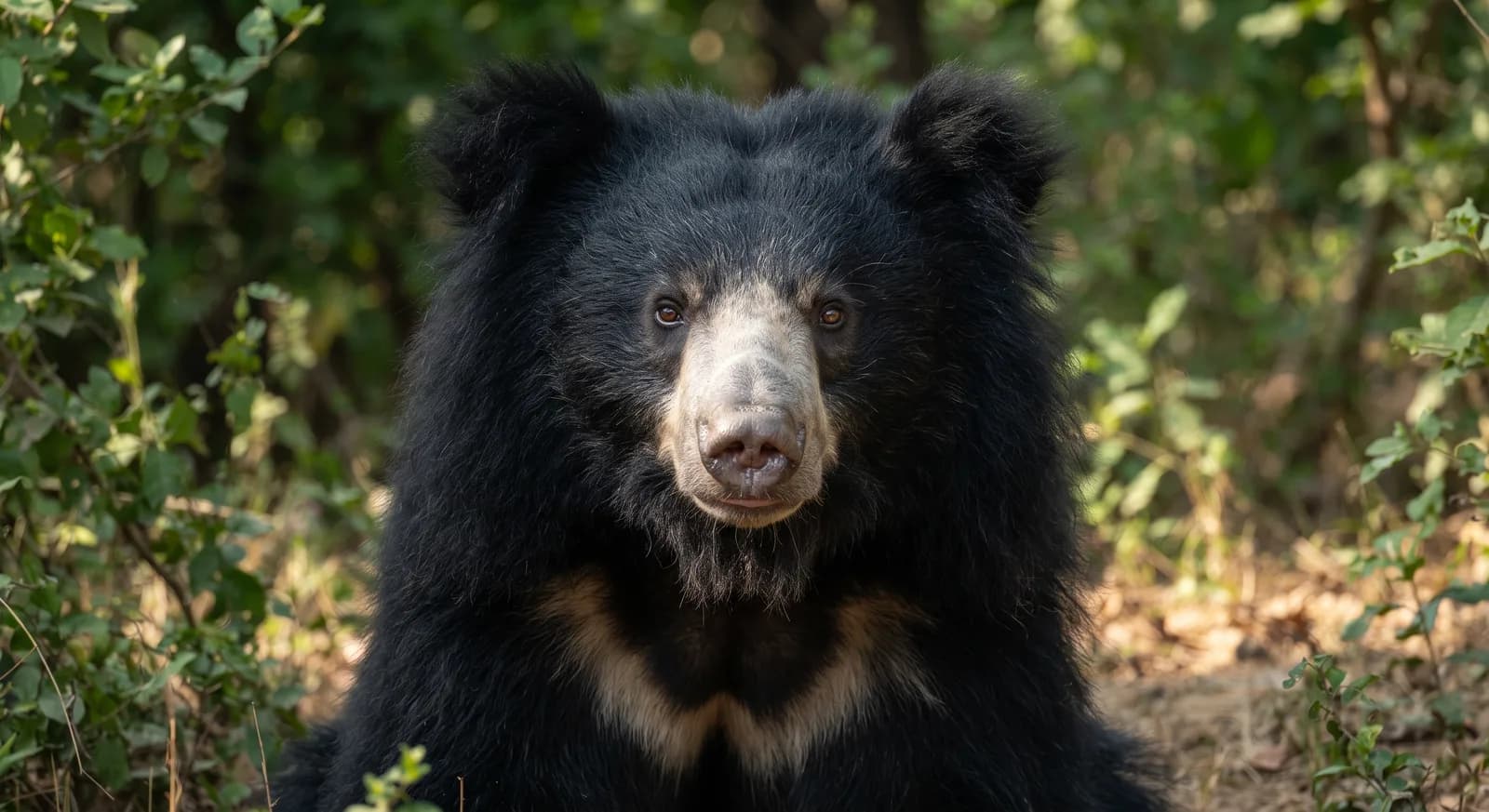
- Skeleton type
- Vertebrate - internal bony skeleton covered in keratin scales (mammal)
- Habitat and environment
- Subtropical and deciduous forest of southern China, the eastern Himalaya and northern South-East Asia
- Birth weight
- 92.5 grams to 1 lb (~450 g) depending on the source; 23-45 cm long at birth
- Size at birth
- Already covered in soft, pliable scales at birth, which harden within the first few days
- Sexual maturity
- Before its first birthday (some sources give ~755 days, a little over 2 years)
- Gestation / incubation
- Highly variable by source: 70-235 days of active gestation, though the whole span from mating to birth can stretch to 10-12 months through possible delayed implantation
- Litter / clutch size
- 1 young per birth
- Life expectancy in captivity
- Documented record of up to 15.3 years in captivity