Critically Endangered
Indian Vulture
Gyps indicus
Asia
Bhutan is one of the few countries in the world with a negative carbon balance, that is, one that absorbs more greenhouse gases than it emits, and its constitution requires at least sixty per cent of the territory to be kept under forest, a threshold it comfortably exceeds today. Its relief rises from the subtropical forests of the south, at Royal Manas, to the Himalayan summits of the north, and more than half the country is protected through parks connected by legally recognised biological corridors. That continuity allows large mammals to move up and down in altitude with the season. The Phobjikha valley receives the black-necked cranes every winter, birds regarded as sacred whose arrival is celebrated with a festival and whose protection has even determined how the valley's power lines are laid.
National animal: The takin, the country's national animal
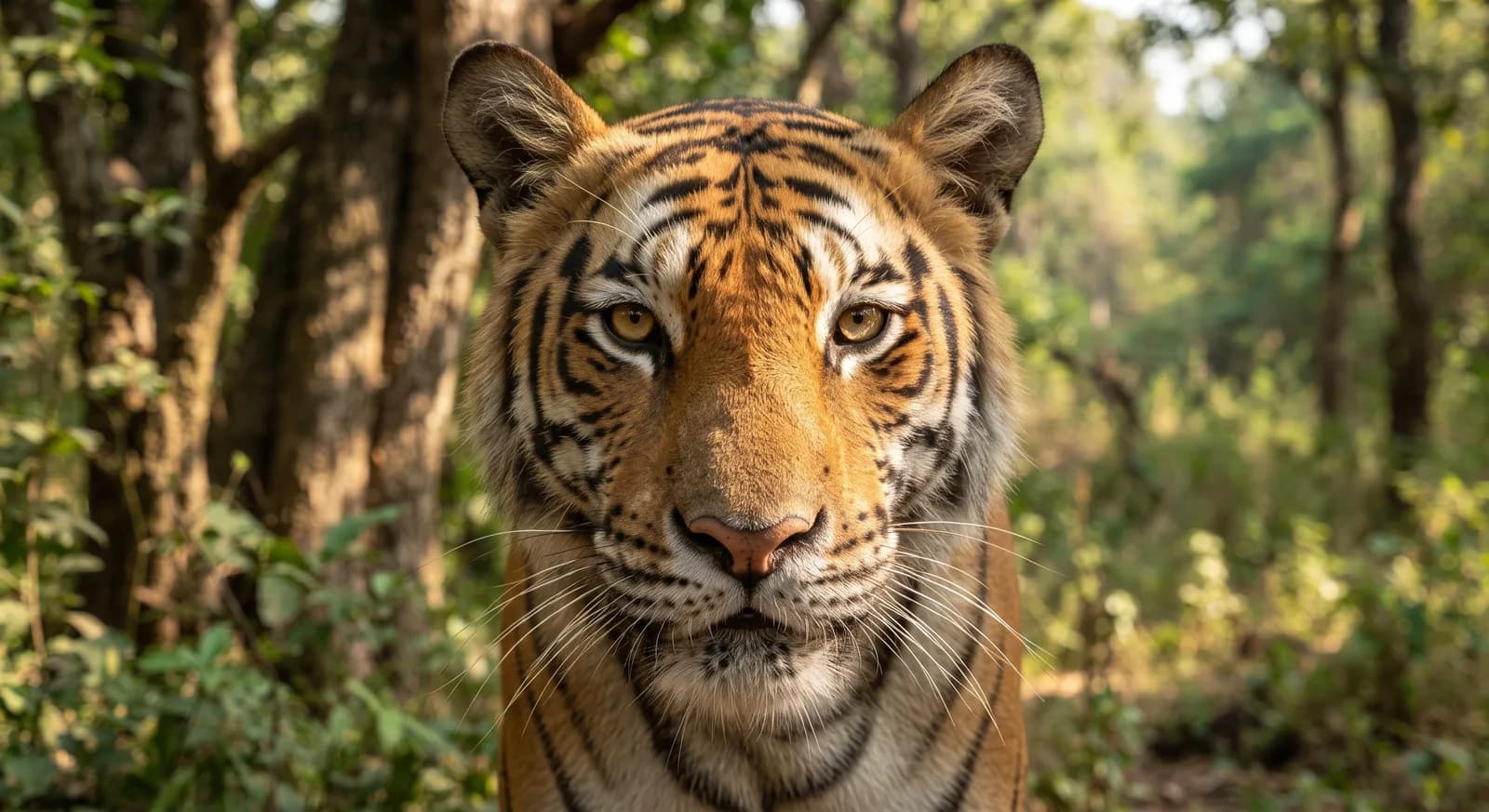
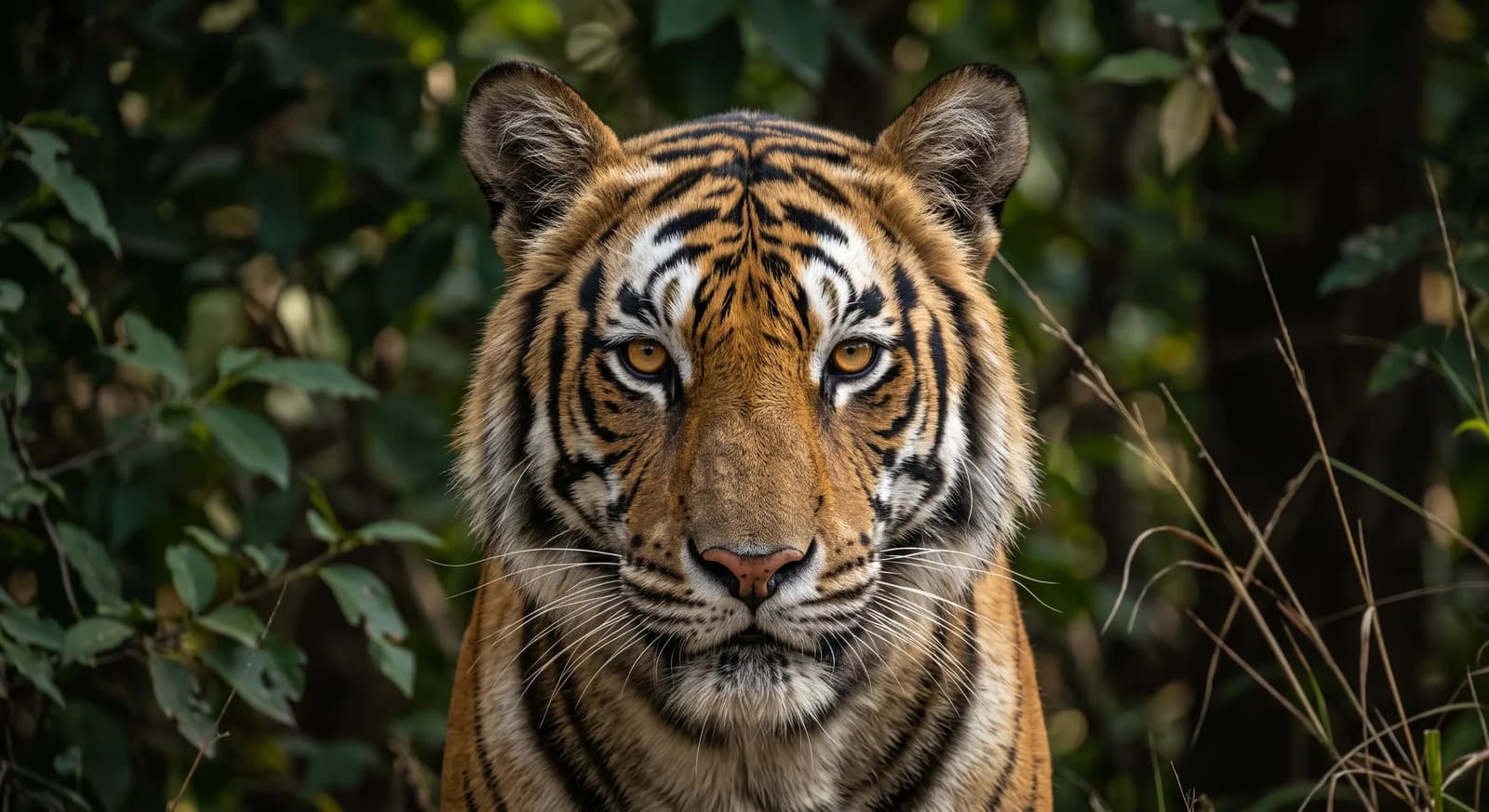
Bhutan's camera traps have photographed tigers above four thousand metres, the highest records of the species anywhere in the world. At that altitude they share ground with the snow leopard, something that happens in no other country, and they show that the biological corridors linking the parks from north to south really do work as high-altitude passageways for wildlife.
The country has given the biological corridors between parks legal standing, something unusual anywhere in the world, which keeps the populations of large mammals connected. Living alongside leopards and bears creates conflict with livestock farming that is offset by community insurance schemes.
Phobjikha between November and February for the black-necked cranes. Jigme Dorji in spring for takin in the high pastures. Manas in winter for subtropical wildlife.
115 species found
Based on what we already know about Bhutan.