Skip to content
WAnimals
  • Map
  • Species
  • Parks
  • Diving
Log inCreate account
WAnimals

The guide for travellers and animal lovers: discover, plan and share your wild adventures around the world.

Discover wildlife

  • Species
  • Ecosystems
  • Glossary
  • Tags

Explore places

  • Map
  • Countries
  • Parks
  • Diving

Plan experiences

  • Guides

Learn

  • Blog

Resources

  • About us
  • How we build our profiles
  • Help centre
  • Contact
  • Install the app

Follow us

Account

  • Log in
  • Create account

© 2026 WAnimals. All rights reserved.

Terms of servicePrivacyCookiesLegal notice
MapSpeciesParksDiving
  1. Home
  2. Species
  3. Alpine Musk Deer

One of the 12 deer on WAnimals
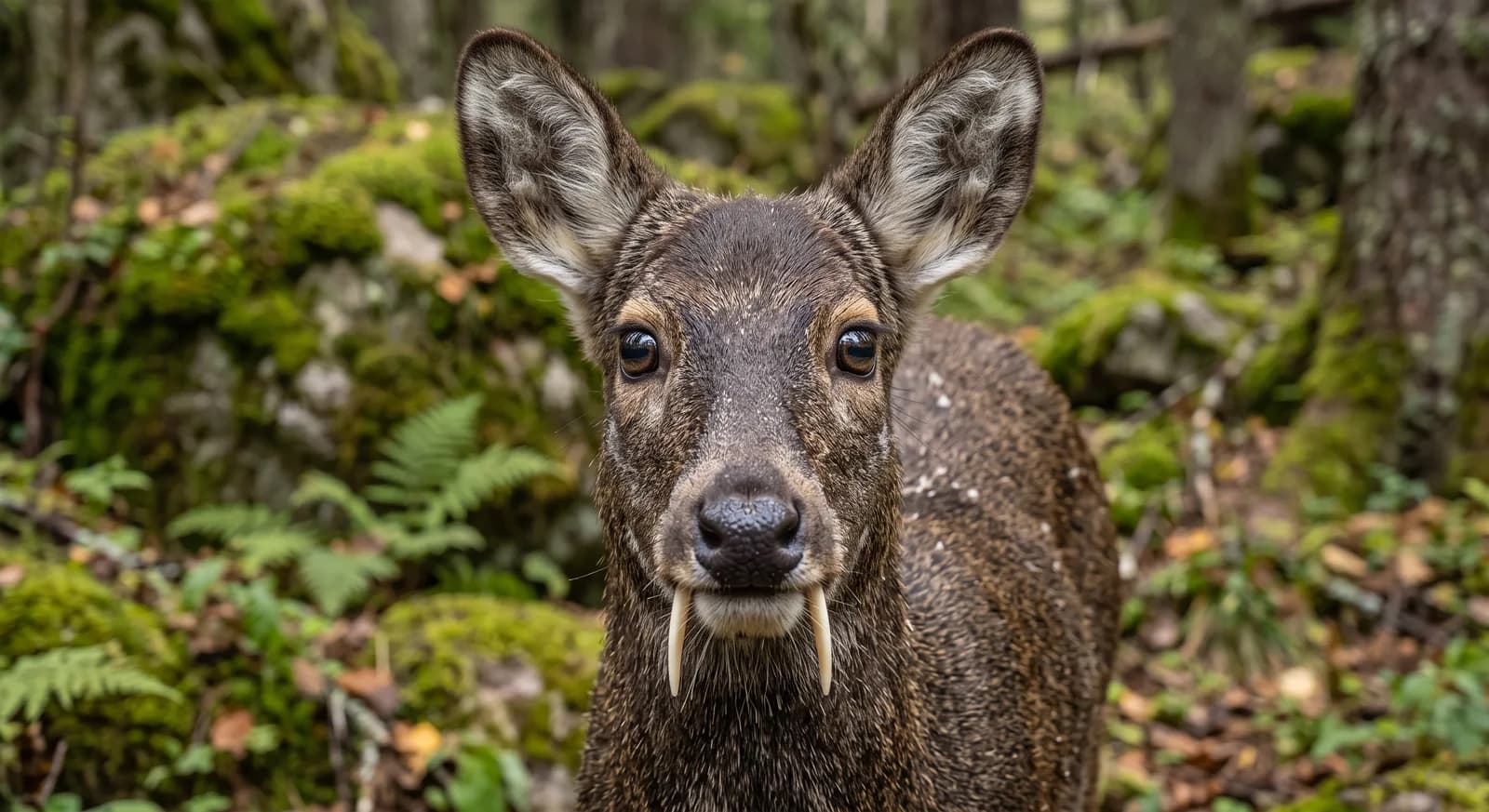
Alpine Musk Deer (Moschus chrysogaster)

Mammals · Artiodactyla · Moschidae

Alpine Musk Deer

Moschus chrysogaster

Endangered

At very high risk of extinction in the wild in the near future.

Spotted something wrong?

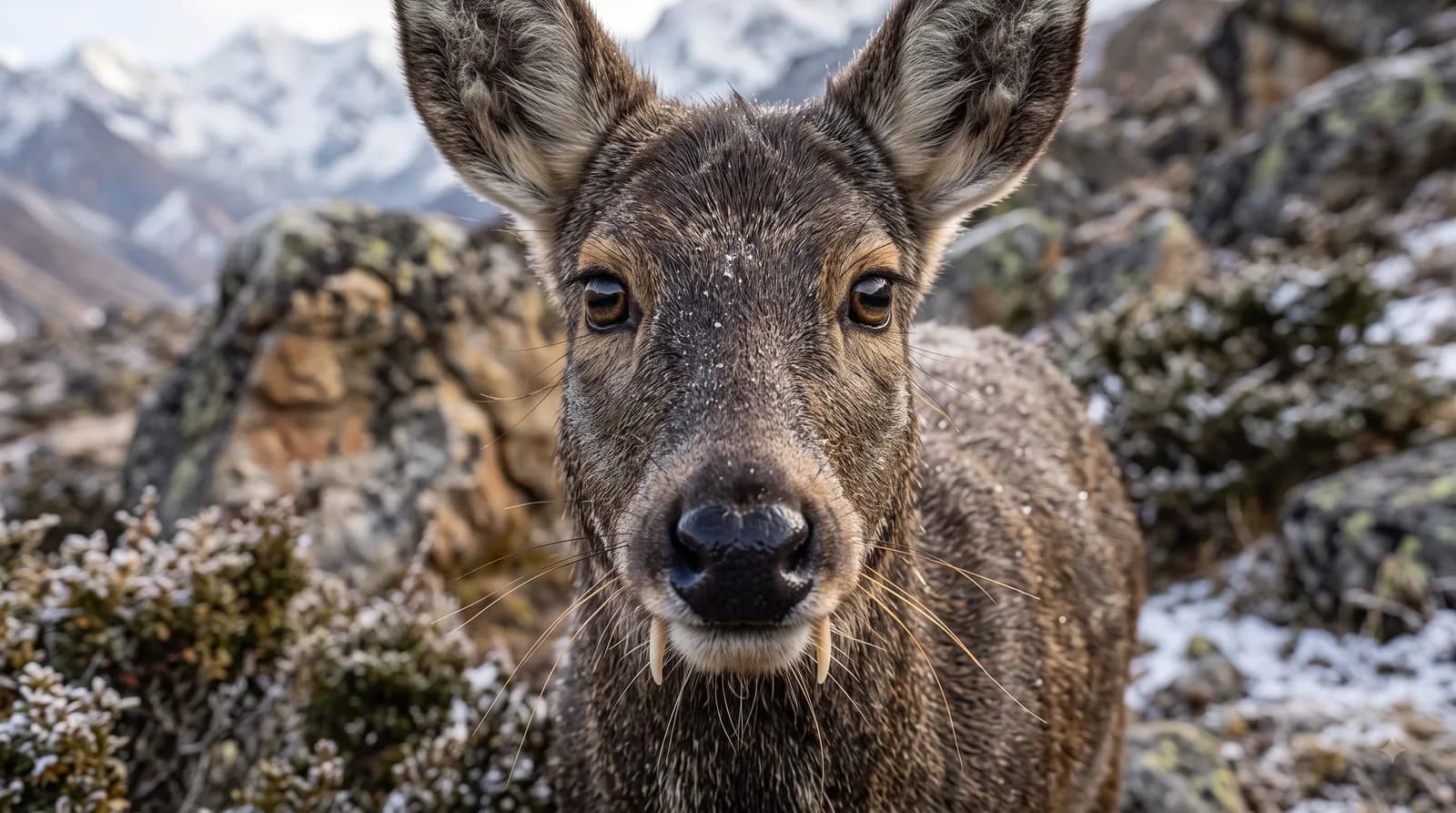
The alpine musk deer is a small, primitive ungulate of the high-altitude forests of the Himalaya and the Tibetan plateau. Like the other musk deer it has no antlers and the males display curved upper canines. It lives alone on steep ground and feeds on lichens, leaves and shoots. The musk gland of the males is one of the most expensive raw materials in the world, and hunting for the illegal trade has decimated the species throughout its range.

Weight

11 kg – 18 kg

Size

80 cm – 1 m

Life expectancy

15 years
Diet

Herbivore

Feeds mainly on plants.

Activity

Crepuscular

Active mainly at dawn and dusk.

Social structure

Solitary

Lives and hunts alone, joining others only to breed.

Temperate forestMountain
8countries14parks1same family

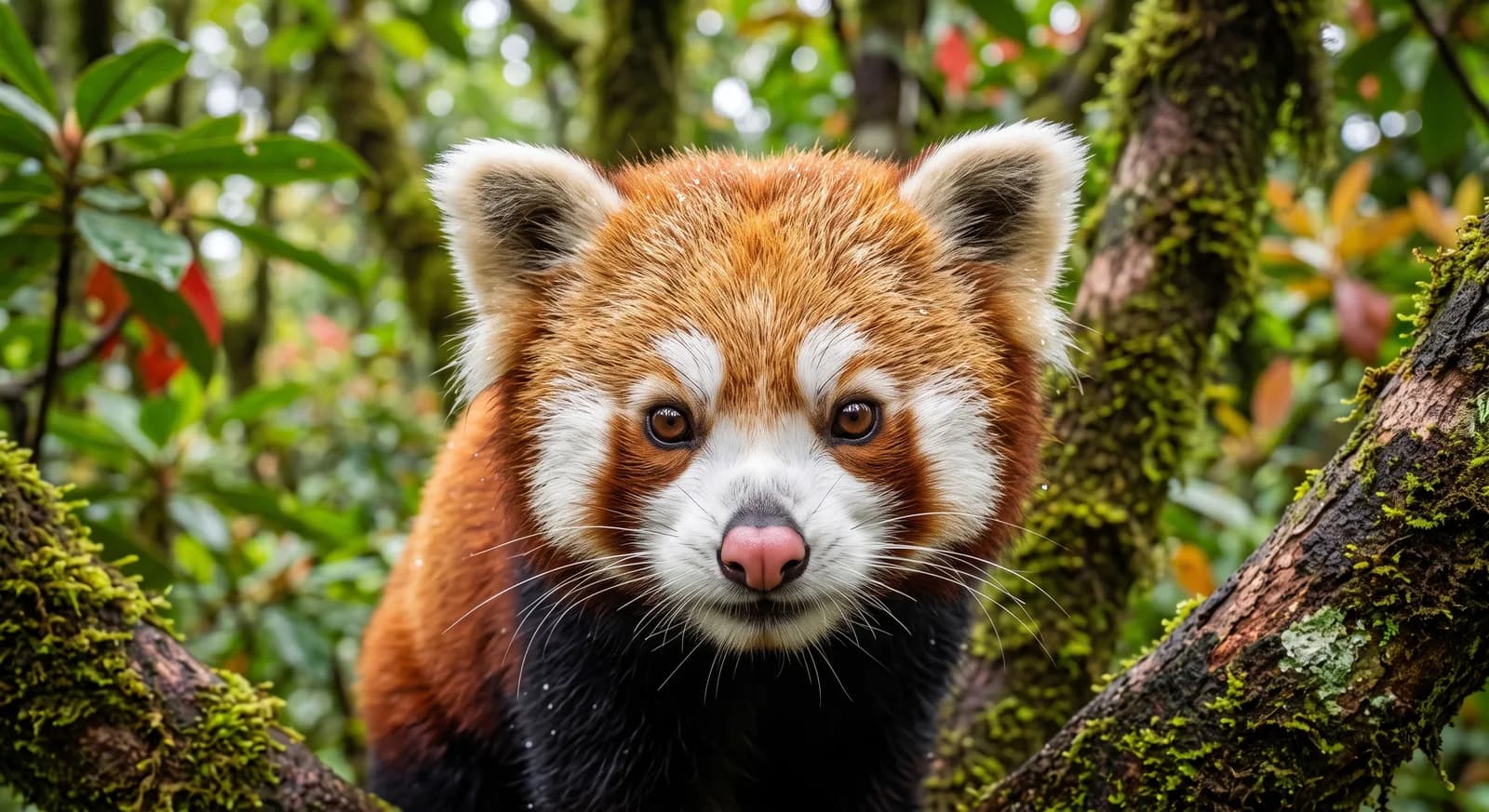
AI-generated images: illustrations, not photographs.

Fun facts

  • Its musk gland has fetched prices higher than gold on the illegal market, and since hunters cannot tell the sexes apart using snares, several females and young die for every productive male.
  • It leaps and climbs over rock with extraordinary agility for an ungulate, and can move along ledges where only ibexes can follow it.

Life cycle and biology

Skeleton type
Vertebrate - internal bony skeleton (mammal)
Habitat and environment
Coniferous forest and rhododendron scrub of the Himalaya, between 2,500 and 4,500 metres
Sexual maturity
21 months
Gestation / incubation
6.2 months
Litter / clutch size
1

Sources consulted: Wikipedia (es): Moschus chrysogaster

Where to find it

Loading map…

The pins mark the parks where its presence is documented.

Where to see it

Parks and dive sites where this species has been documented — showing 10 of 14.

Related species

Other species in the catalogue with the most in common with Alpine Musk Deer — same habitat, park, country, tags or family.

Shares a park
Shares a park
Same taxonomic family
Shares a park
Shares a park
Shares a park

How to help

The alpine musk deer is classified as endangered. Organisations such as the IUCN, WWF and the Wildlife Conservation Society work specifically on its conservation and that of its habitat; looking into their programmes is a good starting point if you want to get involved.

It's documented in 9 protected areas — one reason why protecting these places matters for its conservation.

Keep exploring

Based on what we already know about alpine musk deer.

Share an experience, a fun fact or a tip for seeing the alpine musk deer.
See full glossary
This page in other languages: Español · Deutsch · Français · Português · Italiano
See its range on the interactive map→
SagarmathaNepal
AnnapurnaNepal
Jigme DorjiBhutan
Nanda DeviIndia
LangtangNepal
Valley of FlowersIndia
Great Himalayan National ParkIndia
Makalu BarunNepal
Shey PhoksundoNepal
PotatsoChina
See all 14 parks
Red PandaEndangered

Red Panda

Ailurus fulgens

Endangered

Black Snub-nosed Monkey

Rhinopithecus bieti

Siberian Musk DeerVulnerable

Siberian Musk Deer

Moschus moschiferus

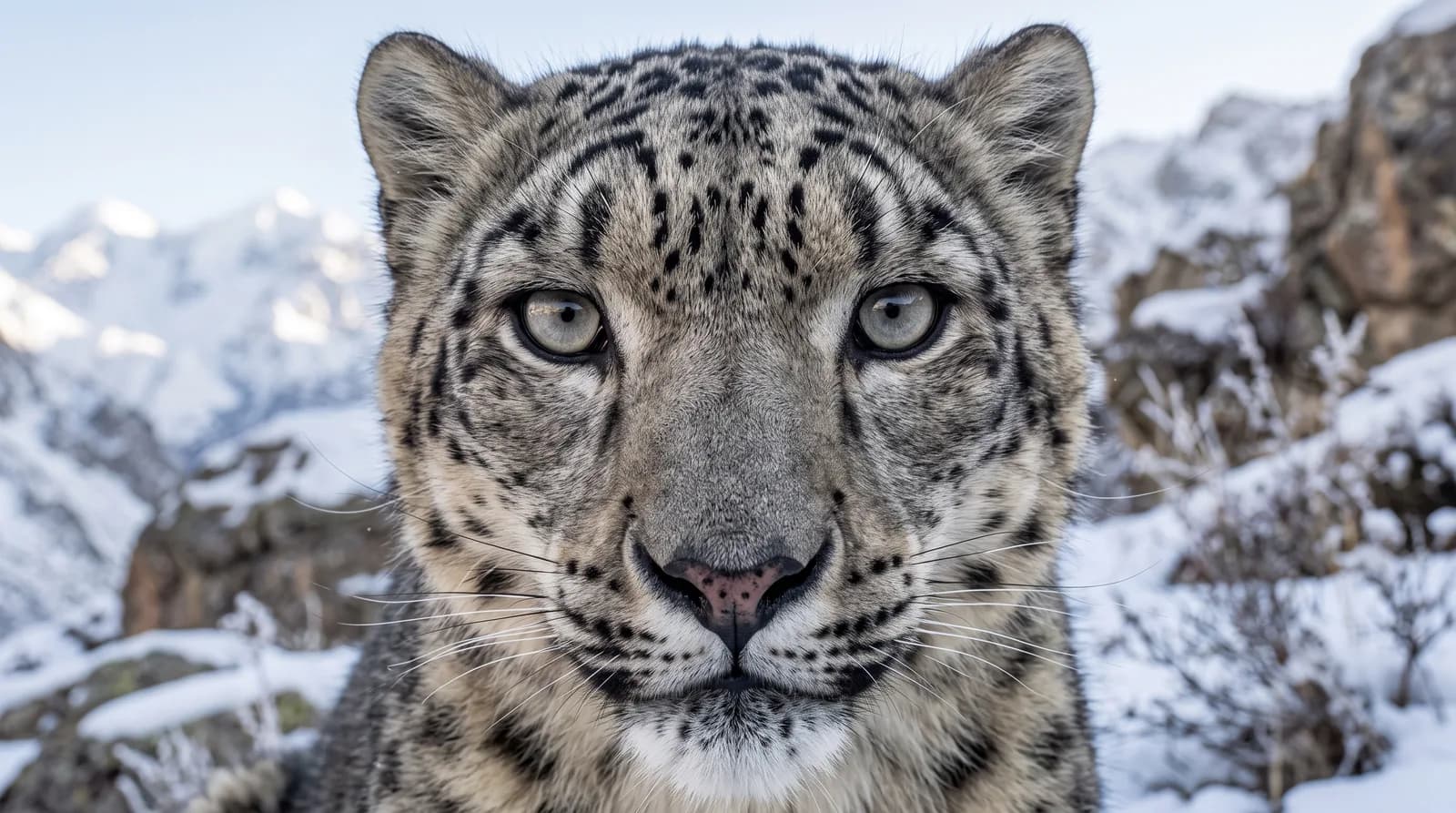
Snow LeopardVulnerable

Snow Leopard

Panthera uncia

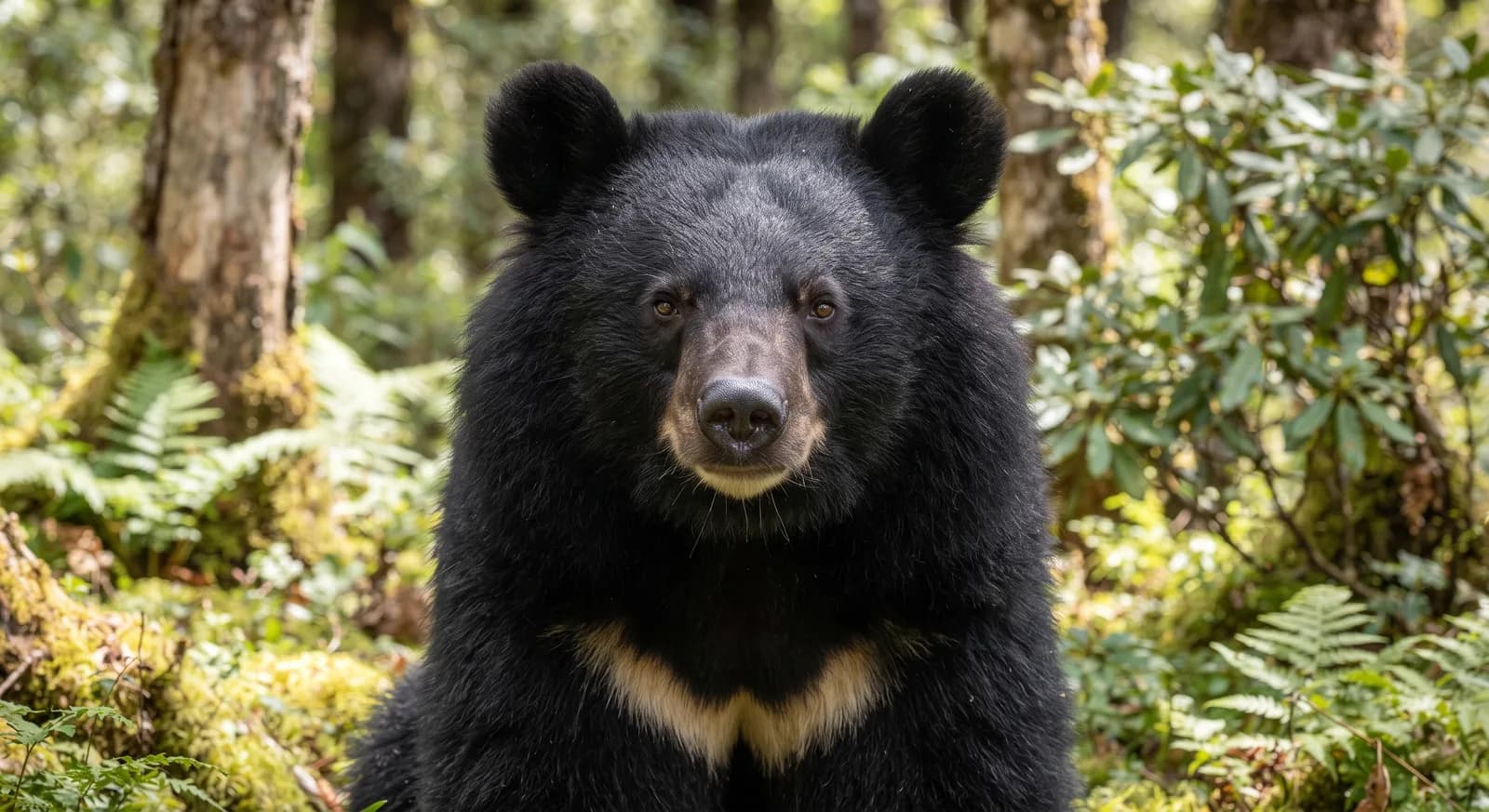
Asiatic Black BearVulnerable

Asiatic Black Bear

Ursus thibetanus

Near Threatened

Himalayan Goral

Naemorhedus goral

CountriesNepal
ParksSagarmathaNepal
TagsHerbivore
Herbivore
Crepuscular
Solitary
Endangered
Temperate forest
Mountain
Mammal
Nepal
China
India
Bhutan
Afghanistan
Kyrgyzstan
Pakistan
Tajikistan