 Critically Endangered
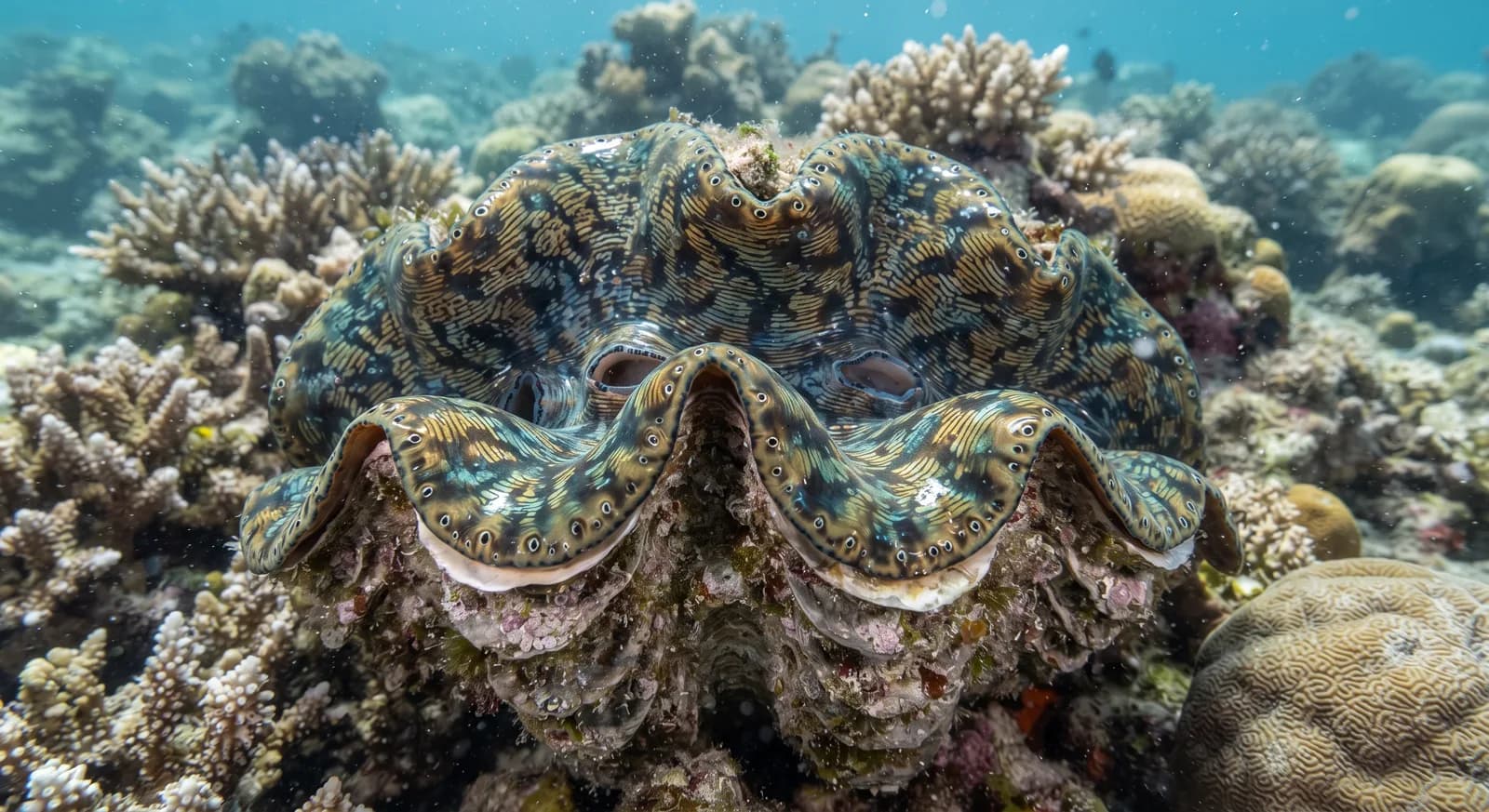
Giant Clam
Tridacna gigas
Asia
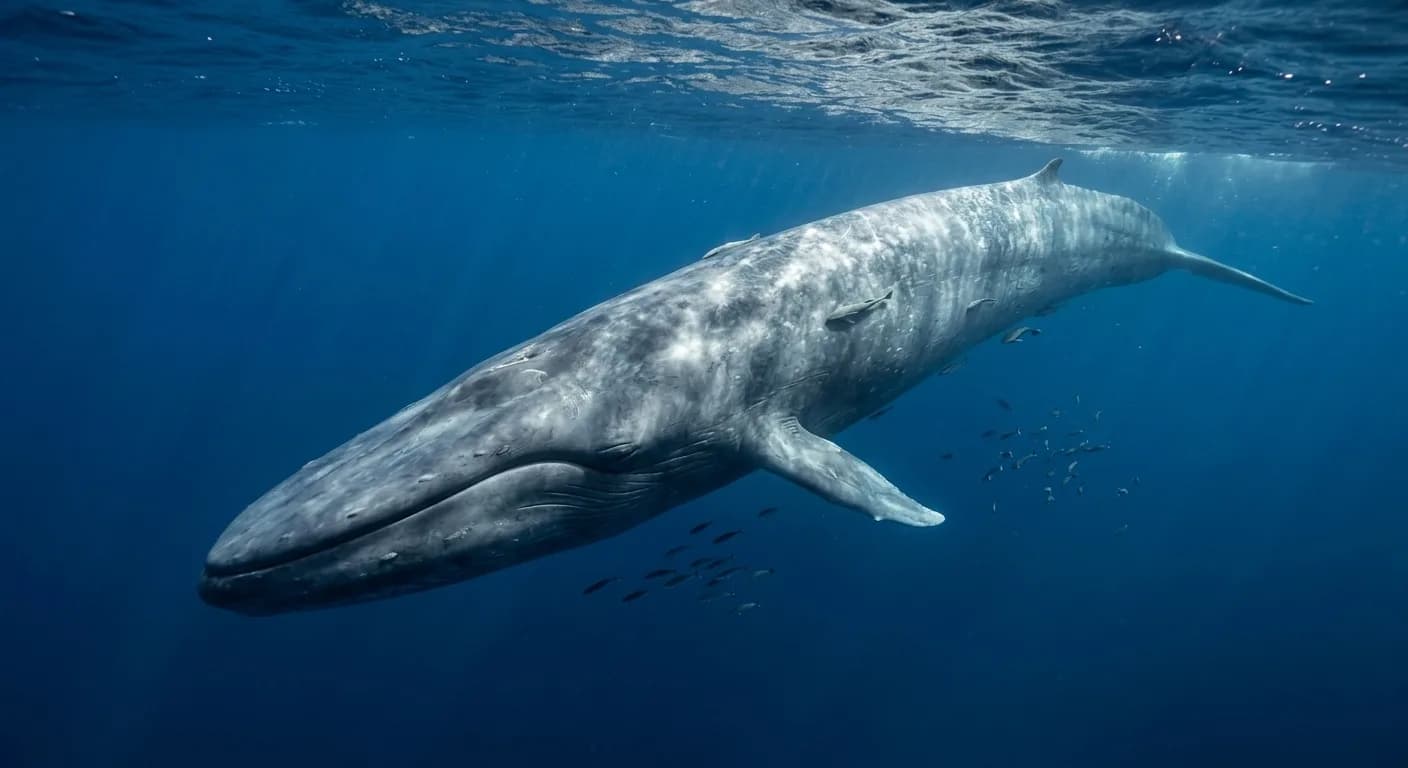
Sri Lanka forms, together with the Western Ghats of India, one of the planet's biodiversity hotspots, with an extremely high proportion of endemic species for its size. The island divides into a wet zone in the southwest, where the Sinharaja rainforest survives, and a dry zone across the rest of the territory, with monsoon forests, ancient tanks or reservoirs, and savannahs. In the centre rise the highlands, with high-altitude grassland and cloud forest at Horton Plains, and on the coast appear mangroves, lagoons and reefs. The island holds a very high leopard density at Yala and an important Asian elephant population. Off the southern coast the continental shelf falls away sharply and brings blue whales close to shore.
National animal: The Sri Lanka junglefowl is the national bird; the lion is the heraldic symbol on the flag
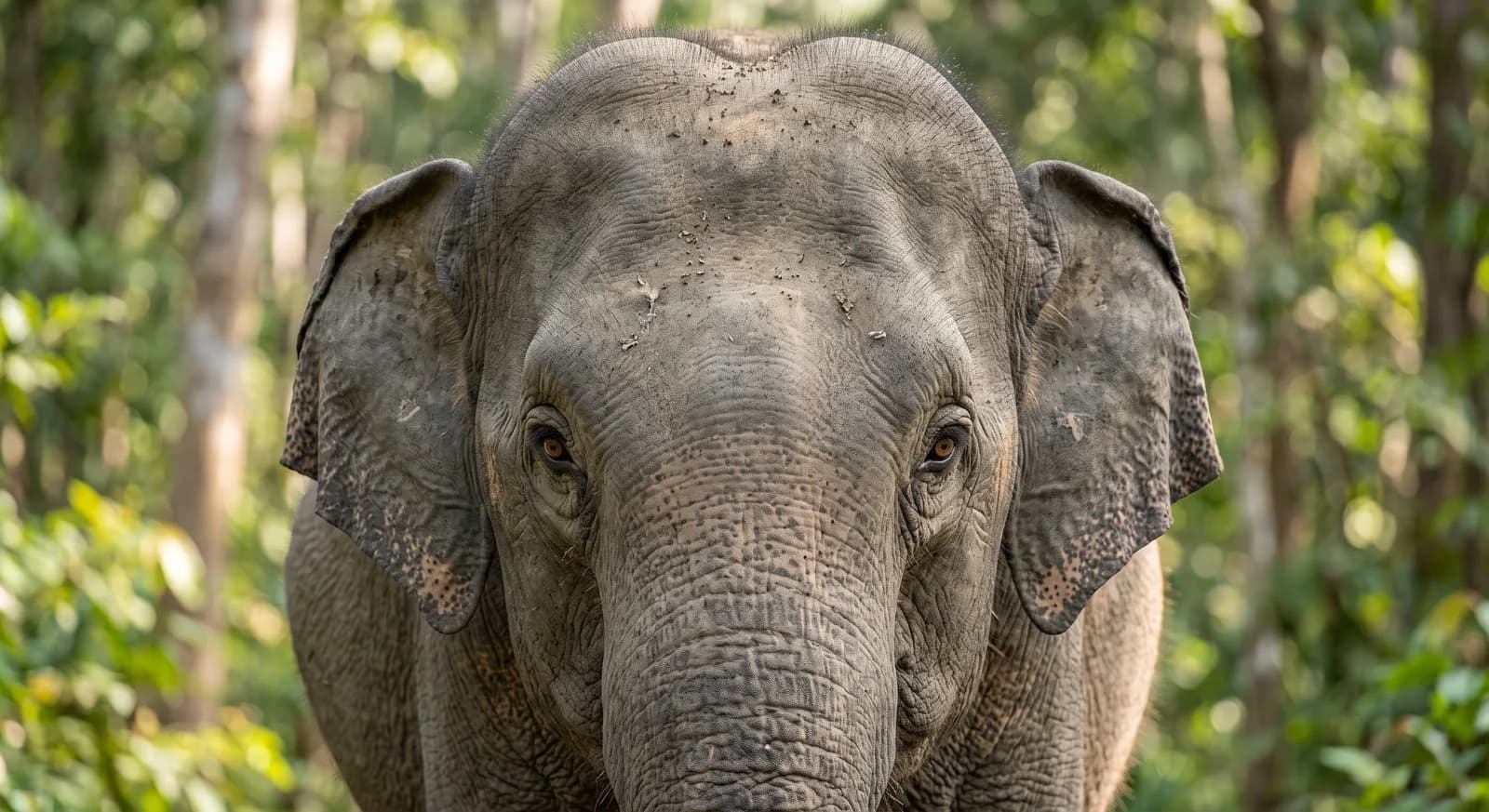
When the Minneriya reservoir drops in the dry season, fresh grass grows on the exposed bed and one elephant after another begins to arrive from the surrounding forests. Between August and September more than three hundred animals can come together at once, which makes it the largest known concentration of Asian elephants in the world, a phenomenon known locally as the Gathering.
Conflict between elephants and farmers causes numerous deaths every year on both sides and is the country's main conservation challenge. Sinharaja, the last great fragment of primary rainforest, is a World Heritage Site.
Minneriya between August and September for the Gathering of elephants. Mirissa between December and April for blue whales. Yala in the dry season for leopards.
Where else might I want to travel?
Same region: South Asia
Same region: South Asia
Same region: South Asia
Same region: South Asia
225 species found
Based on what we already know about Sri Lanka.