Skip to content
WAnimals
  • Map
  • Species
  • Parks
  • Diving
Log inCreate account
WAnimals

The guide for travellers and animal lovers: discover, plan and share your wild adventures around the world.

Discover wildlife

  • Species
  • Ecosystems
  • Glossary
  • Tags

Explore places

  • Map
  • Countries
  • Parks
  • Diving

Plan experiences

  • Guides

Learn

  • Blog

Resources

  • About us
  • How we build our profiles
  • Help centre
  • Contact
  • Install the app

Follow us

Account

  • Log in
  • Create account

© 2026 WAnimals. All rights reserved.

Terms of servicePrivacyCookiesLegal notice
MapSpeciesParksDiving
  1. Home
  2. Guides
  3. Wildlife by group and country
  4. Reptiles in Sri Lanka
Saltwater Crocodile

Wildlife by group and country

Reptiles in Sri Lanka

  • 2 parks and reserves
  • 3 dive sites
  • 3 species

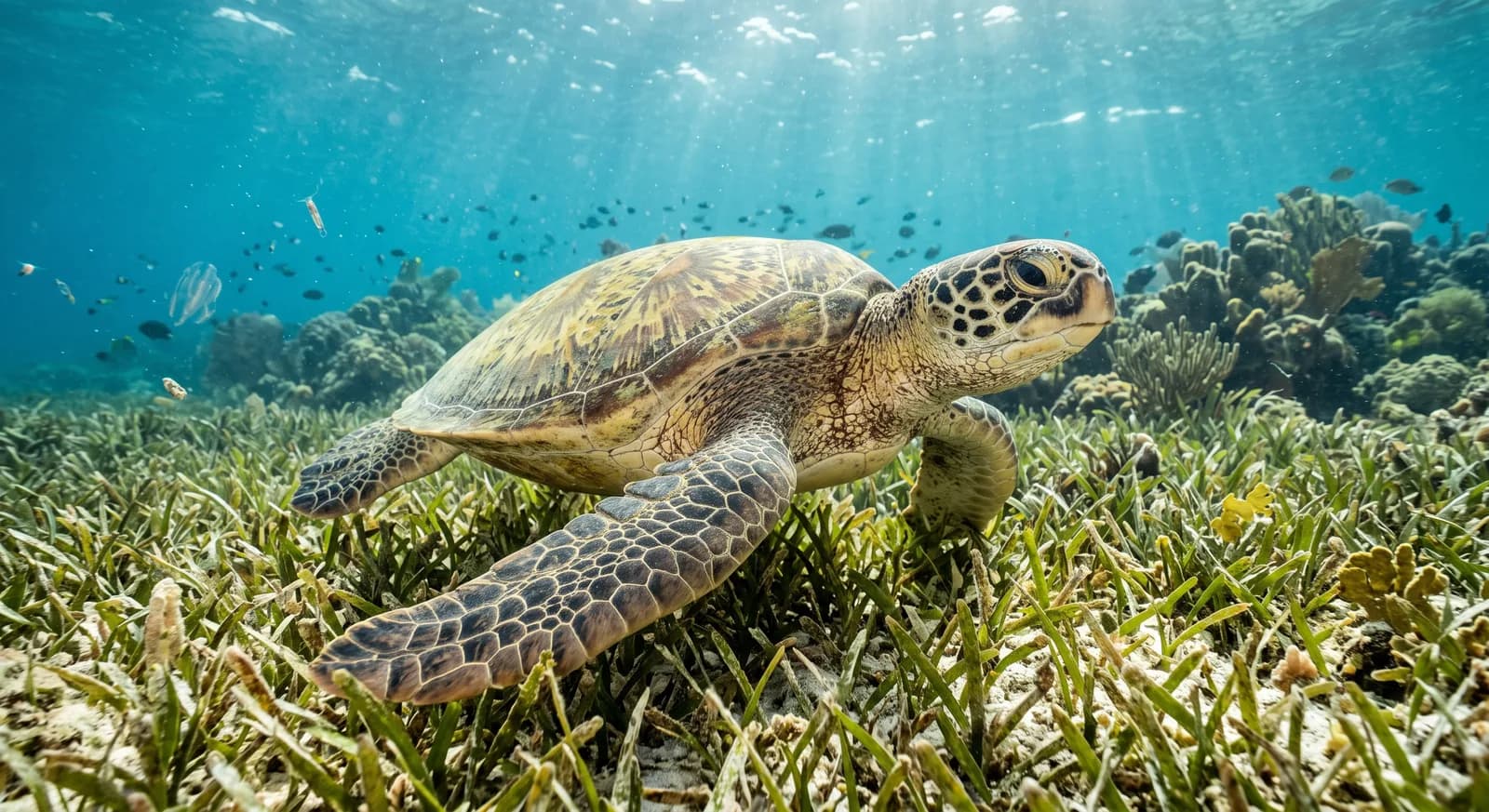
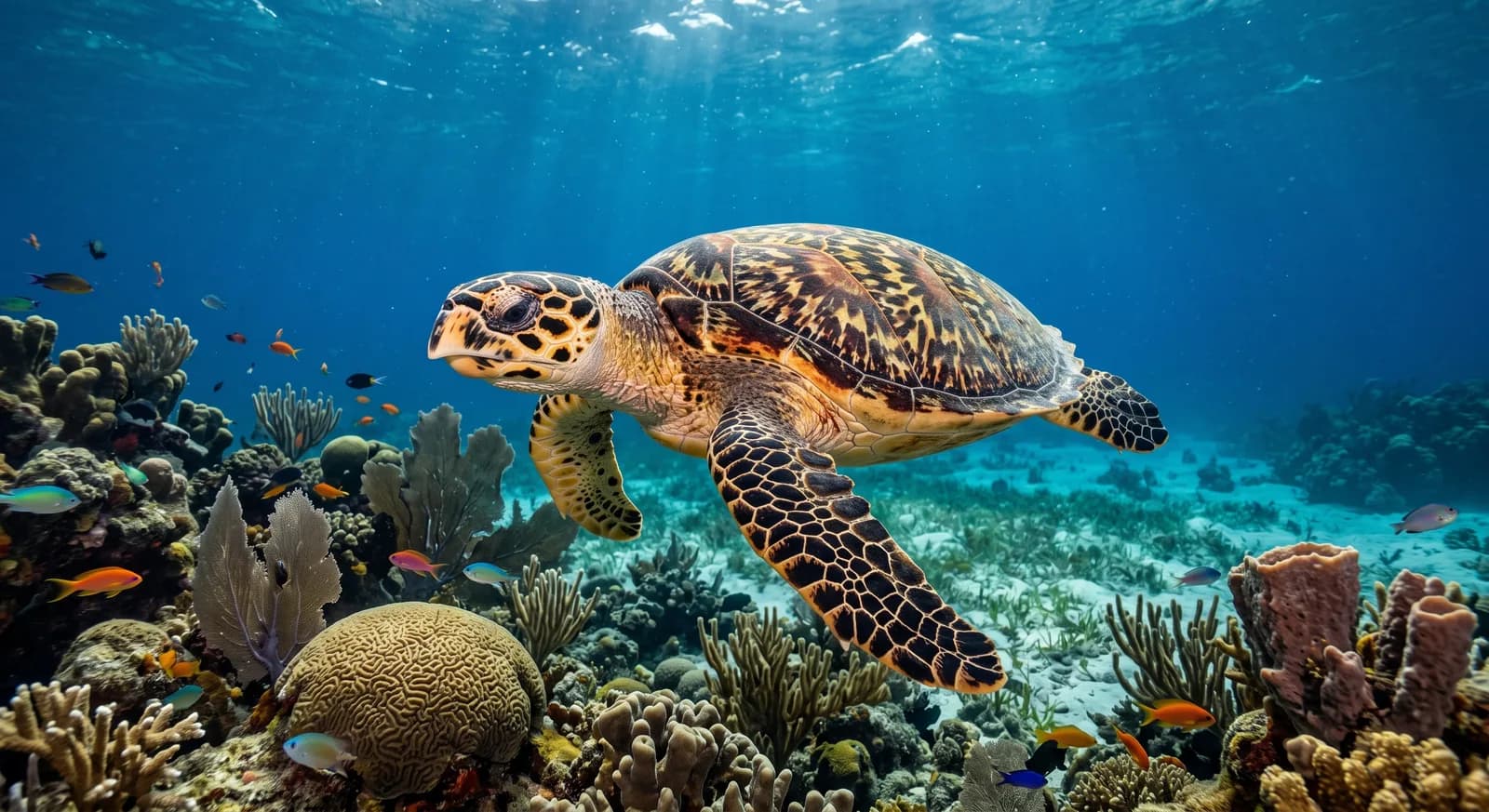
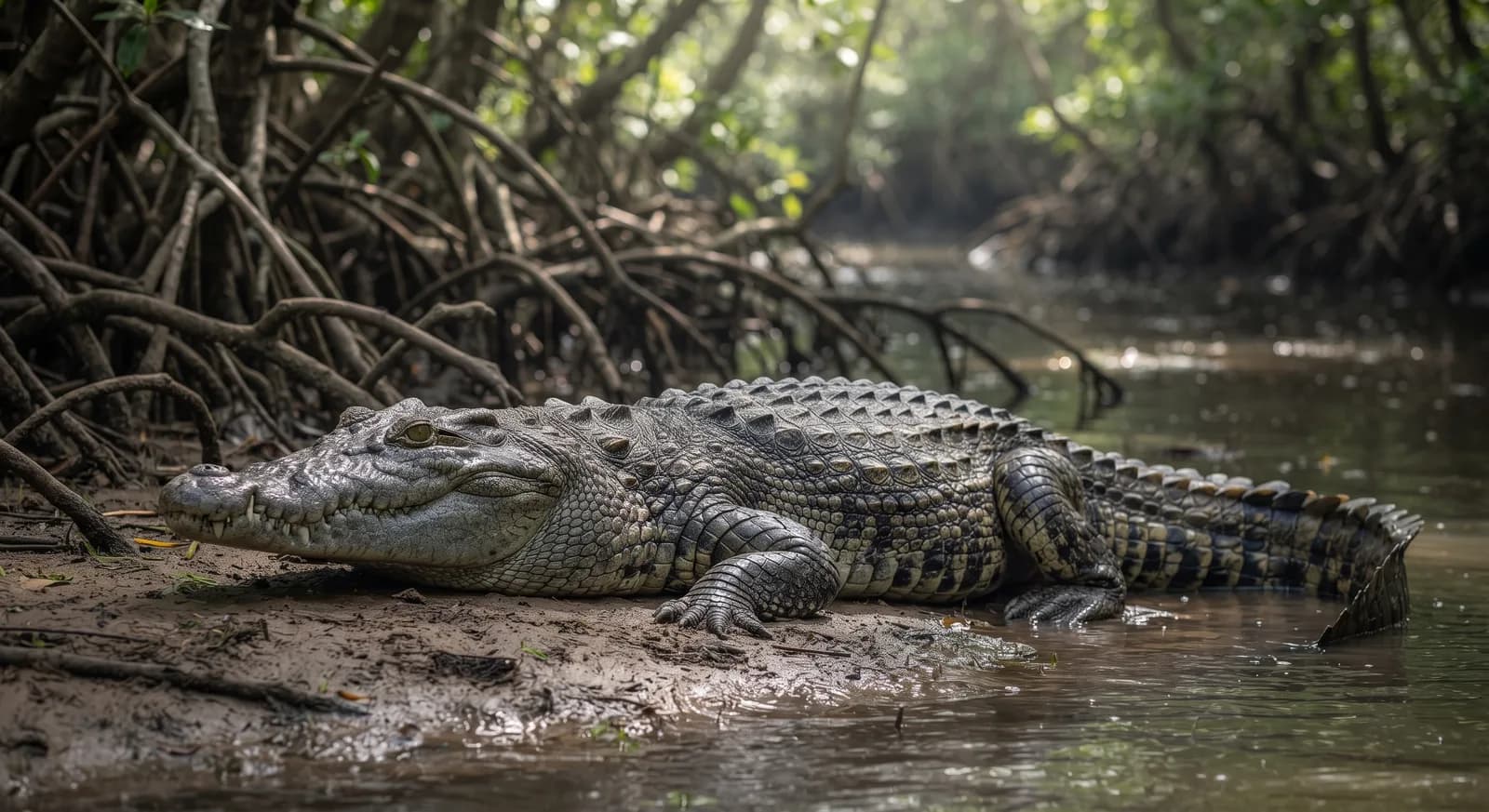
Sri Lanka's five places split between three shallow reefs — Hikkaduwa, Kalpitiya and Pigeon Island, none deeper than 20 metres — and two south-eastern national parks, Yala and Kumana. The hawksbill and green turtles come from the sea; the saltwater crocodile from Yala's lagoons. Three species, two threatened and one not.

Where

Places come from reviewed species-place links; the species shown at each place are only those in this group.
Which species

AI-generated illustration: Saltwater Crocodile
Coral reef

Hikkaduwa

Sri Lanka

Up to 20 m · Open Water

15 m28 °C

Green Turtle · Hawksbill Turtle

See dive site
Coastal pelagic

Kalpitiya

Sri Lanka

Up to 20 m · Open Water

15 m28 °C

Green Turtle · Hawksbill Turtle

See dive site
Coastal reef

Pigeon Island

Sri Lanka

Up to 15 m · Open Water

15 m28 °C

Green Turtle · Hawksbill Turtle

See dive site
National Park

Yala

Sri Lanka

Green Turtle · Saltwater Crocodile

See park
National Park

Kumana

Sri Lanka

Saltwater Crocodile

See park
Green TurtleEndangered

Green Turtle

Chelonia mydas

Hawksbill TurtleCritically Endangered

Hawksbill Turtle

Eretmochelys imbricata

Saltwater CrocodileLeast Concern

Saltwater Crocodile

Crocodylus porosus