 Critically Endangered
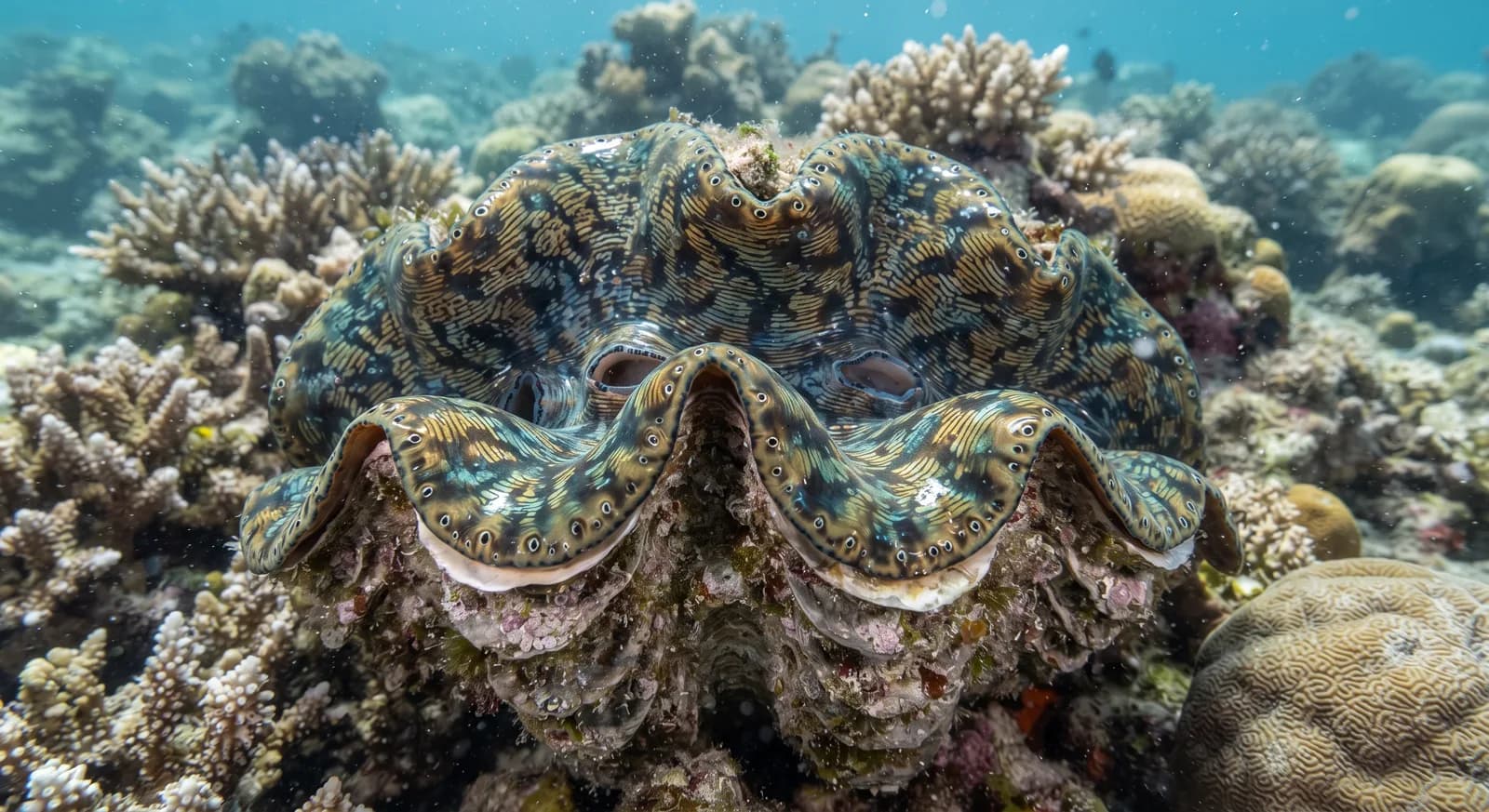
Giant Clam
Tridacna gigas
Asia
Cambodia is organised around the Mekong and Lake Tonlé Sap, the largest freshwater lake in South-East Asia and the country's ecological engine. Its shores are occupied by a seasonally flooded forest where fish breed and where floating villages settle, moving with the water level. To the southwest, the Cardamom mountains keep one of the best-preserved blocks of rainforest in Indochina, with elephants, sun bears and Siamese crocodiles. To the north and east, the dry dipterocarp forest plains once held great herds of ungulates and remain the last refuge of the giant ibis and of South-East Asia's vultures. The stretches of the Mekong at Kratie hold the country's last Irrawaddy dolphins.
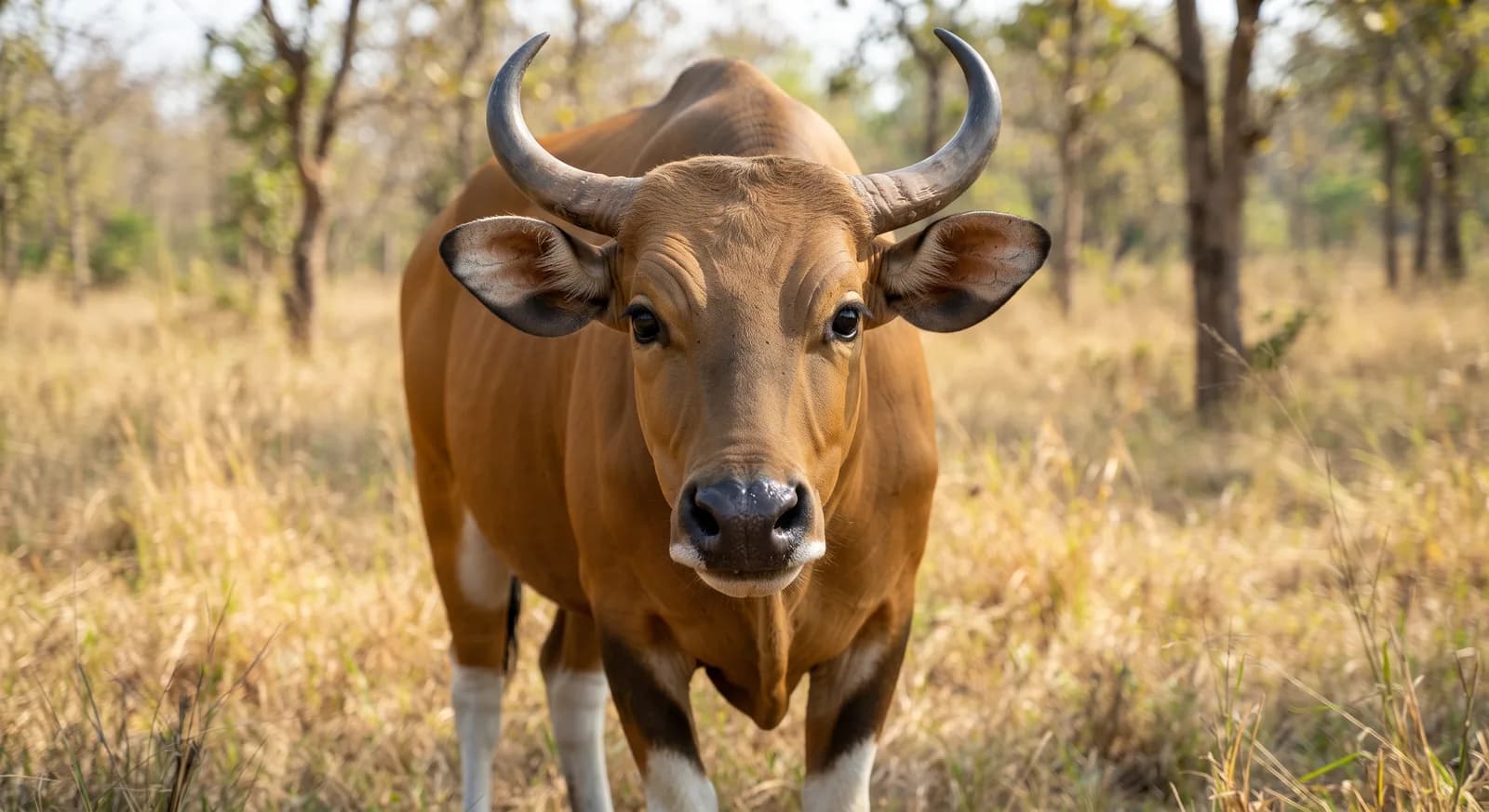
National animal: The kouprey, a wild bovid declared national animal in 1964 and with no confirmed sightings since the 1980s; the giant ibis is the national bird
The Tonlé Sap stages an almost unique hydrological phenomenon every year: during the monsoon, the Mekong's flood is so strong that it reverses the river draining the lake and forces it to flow back into the lake. The lake can multiply its surface fivefold, flood the surrounding forest and offer fish an enormous nursery. On that annual reversal depends one of the largest freshwater fisheries on the planet.
Prek Toal is the last great refuge for large waterbirds in South-East Asia, with colonies of adjutant storks and other storks that were on the brink of collapse and recovered when the former egg collectors became wardens. The region's vultures suffered the same poison-driven collapse as those of South Asia.
Prek Toal between December and February for the waterbird colonies. Kratie year-round for Irrawaddy dolphins. The northern dry plains in the dry season for the giant ibis.
231 species found
Based on what we already know about Cambodia.