Skip to content
WAnimals
  • Map
  • Species
  • Parks
  • Diving
Log inCreate account
WAnimals

The guide for travellers and animal lovers: discover, plan and share your wild adventures around the world.

Discover wildlife

  • Species
  • Ecosystems
  • Glossary
  • Tags

Explore places

  • Map
  • Countries
  • Parks
  • Diving

Plan experiences

  • Guides

Learn

  • Blog

Resources

  • About us
  • How we build our profiles
  • Help centre
  • Contact
  • Install the app

Follow us

Account

  • Log in
  • Create account

© 2026 WAnimals. All rights reserved.

Terms of servicePrivacyCookiesLegal notice
MapSpeciesParksDiving
  1. Home
  2. Species
  3. Yellow-throated Marten

One of the 4 martens on WAnimals
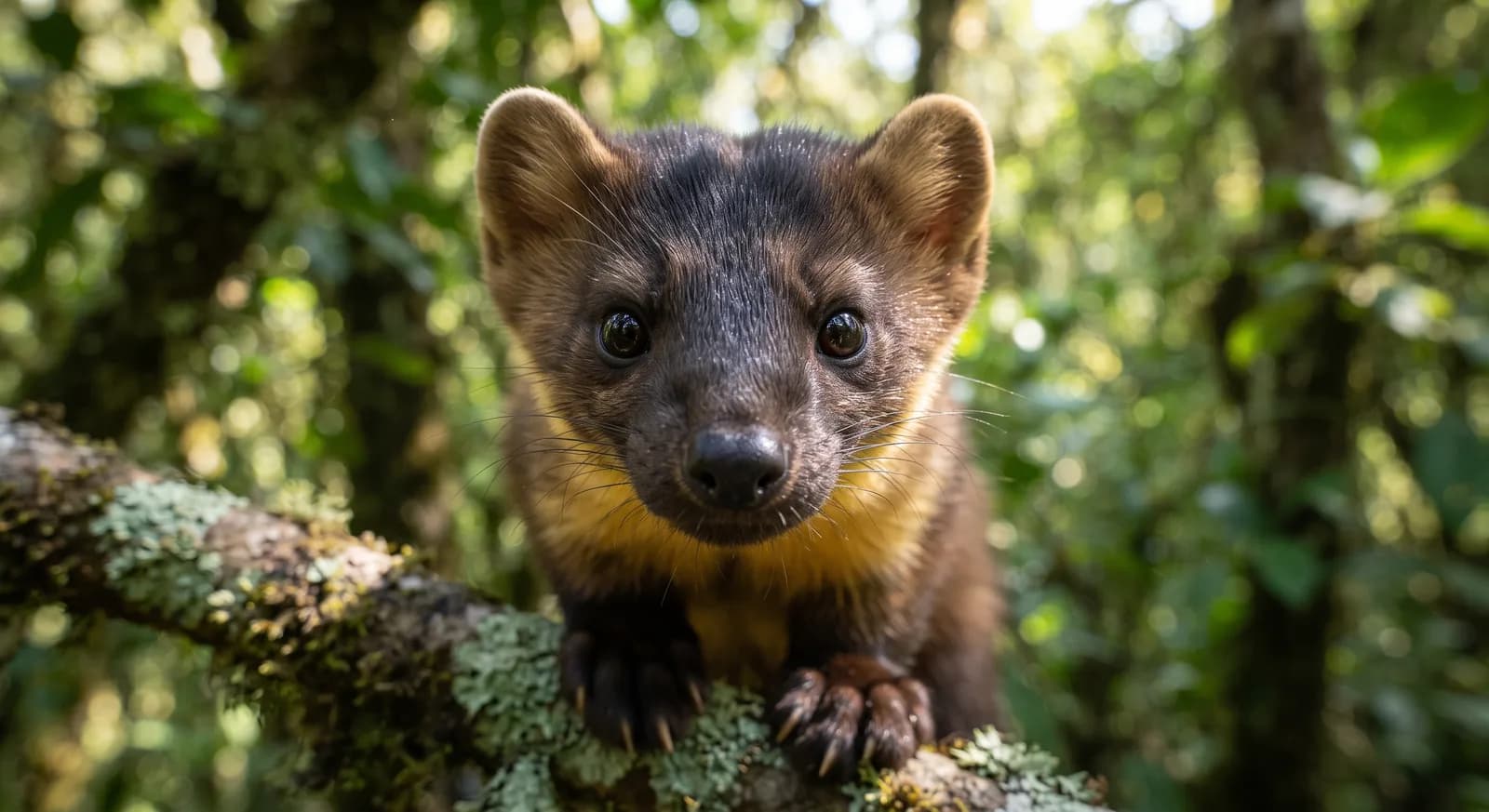
Yellow-throated Marten (Martes flavigula)

Mammals · Carnivora · Mustelidae

Yellow-throated Marten

Martes flavigula

Least Concern

The species is abundant and widely distributed; it faces no significant short-term risk.

Spotted something wrong?

The yellow-throated marten is the largest and most colourful of the martens: a chestnut coat with an intensely golden-yellow throat and chest and a black head and tail. It occupies an enormous range, from Pakistan to the Russian Far East and the Sunda islands. It is diurnal, highly active and omnivorous: it kills prey far larger than itself, including fawns, and also eats fruit, honey and nectar. Unlike almost all mustelids, it frequently hunts in pairs or threes.

Weight

1.6 kg – 5.7 kg

Size

50 cm – 72 cm

Life expectancy

14 years
Diet

Omnivore

Combines animal and plant food depending on availability.

Activity

Diurnal

Active mainly during the day.

RainforestTemperate forestMountain
18countries17parks28same family

AI-generated images: illustrations, not photographs.

Fun facts

  • GeneralIt hunts in pairs and can bring down deer calves far larger than itself.
  • It hunts in groups, which is highly unusual in a mustelid: coordinated pairs or threes can bring down prey as large as a fawn or a young musk deer.
  • It has a sweet tooth: in Asia it is known for raiding beehives and eating nectar and ripe fruit, and its name in several local languages refers directly to honey.

Life cycle and biology

Skeleton type
Vertebrate - internal bony skeleton (mammal)
Habitat and environment
Temperate and subtropical forest, montane rainforest and taiga of southern and eastern Asia
Sexual maturity
3.5 years
Gestation / incubation
4.9 months
Litter / clutch size
2.5 (average)

Sources consulted: Wikipedia (es): Martes flavigula

Where to find it

Loading map…

The pins mark the parks where its presence is documented.

Where to see it

Parks and dive sites where this species has been documented — showing 10 of 17.

Related species

Other species in the catalogue with the most in common with Yellow-throated Marten — same habitat, park, country, tags or family.

Same taxonomic family
Shares a park
Shares a park
Shares a park

Related guides

Keep exploring

Based on what we already know about yellow-throated marten.

Share an experience, a fun fact or a tip for seeing the yellow-throated marten.
See full glossary
This page in other languages: Español · Deutsch · Français · Português · Italiano
See its range on the interactive map→
SagarmathaNepal
AnnapurnaNepal
Chitral GolPakistan
ZhangjiajieChina
Seoraksan National ParkSouth Korea
Nanda DeviIndia
LangtangNepal
Valley of FlowersIndia
Great Himalayan National ParkIndia
Makalu BarunNepal
See all 17 parks
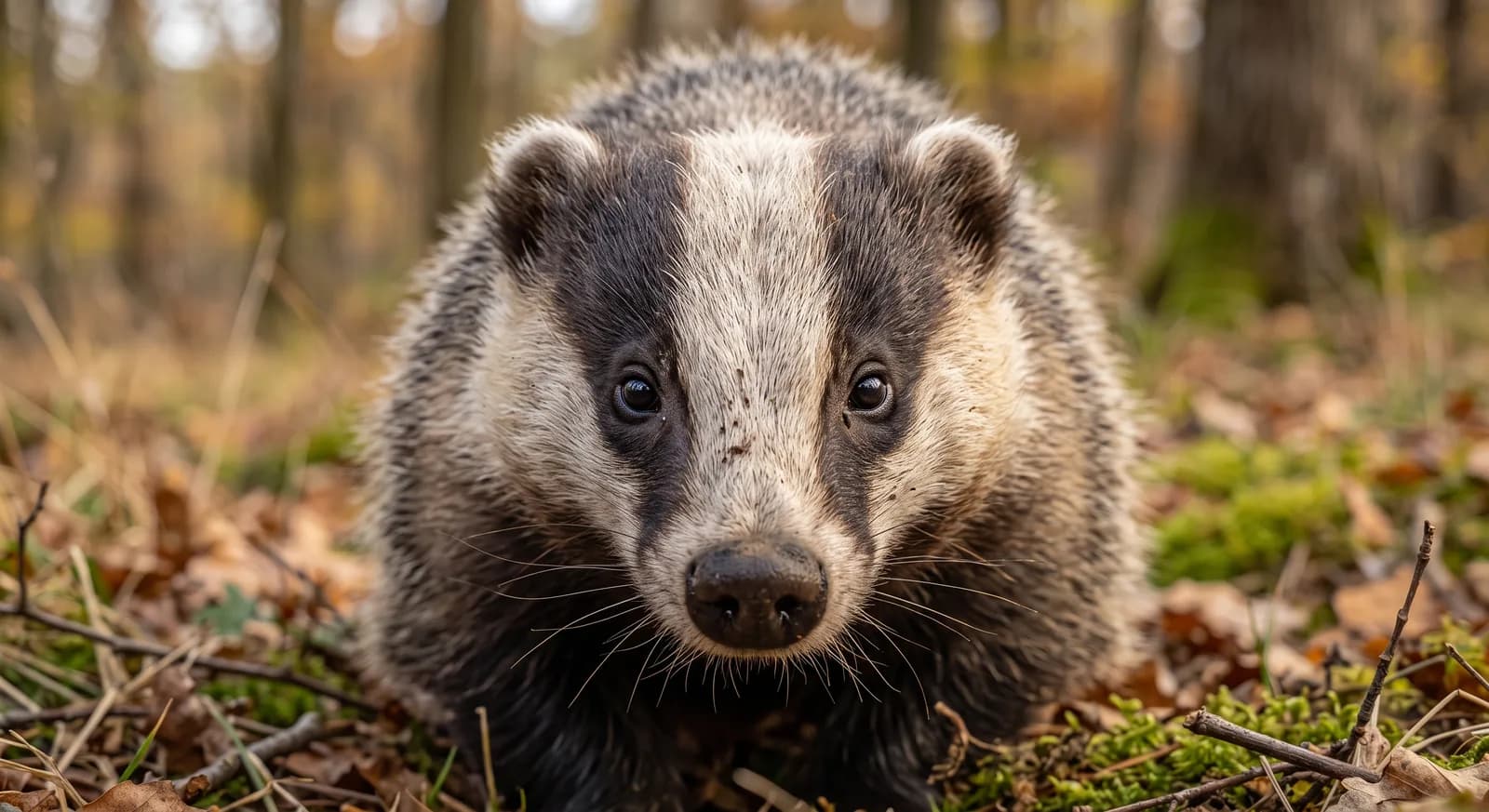
Asian BadgerLeast Concern

Asian Badger

Meles leucurus

Vulnerable

Oriental Small-clawed Otter

Aonyx cinereus

Least Concern

Beech Marten

Martes foina

Least Concern

Common Treeshrew

Tupaia glis

Least Concern

Lesser Treeshrew

Tupaia minor

Least Concern

Short-tailed Gymnure

Hylomys suillus

Where to see Yellow-throated Marten17 places
CountriesNepal
ParksSagarmathaNepal
TagsOmnivore
Omnivore
Diurnal
Rainforest
Temperate forest
Mountain
Mammal
Nepal
India
South Korea
China
Bhutan
Indonesia
Bangladesh
Bhutan
China
India
Indonesia
Japan
Kyrgyzstan
Laos
Malaysia
Myanmar
Nepal
North Korea
Pakistan
Russia
South Korea
Taiwan
Thailand
Vietnam