 Endangered
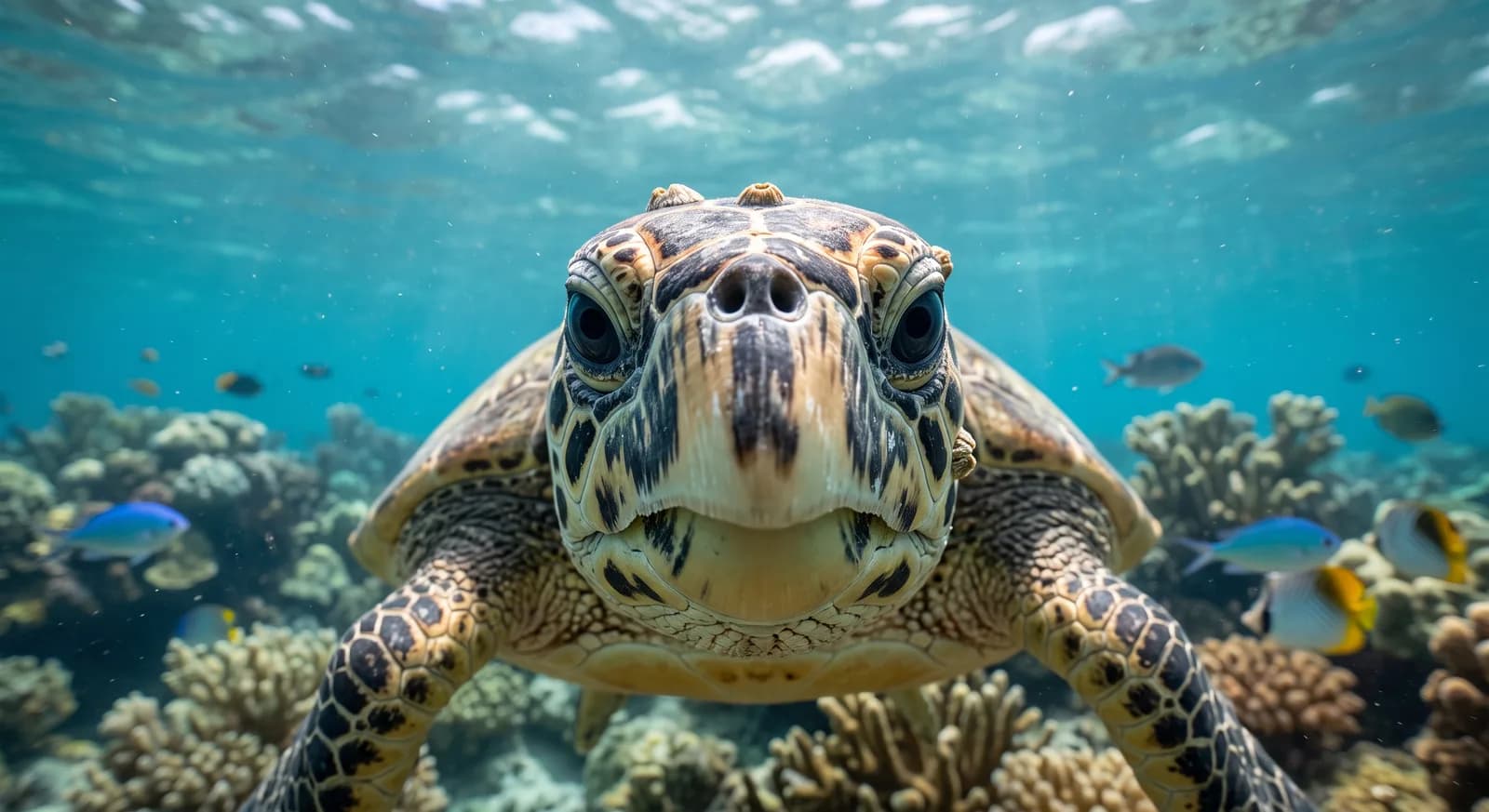
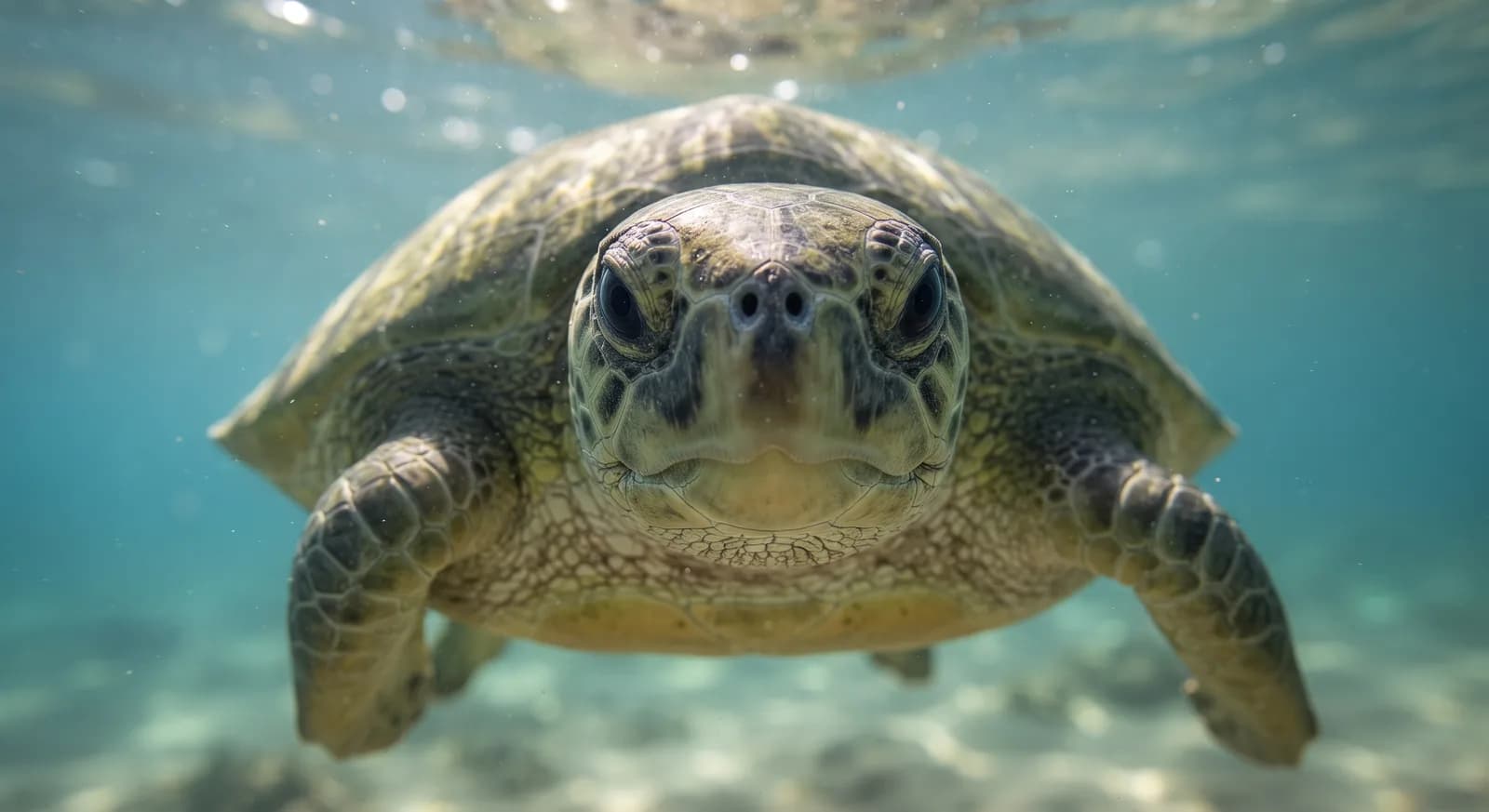
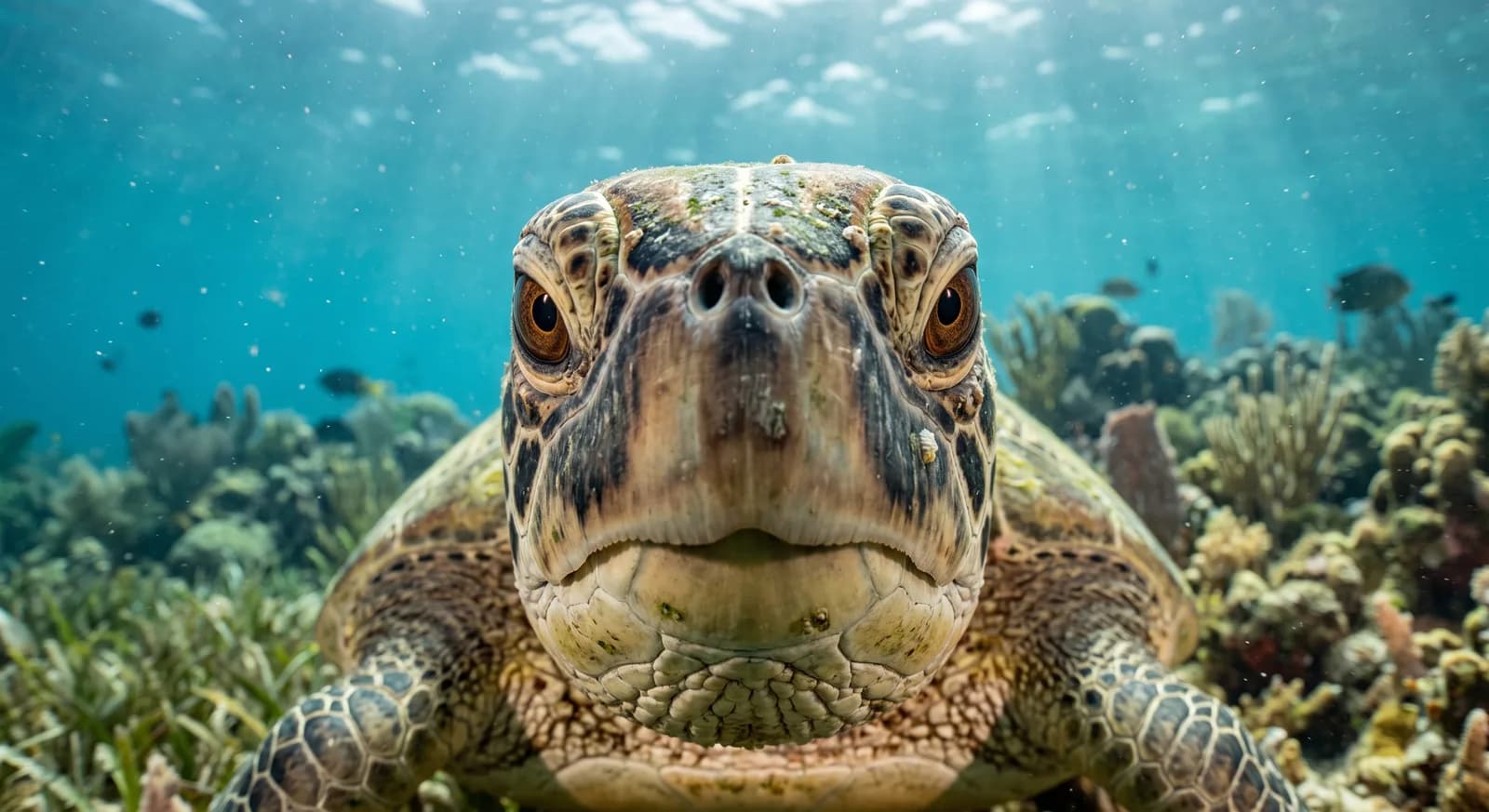
Green Turtle
Chelonia mydas
150 countries68 parks400 dive sites
Species group · Reptiles
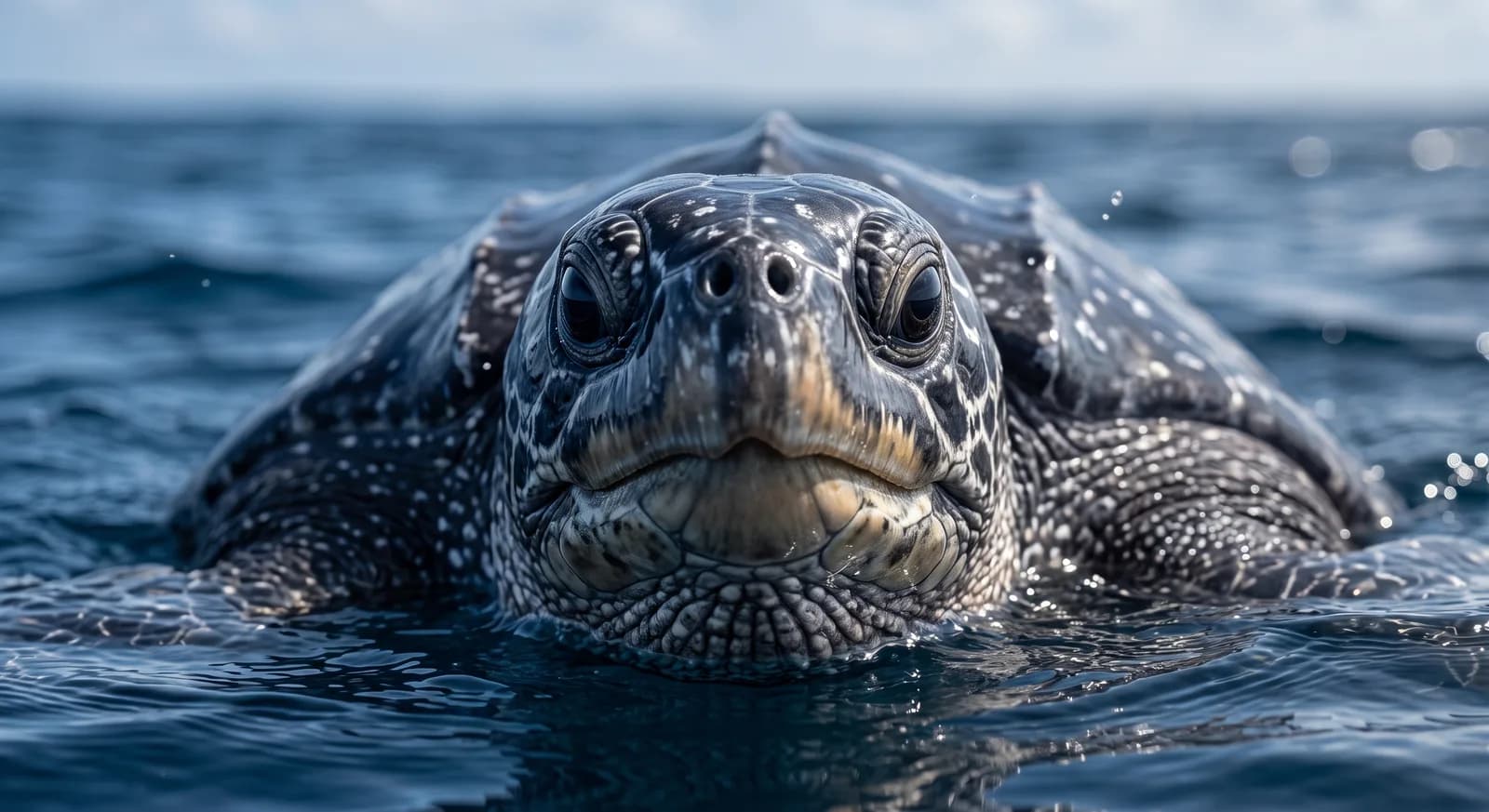
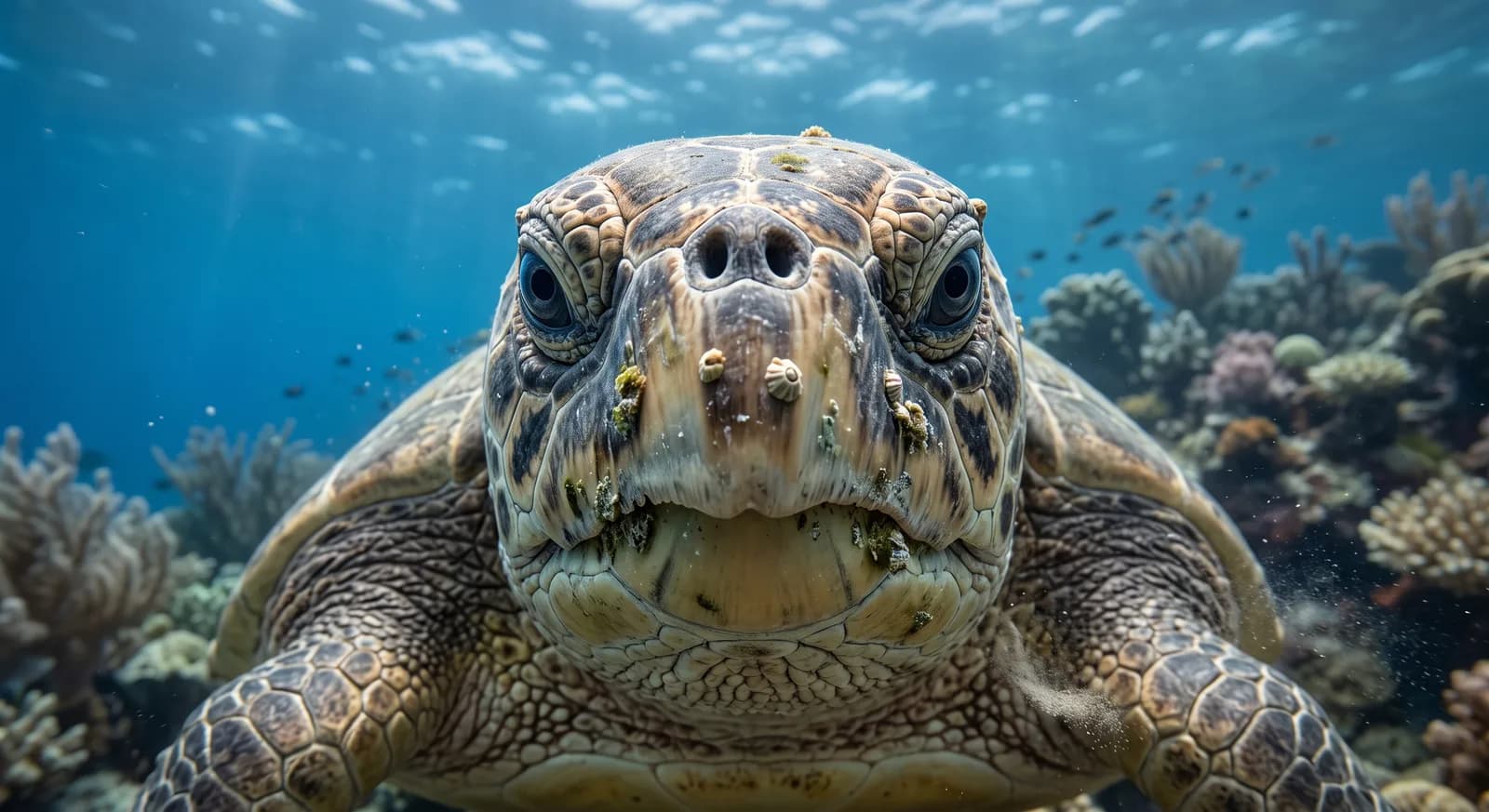
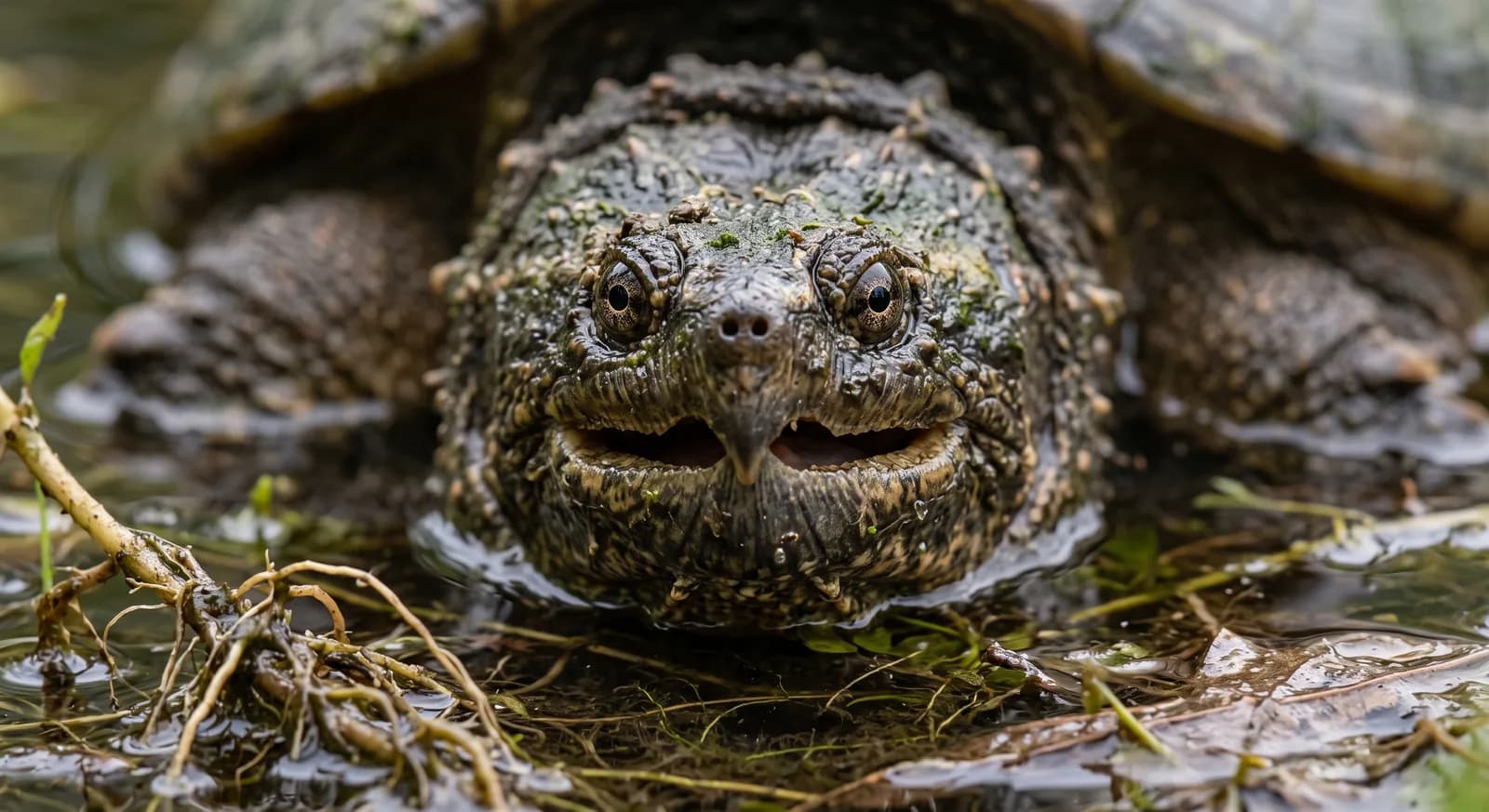
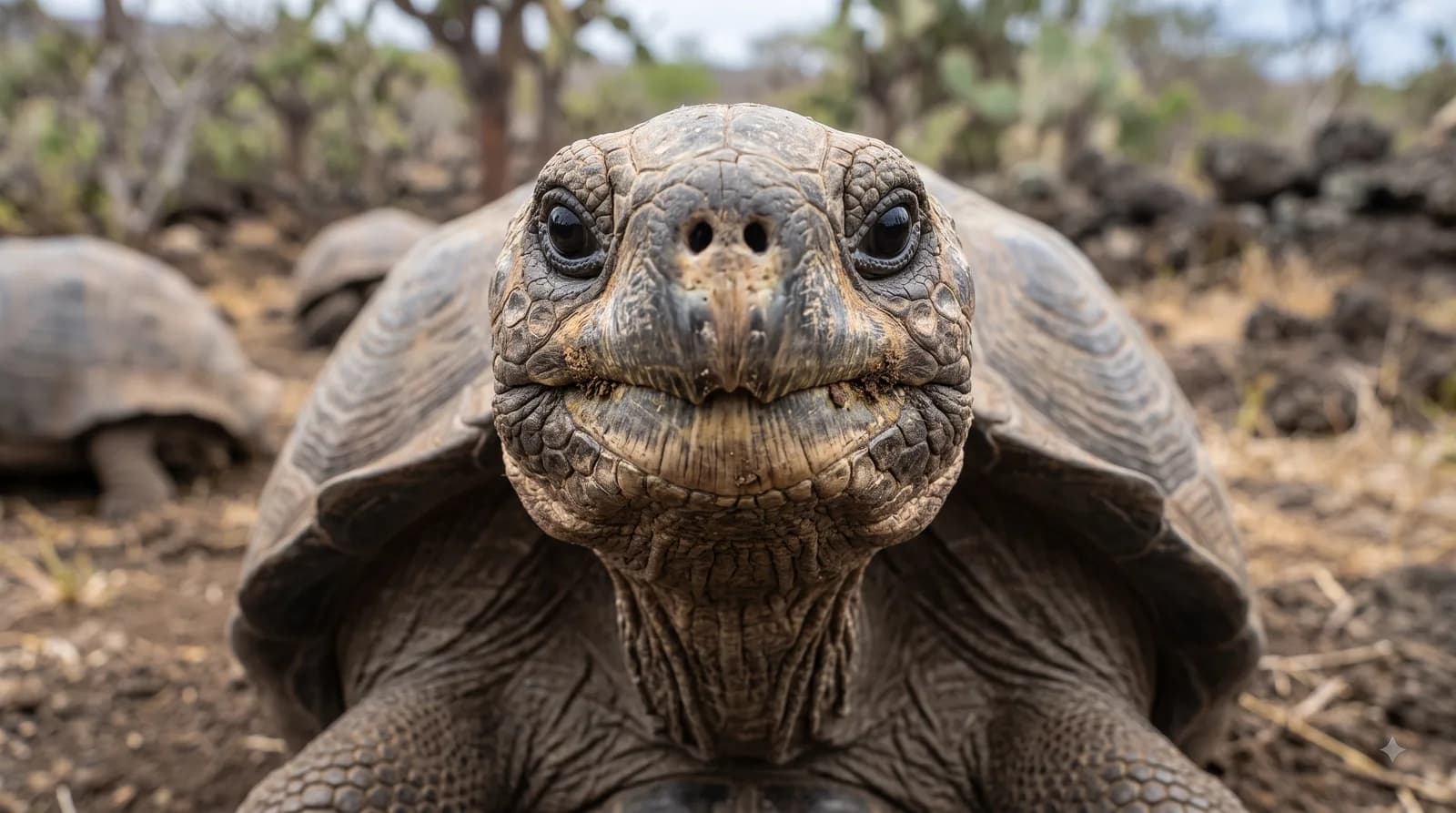
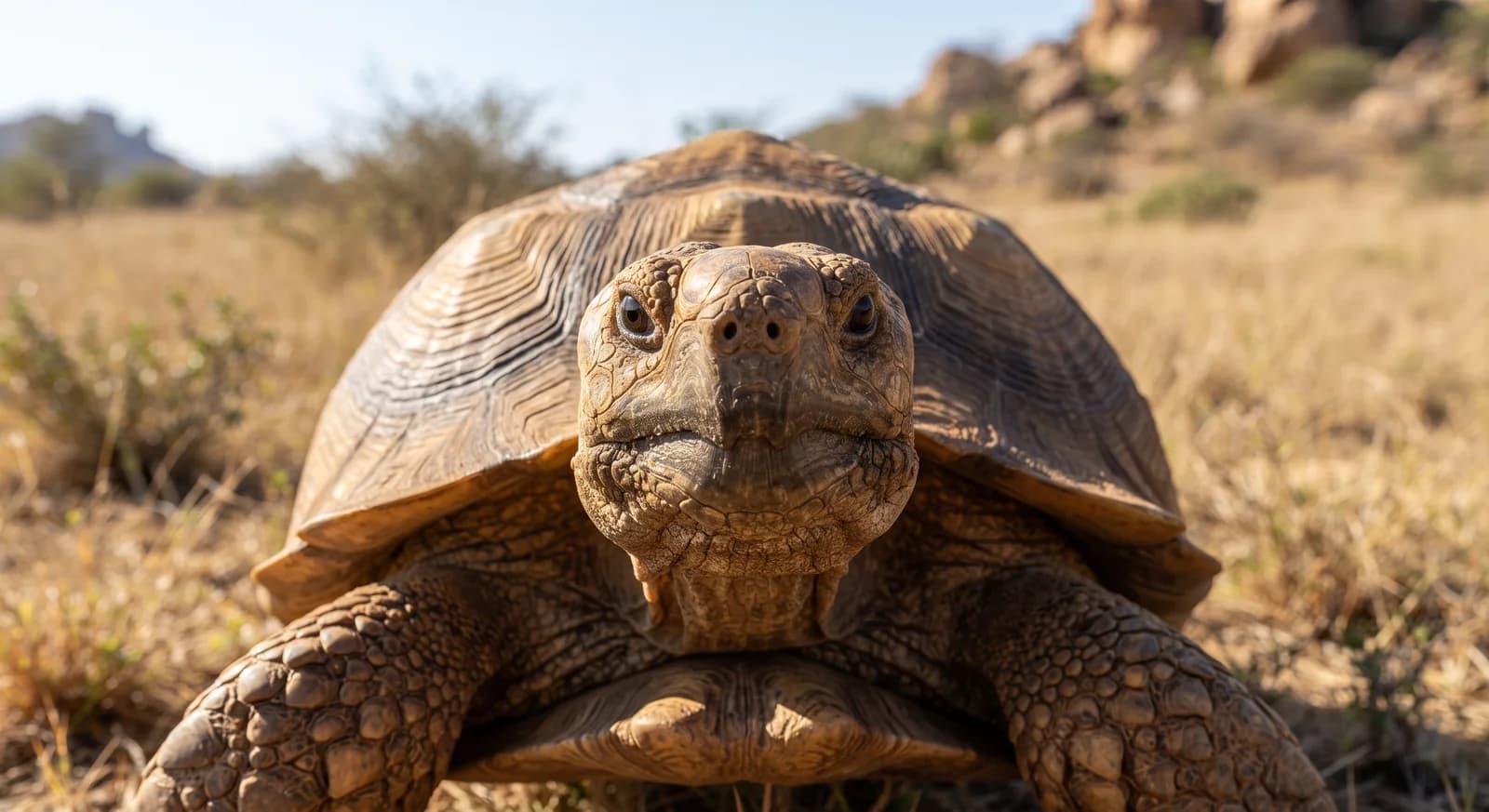
WAnimals has 41 species of turtle, spread across 13 families (Carettochelyidae, Chelidae, Cheloniidae, Chelydridae, Dermochelyidae, Emydidae, Geoemydidae, Kinosternidae, Pelomedusidae, Platysternidae, Podocnemididae, Testudinidae, Trionychidae).
Each one has its own full profile. This group does not replace them: it brings them together.
28 species in this group are in a threatened category according to the IUCN.
Recorded in 216 countries. The ones with the most species in the group:
Fewer than 1 in 1,000 hatchlings reaches adulthood.
From
A female can lay between 75 and 200 eggs per clutch, with up to 9 clutches in a season.
From
It returns to nest on the very beach where it hatched, a phenomenon known as natal philopatry.
From
It feeds mainly on sea sponges that are toxic to most other animals, and stores those toxins in its own tissues with no apparent harm.
From
It is the only reptile whose diet consists mainly of sponges, which makes it a keystone in the balance of the reef.
From
Even surrounded by dozens of sponge species, it selects only a handful of them: its dietary specificity is extremely fine.
From
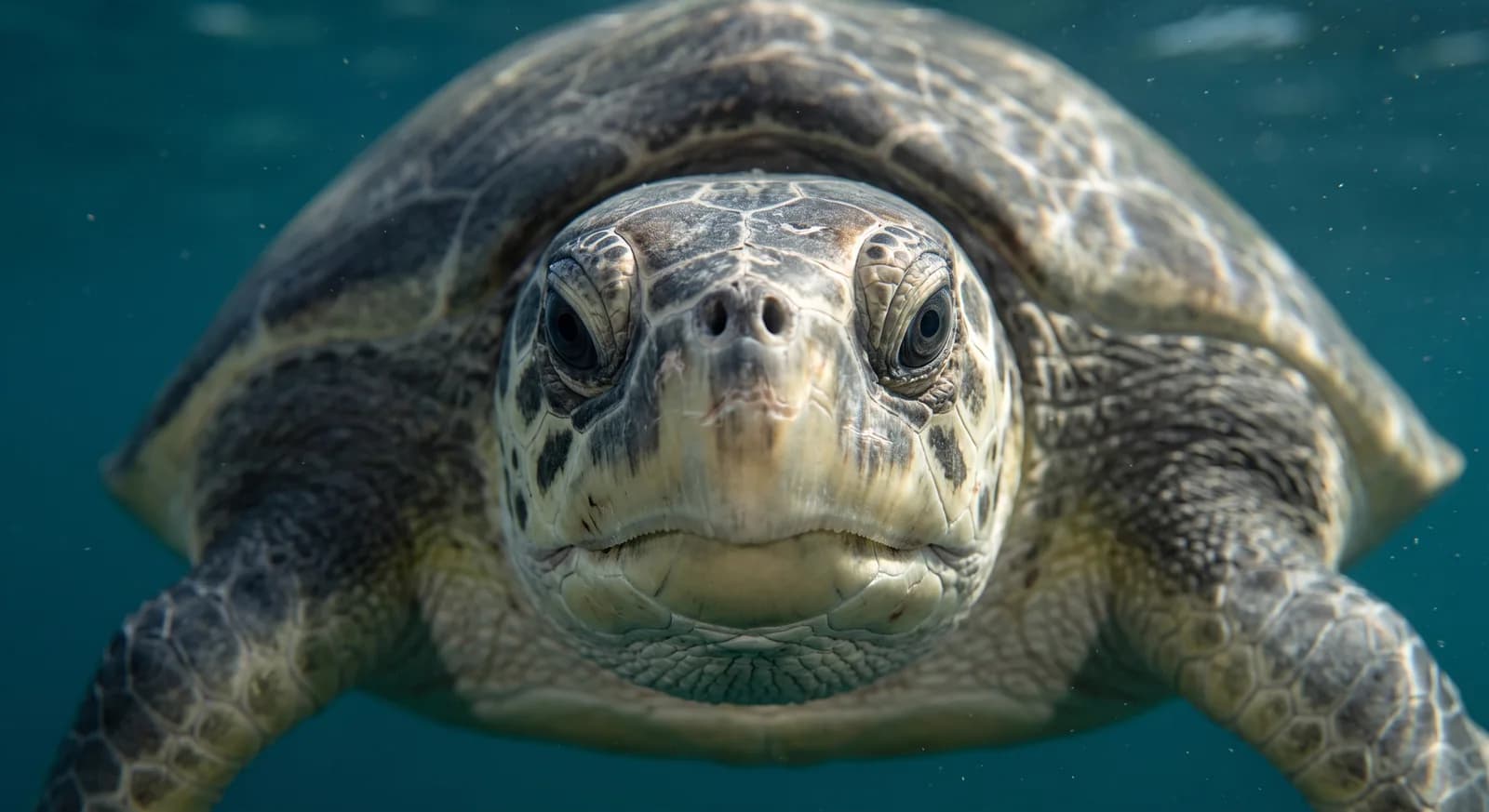
The most threatened sea turtle; it nests en masse — an arribada — on a single beach in Tamaulipas.
From
In 1947 an arribada of more than forty thousand females nesting in a single day at Rancho Nuevo was filmed by chance: when that footage was rediscovered in the 1960s, the population had fallen so far that it served both to measure the collapse and to launch the recovery programme.
·
Ranges calculated from the profiles that record the figure, not from all 41.
From Kemp's Ridley