Skip to content
WAnimals
  • Map
  • Species
  • Parks
  • Diving
Log inCreate account
WAnimals

The guide for travellers and animal lovers: discover, plan and share your wild adventures around the world.

Discover wildlife

  • Species
  • Ecosystems
  • Glossary
  • Tags

Explore places

  • Map
  • Countries
  • Parks
  • Diving

Plan experiences

  • Guides

Learn

  • Blog

Resources

  • About us
  • How we build our profiles
  • Help centre
  • Contact
  • Install the app

Follow us

Account

  • Log in
  • Create account

© 2026 WAnimals. All rights reserved.

Terms of servicePrivacyCookiesLegal notice
MapSpeciesParksDiving
  1. Home
  2. Species
  3. Burmese Star Tortoise

One of the 41 turtles and tortoises on WAnimals

Reptiles · Testudines · Testudinidae

Burmese Star Tortoise

Geochelone platynota

Critically Endangered

At extremely high risk of imminent extinction in the wild.

Spotted something wrong?

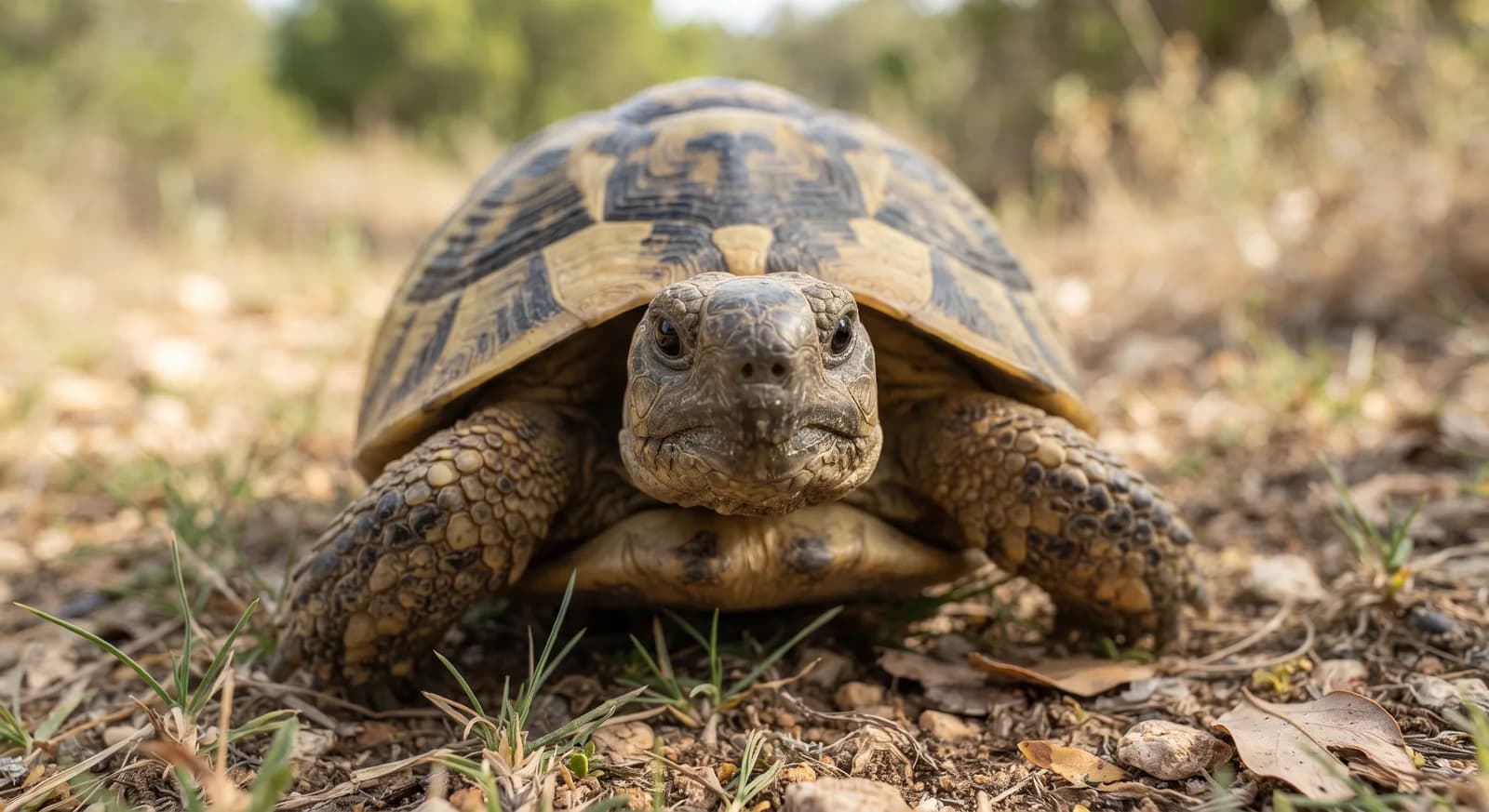
The Burmese star tortoise was functionally extinct in the wild at the beginning of this century: collection for the Asian trade had all but removed it from its range. A captive breeding programme started with a few dozen animals has produced thousands of tortoises, and reintroductions in the central dry zone are working.

Weight

3 kg – 7 kg

Size

25 cm – 30 cm

Life expectancy

50 years

Diet

Herbivore

Feeds mainly on plants.

Activity

Diurnal

Active mainly during the day.

Social structure

Solitary

Lives and hunts alone, joining others only to breed.

Estimated population

Around 14,000 individuals, almost all from breeding programmes

Temperate forestDesert
1countries1parks13same family

Fun facts

  • At the beginning of this century it was considered functionally extinct in the wild, and the recovery programme began with fewer than two hundred animals traced in captivity and in seizures.
  • Thousands of tortoises have now been bred and released, and the species is one of the most frequently cited reptile recoveries in Asia, although it is still classified as critically endangered.
  • Every released tortoise carries a microchip and many are visibly marked: deterring poaching is built into the design of the programme itself.

Life cycle and biology

Skeleton type
Vertebrate - internal bony skeleton with a shell (reptile)
Habitat and environment
Dry thorn scrub forest of the central dry zone of Myanmar
Sexual maturity
8 years
Gestation / incubation
110 days of incubation
Litter / clutch size
5 eggs

Sources consulted: Wikipedia (es): Geochelone platynota

Where to find it

Loading map…

The pins mark the parks where its presence is documented.

Where to see it

Parks and dive sites where this species has been documented.

Related species

Other species in the catalogue with the most in common with Burmese Star Tortoise — same habitat, park, country, tags or family.

Same taxonomic family

How to help

The burmese star tortoise is classified as critically endangered. Organisations such as the IUCN, WWF and the Wildlife Conservation Society work specifically on its conservation and that of its habitat; looking into their programmes is a good starting point if you want to get involved.

Keep exploring

Based on what we already know about burmese star tortoise.

Share an experience, a fun fact or a tip for seeing the burmese star tortoise.
See full glossary
This page in other languages: Español · Deutsch · Français · Português · Italiano
See its range on the interactive map→
Alaungdaw KathapaMyanmar
Vulnerable

Indian Star Tortoise

Geochelone elegans

Critically Endangered

Radiated Tortoise

Astrochelys radiata

Critically Endangered

Pancake Tortoise

Malacochersus tornieri

Spur-thighed TortoiseVulnerable

Spur-thighed Tortoise

Testudo graeca

Vulnerable

Steppe Tortoise

Testudo horsfieldii

Leopard TortoiseLeast Concern

Leopard Tortoise

Stigmochelys pardalis

CountriesMyanmar
ParksAlaungdaw KathapaMyanmar
TagsHerbivore
Herbivore
Diurnal
Solitary
Critically Endangered
Reptile
Temperate forest
Desert
Myanmar