Reptiles · Testudines · Cheloniidae
Lepidochelys olivacea
At high risk of extinction in the wild over the medium term.
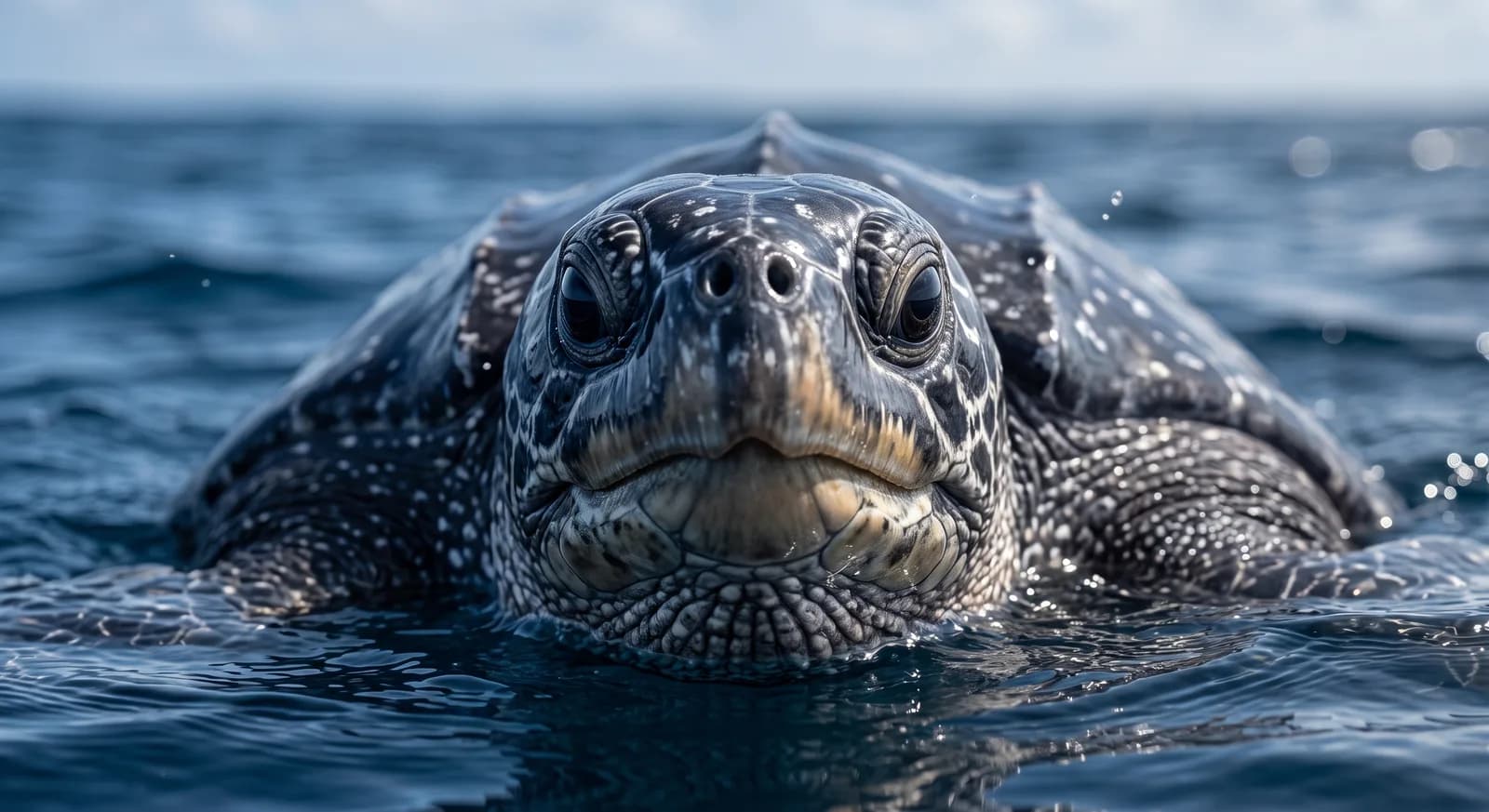
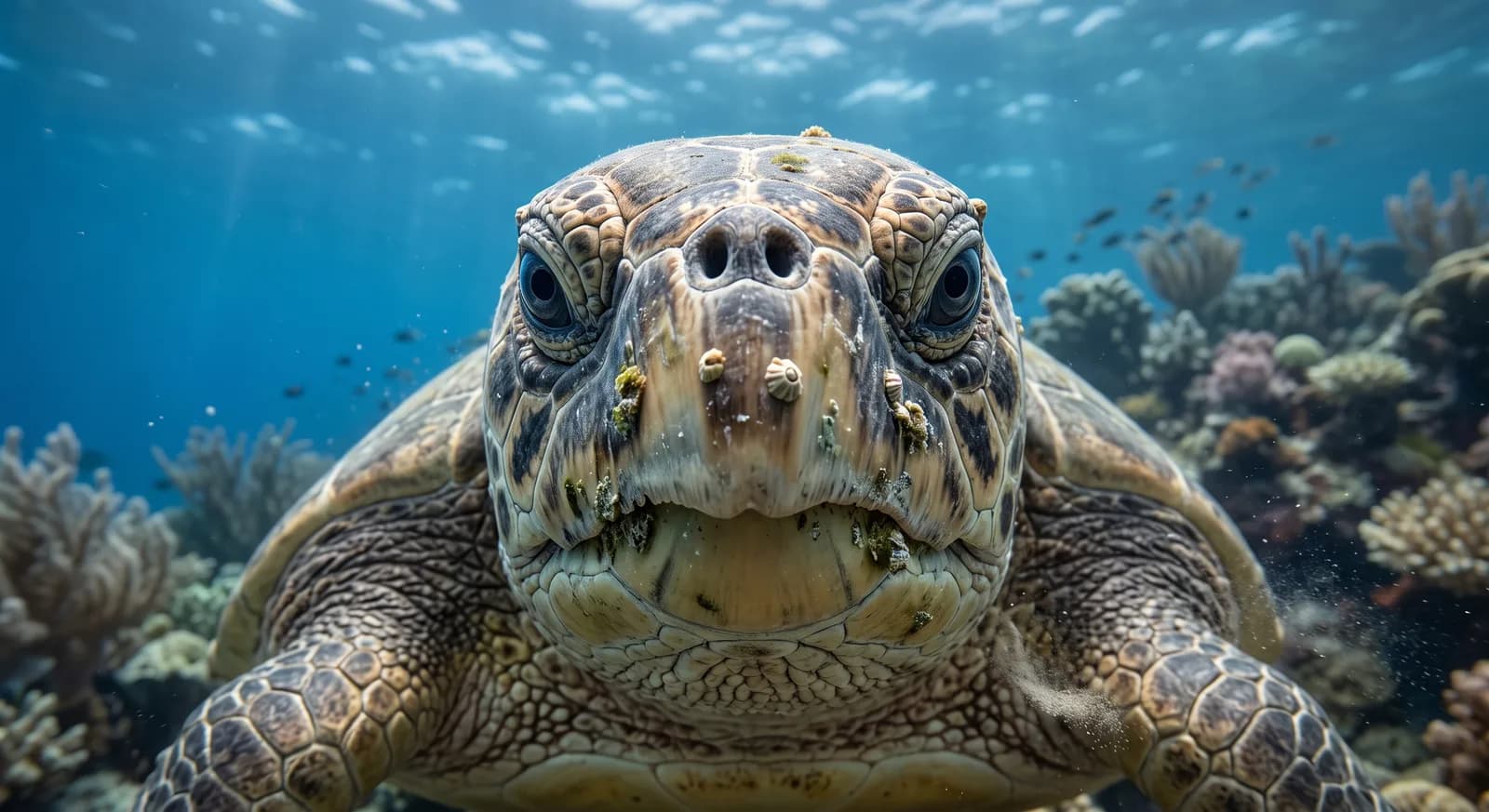
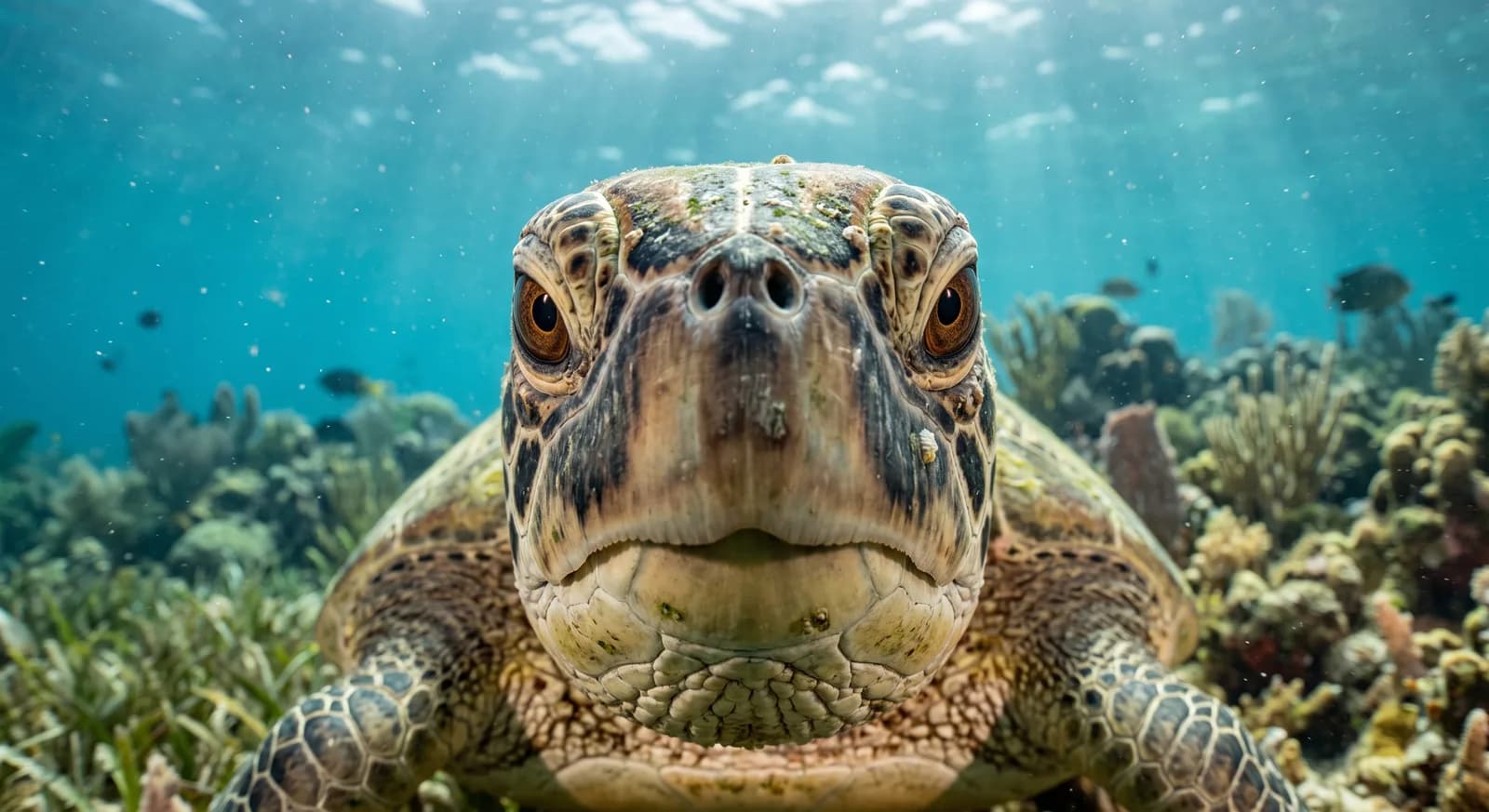
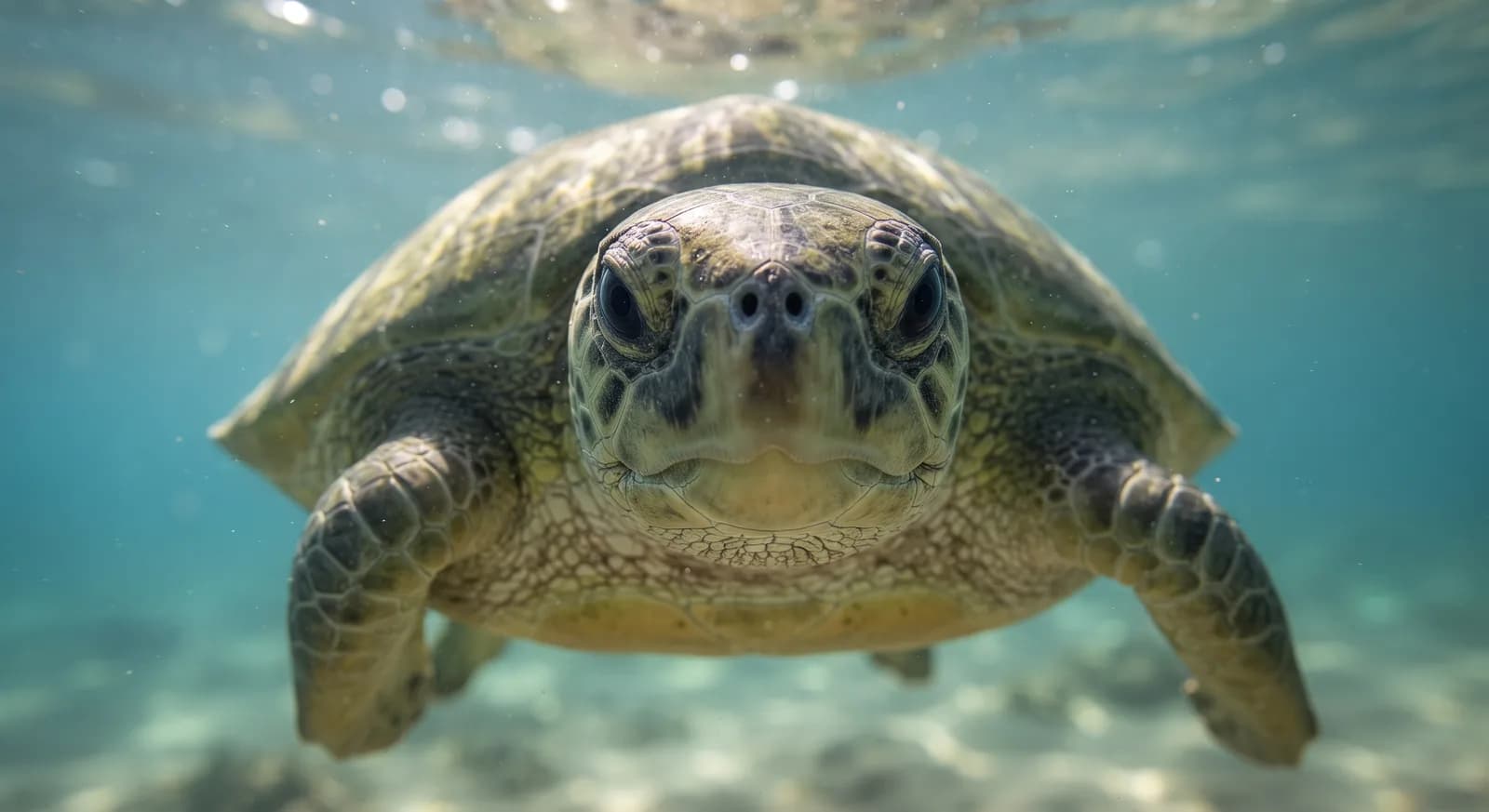
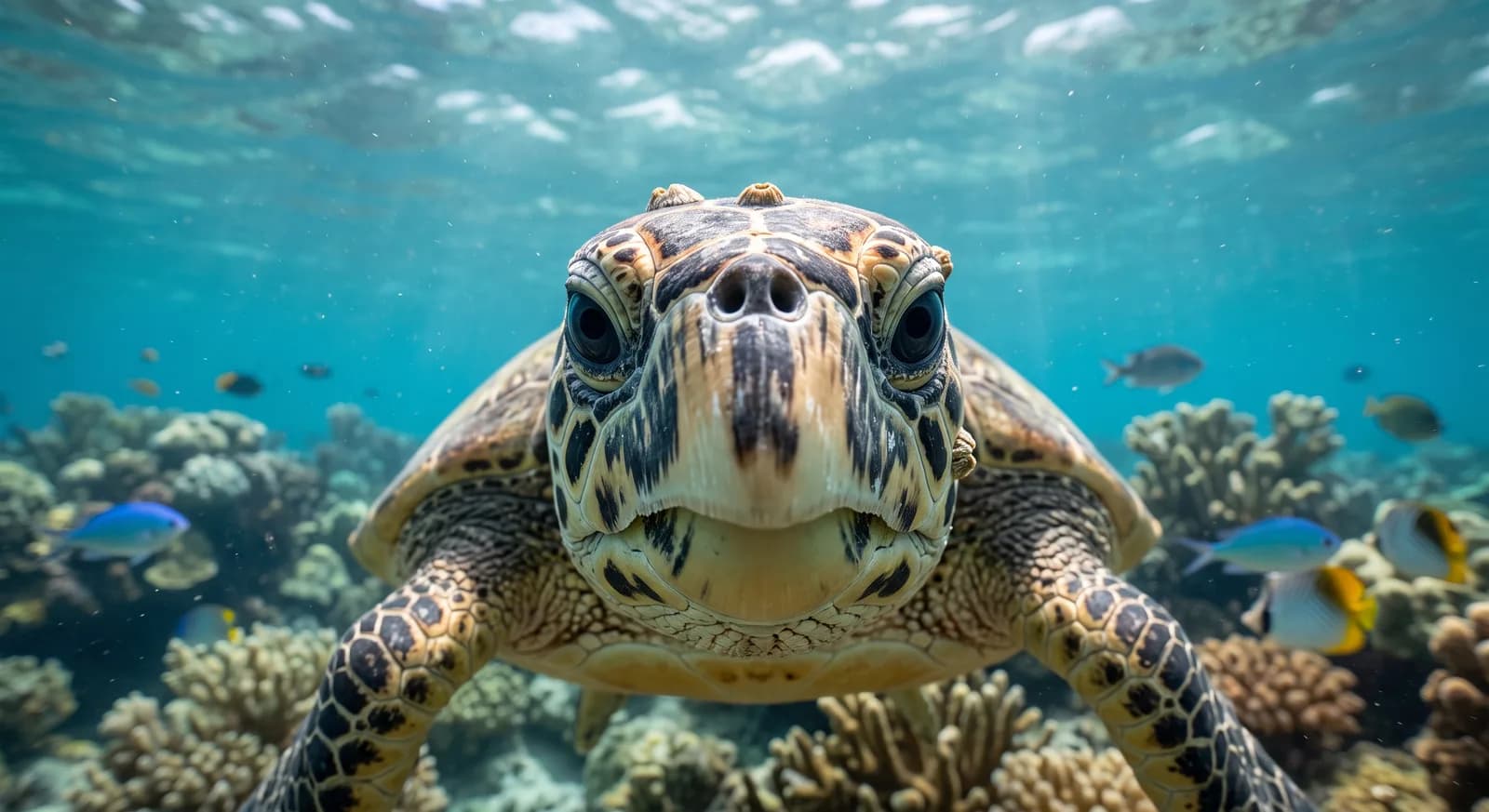
The olive ridley is a turtle of the family Cheloniidae. It is the second smallest of the sea turtles. It measures up to 70 cm and weighs around 40 kg. It feeds on a wide variety of marine invertebrates. It is widely distributed around the world with the exception of the North Atlantic. It is considered Vulnerable by the IUCN. It is also known by the names parlama, guaraguá, batalí and maní.
Weight
35 kg – 50 kg
Size
60 cm – 75 cm
Life expectancy
50 years
Diet
Omnivore
Combines animal and plant food depending on availability.
Activity
Irregular activity
Active at irregular times, by day or night depending on circumstances.
AI-generated images: illustrations, not photographs.
Sources consulted: Wikipedia (es): Lepidochelys olivacea
Parks and dive sites where this species has been documented — showing 16 of 29.
Other species in the catalogue with the most in common with Olive Ridley — same habitat, park, country, tags or family.
The olive ridley is classified as vulnerable. Organisations such as the IUCN, WWF and the Wildlife Conservation Society work specifically on its conservation and that of its habitat; looking into their programmes is a good starting point if you want to get involved.
It's documented in 11 protected areas — one reason why protecting these places matters for its conservation.
Based on what we already know about olive ridley.
The pins mark the parks and dive sites where its presence is documented.